
Personally Experienced · Last verified 2026-07-25
Explore Europe
Quick Take
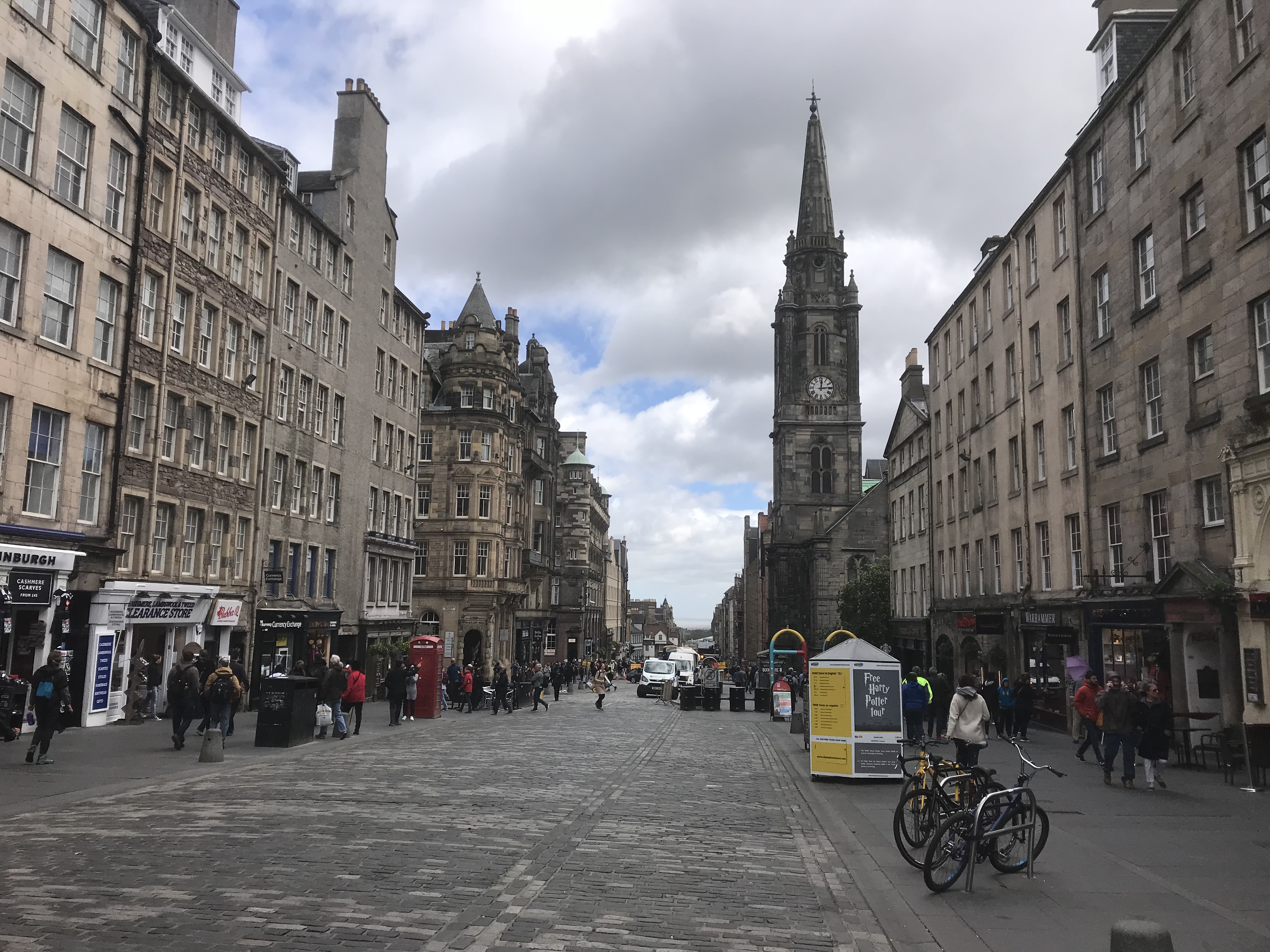
The trip at a glance
- Travel dates
- June 13–18, 2018
- Trip length
- 6 days, including travel days
- Primary overnights
- Edinburgh, Inverness, Fort William
- Tour
- Rabbie’s The Outlander Trail, as operated in June 2018
- Tour style
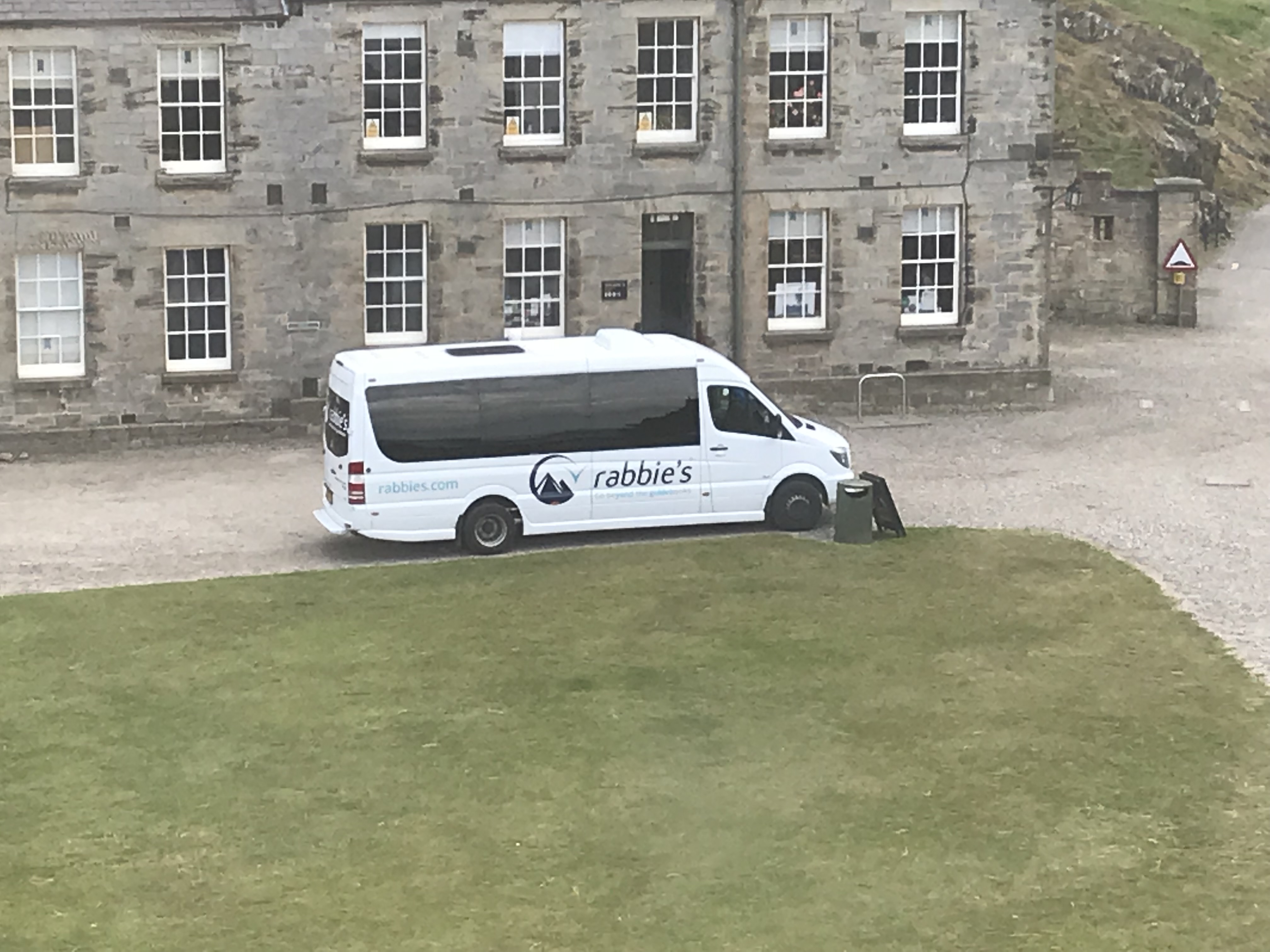
- Small-group Mercedes mini coach, roughly 16 passengers
- What we paid
- $659 total for two people in 2018
- Best for
- Scenery, history, filming locations, and travelers who would rather not drive
- Activity level
- Moderate, with uneven ground, slopes, cobbles, and optional longer walks
- Planning lesson
- Do not underestimate jet lag; add a full Edinburgh day before the Highlands
If someone had told me a television series would inspire one of my favorite vacations, I probably would not have believed them.
Yet that is exactly what happened. Watching Outlander made Scotland feel less like an abstract place on a map and more like a landscape filled with stories I wanted to understand. My husband and I began with the locations we recognized from the screen, but the trip quickly grew beyond them.
The Scotland I remember is the gray water of the River Ness outside our hotel, the scale of the Highlands through the coach window, the quiet at Culloden, and the pleasure of a guide telling us why a smaller stop mattered. Outlander opened the door. Scotland was what stayed with me.
Why Outlander inspired this trip
The series made history feel immediate. It connected places, family loyalties, political choices, and landscapes in a way that made me curious about what was real. I wanted to see Lallybroch, stand near stones that evoked Craigh na Dun, and understand the events at Culloden beyond a television plot.
I was not looking for a checklist of character references. I wanted the filming locations to lead us into a broader journey—one where the real history and present-day places had room to be themselves.
Why Scotland is worth visiting even if you do not watch Outlander
Scotland does not need a television connection to justify the trip. The Highlands make distance feel visible: a road bends, a glen opens, and the landscape suddenly becomes the main event. Castles are not isolated props; they sit within shorelines, old routes, family histories, and centuries of conflict.
The route also offers variety. Edinburgh and Inverness give the trip an urban rhythm. Loch Ness and Loch Linnhe bring you to the water. Culloden asks for attention and reflection. Glencoe is about scale. Glen Ord, Wardlaw Mausoleum, Glen Affric Viewpoint, and Dog Falls remind you that the smaller stories can be as memorable as the names you knew before you arrived.
Why I chose Rabbie’s instead of renting a car
I did not want my first experience of the Highlands to be dominated by driving on the left, judging unfamiliar narrow roads, watching every turn, and worrying about navigation or parking. A small-group tour meant I could actually look at the scenery.
Our Mercedes mini coach held roughly 16 passengers, which felt more personal than a full-size coach. The guide could tell stories, explain history, share legends and trivia, and add local context between stops. That narration made the travel time part of the experience instead of empty mileage.
This is not sponsored praise. A structured tour means accepting its timing, hotel plan, and stop lengths. Renting a car offers more independence, and a private driver offers flexibility at a higher cost. For this particular trip, though, the small group gave me the balance I wanted: fewer logistical worries without feeling anonymous.
Interactive route map
Our Scotland loop
Select a stop to move around the map. The gold line shows our approximate sequence, not turn-by-turn driving directions.
Loading interactive map…
Stop 1 of 20 · Day 1
Edinburgh
Arrival, departure, and overnight
Approximate route reconstructed from our June 2018 trip. Map data © OpenStreetMap contributors; tiles by OpenFreeMap.
Day-by-day itinerary
Day 1: Charlotte to Edinburgh—and a lesson in jet lag
We flew from Charlotte to JFK and then on to Edinburgh. I had tried the common advice for preparing for the time change, but the jet lag was severe anyway. We napped, lost much of the available daylight, and never had the Edinburgh day I had imagined.
I do not regret listening to my body. I do regret building a schedule that made one difficult arrival day carry so much responsibility. If I planned the trip again, I would protect that day for recovery and add another full day in Edinburgh.
Day 2: Lallybroch, the Cairngorms, and Inverness
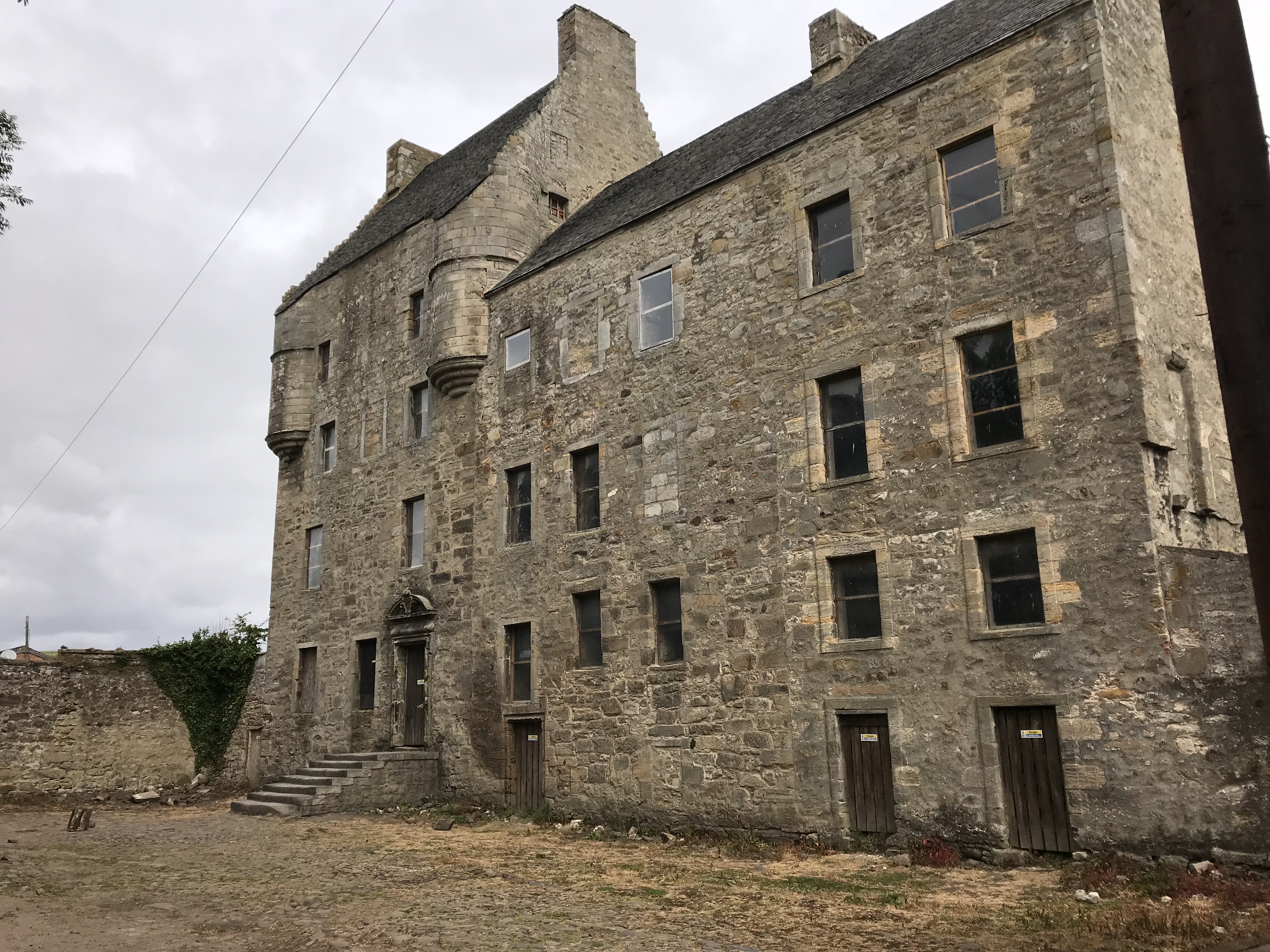
We began our Rabbie’s small-group tour in a Mercedes mini coach with roughly 16 passengers. Midhope Castle was the stop that most clearly belonged to the trip’s Outlander origin: its exterior became Lallybroch, Jamie Fraser’s family home.
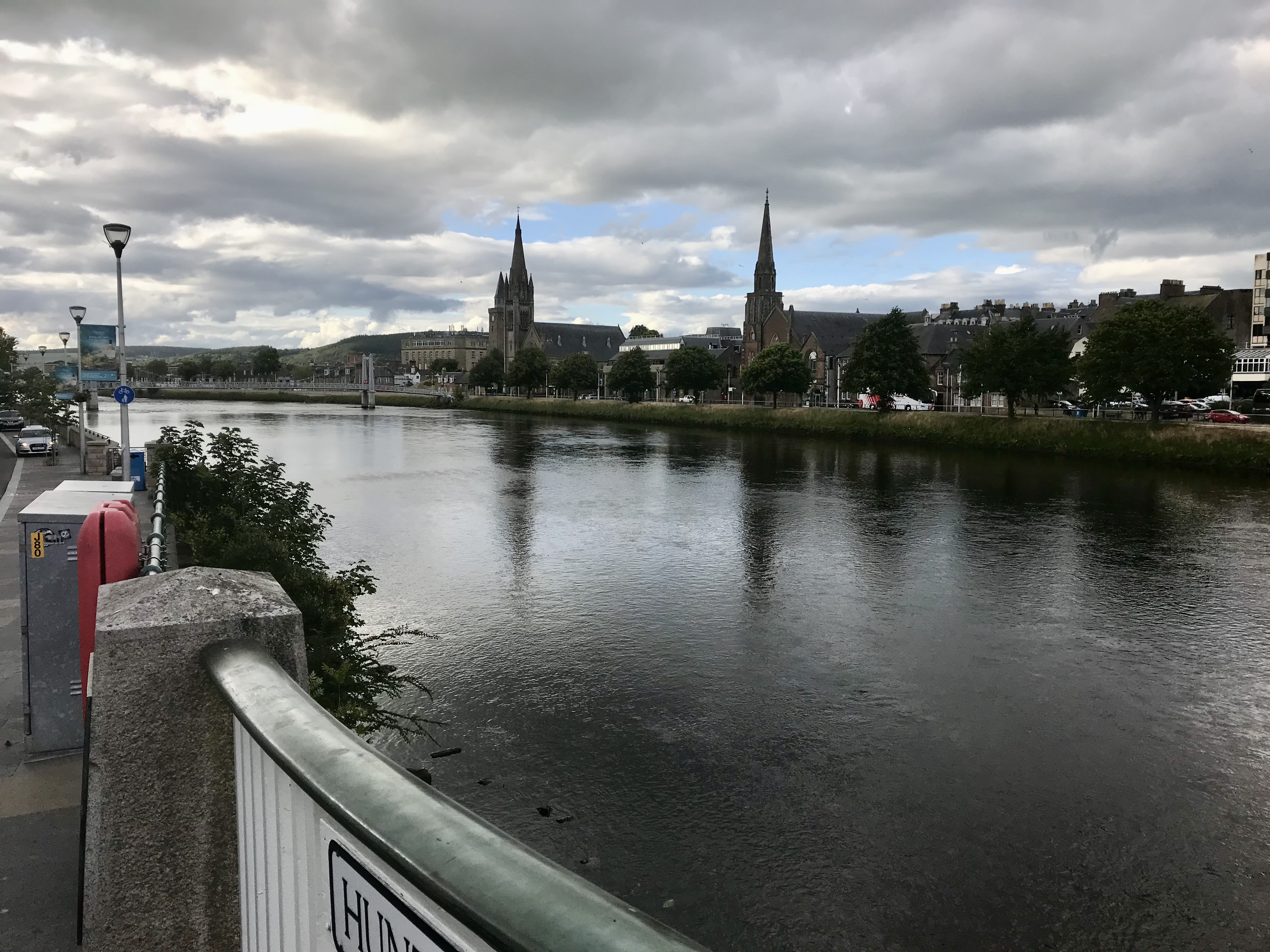
From the Falkirk area, the route carried us toward Cairngorms National Park and then Inverness. We stayed at the Inverness Palace Hotel & Spa, in a setting that put the River Ness just outside. After a day of coach windows and changing landscapes, the riverside made the city feel calm and immediately walkable.
Midhope Castle
- Location
- Hopetoun Estate, west of Edinburgh
- Outlander / filming connection
- The exterior used for Lallybroch, Jamie Fraser’s family home.
- Historical context
- A real 15th-century tower house; the interior is not presented as a visitor attraction.
- Estimated time
- 30–45 minutes
- Walking / accessibility
- Uneven outdoor ground. Access can be seasonal or restricted.
- Best photo opportunity
- The courtyard-facing approach that viewers recognize as Lallybroch.
- Worth the detour?
- Yes for Outlander viewers; pair it with other central-belt stops.
- Angela’s Tip
- Confirm access shortly before the trip. This is a filming exterior, not a furnished castle visit.
Day 3: Culloden, Glen Ord, Wardlaw, and the value of smaller stops
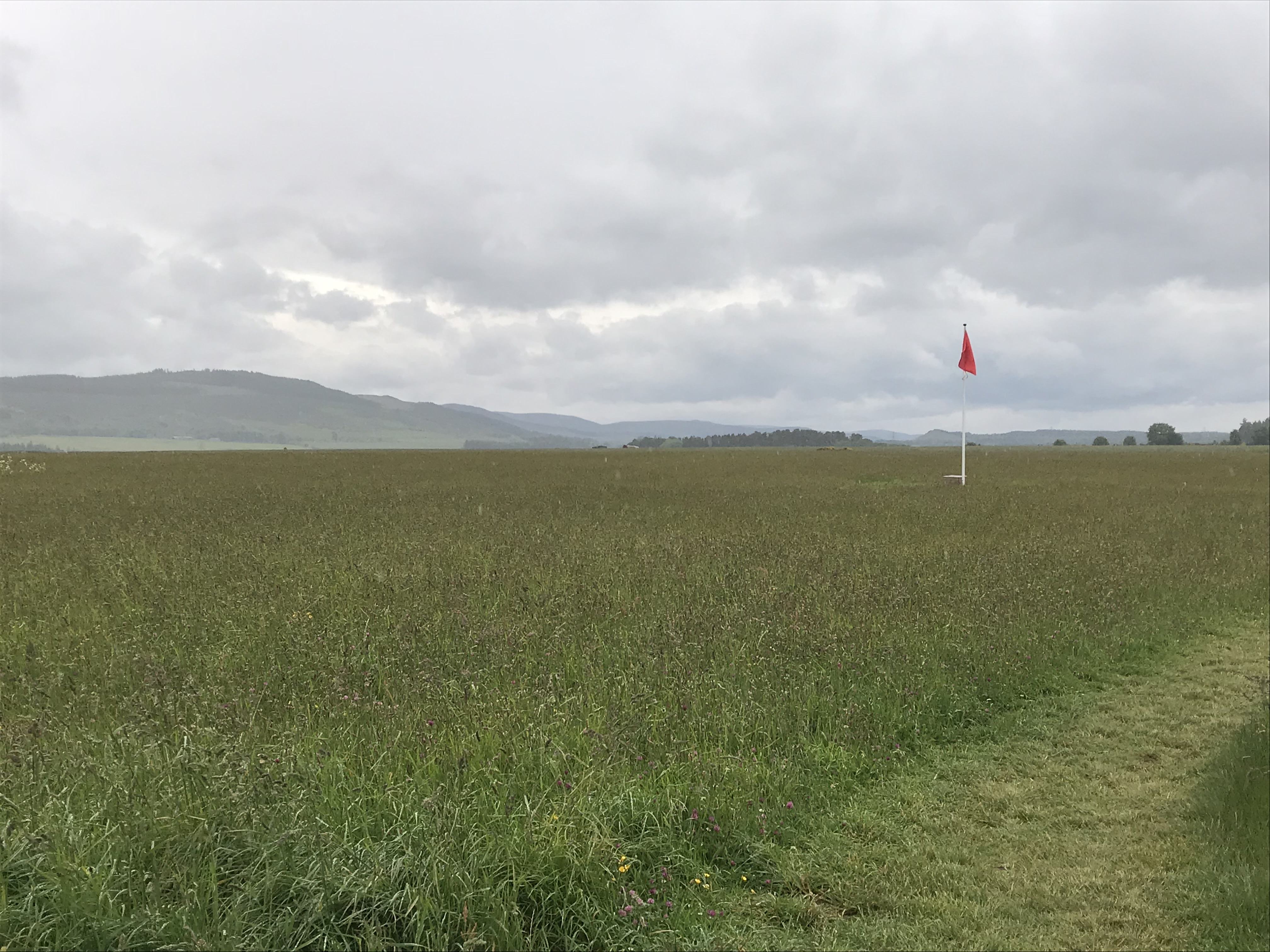
Culloden was not a light filming-location visit. The museum explained the choices and conditions that led to the battle, and the field made the loss feel immediate in a way a screen never could. It was the emotional center of the trip for me.
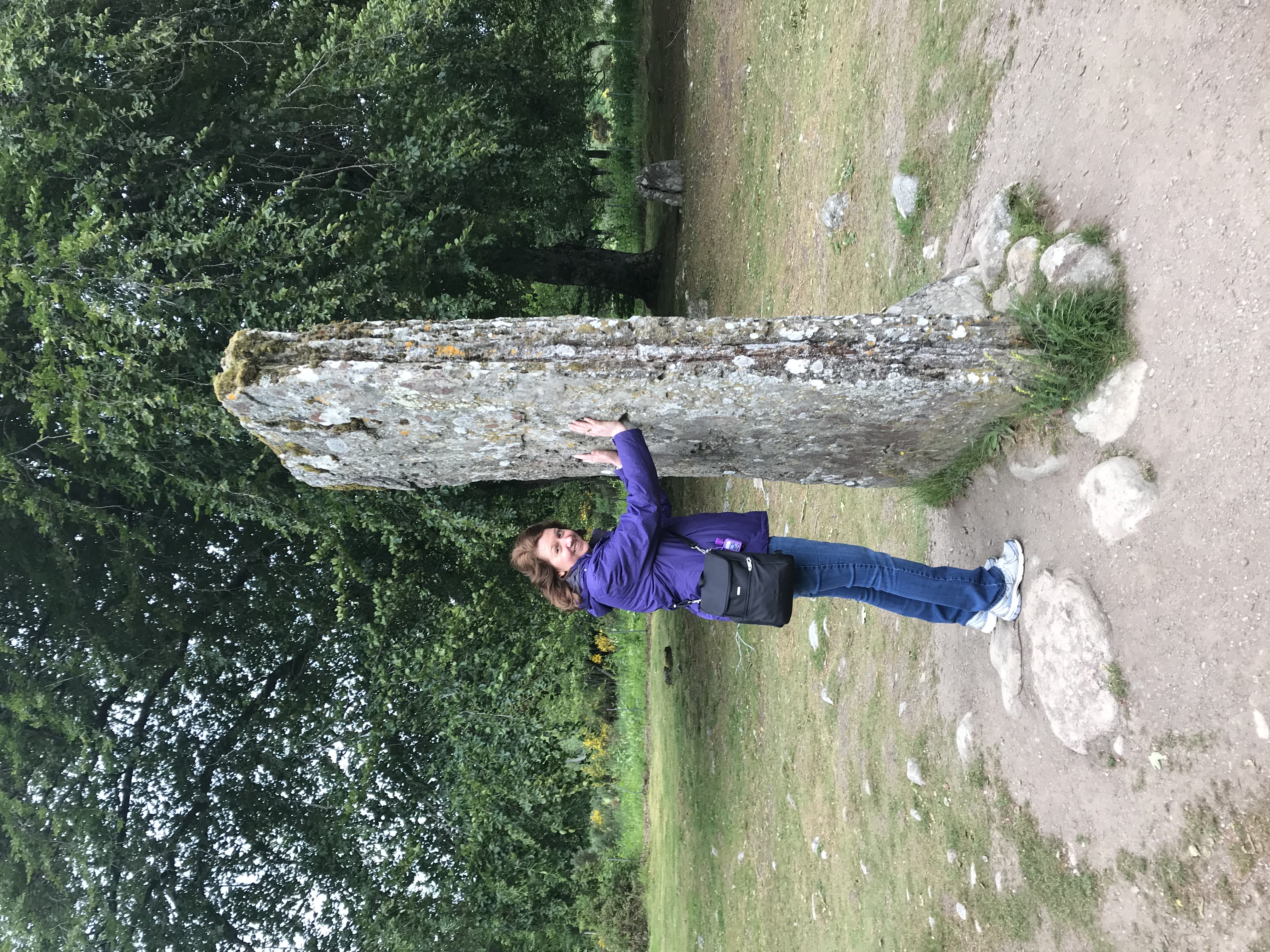
Clava Cairns changed the mood. I reenacted the standing-stone moment—because of course I did—but the site is much older than the fictional world it evokes.
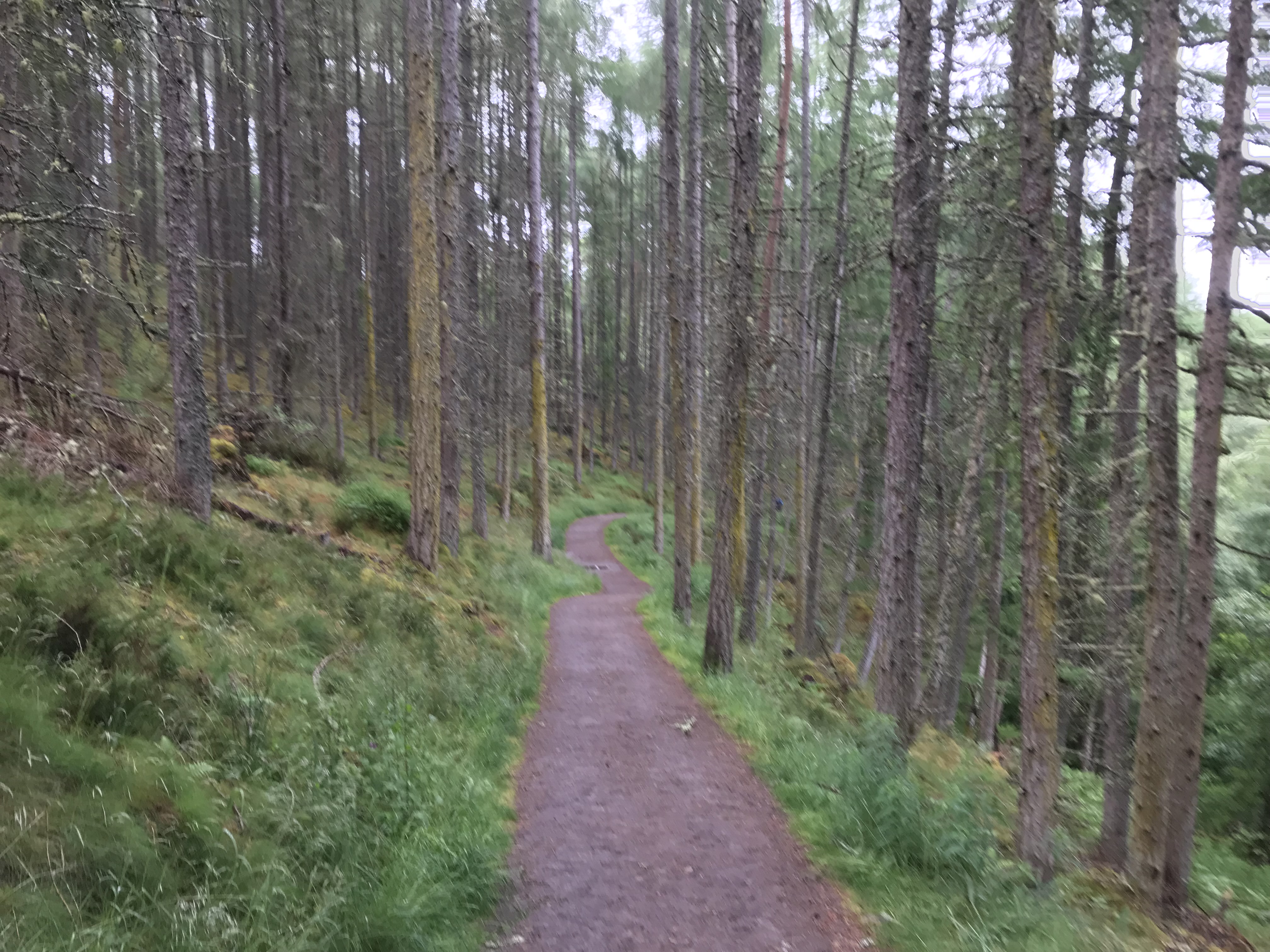
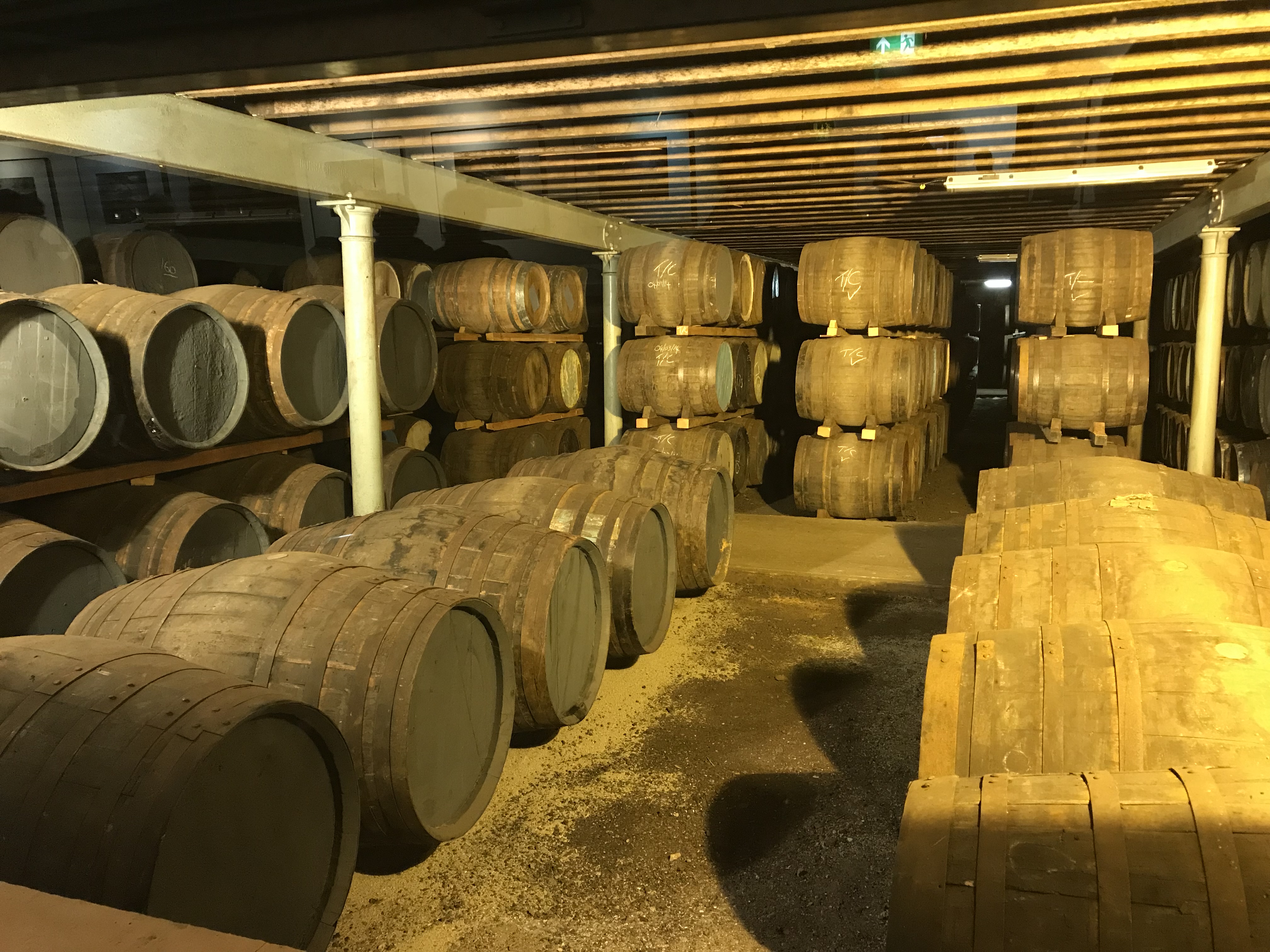
Rogie Falls and lunch at The Storehouse in Evanton added two smaller stops before we toured the distillery at Glen Ord and sampled its whisky. I expected the tasting to be the part I remembered, but the barrel room amazed me. Seeing the casks gathered together gave the production process a scale and atmosphere I had not understood before the tour.
Wardlaw Mausoleum came next, before Beauly. These quieter stops helped the trip feel rooted in an actual route rather than a greatest-hits list.
Culloden Battlefield and museum
- Location
- Culloden Moor, near Inverness
- Outlander / filming connection
- The 1746 battle is central to the story’s second season.
- Historical context
- Government forces defeated the Jacobite army on 16 April 1746 in the last pitched battle on British soil.
- Estimated time
- 2–3 hours
- Walking / accessibility
- The museum is accessible; the outdoor battlefield is exposed and can be wet or windy.
- Best photo opportunity
- The moor and memorial cairn, photographed with restraint.
- Worth the detour?
- Absolutely. The history matters independently of the series.
- Angela’s Tip
- Give the museum time before walking the field. The landscape is more meaningful when you understand what happened there.
Clava Cairns
- Location
- Balnuaran of Clava, near Inverness
- Outlander / filming connection
- Not an Outlander filming location, but its standing stones invite an obvious connection to Craigh na Dun.
- Historical context
- A Bronze Age cemetery complex dating back roughly 4,000 years.
- Estimated time
- 45–60 minutes
- Walking / accessibility
- Outdoor paths and uneven surfaces; there are no extensive visitor facilities.
- Best photo opportunity
- The standing stones and circular cairns without climbing on the monuments.
- Worth the detour?
- Yes when combined with Culloden; the two sites are close but emotionally very different.
- Angela’s Tip
- I reenacted the standing-stone moment, but I was careful not to touch or climb on the ancient structures.
Rogie Falls
- Location
- Near Contin, west of Inverness
- Outlander / filming connection
- No direct filming connection; this was one of the smaller Highland stops that made the route feel varied.
- Historical context
- A woodland waterfall on the Black Water river.
- Estimated time
- 45–75 minutes
- Walking / accessibility
- Woodland trail with slopes and potentially muddy or slippery sections.
- Best photo opportunity
- The falls from the suspension bridge or designated viewpoint.
- Worth the detour?
- Worth it when it fits the route and weather; less essential as a separate long drive.
- Angela’s Tip
- Wear shoes with grip and keep a rain layer within reach, even if the coach leaves under clear skies.
The Singleton Distillery at Glen Ord
- Location
- Muir of Ord, near Inverness
- Outlander / filming connection
- No Outlander filming connection; this was a distinctly Scottish experience that broadened the trip beyond the series.
- Historical context
- Glen Ord is a working Highland whisky distillery. The tour we took did not have a separate tour name.
- Estimated time
- 1½–2 hours
- Walking / accessibility
- A guided indoor tour with standing and walking; confirm current accessibility and age policies.
- Best photo opportunity
- The barrel room, if photography was permitted, or the distillery exterior.
- Worth the detour?
- Yes for travelers curious about Scotch whisky production, even if tasting is not their main interest.
- Angela’s Tip
- The barrel room was what amazed me most. Leave enough time to listen to the production story instead of treating the tasting as the whole experience.
Wardlaw Mausoleum
- Location
- Kirkhill, near Inverness
- Outlander / filming connection
- Its Fraser connection adds real history to a fictional family story.
- Historical context
- The burial place of the Frasers of Lovat. Simon Fraser, 11th Lord Lovat—known as the Old Fox—was executed in 1747 for his part in the Jacobite rising.
- Estimated time
- 30–45 minutes
- Walking / accessibility
- A small historic site; confirm current opening and access arrangements.
- Best photo opportunity
- The mausoleum exterior and quiet churchyard.
- Worth the detour?
- Best for travelers already interested in Fraser and Jacobite history.
- Angela’s Tip
- This stop benefits from a guide who can connect family politics, local history, and what the series changes for fiction.
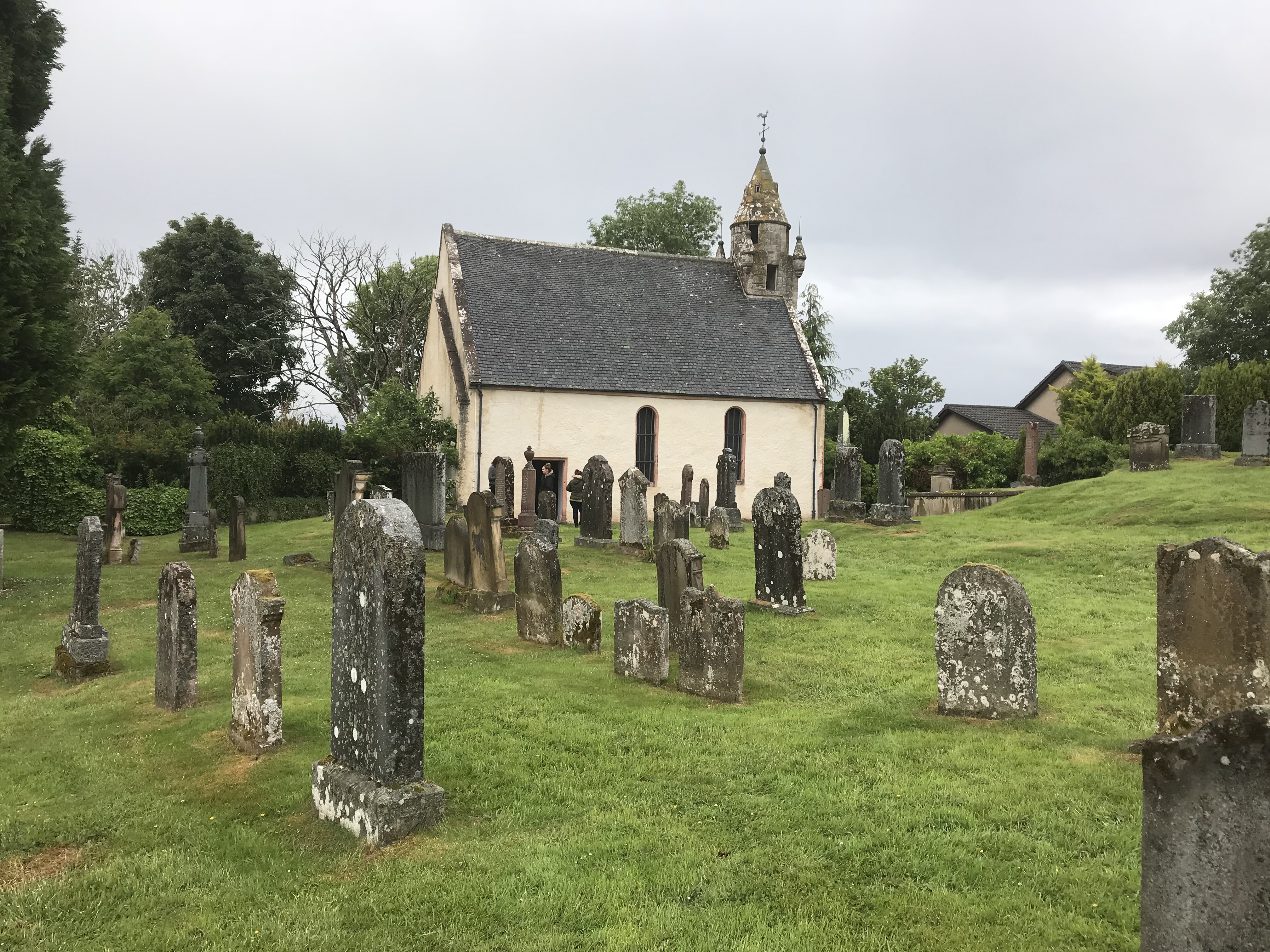
Day 4: Loch Ness, Glenfinnan, and Fort William
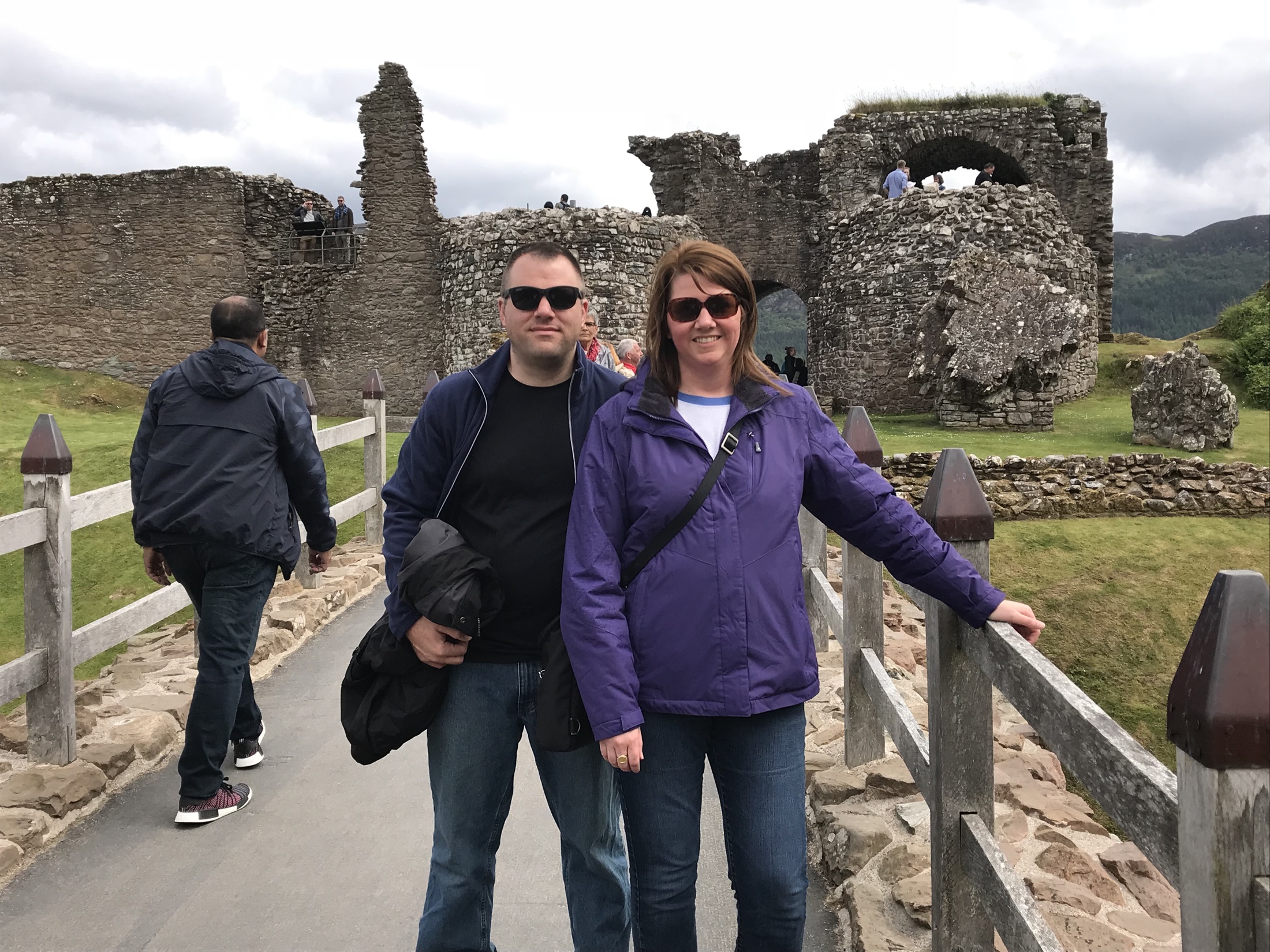
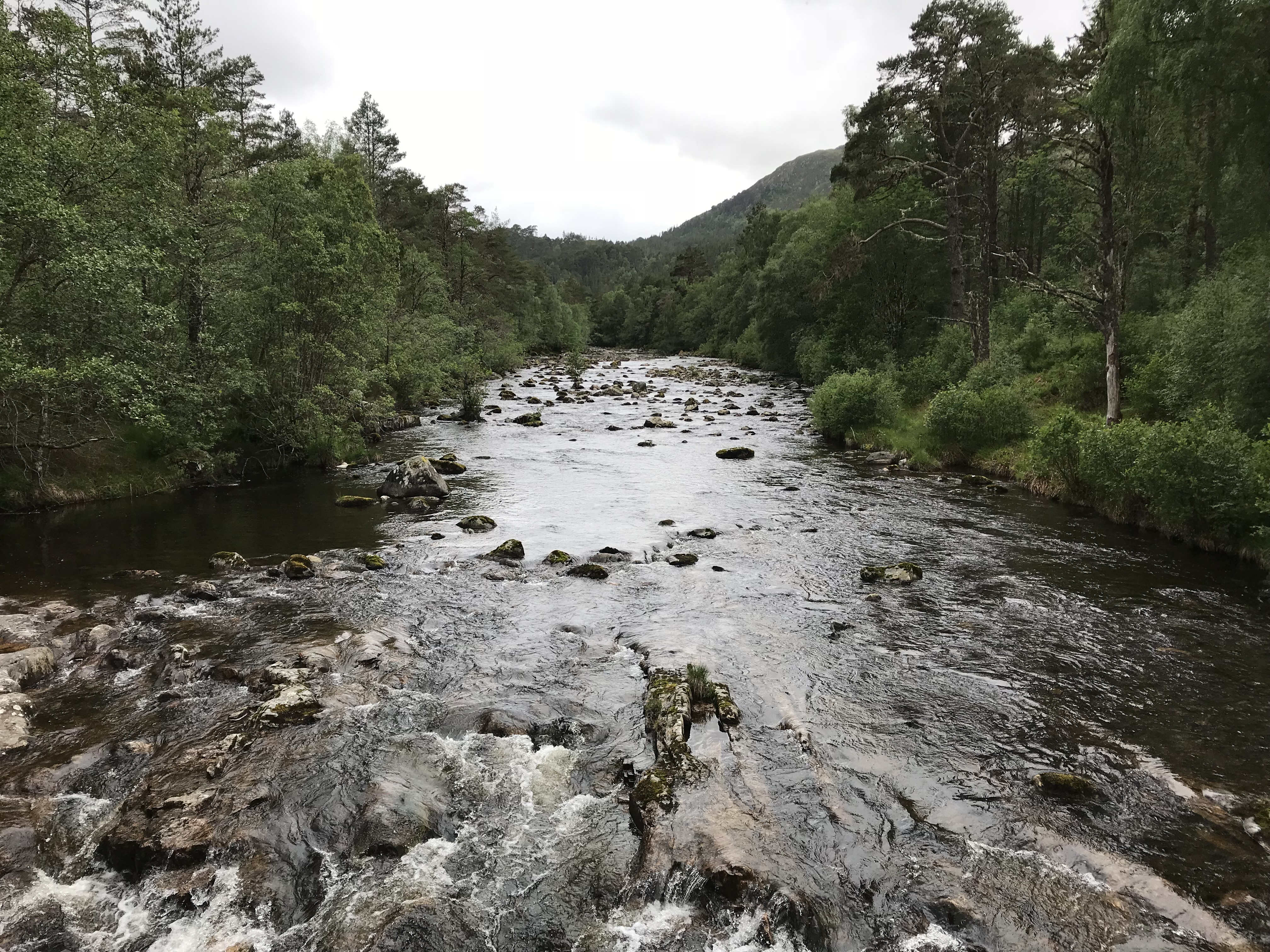
At Glen Affric Viewpoint near Cannich, we climbed a small hill to a lovely view over the water. The wooded landscape reminded me of the Outlander opening sequence, when Claire is pictured in a woodsy area overlooking a lake. I do not know that it was the filming location; it was simply the connection I made while standing there. Our stop was only about 15 minutes, but I could easily spend 1½–2 hours here and at Dog Falls with a less compressed schedule.
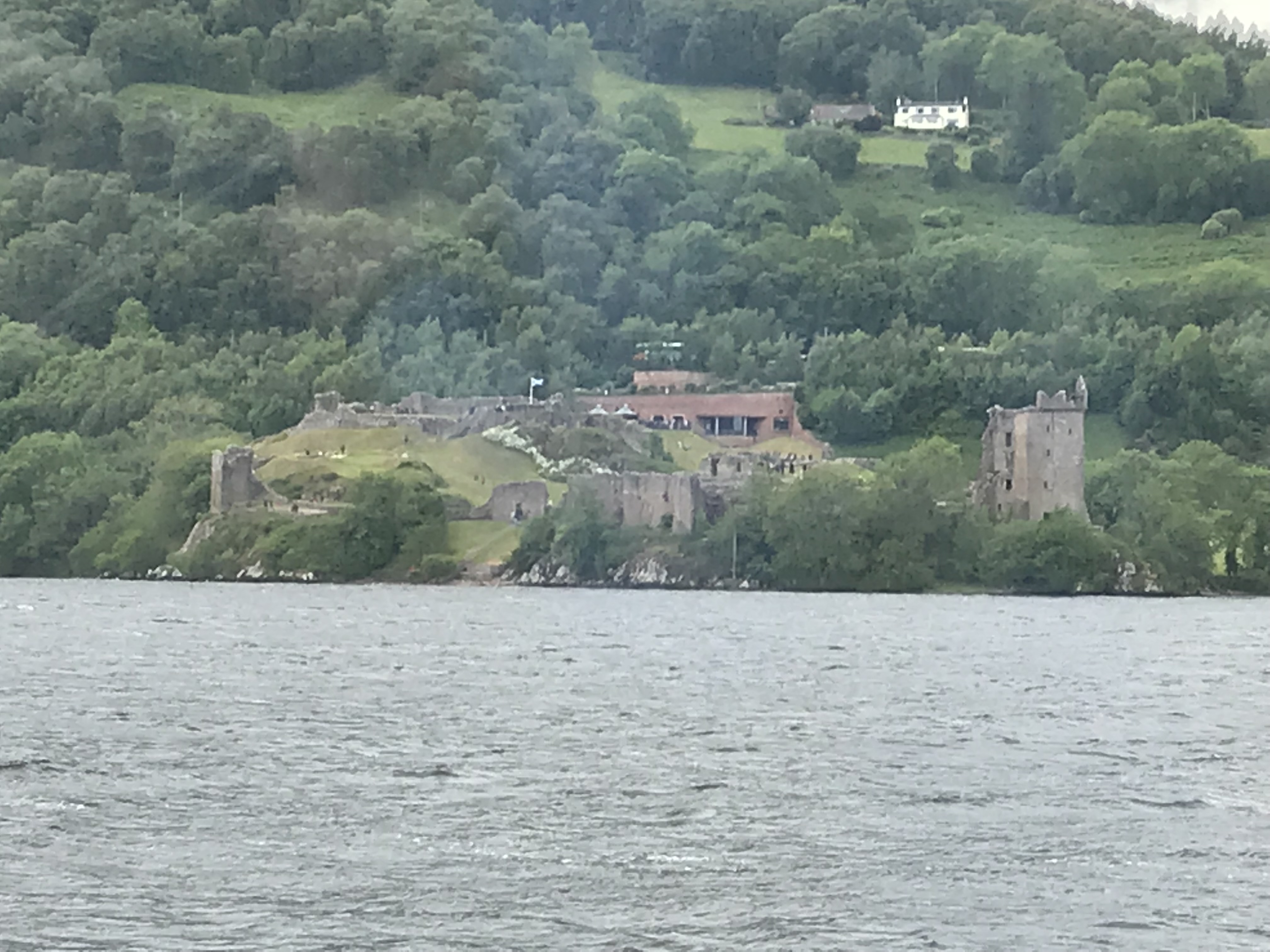
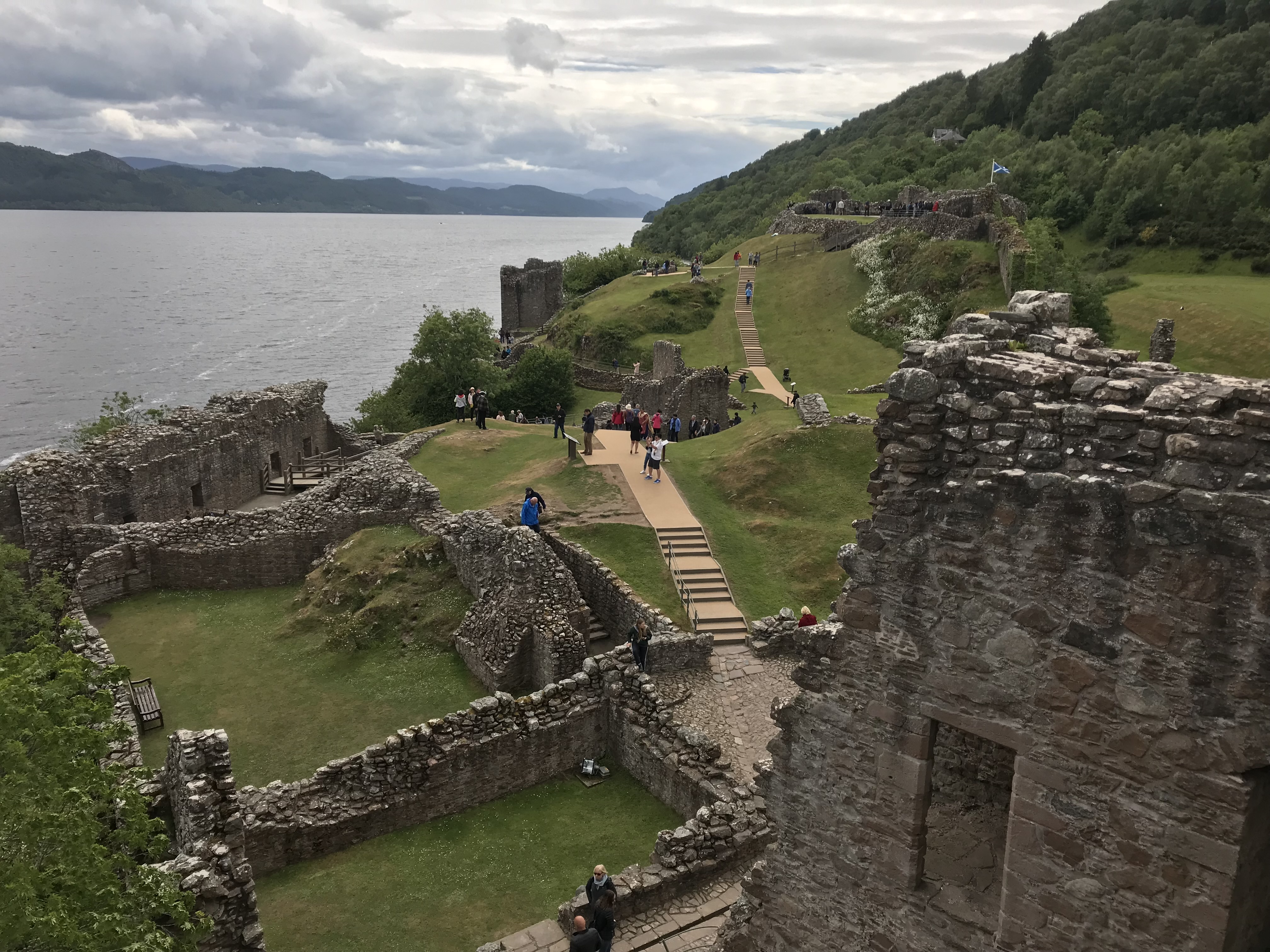
A Loch Ness cruise then gave us a different view of the Highlands, followed by Urquhart Castle on the loch’s edge. The ruins and water belong together; seeing one without the other would miss the point.
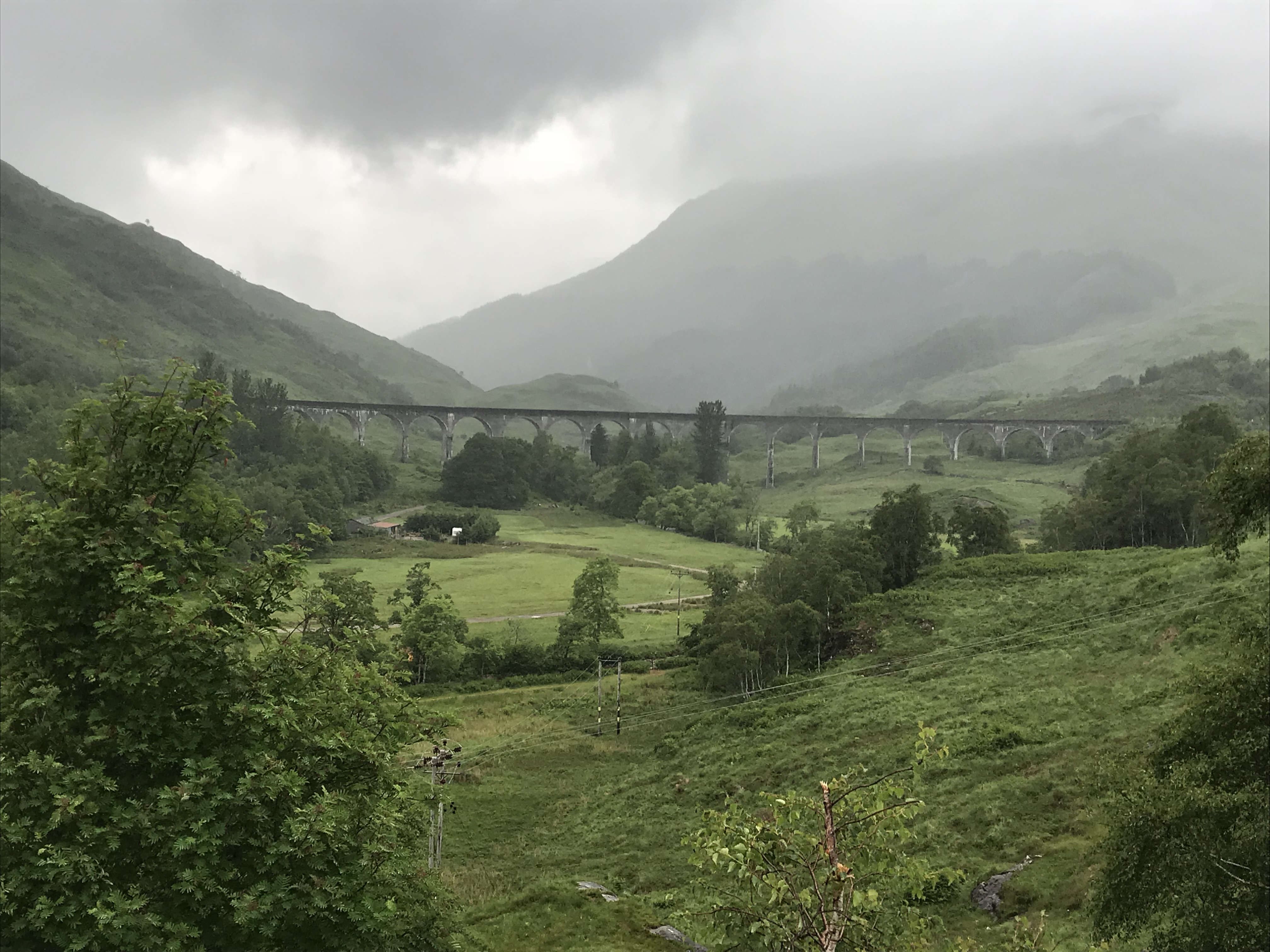
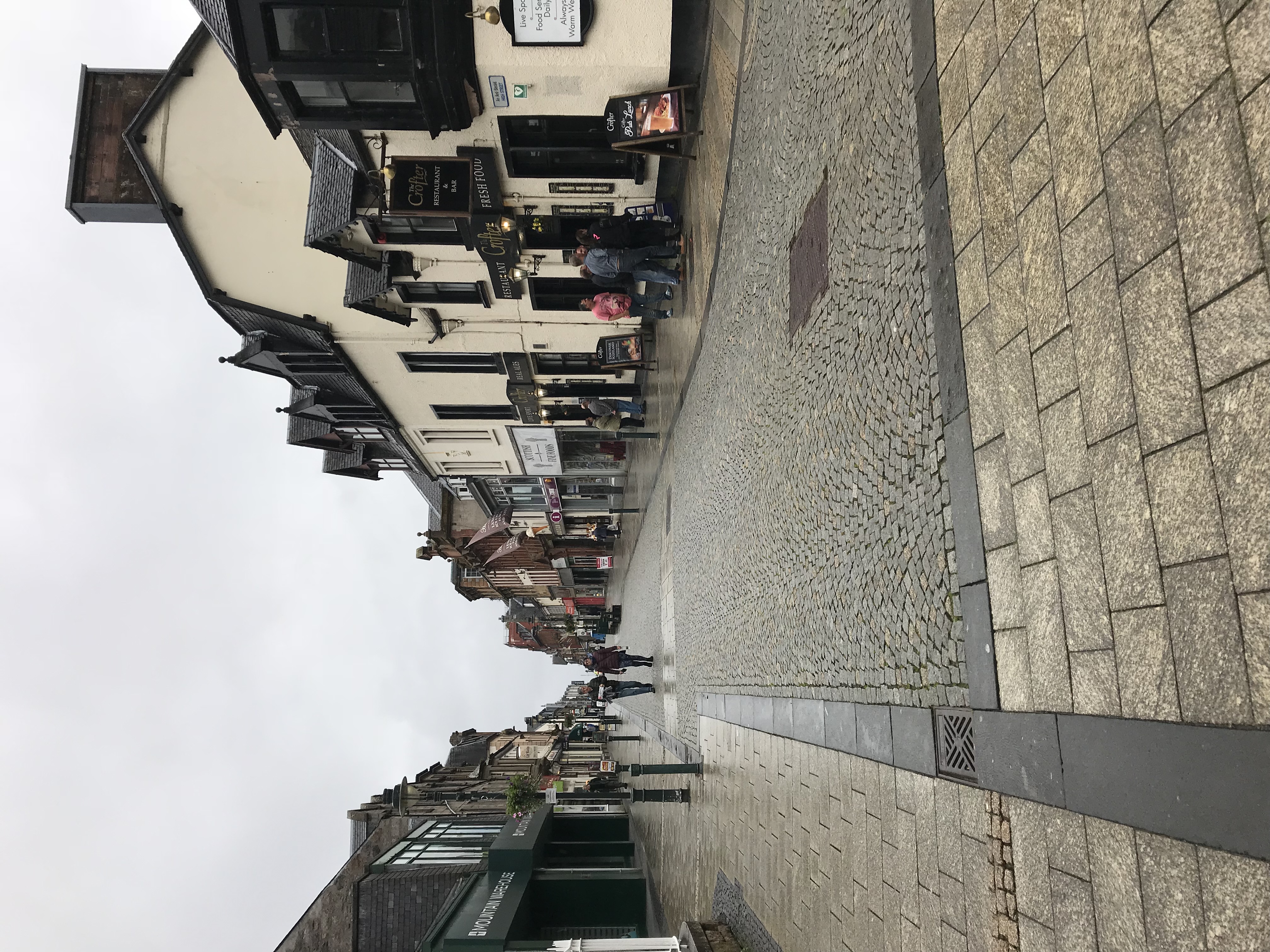
We continued to the Glenfinnan Viaduct and then Fort William, where we stayed at the Alexandra Hotel. Walking along Fort William High Street gave us a simple end to a full day, with the town opening toward Loch Linnhe and the surrounding hills.
Glen Affric Viewpoint and Dog Falls
- Location
- Glen Affric, near Cannich
- Outlander / filming connection
- The wooded view over the water reminded me of Claire in Outlander’s opening sequence; this is my visual association, not a verified filming-location claim.
- Historical context
- The Glen Affric Viewpoint was a landscape stop rather than a historic site. We continued from there to the woodland setting at Dog Falls.
- Estimated time
- Our stop was about 15 minutes; allow 1½–2 hours for a less rushed viewpoint and Dog Falls visit.
- Walking / accessibility
- We reached the viewpoint by climbing a small hill. The viewpoint and Dog Falls involve natural, uneven ground that may be muddy or slippery, so sturdy shoes are helpful. Allow more time than our brief stop if you prefer a slower walking pace.
- Best photo opportunity
- The lake view from Glen Affric Viewpoint, then the waterfall from the marked trail.
- Worth the detour?
- Yes as part of a Glen Affric route; the quieter landscape was part of its appeal.
- Angela’s Tip
- This is one of the places where my own memory of the series and the real landscape overlapped, even though I cannot claim it was the actual opening-sequence location.
Loch Ness cruise
- Location
- Loch Ness, south of Inverness
- Outlander / filming connection
- No essential filming connection; this is a classic Highlands experience in its own right.
- Historical context
- The loch is part of the Great Glen and is known worldwide for the Loch Ness Monster legend.
- Estimated time
- 1–2 hours
- Walking / accessibility
- Boat access varies by operator; confirm boarding steps, seating, and weather policies.
- Best photo opportunity
- The wake behind the boat with the long, dark water and Highland shore.
- Worth the detour?
- Yes for a first visit, especially when paired with Urquhart Castle.
- Angela’s Tip
- Bring a windproof layer. The temperature on the water can feel very different from the temperature at the dock.
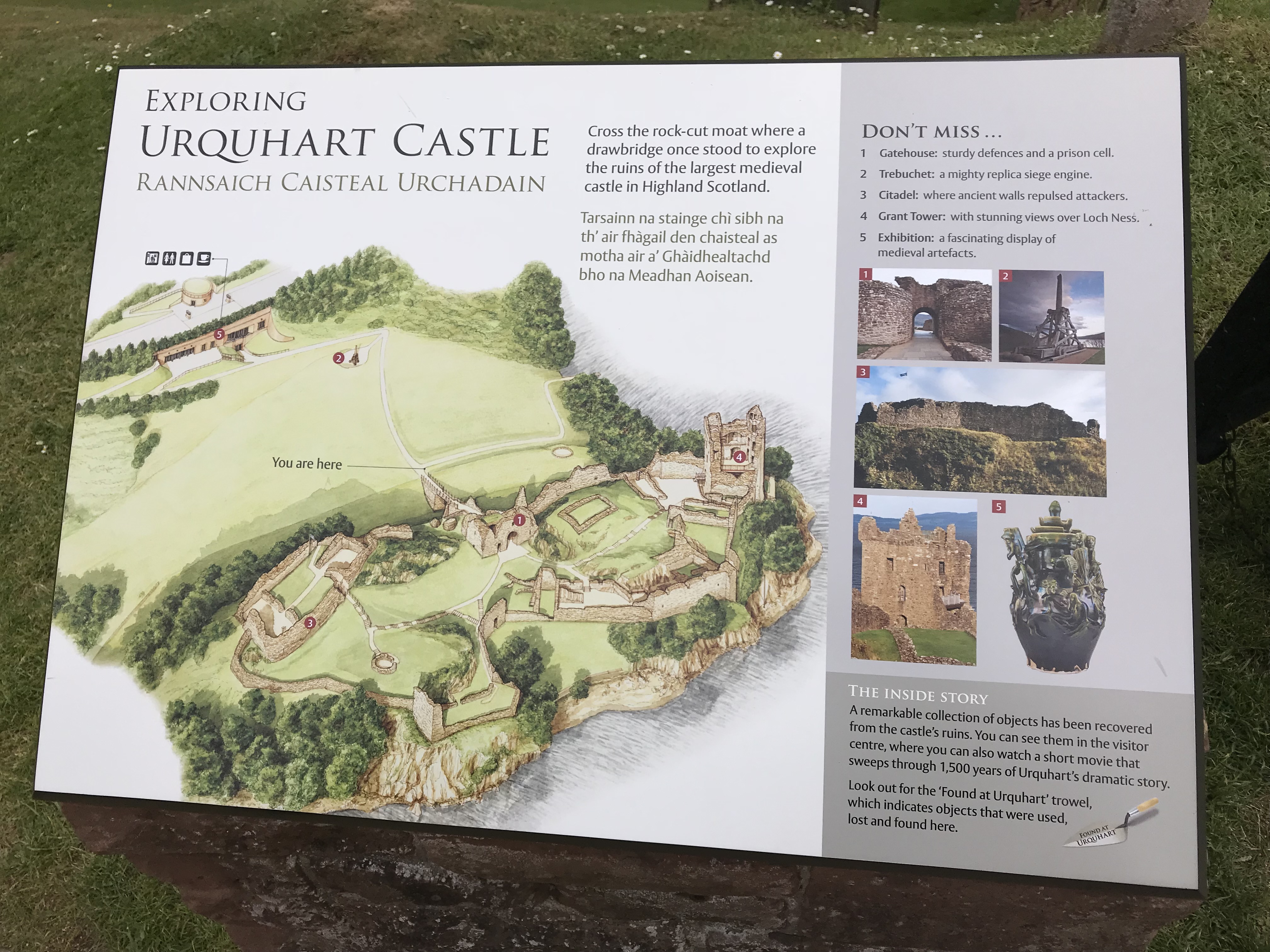
Urquhart Castle
- Location
- Drumnadrochit, on Loch Ness
- Outlander / filming connection
- No major Outlander filming role; its location gives the day a strong sense of place.
- Historical context
- A strategically placed medieval fortress with centuries of conflict around the Great Glen.
- Estimated time
- 1½–2 hours
- Walking / accessibility
- Steep slopes, steps, and uneven ruins; some viewpoints are easier than others.
- Best photo opportunity
- The Grant Tower ruins with Loch Ness behind them.
- Worth the detour?
- Yes, particularly as part of a cruise-and-castle combination.
- Angela’s Tip
- If you have limited mobility, look at the access information before choosing the cruise and castle sequence.
Glenfinnan Viaduct
- Location
- Glenfinnan, west of Fort William
- Outlander / filming connection
- Better known for the Harry Potter films than Outlander.
- Historical context
- The railway viaduct opened in 1901 and carries the West Highland Line.
- Estimated time
- 45–90 minutes
- Walking / accessibility
- The popular viewpoints require uphill walking on paths that may be muddy.
- Best photo opportunity
- The curve of the viaduct across the glen; train timing must be checked separately.
- Worth the detour?
- Yes for the landscape and railway engineering, not only the film connection.
- Angela’s Tip
- Do not build the day around an assumed steam-train time. Timetables and operations change.
Fort William
- Location
- Lochaber, at the foot of Ben Nevis
- Outlander / filming connection
- A useful Highlands base rather than a single Outlander sight.
- Historical context
- A town shaped by its position at the southern end of the Great Glen and beneath Britain’s highest mountain.
- Estimated time
- 1–2 hours for a High Street walk
- Walking / accessibility
- Town walking is generally straightforward, though weather and hotel location matter.
- Best photo opportunity
- Fort William High Street or a view toward Loch Linnhe.
- Worth the detour?
- Best as a base or natural route stop, not a rushed photo call.
- Angela’s Tip
- An evening walk helped me see the town beyond the hotel, even after a full day on the road.
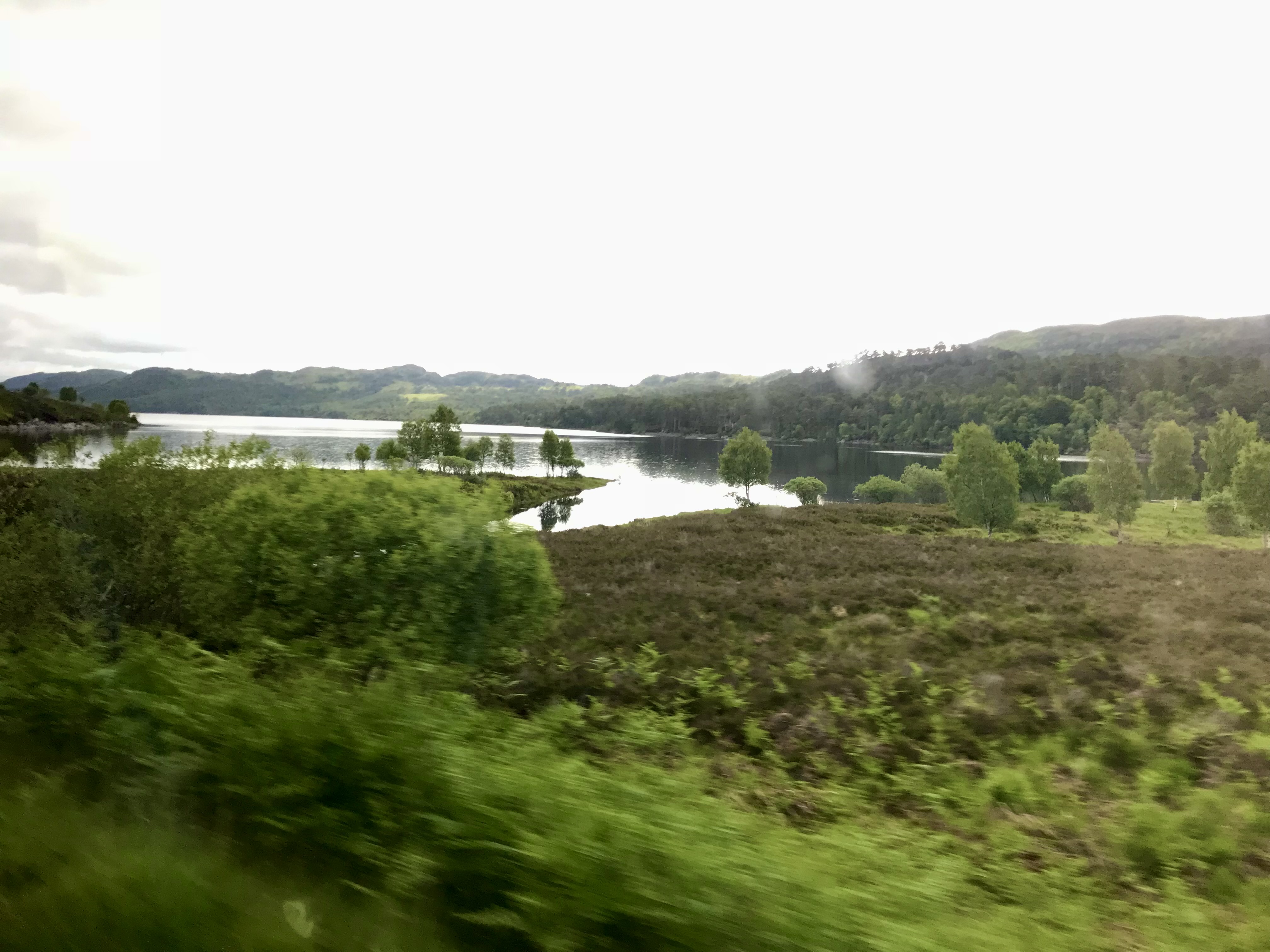
Video description: The view from our cruise boat moves across the dark water of Loch Ness toward the green Highland shoreline beneath an overcast sky.
Day 5: Glencoe, Doune Castle, and the return to Edinburgh
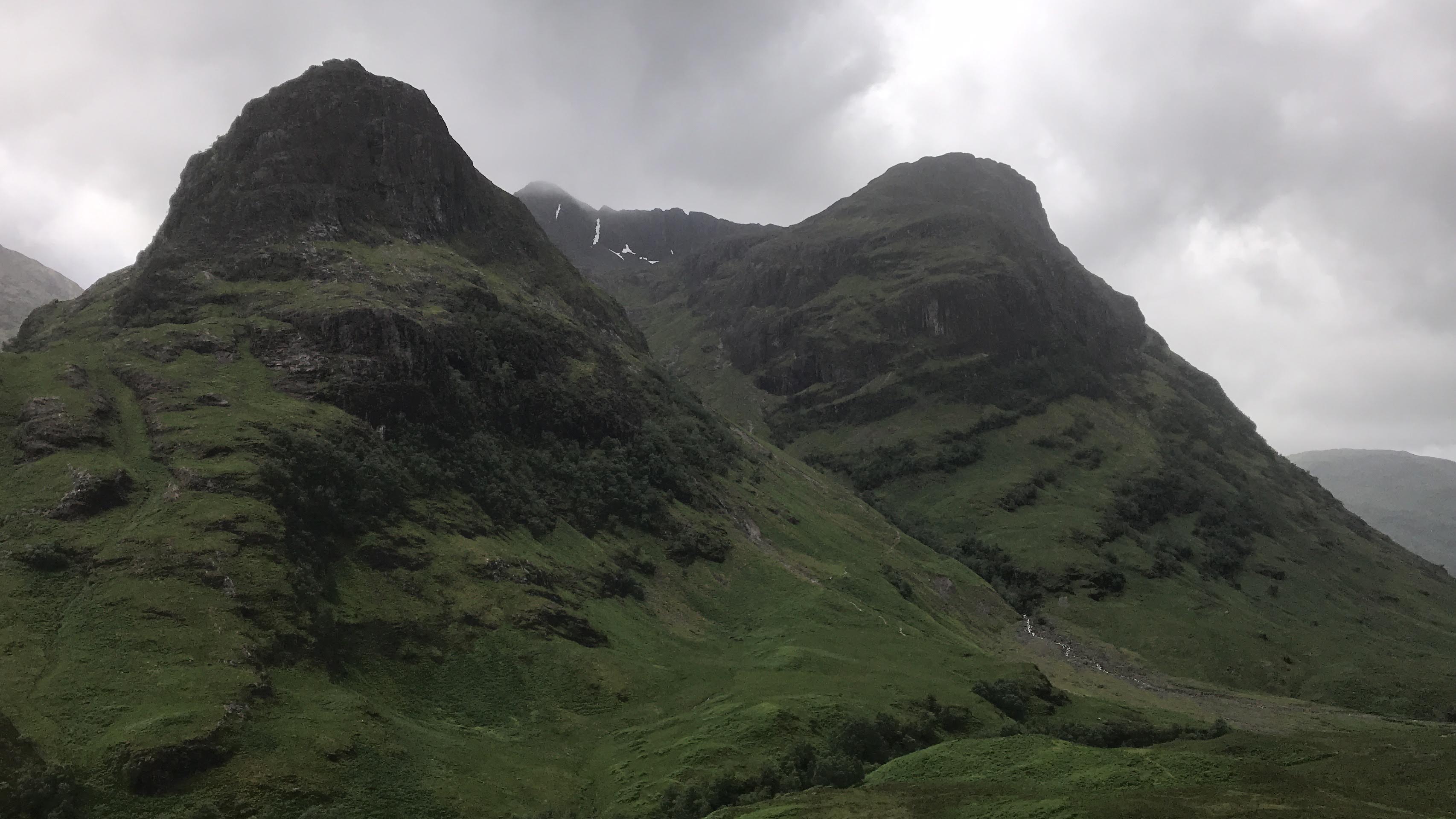
Our final touring day moved through the Ben Nevis area, Glencoe, and the Three Sisters. Glen Etive has a screen connection of its own through Skyfall, but the landscape did not need a film reference. This was the Highlands at a scale I had not understood before seeing it.
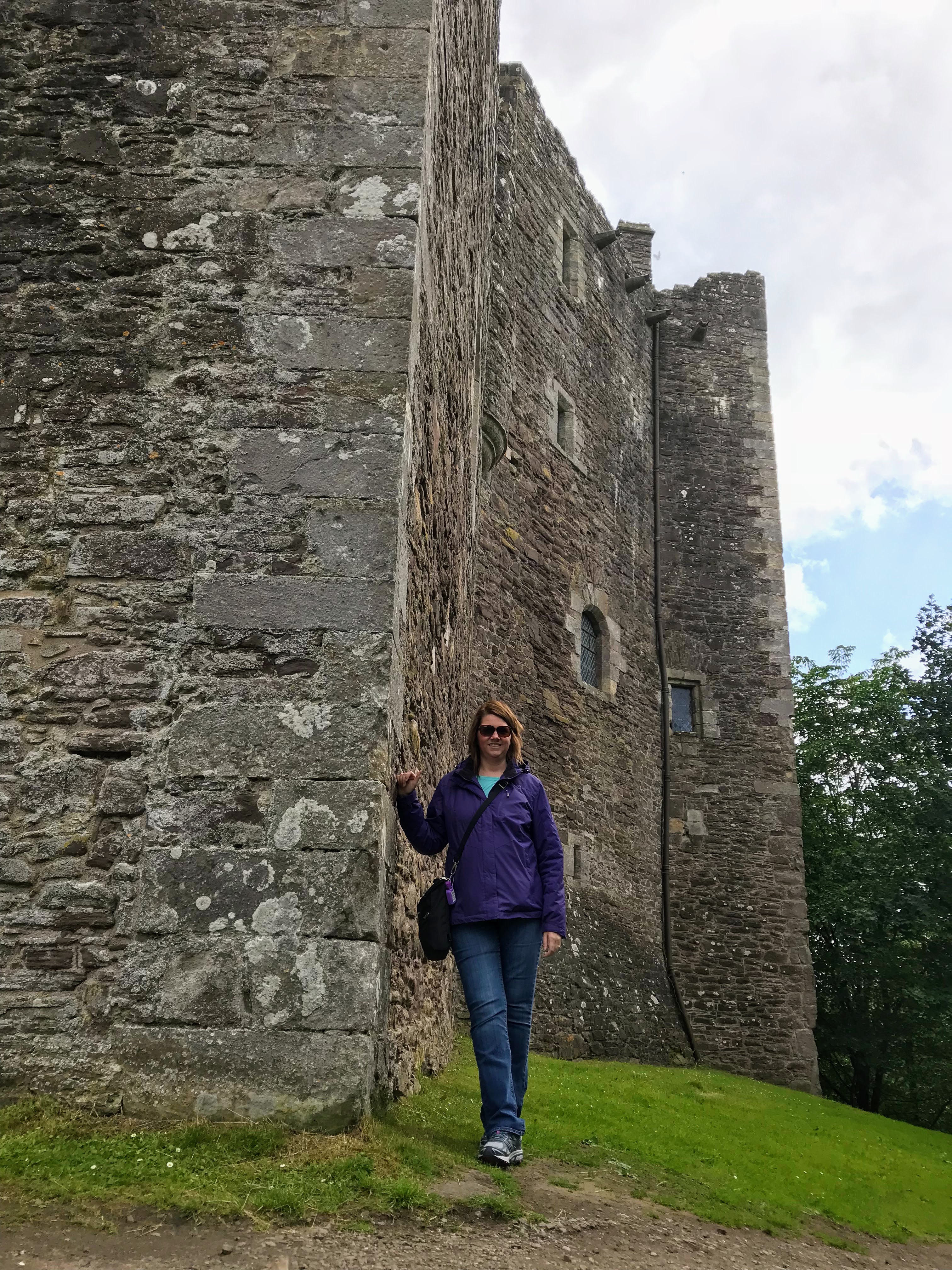
Right after the Glencoe mountain vistas, we visited Doune Castle. It was used extensively as Castle Leoch in Outlander, so this was not just one recognizable exterior. The castle gave us a much fuller sense of a place that had carried a large part of the story.
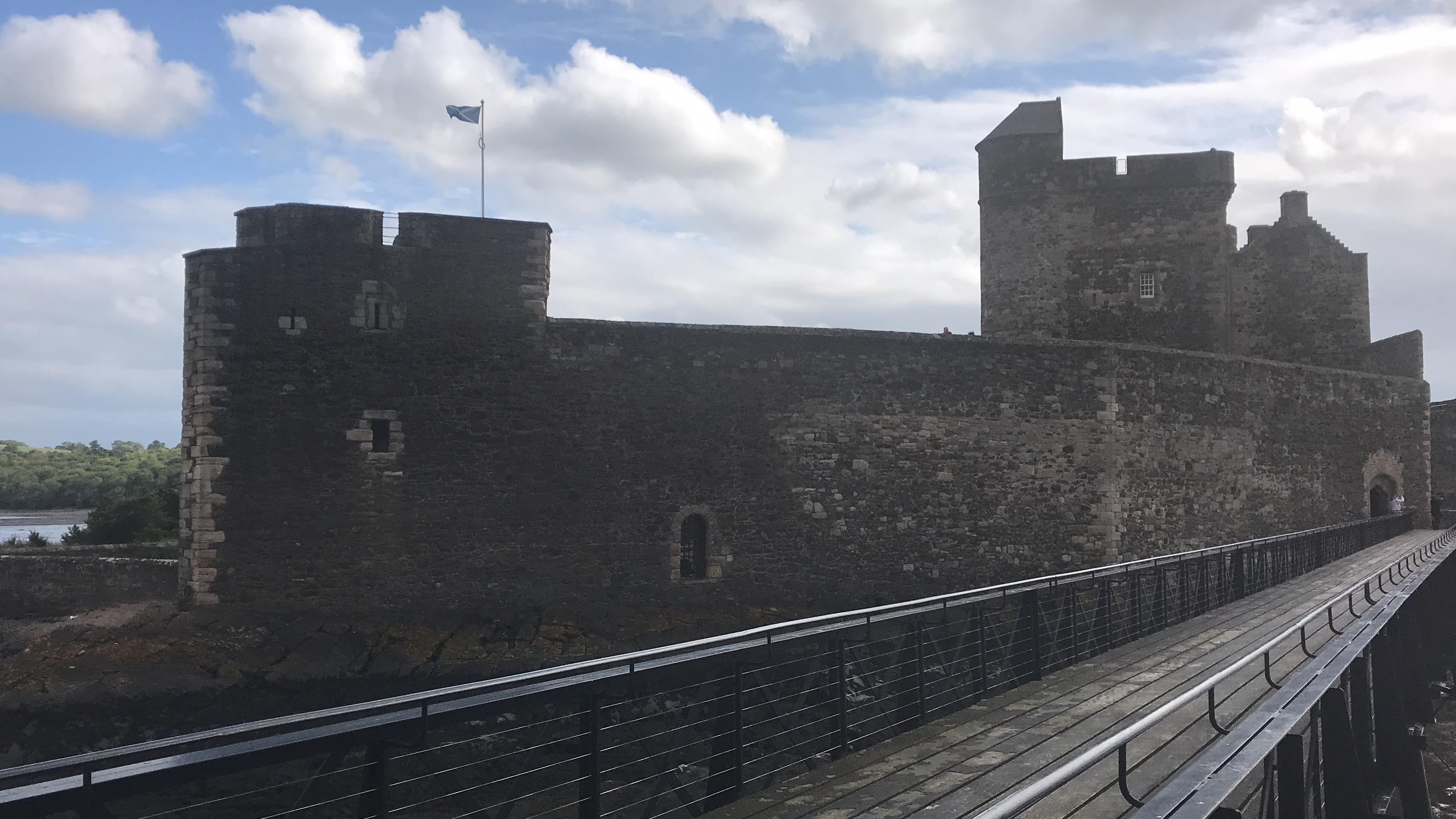
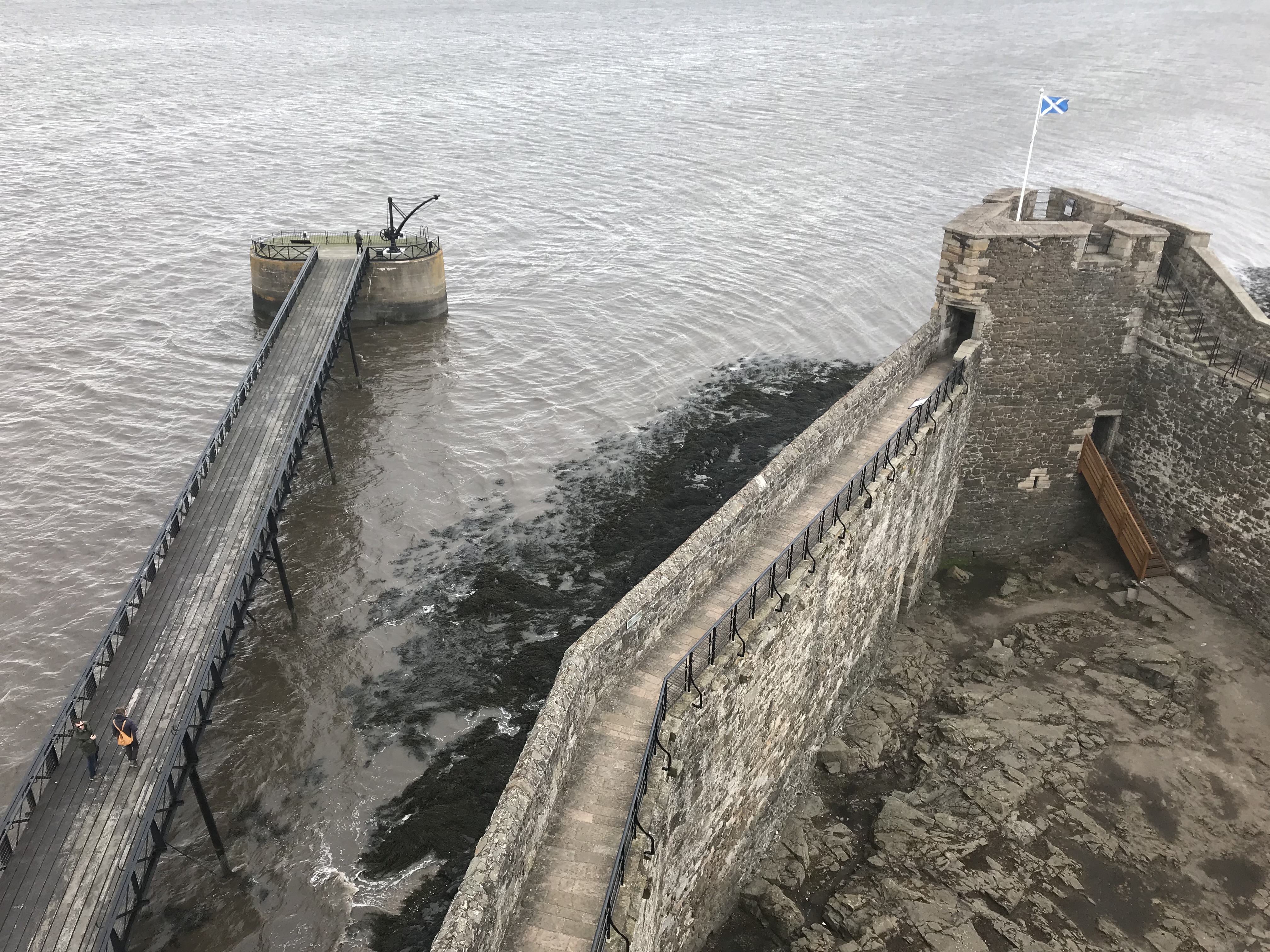
We continued toward Loch Lomond and Blackness Castle before returning to Edinburgh. Blackness became Fort William on screen.
We spent our final night in Edinburgh, then flew to London on Day 6.
Glencoe and the Three Sisters
- Location
- Glencoe, Scottish Highlands
- Outlander / filming connection
- The opening credits use Highland landscapes; the area captures the scale viewers associate with the series.
- Historical context
- The glen is also tied to the 1692 Glencoe massacre, a separate event from the Jacobite rising of 1745.
- Estimated time
- 1–2 hours across viewpoints
- Walking / accessibility
- Roadside viewpoints vary; trails range from short uneven paths to serious hikes.
- Best photo opportunity
- The Three Sisters from a safe designated viewpoint.
- Worth the detour?
- Without question. This was one of the places where Scotland stood completely on its own.
- Angela’s Tip
- Leave room for weather. Low cloud changes the view, but it can also make the glen feel more dramatic.
Doune Castle
- Location
- Doune, near Stirling
- Outlander / filming connection
- Used extensively as Castle Leoch, the seat of Clan MacKenzie, in Outlander’s first season.
- Historical context
- A late-14th-century castle whose surviving rooms and courtyard make the filming geography easier to recognize.
- Estimated time
- 1–1½ hours
- Walking / accessibility
- Historic stairs, uneven surfaces, and restricted access to some levels; check current guidance.
- Best photo opportunity
- The castle exterior and courtyard, using my portrait-oriented photograph.
- Worth the detour?
- Yes for Outlander viewers, and worthwhile for medieval architecture beyond the screen connection.
- Angela’s Tip
- Because so much of Castle Leoch was filmed here, this felt more substantial than a quick exterior stop.
Blackness Castle
- Location
- Blackness, near Linlithgow
- Outlander / filming connection
- Used as Fort William in Outlander.
- Historical context
- A 15th-century fortress on the Firth of Forth, often called the ship that never sailed because of its shape.
- Estimated time
- 1–1½ hours
- Walking / accessibility
- Rough cobbles, uneven rock, steep paths, and many historic stairs.
- Best photo opportunity
- The castle’s long, ship-like profile beside the water.
- Worth the detour?
- Yes for filming interest, architecture, and the waterside setting.
- Angela’s Tip
- Good footwear matters here. The stone and cobbles can be slippery when wet.
The Jacobite history behind the story
The Jacobites supported the return of the exiled House of Stuart to the thrones of Britain. The name comes from Jacobus, the Latin form of James, and the cause began after the Catholic Stuart king James VII of Scotland and II of England was removed in 1688.
Charles Edward Stuart—Bonnie Prince Charlie—led the rising of 1745 on behalf of his father. His army advanced into England, turned back at Derby, and eventually faced government forces commanded by the Duke of Cumberland at Culloden on 16 April 1746. The Jacobite defeat came in less than an hour and was followed by brutal reprisals and laws that targeted elements of Highland culture and power.
Outlander places fictional characters inside this real conflict. The rising, Prince Charles, Culloden, and many political pressures are historical. Claire and Jamie Fraser’s attempts to change events are fiction. The series can make the period emotionally approachable, but it should be a doorway into the history—not a replacement for it.
What surprised me
- Jet lag had more power than my preparation. Knowing the advice did not make my body cooperate.
- The Highlands were larger than I had imagined. A map does not communicate how a glen opens or how long the landscape holds your attention.
- Culloden felt heavier than I expected. It stopped being plot background and became a place of real loss.
- The trip quickly stopped being only about Outlander. Scotland became the subject.
- The smaller stops mattered. Waterfalls, villages, a mausoleum, and stories told between landmarks gave the route texture.
What I would do differently
I would add at least one more full day in Edinburgh and seriously consider arriving earlier before beginning the Highlands tour. An overnight flight, a connection, and a new time zone can consume more of the first day than an itinerary admits.
I would treat arrival as recovery time, avoid overpacking the first day, and move anything I would be disappointed to miss to a later date. That single adjustment would have made the trip feel more generous without changing the Highlands route at all.
Planning estimates
Suggested time at each attraction
These are editorial planning estimates, not official operating guidance. Allow extra time for parking, tickets, weather, restrooms, mobility needs, and the pace of your group.
Keep exploring Scotland
More stories from this journey
Continue with the detailed guides from our route, including the places, history, and experiences that shaped the journey.
Frequently asked questions
Planning this Scotland itinerary
Is this itinerary only for Outlander fans?
No. Outlander gave my husband and me the idea, but the route works because of the Highlands, the history, and stops such as Culloden, Loch Ness, Glenfinnan, and Glencoe. A non-viewer should still have plenty to enjoy.
Is Rabbie’s worth it?
It was worth it for me because I wanted a small group, a driver who knew the roads, and a guide who could add history, stories, legends, and local context. It is still a structured tour, so travelers who want complete control over every stop may prefer a car or private driver.
Is it better to rent a car or take a tour?
That depends on your comfort with left-side driving, narrow roads, navigation, parking, and changing weather. A car offers flexibility. A small-group tour let me look out the window instead of concentrating on the road.
How many days do you need for Edinburgh and the Highlands?
I would now allow at least two full days in Edinburgh before or after a multi-day Highlands route. Six days gave us a strong introduction, but another recovery and city day would have made the trip feel less compressed.
How much walking is involved?
The itinerary can be moderate, but several stops have uneven ground, slopes, cobbles, or stairs. Culloden, Clava Cairns, Glen Affric Viewpoint and Dog Falls, Urquhart Castle, Glenfinnan, Doune Castle, and Blackness Castle deserve an individual accessibility check.
Can you visit Midhope Castle?
Yes, when Hopetoun Estate permits access, but it is private property on a working farm rather than a conventional castle attraction. Access can be restricted for filming, farming, estate activity, or events. The ordinary visitor experience is limited to the front and exterior, with no toilets or catering at the castle. Check Hopetoun Estate’s current ticket and access guidance immediately before visiting.
Is Culloden suitable for children?
Families can visit, but the museum and battlefield deal with violence, death, and the consequences of war. I would consider a child’s age and sensitivity and prepare them for the subject rather than treating it as a light filming stop.
What is the best time of year for this trip?
We traveled June 13–18, close to the summer solstice. Edinburgh had roughly 17½ hours between sunrise and sunset, with even longer days farther north, and the lingering twilight made full touring days easier. A winter version needs a different pace: much shorter daylight limits how many outdoor stops fit comfortably, while snow, ice, rain, and wind can affect Highland roads, trails, viewpoints, cruises, and attraction access. I would build in more flexibility, confirm seasonal opening hours, and avoid assuming the June itinerary can be repeated stop for stop in winter.
Can this itinerary be done in reverse?
The broad loop can be adapted, but timed entries, boat schedules, hotel availability, and tour routing determine what is practical. I would not reverse it stop by stop without rebuilding the daily timing.
What would I change about the trip?
I would arrive earlier, protect recovery time after the overnight flight, add at least one full Edinburgh day, and keep the arrival day intentionally light.
Outlander opened the door. Scotland stood on its own.
I will always enjoy recognizing a courtyard, a castle wall, or a landscape connected to a story I loved. But when I think about this trip, I do not think first about recreating a scene. I think about the River Ness, the silence at Culloden, the road through Glencoe, and how grateful I was to watch the Highlands unfold without having to keep my eyes on the road.
Outlander inspired the journey. Scotland became the reason it was unforgettable—and it stood beautifully on its own.