Personally Experienced · Last verified 2026-07-28
Explore Europe
Quick Take
A solemn Highland visit where the real history must come first
- Our visit
- June 2018
- Allow
- At least two hours
- Pair it with
- Clava Cairns
- Remember
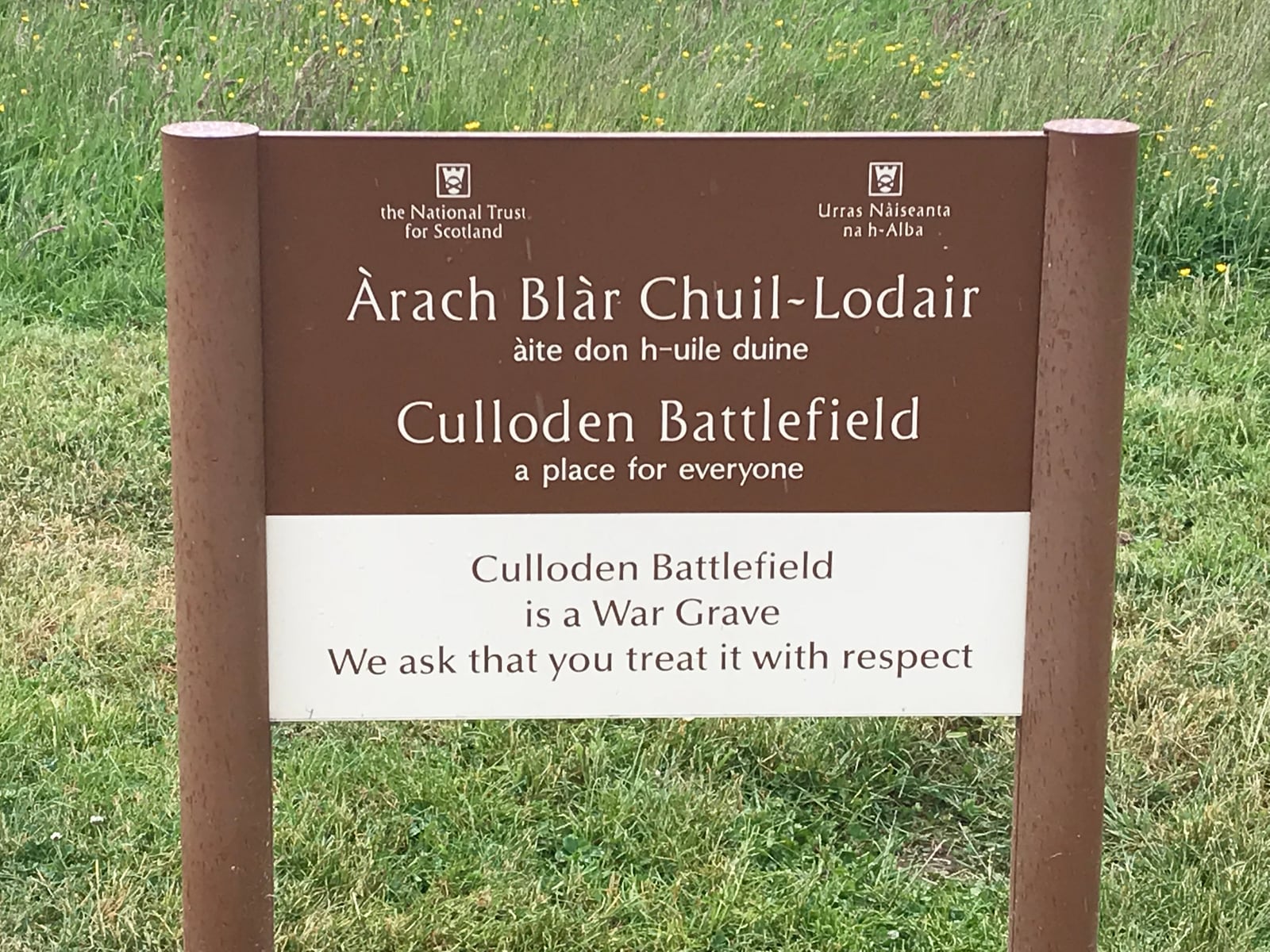
- Culloden is a war grave
I arrived at Culloden because of an Outlander-inspired journey through Scotland. I left thinking much less about the television series and much more about the people whose lives ended on this moor.
Culloden was not a lighthearted filming-location stop. The visitor center explained the decisions, divisions, and desperate conditions that led to the battle. Walking onto the field afterward made the loss feel immediate in a way that a book or television screen never could.
If Outlander is what first makes you curious about Culloden, let it open the door. Then give the real history—and the battlefield itself—the attention it deserves.
Why Culloden matters
The Battle of Culloden took place on April 16, 1746. Jacobite forces led by Charles Edward Stuart, better known as Bonnie Prince Charlie, faced the government army commanded by the Duke of Cumberland.
The Jacobites were attempting to restore the exiled Stuart monarchy to the British throne. By the time they reached Culloden, however, many were exhausted, hungry, and scattered after an unsuccessful overnight march. The government army was better rested, better supplied, and positioned to meet the Jacobite attack.
The battle lasted less than an hour. Approximately 1,600 men were killed, most of them Jacobites. The defeat ended the Jacobite rising of 1745 and was followed by severe reprisals and political measures that changed life across the Highlands.
It is tempting to reduce the conflict to “Scotland against England,” but the history was much more complicated. Scots fought on both sides. Political interests, religious loyalties, family relationships, and competing ideas about the monarchy all shaped the conflict.
The connection to Outlander
Culloden plays a central role in the second season of Outlander. Claire and Jamie Fraser are fictional, but the political pressures surrounding them, Bonnie Prince Charlie, the Jacobite rising, and the battle itself are rooted in history.
That connection can make the period emotionally approachable. It can help viewers recognize names and arrive wanting to learn more. But the television story should remain a doorway into Culloden—not a replacement for understanding what happened there.
Once I entered the museum, I stopped thinking about how the battle affected fictional characters. I began thinking about the real people who stood on the field, the conditions they faced, and the families who lived with the consequences.
Begin inside the visitor center
I recommend visiting the museum before walking onto the battlefield.
The exhibition explains the rising from both sides of the conflict and uses artifacts, archaeological discoveries, maps, and audiovisual interpretation to establish what led to the confrontation. Its immersive battle theater is intense, but it helps communicate how quickly the fighting unfolded and how chaotic it must have been.
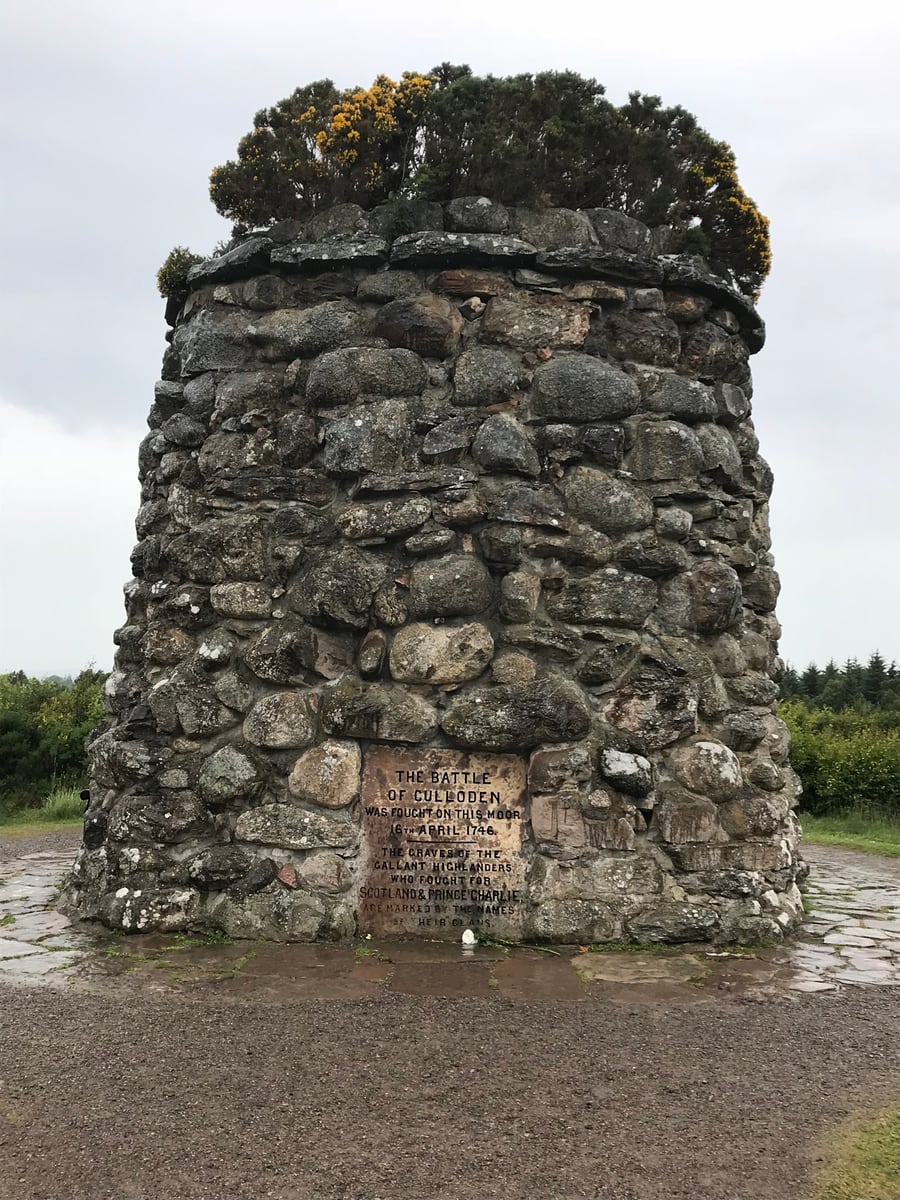
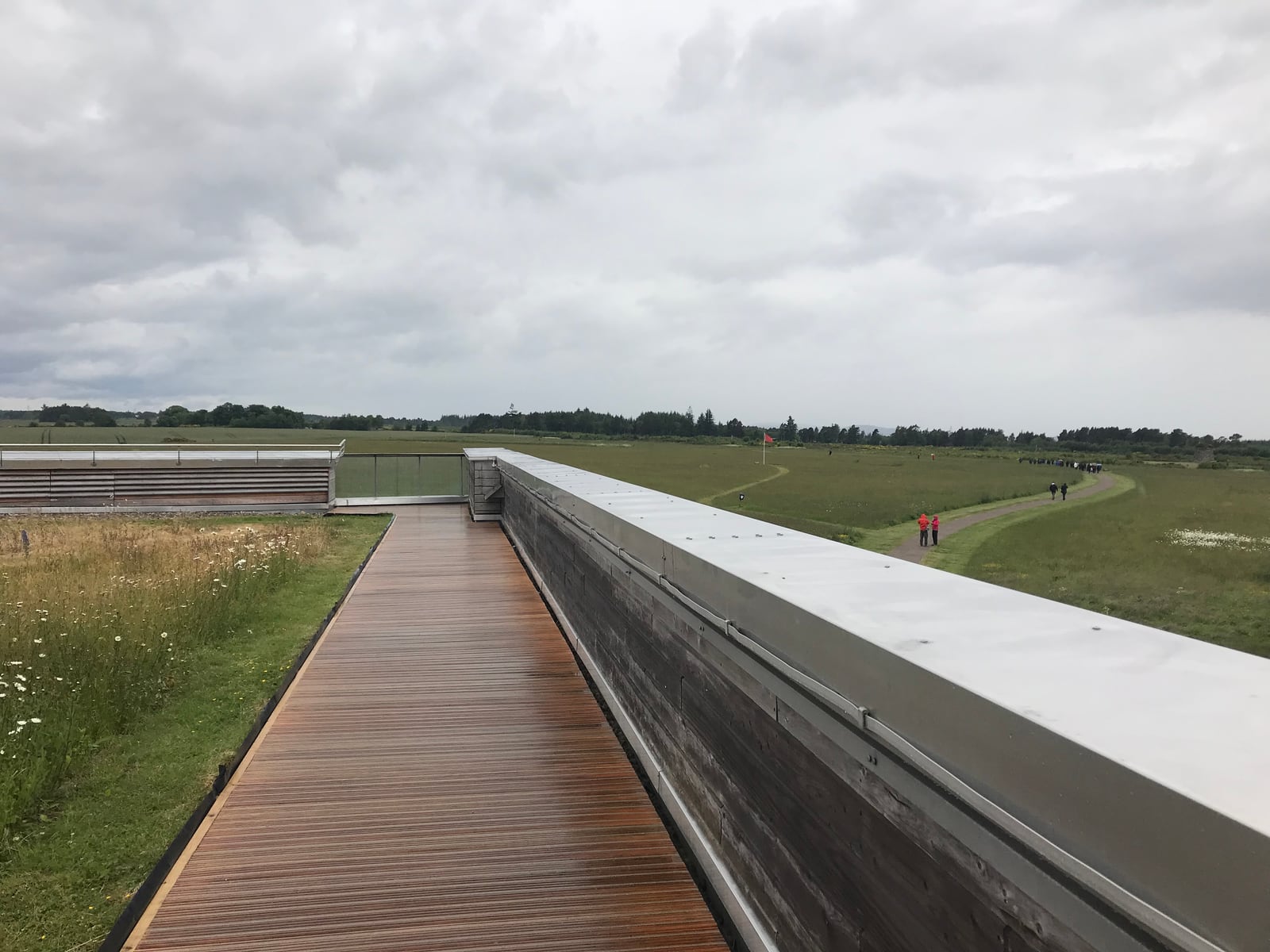
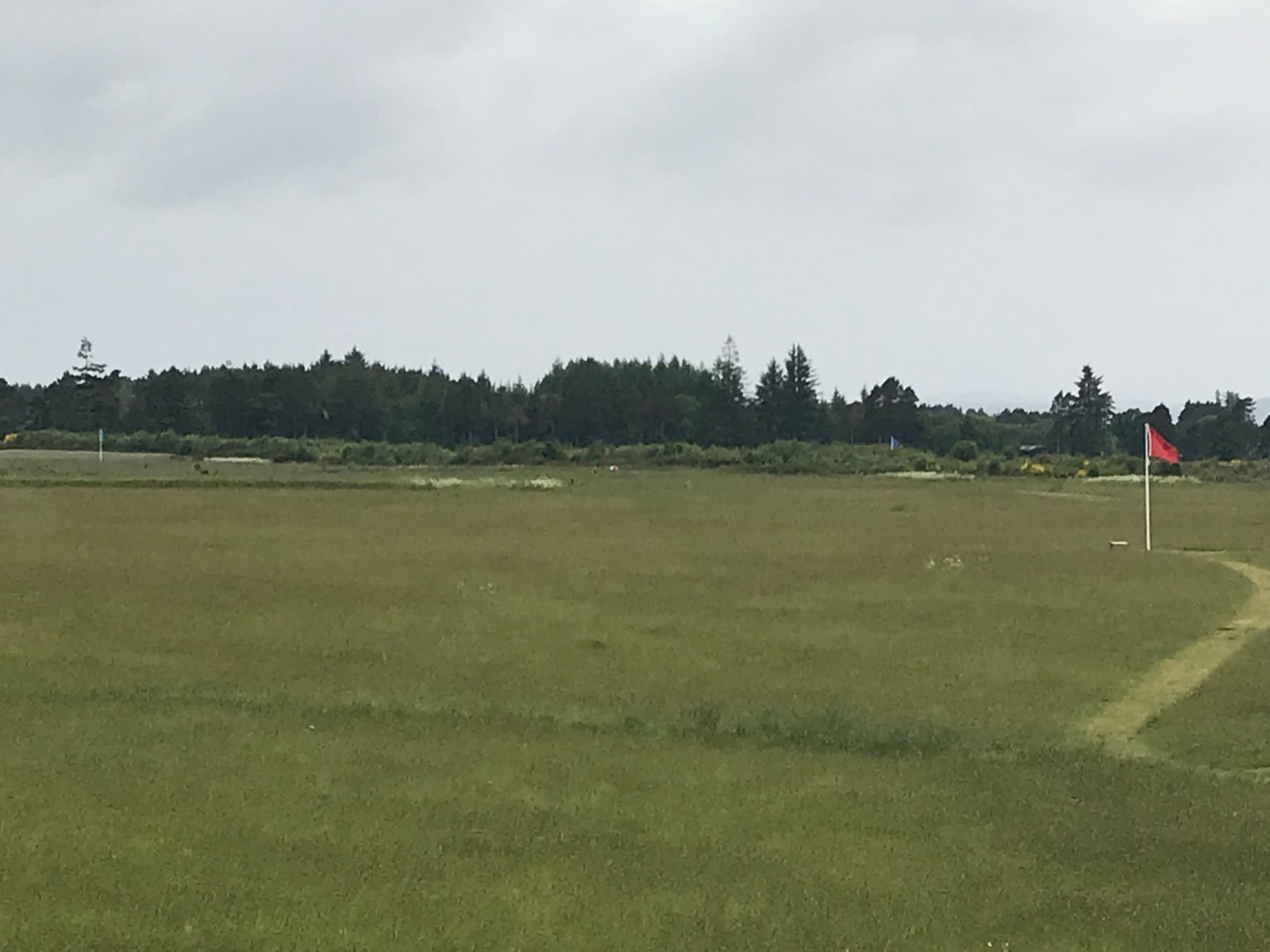
Learning the history indoors gives meaning to what you encounter outside. The flags marking the opposing battle lines, the memorial cairn, the clan stones, and the openness of the moor become much more than isolated things to photograph.
If you walk the field first, you may understand where you are. If you visit the museum first, you are more likely to understand what happened there.
Walking Culloden Battlefield
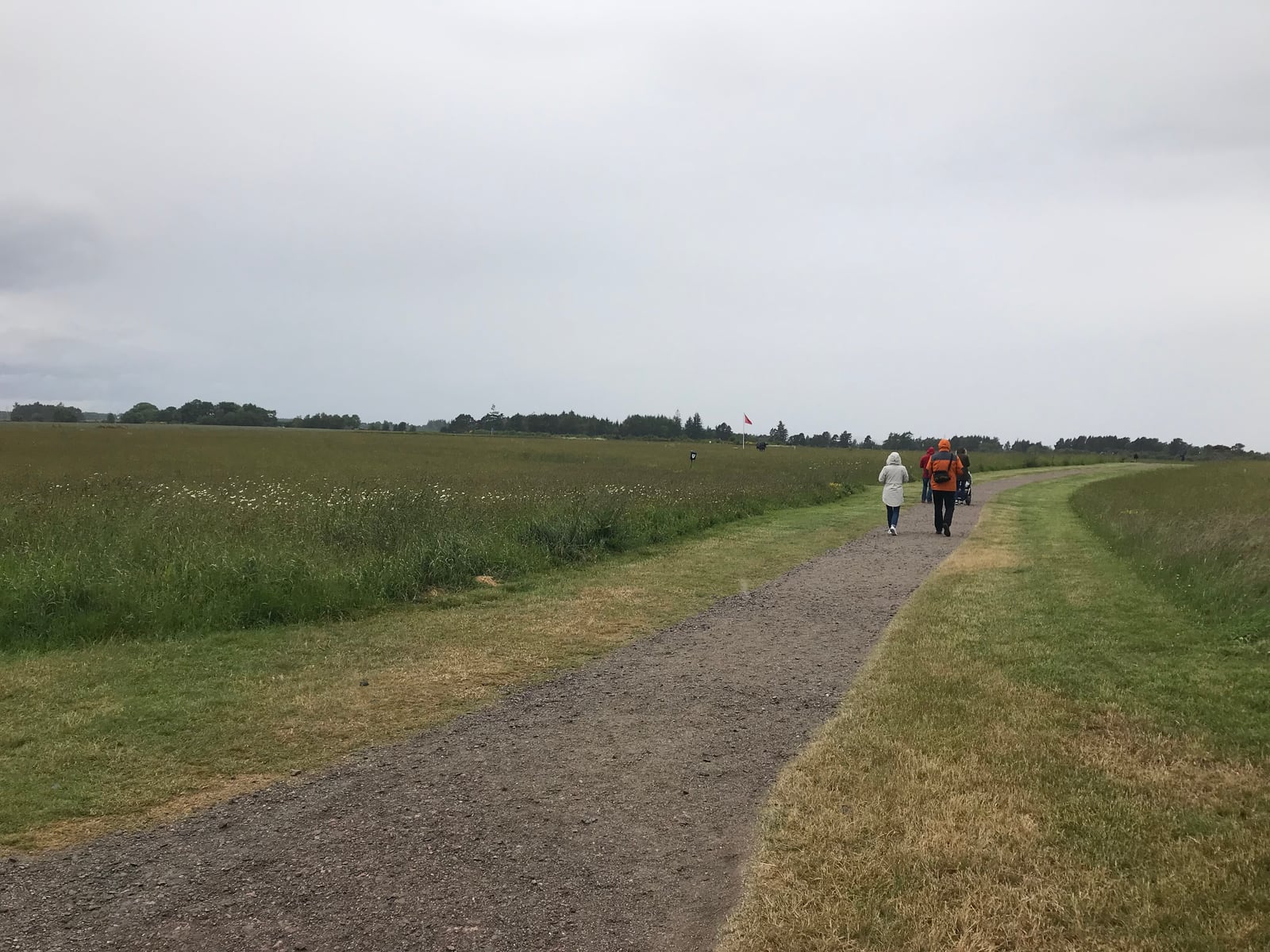
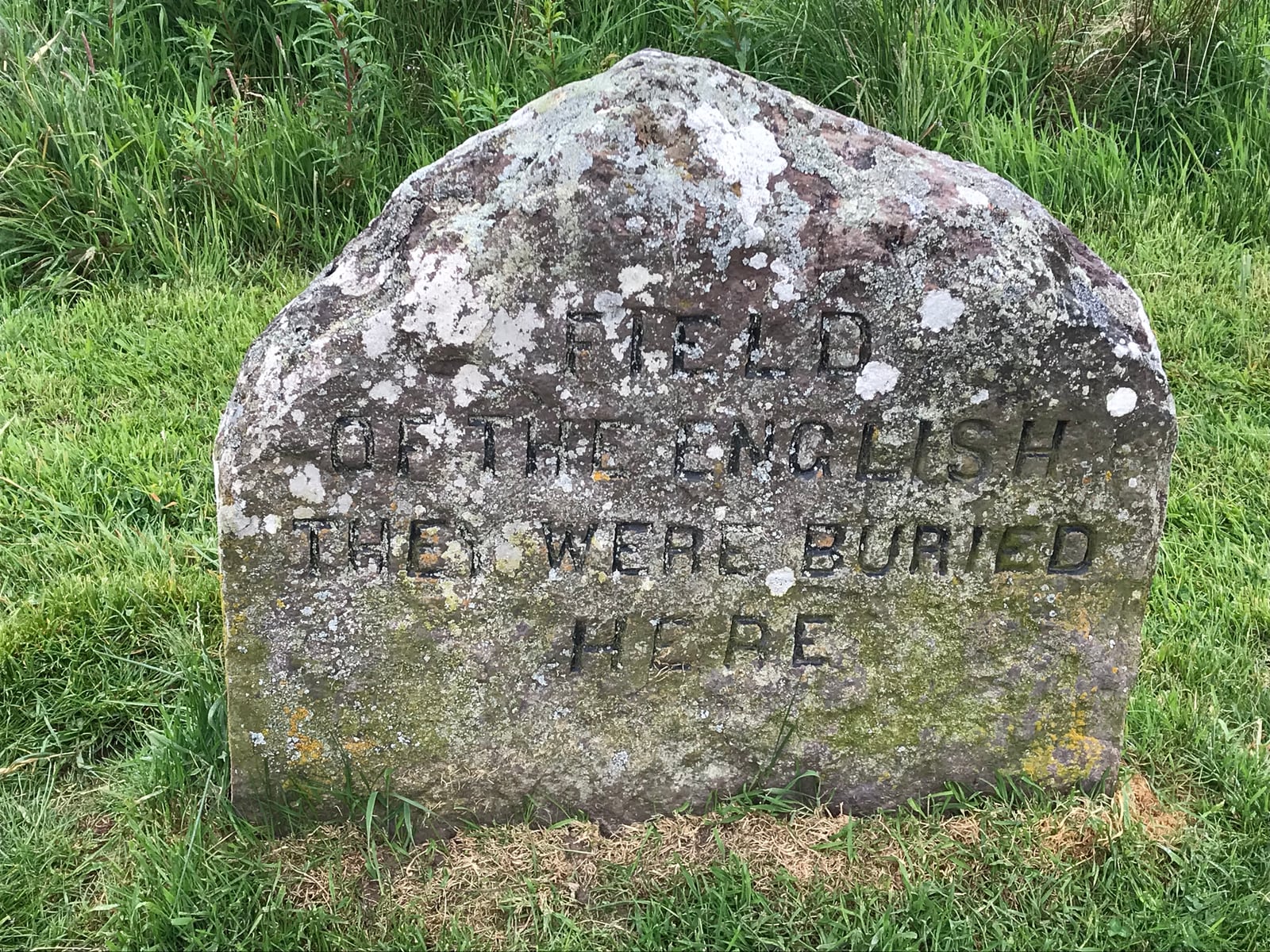
The battlefield is open, exposed, and quieter than the visitor center. Markers identify the positions of the two armies, while paths lead toward the memorial cairn, clan stones, grave markers, and Leanach Cottage.
This is not a place I would rush.
The field may initially look like an uncomplicated stretch of moorland. Once you understand the movements of the armies and the scale of the losses, however, the landscape feels very different. Standing where the battle occurred gave the history a weight I had not anticipated.
The clan stones and burial areas deserve particular respect. Culloden is a visitor attraction, but it is also a grave site and a place of remembrance. Photographs should be taken thoughtfully, voices kept at a considerate level, and marked paths and protected ground respected.
How much time should you allow?
Allow at least two hours for the museum and battlefield together. Travelers with a strong interest in Jacobite or Highland history could comfortably spend three to four hours.
Plan roughly 60 to 90 minutes inside the museum and another 45 to 75 minutes walking the battlefield. Add more time for a guided tour, the viewing platform, the café, or quiet reflection at the memorials.
Our organized tour kept us moving on a set schedule. If I returned independently, I would allow more time and avoid placing another time-sensitive attraction immediately afterward.
What to wear and bring
Culloden Moor is exposed, and Highland weather can change quickly. Even when Inverness feels comfortable, the battlefield may be windy, wet, or colder than expected.
Bring a waterproof or wind-resistant outer layer, shoes suitable for wet or muddy paths, water, and enough time to walk at your own pace.
The modern visitor center has level access to its primary facilities. Battlefield paths have hard surfaces and slopes, but wet weather can make portions muddy or more difficult for wheelchair users. Wheelchairs can be requested at the welcome desk, and benches are available along the trail. Travelers with specific mobility needs should check the National Trust for Scotland’s current accessibility guidance before visiting.
Getting to Culloden
Culloden is approximately five miles east of Inverness, making it an easy addition to an Inverness-based itinerary.
Visitors can arrive by car, organized tour, public transportation, bicycle, or on foot. Parking is available, although the lot may become busy during peak periods. If you are not driving, check current transportation schedules rather than assuming service will align with the visitor center’s opening hours.
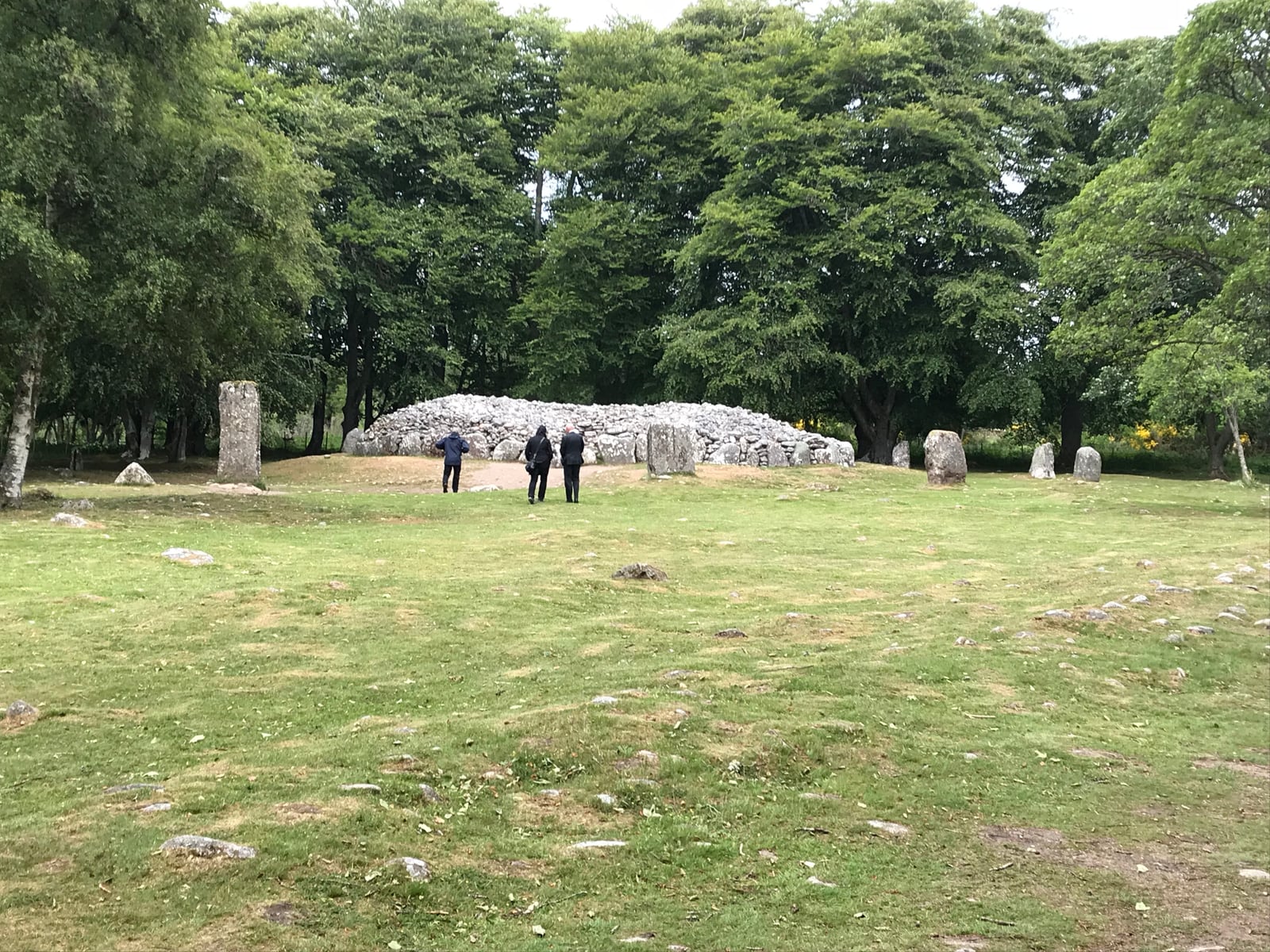
The battlefield and nearby Clava Cairns are often combined because they are close together, but they are very different experiences. Culloden is tied to an 18th-century battle and profound human loss. Clava Cairns is a prehistoric burial complex whose standing stones invite an imaginative Outlander connection but were not used as Craigh na Dun.
I would visit Culloden first, then allow the quieter ancient setting at Clava Cairns to change the tone of the day.
Check current visitor information
Opening times, admission charges, guided-tour schedules, parking conditions, and temporary access notices can change. Check the official National Trust for Scotland Culloden page shortly before your visit instead of relying on prices or hours saved from an older itinerary.
At the time this guide was researched, the visitor center included a museum, immersive theater, café, shop, viewing platform, and access to the battlefield. The outdoor battlefield was open daily, while the visitor center followed seasonal operating hours.
Is Culloden worth visiting if you do not watch Outlander?
Absolutely.
Outlander may provide an emotional entry point, but Culloden’s importance stands entirely on its own. The museum provides valuable context about the Jacobite rising, while the field gives physical scale to an event that changed the Highlands and influenced the history of Britain.
This is not merely a stop for fans searching for connections to Jamie and Claire. It is one of the most important historical places you can visit in Scotland.
Is Culloden worth the detour?
Culloden deserves more than a rushed photo stop. If your Scotland itinerary brings you to Inverness or the surrounding Highlands, I would make time for it.
Visit the museum first. Walk the field slowly. Read the markers. Leave room for the experience to feel heavier than you expected.
Outlander may be what brings you to Culloden. The real history is what will stay with you.