Personally Experienced · Last verified 2026-07-28
Explore Europe
Quick Take
A Loch Ness visit that is about more than Nessie
- Our visit
- June 2018
- Best experience
- A cruise toward Urquhart Castle
- Easy base
- Inverness or Fort William
- Allow
- A half day or longer
Loch Ness was both a first visit and a return.
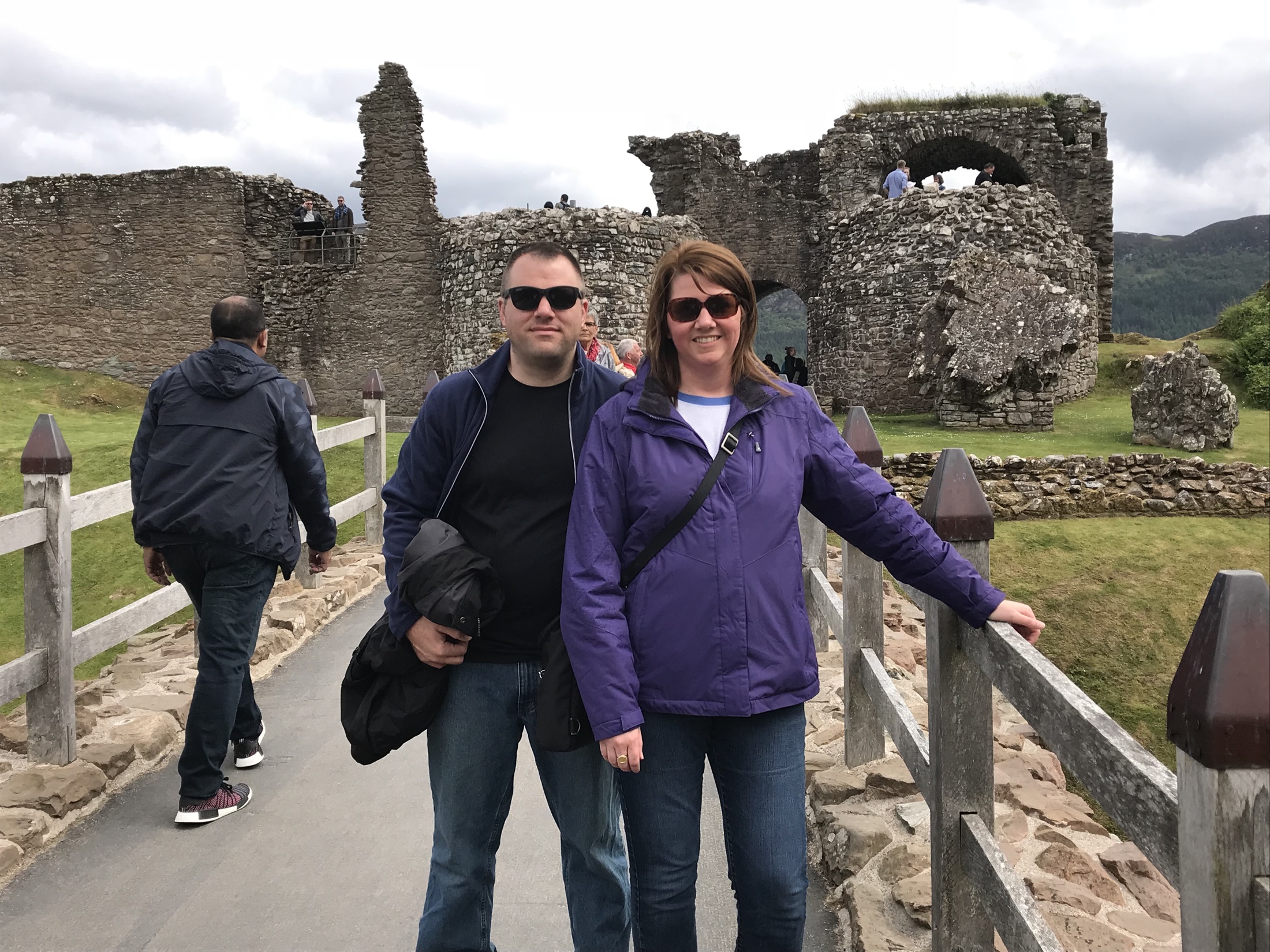
I was seeing Scotland’s most famous loch for the first time. Brian had last stood near this water as a young teenager in the 1980s, so the day brought back memories of one of his earliest international trips more than three decades later.
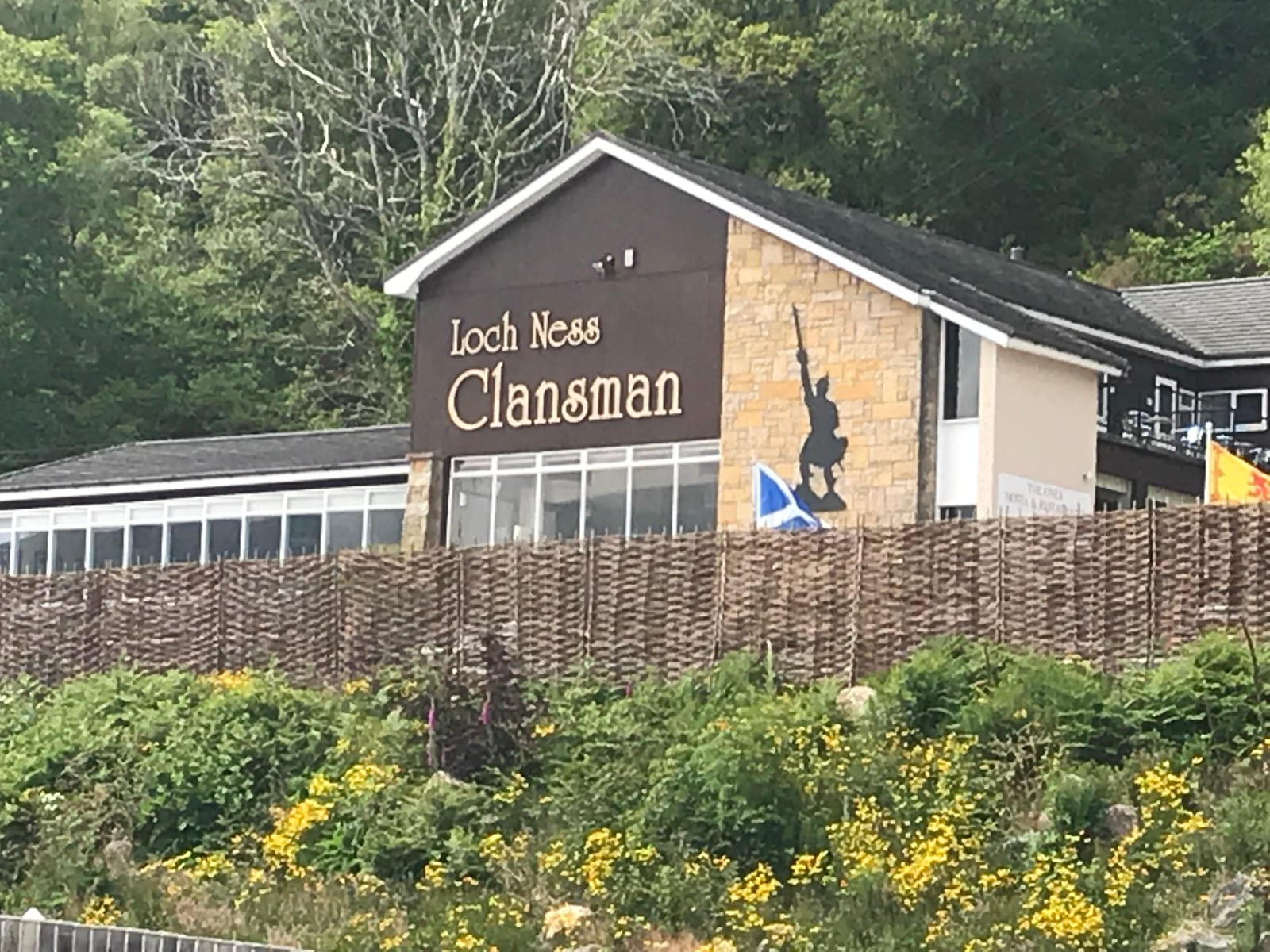
We stopped on our route between Inverness and Fort William, browsed several tourist shops near the cruise departure point, and then traveled by boat toward Urquhart Castle. Loch Ness works naturally as part of that longer Highland route, but it could just as easily fill a day trip from either Inverness or Fort William.
What surprised me about Loch Ness
The monster legend makes Loch Ness feel familiar before you arrive. The landscape does not.
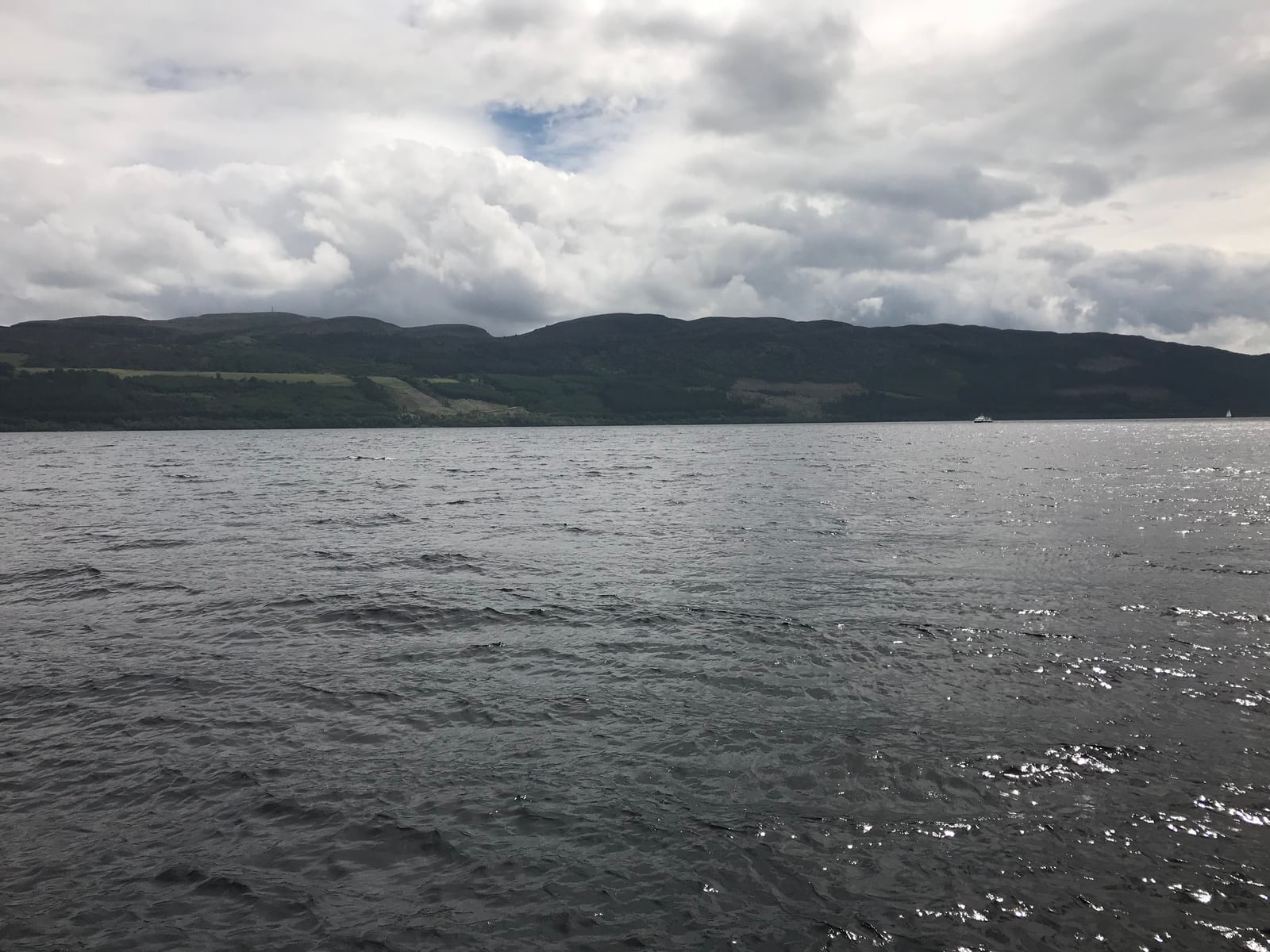
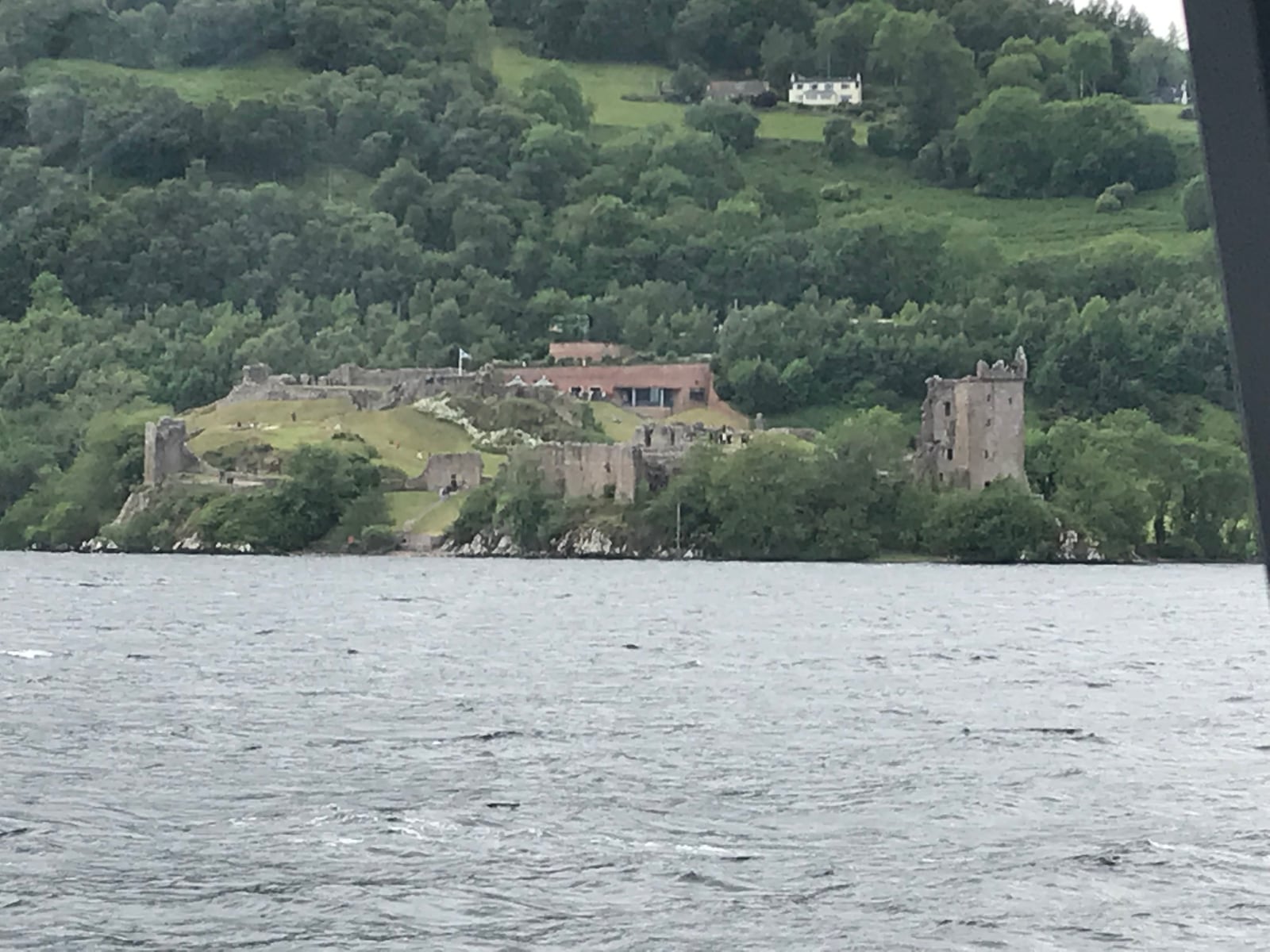
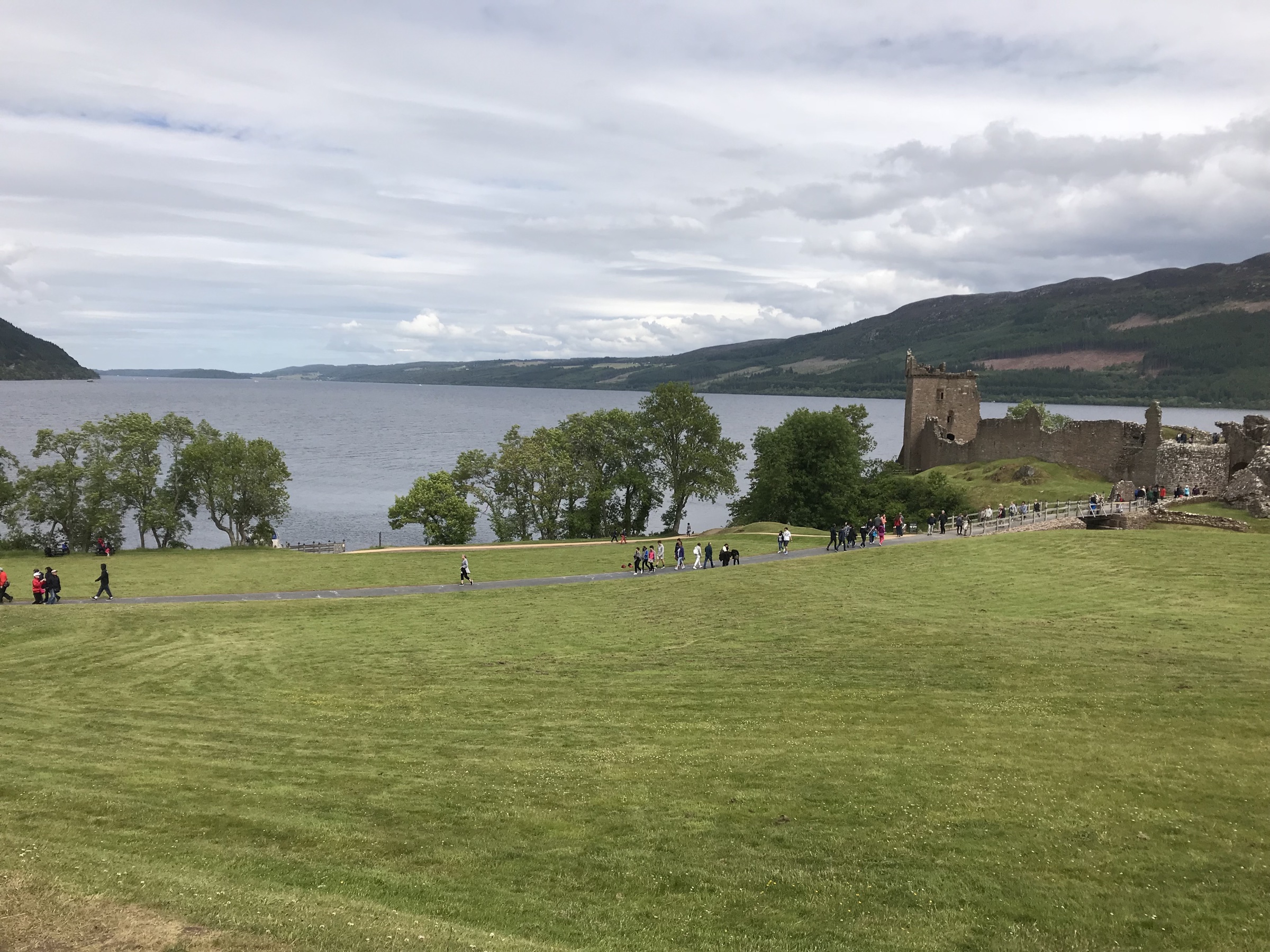
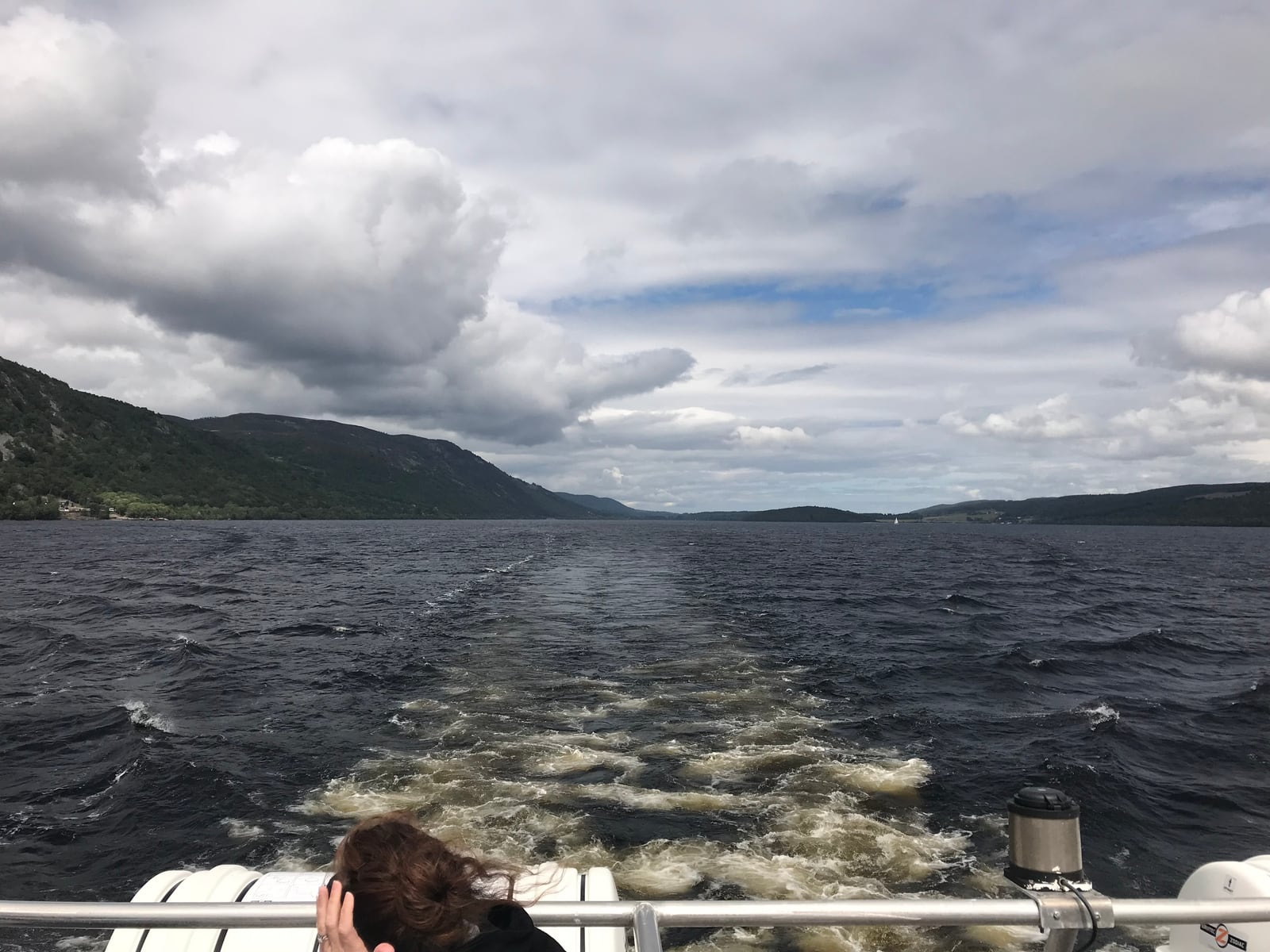
From the water, the loch feels long, dark, and enclosed by Highland slopes. The views shift between broad open water, wooded shorelines, distant roads, and the ruins of Urquhart Castle appearing on a point ahead.
The cruise gave us a much better understanding of the loch than a single roadside viewpoint could. It also made the scale of the Great Glen visible in a way that a map had not.
How deep is Loch Ness?
Loch Ness is often described as Scotland’s deepest loch, but that is not quite correct.
It reaches approximately 230 metres, or about 754 feet, making it Scotland’s second-deepest loch. Loch Morar is deeper, reaching about 310 metres.
Loch Ness does hold another record: it is Scotland’s largest loch by volume. NatureScot estimates that it contains about 7,452 million cubic metres of water—more than all the lakes in England and Wales combined.
That is probably the remarkable statistic we remembered hearing during the trip. It is not more water than every other loch in Scotland combined, but it is still an extraordinary amount of freshwater concentrated in one long Highland basin.
Our Loch Ness cruise
After browsing the nearby visitor shops, we boarded a boat that carried us down the loch toward Urquhart Castle.
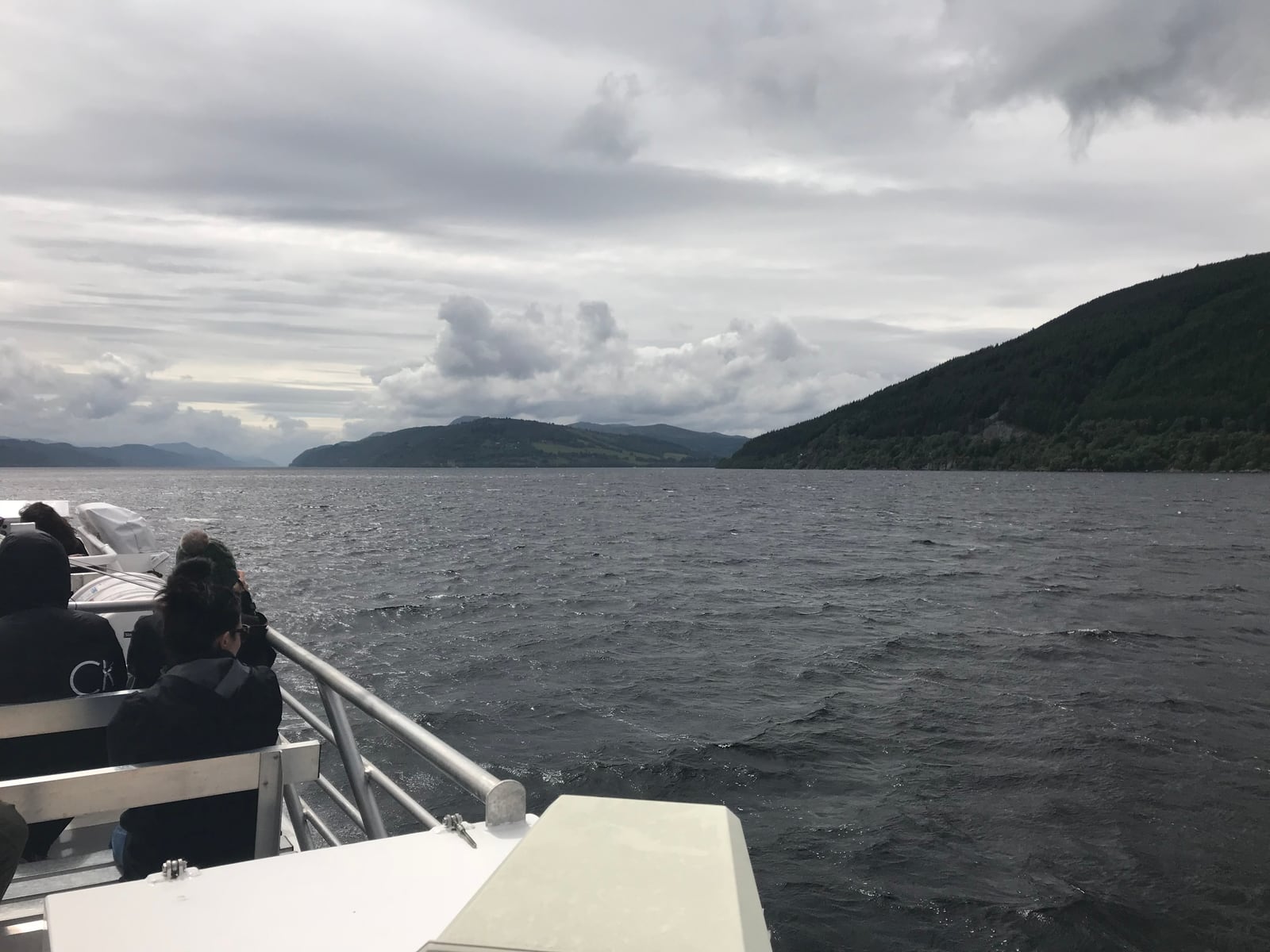
Bring a windproof layer even on a comfortable day. The open deck delivers the best uninterrupted views, but the temperature and wind can feel very different once the boat is moving.
The cruise was not only transportation to another attraction. Watching the wake stretch behind us and seeing the mountains frame the water was one of the main experiences of the day.
Cruise lengths, boarding locations, castle combinations, and one-way transportation arrangements vary. Decide whether you want a sightseeing loop, a cruise ending at Urquhart Castle, or a package that also handles onward transportation before booking.
Approaching Urquhart Castle from the water
Urquhart Castle is dramatic from land, but approaching it by boat explains why the ruins occupy that particular point on the loch.
The water provides space to see the whole setting at once: the castle, the shoreline, the surrounding trees, and the long route through the Great Glen.
Our cruise and castle visit belonged together. Travelers considering both should coordinate the schedules carefully, since the best sequence depends on the cruise operator, starting point, admission arrangements, and whether transportation continues afterward.
The earliest Loch Ness monster stories
Stories of unusual creatures in and around Highland waters are much older than the modern Nessie phenomenon.
One frequently repeated early account comes from a biography of Saint Columba and describes an encounter with a water creature in the River Ness in the sixth century. Because the story refers to the river rather than a clearly documented sighting in the loch, it should be treated as part of the region’s folklore rather than modern evidence of a monster.
For centuries, stories of water creatures, spirits, and unexplained events formed part of Scottish oral tradition. Loch Ness eventually gave those traditions one internationally recognizable name.
How Nessie became a worldwide legend
The modern Loch Ness Monster story accelerated in 1933.
In April of that year, Aldie Mackay, manager of the Drumnadrochit Hotel, reported seeing a large disturbance or creature in the water. The Inverness Courier published the account, and improved road access along the loch soon gave more travelers opportunities to watch the surface.
Reports multiplied. In 1934, the famous image known as the Surgeon’s Photograph appeared to show a long neck rising from the water. Decades later, the photograph was exposed as a hoax involving a small model.
The failed photograph did not end the legend. Sonar surveys, underwater cameras, organized observation projects, environmental DNA studies, eyewitness reports, and modern searches have continued to examine the loch. No conclusive scientific evidence of a large unknown monster has been established.
Why the mystery survives
Loch Ness is unusually well suited to mystery.
Its dark, peat-stained water limits visibility. Wind, wakes, floating wood, birds, fish, and changes in light can produce shapes or movements that look very different from a distance. Its depth also makes it easy to imagine that something could remain hidden.
Nessie works because the legend leaves room for believers, skeptics, scientists, storytellers, and curious travelers. You do not have to believe in a prehistoric creature to enjoy watching the water a little more carefully.
Driving the roads around Loch Ness
The roads near Loch Ness are part of the experience, especially when the loch forms one section of a route between Inverness and Fort William.
Views open and close as the road follows the terrain. Some stretches bring you close to the water; others climb or pass through trees before revealing another long perspective over the loch.
Use designated parking areas and viewpoints rather than stopping wherever a photograph looks tempting. Highland roads can be narrow, busy, and faster than they appear from inside a tour vehicle.
Leave flexibility for scenic stops, but do not let an unplanned pull-off make you late for a timed cruise or castle admission.
A day trip from Inverness
Inverness is the most straightforward base for a focused Loch Ness day.
A well-paced itinerary can combine a cruise, Urquhart Castle, time in Drumnadrochit, the Loch Ness Centre, and selected viewpoints. Trying to add Culloden, Clava Cairns, and several distilleries to the same day would turn the route into a checklist.
Choose whether the day is primarily about the loch and castle, the Nessie story, or a broader scenic drive. That decision will determine where your time is best spent.
A day trip from Fort William
Fort William can also serve as a starting point, particularly for travelers continuing through the Great Glen rather than returning to the same hotel.
The route north introduces other waterways, mountain views, and villages before reaching Loch Ness. It works especially well as a transfer day when luggage and onward transportation have been planned in advance.
Driving times do not account for cruise check-in, photography stops, traffic, weather, or the time needed to explore Urquhart Castle. Build more breathing room into the day than the mileage alone suggests.
How much time should you allow?
Allow most of a day if you want the cruise, Urquhart Castle, viewpoints, and time to explore the Nessie story without rushing.
A shorter stop can include one viewpoint or a basic cruise, but it will not reveal the same variety of perspectives. The loch is approximately 23 miles long, so “visiting Loch Ness” can mean very different things depending on the route.
For us, including Loch Ness between Inverness and Fort William created a natural progression through the Highlands rather than a separate out-and-back excursion.
Brian’s return to Loch Ness
For Brian, this was not only a famous destination. It was a return to a place connected with traveling as a young teenager in the 1980s.
A landscape can trigger memories differently from a photograph. The water, the road, the hills, and the familiar idea of Nessie connected our 2018 journey to one he had made decades earlier.
That personal history gave the day another layer. I was discovering Loch Ness. He was discovering what it felt like to come back.
Loch Ness is bigger than the monster
Nessie may be what makes Loch Ness famous, but the loch itself is the reason the visit is worthwhile.
Cruise the water, watch Urquhart Castle emerge along the shoreline, enjoy the roads through the Great Glen, and leave a little room for the legend.
Whether you see a mysterious ripple or nothing more unusual than a boat wake, the Highland views will give you something memorable to take home.