Personally Experienced · Last verified 2026-07-28
Explore Europe
Quick Take
Harry Potter scenery, Jacobite history, and a train-viewing plan
- Our visit
- June 2018
- Allow
- One to two hours
- Best for
- Viaduct views and Loch Shiel
- Plan around
- Train times, weather, and midges
Glenfinnan gave us three memorable things in one short stop: a sweeping view of the railway viaduct, an important chapter of Jacobite history, and our first real introduction to Scottish midges.
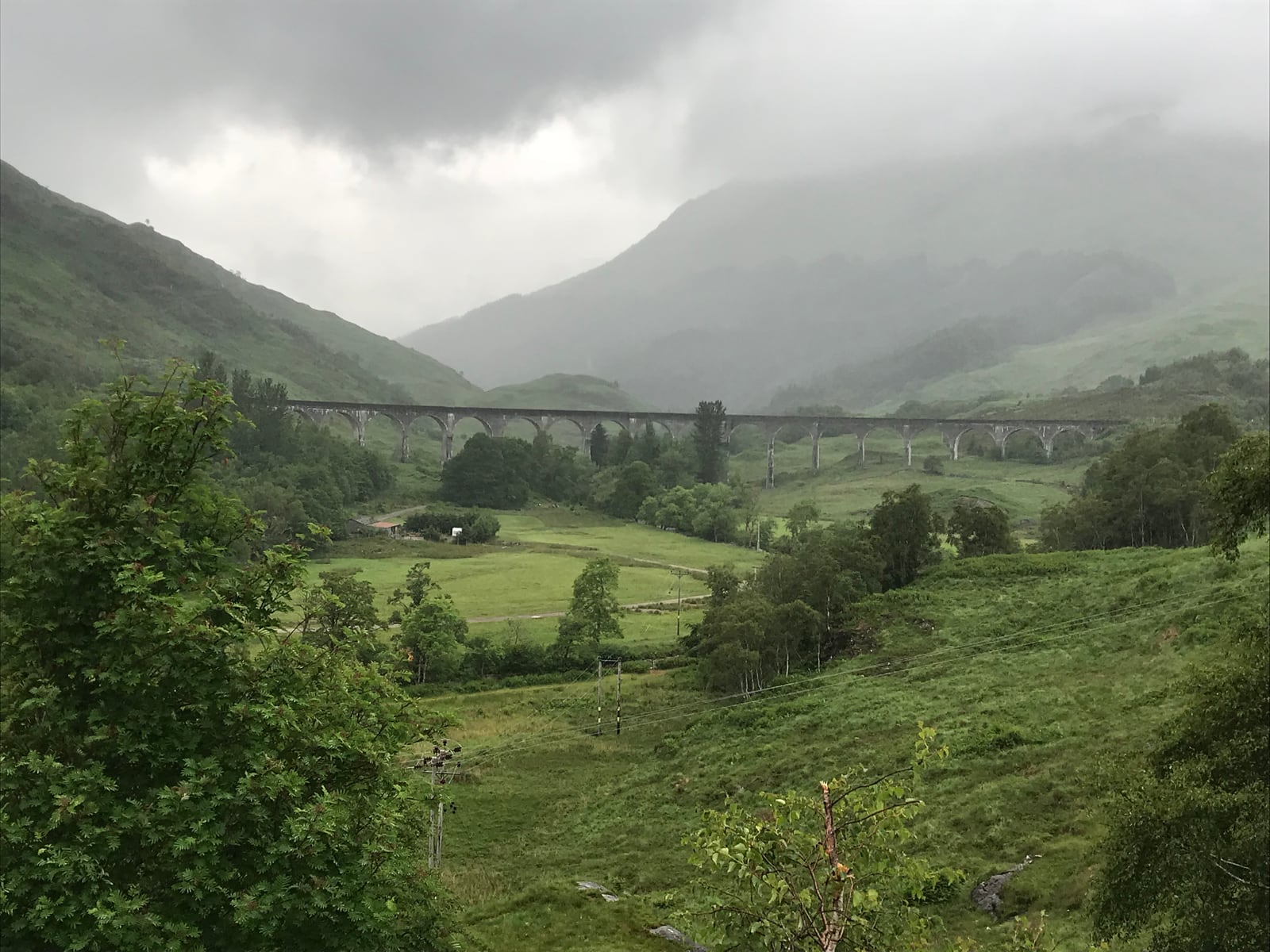
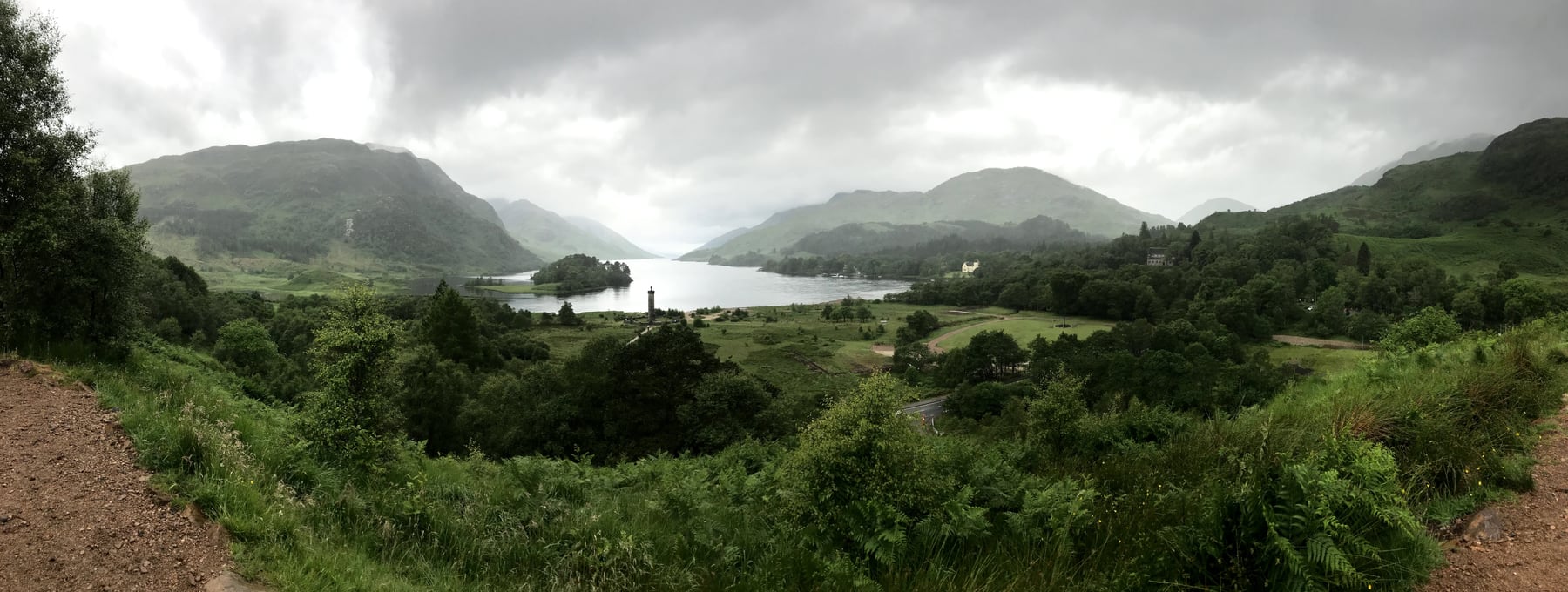
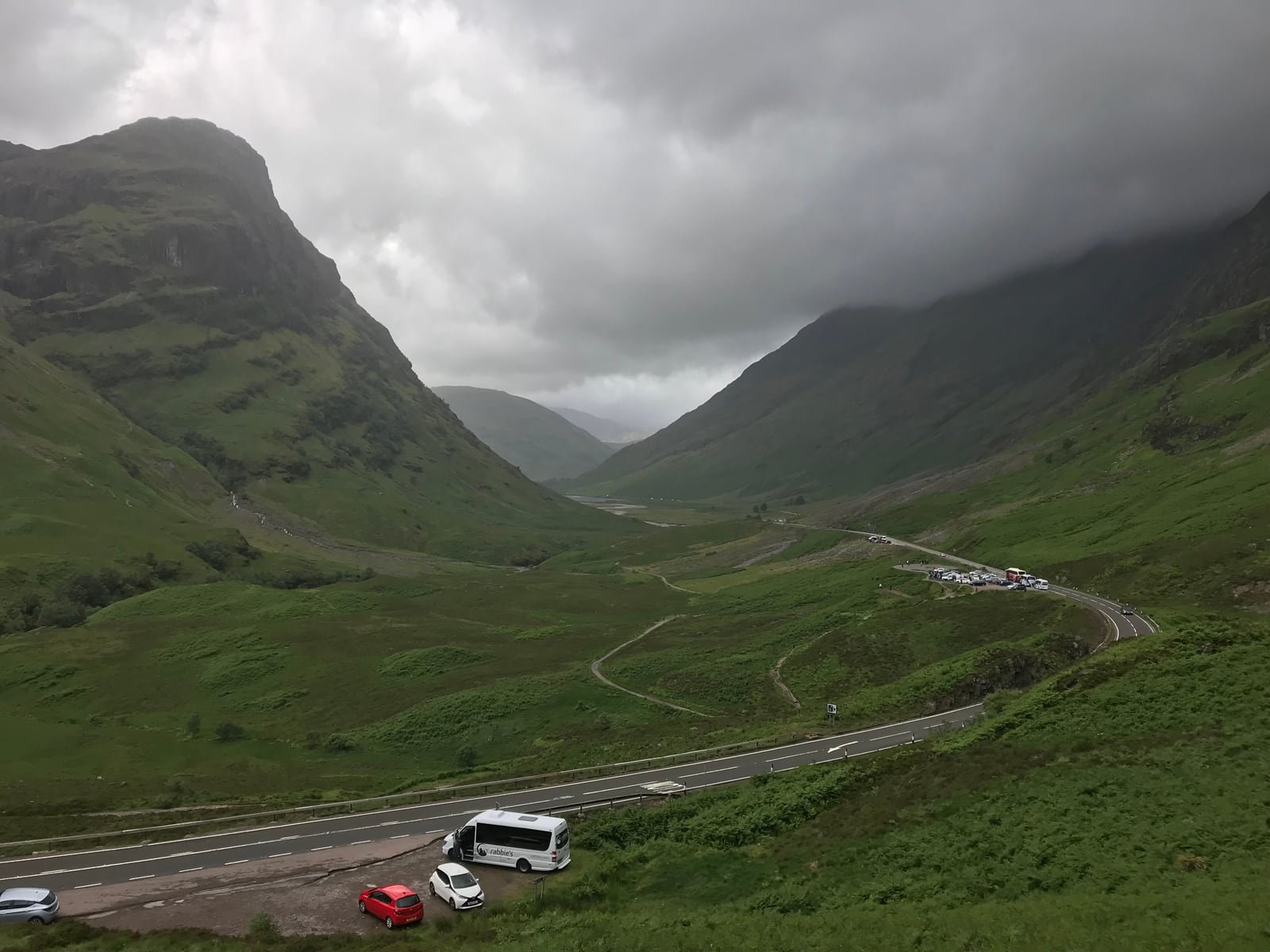
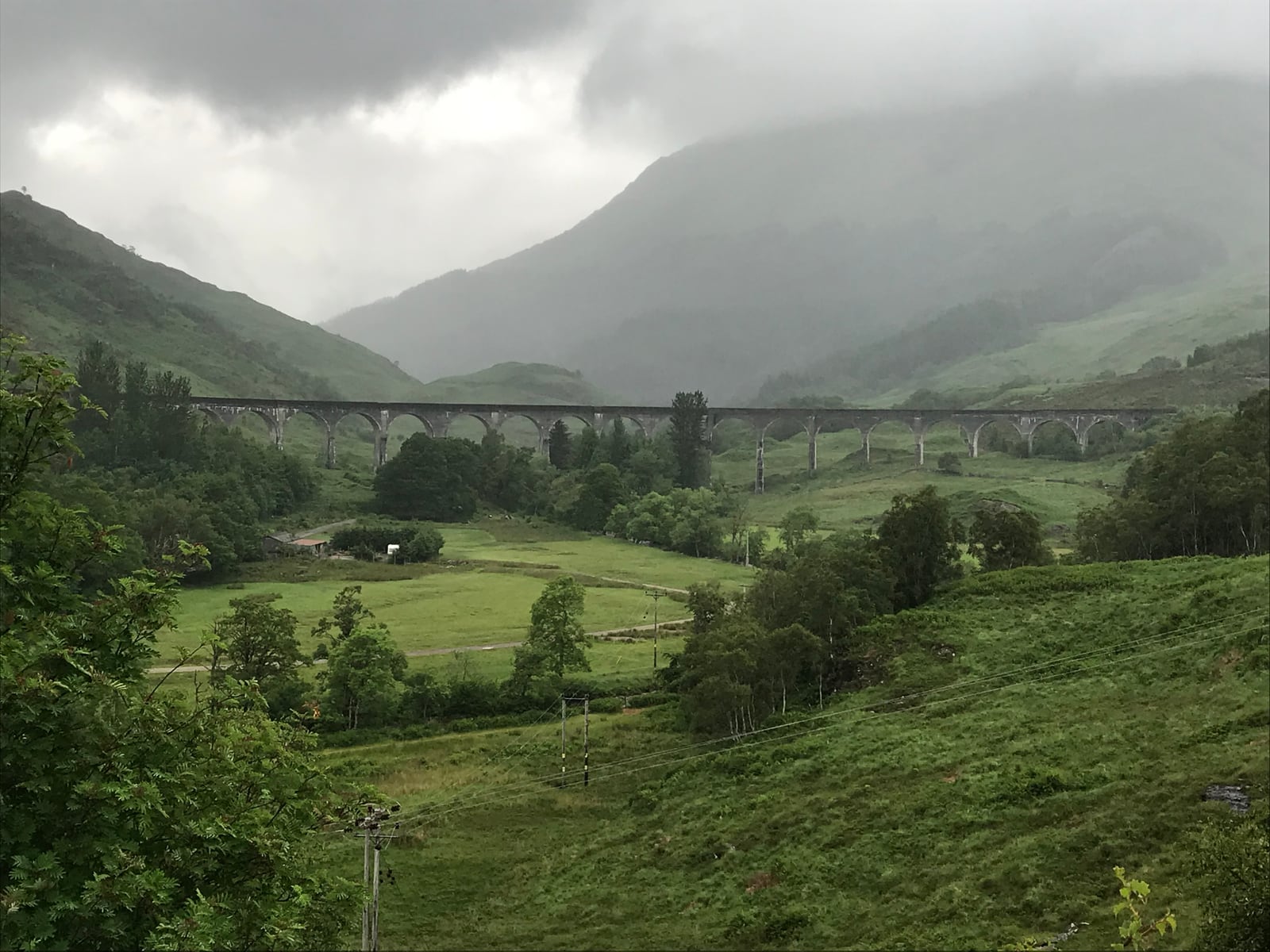
The weather was heavily overcast, which had become familiar during our Scotland journey. The clouds hid portions of the mountains but did not take away the scenery. If anything, the mist made the viaduct, Loch Shiel, and the surrounding slopes feel even more atmospheric.
I stayed closer to the main viewpoint while Brian climbed a short uphill path to photograph more of the viaduct’s curve. Our Rabbie’s guide explained that a longer walk could take us nearer the bridge for a close view of a passing train—but only if the stop was timed around the limited railway schedule.
Why Glenfinnan is more than a Harry Potter stop
Many visitors arrive because they recognize the viaduct from the Harry Potter films. The railway curve is immediately memorable, especially when a steam train crosses against the green Highland landscape.
Glenfinnan is also a place where Scottish history, railway engineering, mountains, and Loch Shiel meet within one compact area. Even without a train, the viaduct is worth seeing. Even without Harry Potter, the monument and Jacobite story deserve attention.
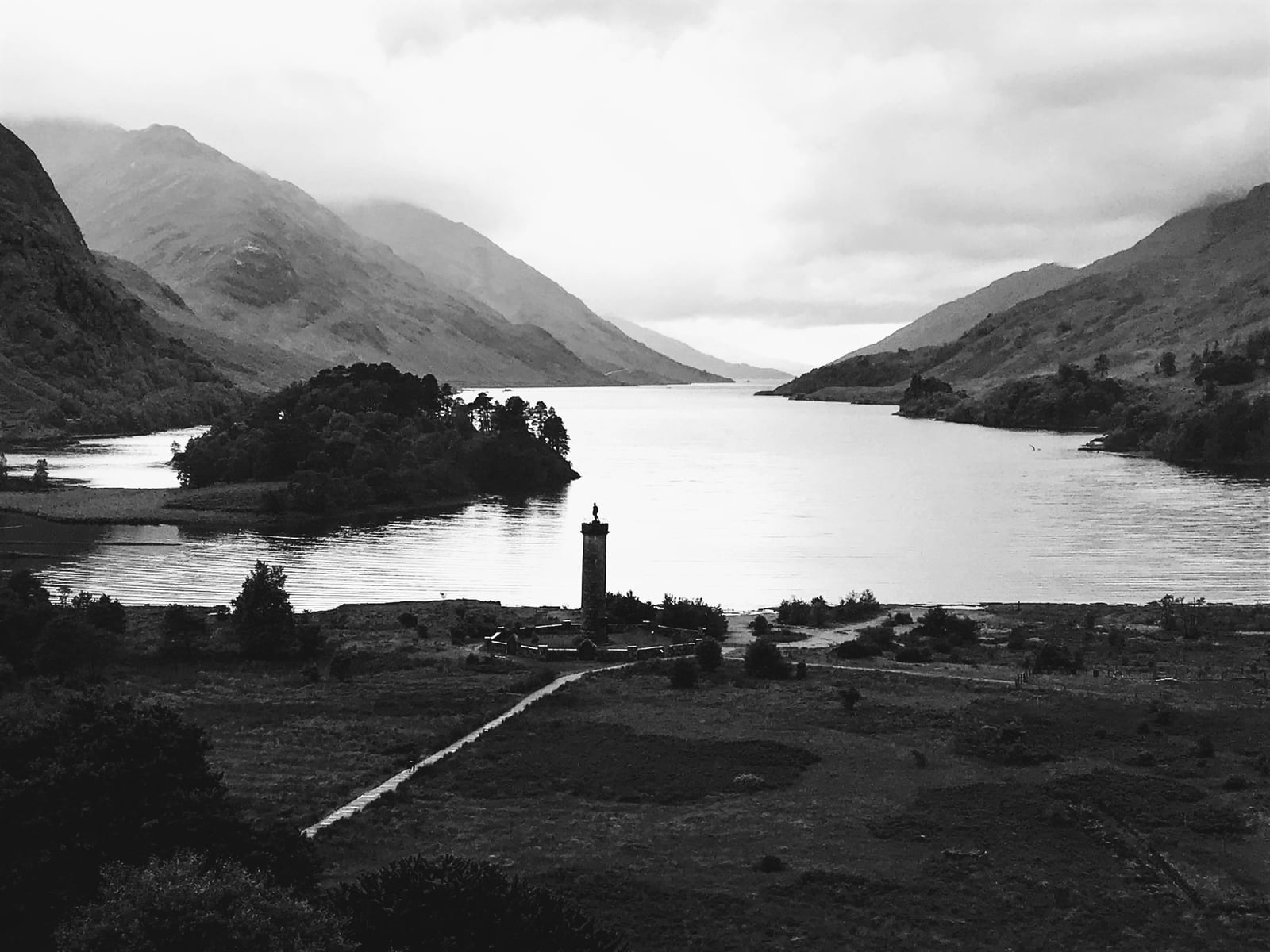
A good visit makes room for both. Photograph the bridge, but also turn around and look toward the loch and monument.
Our short viewpoint climb
Brian followed the path above the visitor-center area because the extra height made it easier to capture the arc of the viaduct.
The National Trust for Scotland describes the nearby viewpoint as approximately a five-minute climb with steps and benches. It is farther from the tracks than the popular viaduct-side viewpoints, but it provides a broad panorama that includes the railway, monument, Loch Shiel, and mountains.
A short path can still feel steeper or more slippery than expected in wet weather. Wear shoes with grip and allow enough time to descend without rushing back to a coach or timed departure.
Where to photograph the viaduct
The higher viewpoint near the visitor center is useful when you want the full railway curve and surrounding landscape in one image.
For a closer view, paths connect Glenfinnan railway station, the hillside, and the viaduct area. The National Trust for Scotland estimates roughly 30 minutes from the station to the viaduct on a hillside path with steps that may be slippery.
A wider circular route connects the area’s major views in approximately 60 to 90 minutes. That is a different visit from a short roadside stop, so decide before arriving whether the priority is a panorama, a close train photograph, or a longer walk.
Seeing a train cross Glenfinnan Viaduct
A train crossing transforms the view, but it should be treated as a scheduled event rather than something you will happen to see every few minutes.
The West Highland Line carries regular ScotRail services, and the seasonal Jacobite steam train operates between Fort William and Mallaig on selected dates. Service patterns and crossing times change, and delays can shift the moment a train reaches the viaduct.
Check the official ScotRail and West Coast Railways timetables for your exact date. Then allow time to park, walk to the selected viewpoint, and find a safe position well before the expected crossing.
Do not enter the railway, cross barriers, or stand somewhere unsafe for a photograph. A missed train is disappointing; taking a risk beside an active railway is far worse.
The Harry Potter connection
Glenfinnan Viaduct became one of the Harry Potter films’ most recognizable landscapes as part of the route traveled by the Hogwarts Express.
The real Jacobite steam service follows the West Highland Line between Fort William and Mallaig and crosses the same viaduct. That makes it possible to see a scene that strongly resembles the cinematic journey without the bridge becoming a film set or theme-park attraction.
The train is memorable, but the viaduct is still an operating railway structure. Respect the paths, signs, railway boundaries, and other visitors waiting for the same view.
What happened at Glenfinnan in 1745?
My memory connected Glenfinnan with Bonnie Prince Charlie returning to Scotland, but the exact sequence deserves clarification.
Prince Charles Edward Stuart first landed at Eriskay on July 23, 1745. He later traveled through the western Highlands and reached Glenfinnan by way of Loch Shiel.
On August 19, 1745, he gathered with supporting clans at Glenfinnan and raised his father’s royal standard. That ceremony formally launched the final Jacobite rising, the campaign that would end at Culloden the following April.
Glenfinnan therefore marks the hopeful beginning of the rising—not the prince’s original landing place and not its tragic conclusion.
What does Glenfinnan Monument commemorate?
The monument was completed in 1815, seventy years after the rising began.
It commemorates the Highlanders who fought and died for the Jacobite cause. The lone figure in Highland dress at the top was added in the 1830s and is often associated visually with Bonnie Prince Charlie, but the monument’s central purpose is broader than honoring the prince alone.
Visitors can walk to the monument near the head of Loch Shiel. Access to the tower itself is controlled, and the climb involves a narrow staircase and dozens of original stone steps. Check current opening and booking information if climbing the monument matters to your visit.
The midges we did not expect
Midges were new to us before this Scotland trip. Glenfinnan was the stop where Brian became very aware of them.
Scottish biting midges are tiny flying insects, commonly only one to three millimetres long. They are especially active in the warmer months and favor still, damp conditions—the kind of overcast Highland weather we experienced.
Pack repellent designed for midges, consider long sleeves and trousers, and keep a head net available if you will be waiting outdoors or walking near damp ground. Wind often reduces their activity, but conditions can change quickly.
Midges are irritating rather than dangerous and should not keep you from the viewpoint. A little preparation makes the experience much more comfortable.
Weather and what to wear
Do not postpone every photograph while waiting for a clear Highland sky.
Overcast weather can hide the highest slopes, but it also creates layers of mist behind the viaduct and gives the valley a dramatic sense of depth. Rain may make paths slippery, so waterproof outerwear and shoes with traction are more important than perfect light.
Bring a lens cloth or another way to dry a phone camera. Light rain and mist can cover the lens before you notice it.
Visitor center, shop and bathrooms
My memory was that there was a shop and bathrooms at Glenfinnan, and that is correct.
The National Trust for Scotland visitor center includes an exhibition about the Jacobite rising, a shop, café, and toilets. An additional seasonal café operates near the viaduct-view area, and an out-of-hours accessible toilet block is located in the car park.
Opening hours, parking charges, monument access, and seasonal café schedules change. Check the official Glenfinnan Monument visitor information shortly before traveling.
Visiting from Fort William
Fort William is the simplest base for a dedicated Glenfinnan visit. The visitor center is approximately 17 miles west of town on the Road to the Isles.
You can drive, join a guided excursion, or travel by train. Arriving by train adds the experience of crossing the viaduct before walking back toward the viewpoints, but the rail schedule will determine how long you have at Glenfinnan.
Allow at least two to three hours if you want the visitor center, monument area, a viewpoint walk, and a realistic chance of seeing a scheduled train.
Visiting from Inverness or after Loch Ness
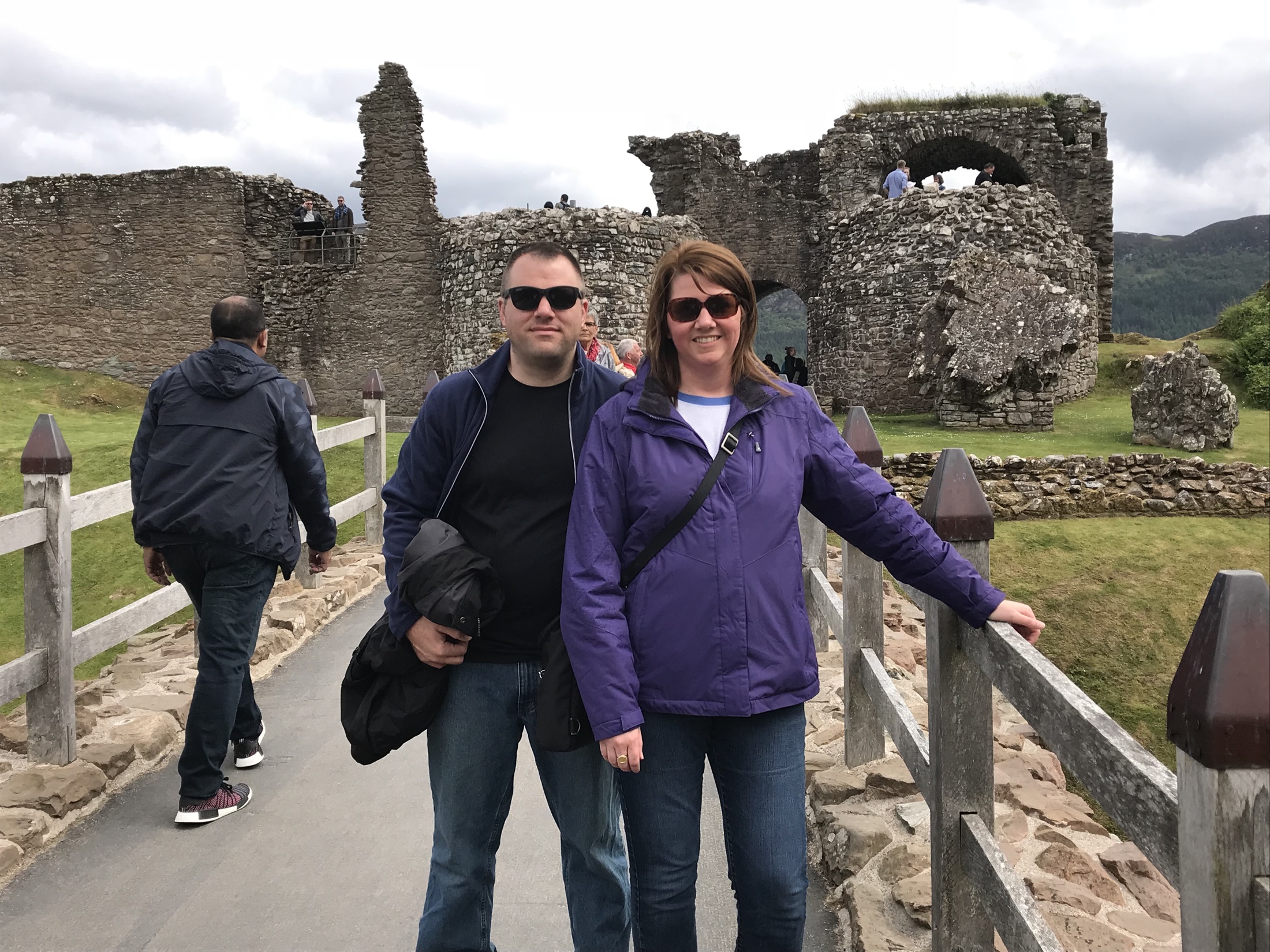
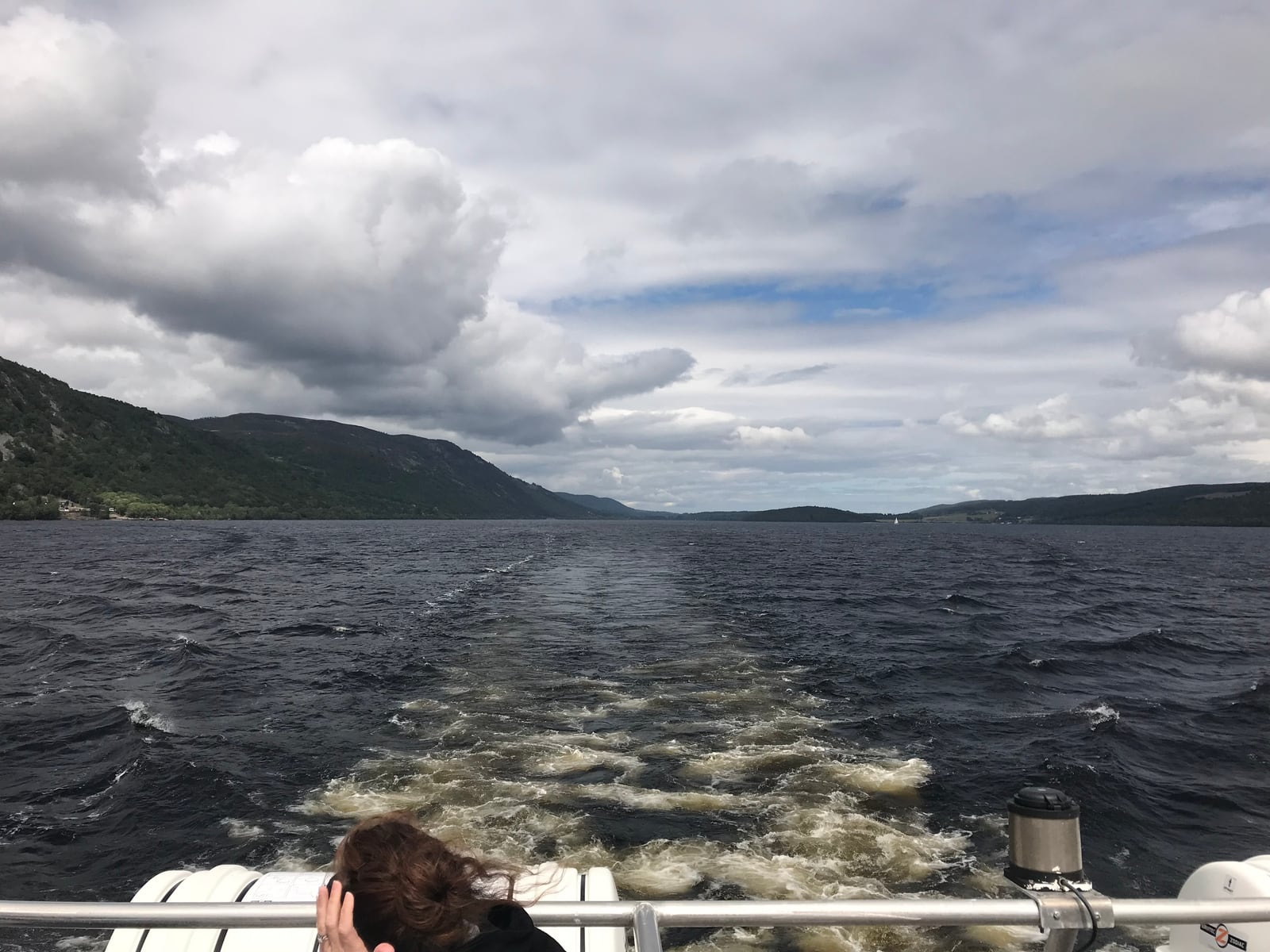
We visited Glenfinnan on a touring day that also included Loch Ness and ended in Fort William, so the stops felt connected.
Geographically, however, Glenfinnan is not immediately beside Loch Ness. It lies west of Fort William, while most Loch Ness routes approach Fort William through the Great Glen. Reaching Glenfinnan requires continuing west on the Road to the Isles.
From Inverness, it works best as part of a long guided day, a transfer toward Fort William and the west coast, or an itinerary with an overnight nearby. A simple out-and-back day is possible, but driving time and train timing can consume much of it.
How long should you spend at Glenfinnan?
A short stop of 30 to 45 minutes can provide a panorama of the viaduct, Loch Shiel, and monument.
Allow 90 minutes to two hours if you want to visit the exhibition, walk around the monument area, climb to a viewpoint, and photograph a train without constant rushing.
A longer walk toward the viaduct or railway station can easily turn Glenfinnan into a half-day experience. Add more time if you plan to climb the monument or travel by train.
Is Glenfinnan worth visiting without a train?
Yes.
The curve of the viaduct remains impressive when the tracks are empty. The views across Loch Shiel, the monument, and the mountains still explain why this small place became both a historic gathering point and a memorable film landscape.
Time a train if that moment matters to you. If the schedule does not cooperate, do not treat the visit as a failure. Glenfinnan has a much larger story than the few seconds when a locomotive crosses the bridge.