Personally Experienced · Last verified 2026-07-26
Explore Europe
Quick take
A castle defined by Loch Ness
- Location
- Near Drumnadrochit, on Loch Ness
- Our visit
- June 16, 2018
- Time to allow
- About 1½–2 hours
- Best arrival
- By Loch Ness cruise for the view from the water
- Highlights
- Grant Tower, loch views, gatehouse, and layered ruins
- Activity level
- Moderate, with steep paths, stairs, and uneven historic areas
- Facilities
- Visitor centre, café, shop, and toilets
- Our verdict
- One of the strongest stops around Loch Ness
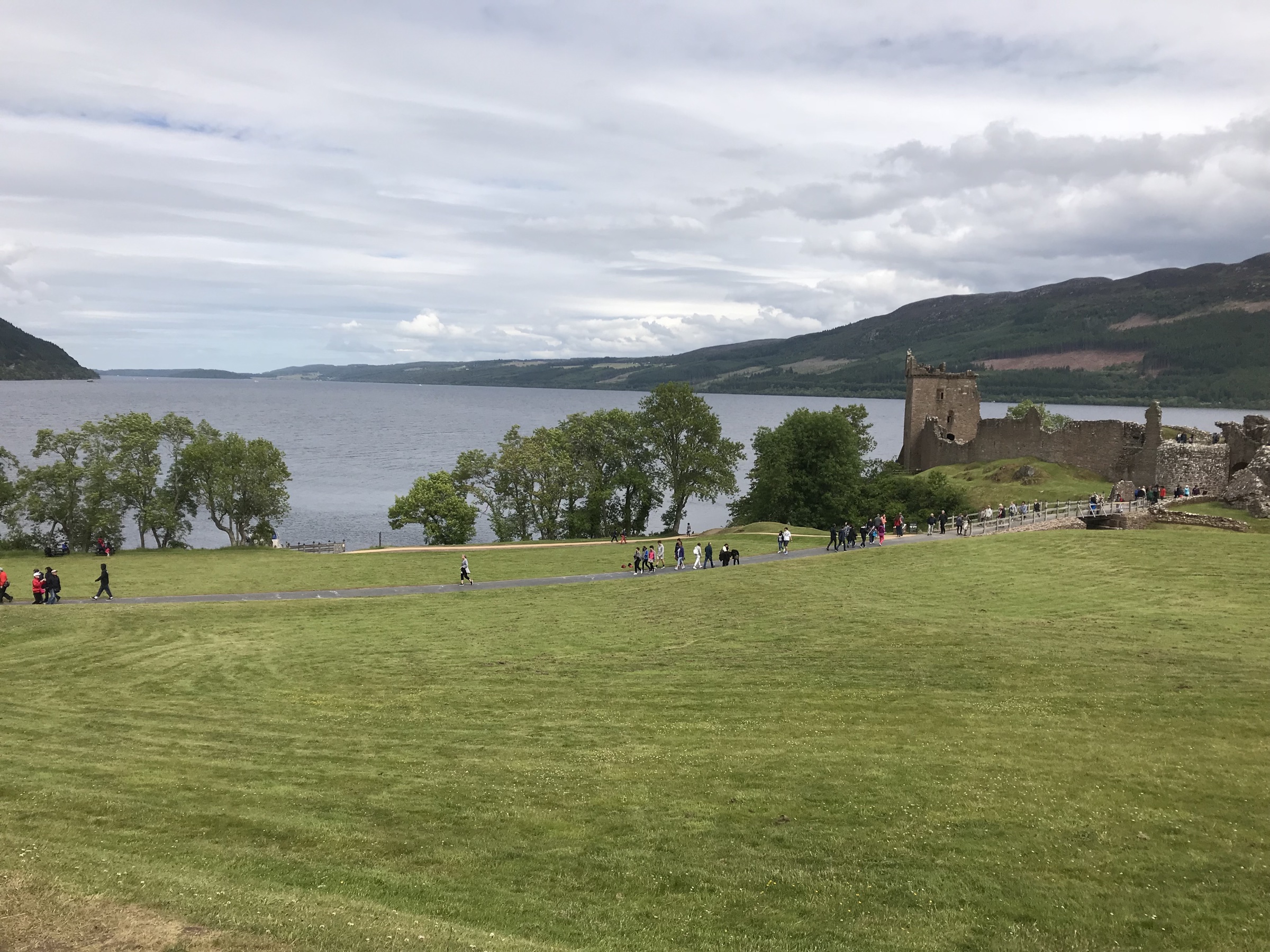
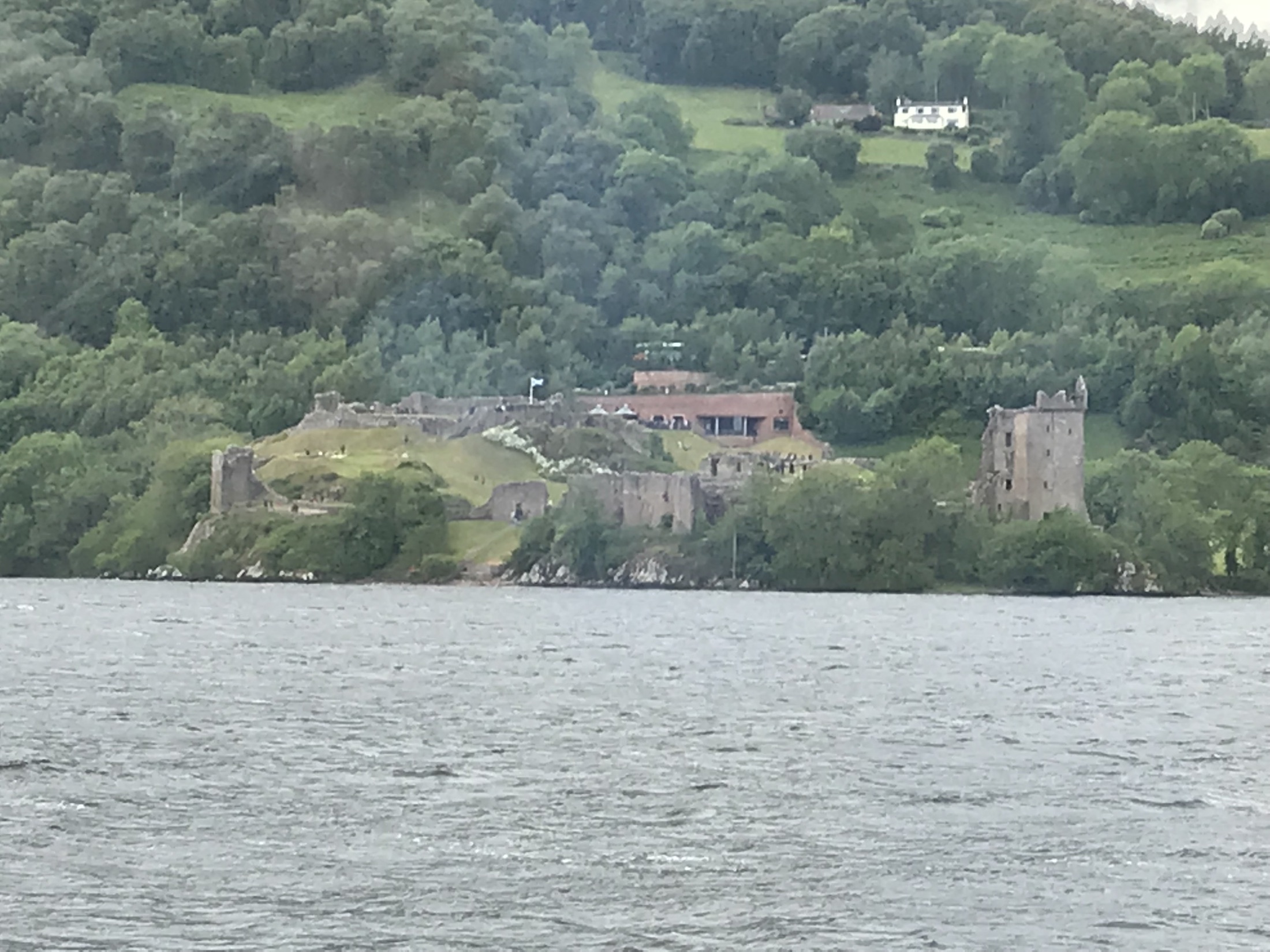
Urquhart Castle first made sense to me from the water. As our Loch Ness cruise approached the shore, the ruins appeared on a rocky promontory with the Grant Tower rising at one end. Before I knew the names of the individual buildings, I could see why this position had mattered.
The castle could watch movement along the loch and through the Great Glen. Today, that same strategic position creates the view visitors remember: broken stone walls, green slopes, dark water, and hills stretching beyond them.
Urquhart was not an essential Outlander filming stop for us. It was something better—a place whose real history and landscape justified the visit completely on their own.
Why Urquhart Castle mattered
The site holds more than 1,000 years of history, including roughly five centuries as a medieval fortress. Its position made it valuable—and repeatedly vulnerable—as rival powers fought for control of the Highlands and the routes through the Great Glen.
Edward I of England took Urquhart during his invasion of 1296. After Robert the Bruce became King of Scots in 1306, the castle came under his control. In the centuries that followed, the Crown and the MacDonald Lords of the Isles struggled over the fortress and the surrounding territory.
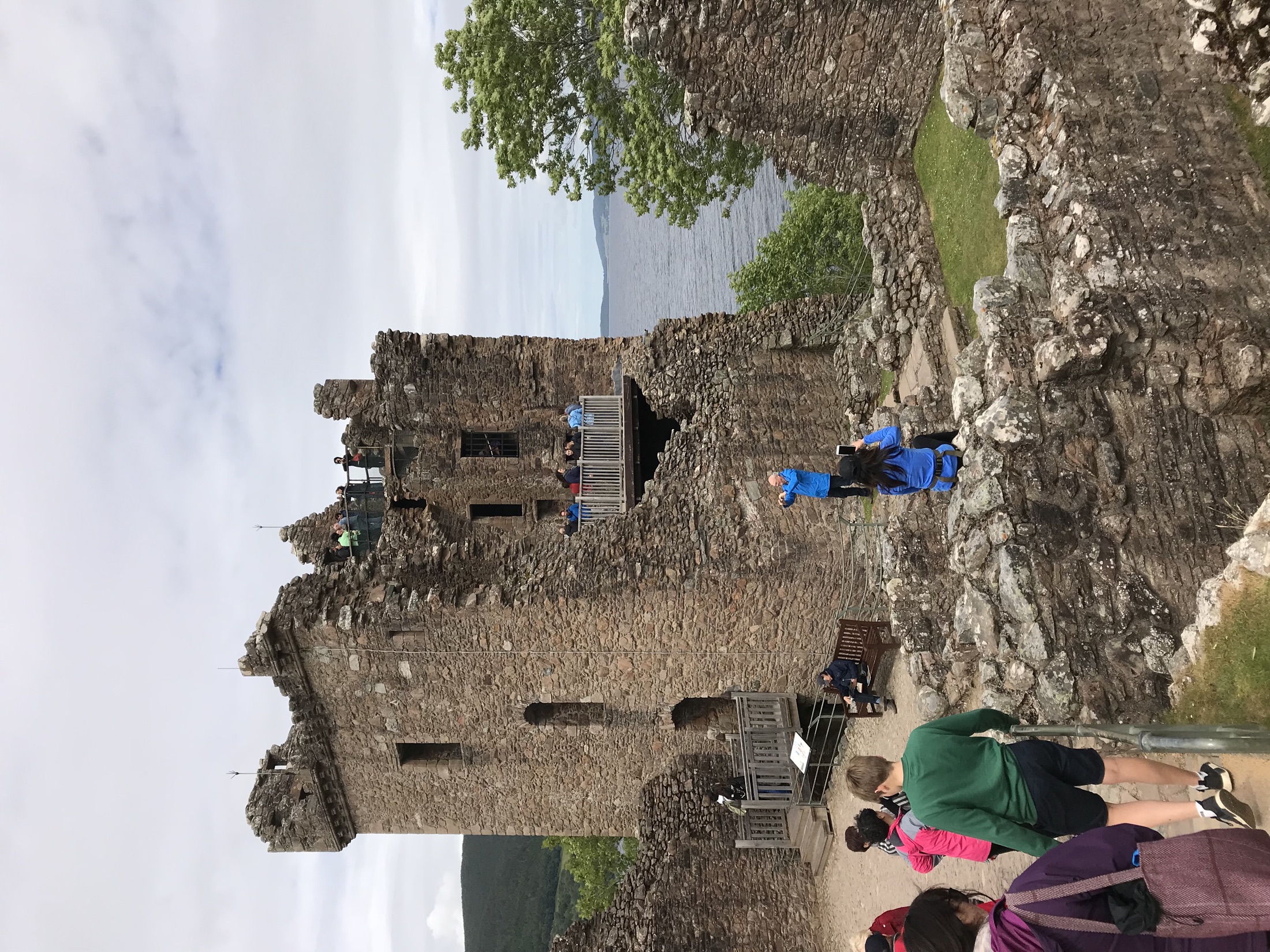
James IV granted the barony of Urquhart to the Grant family in 1509 and charged them with restoring the castle. The Grants built the five-storey tower house now known as Grant Tower during the 1500s. It remains the most recognizable part of the complex.
From fortress to deliberate ruin
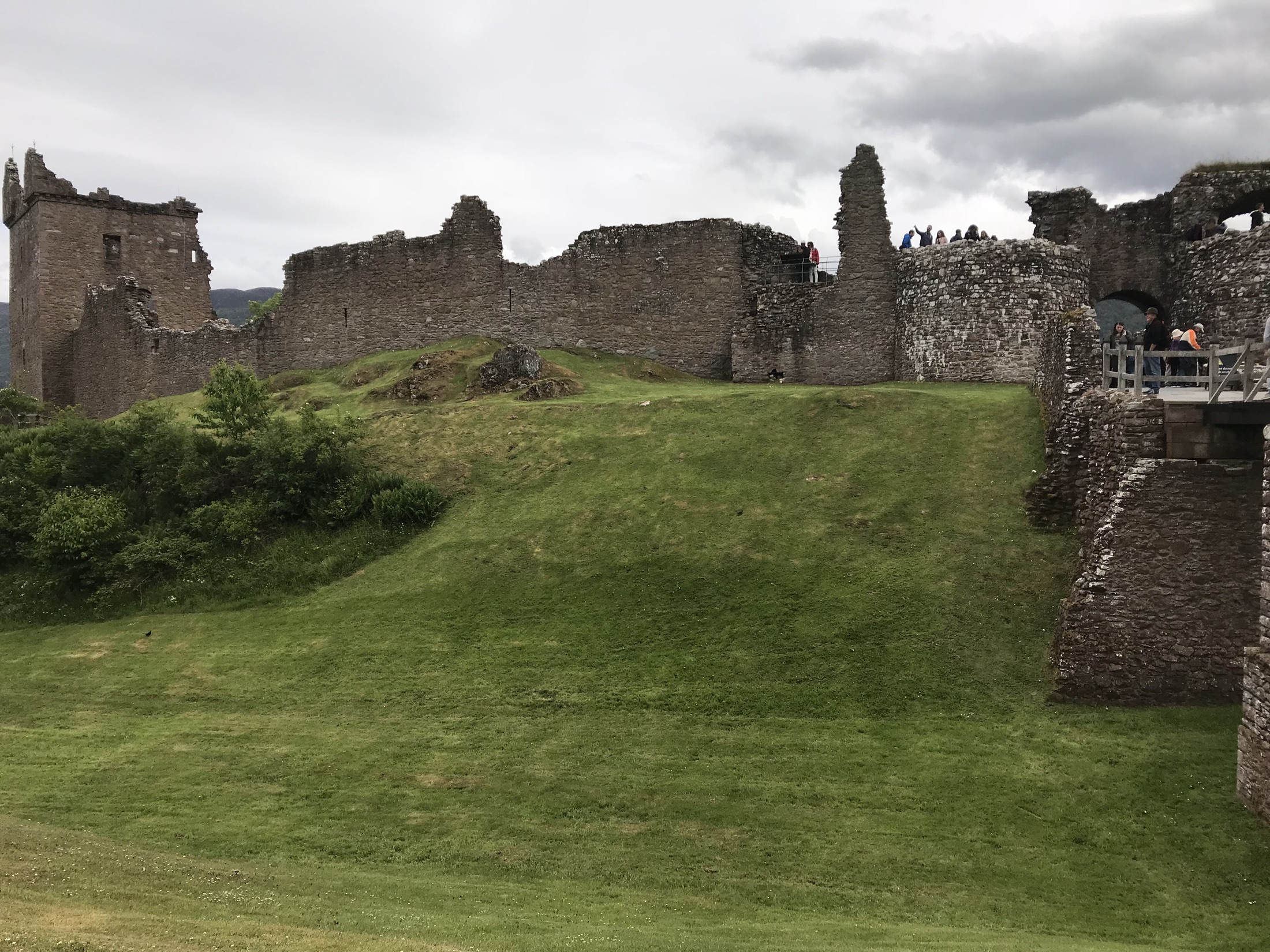
Urquhart’s final military chapter came with the first Jacobite Rising. Government troops garrisoned the castle after James VII and II was driven into exile in 1688. When the soldiers withdrew in 1692, they blew up the gatehouse so the stronghold could not be used against them.
The castle was never rebuilt. Part of Grant Tower collapsed during a storm in 1715, and the complex gradually became the dramatic ruin visitors see today. Urquhart passed into state care in 1913.
Knowing that the destruction was intentional changes the way the walls look. They are not simply the remains of a building that faded away; they preserve the end of Urquhart’s usefulness as a fortress.
What to see inside the ruins
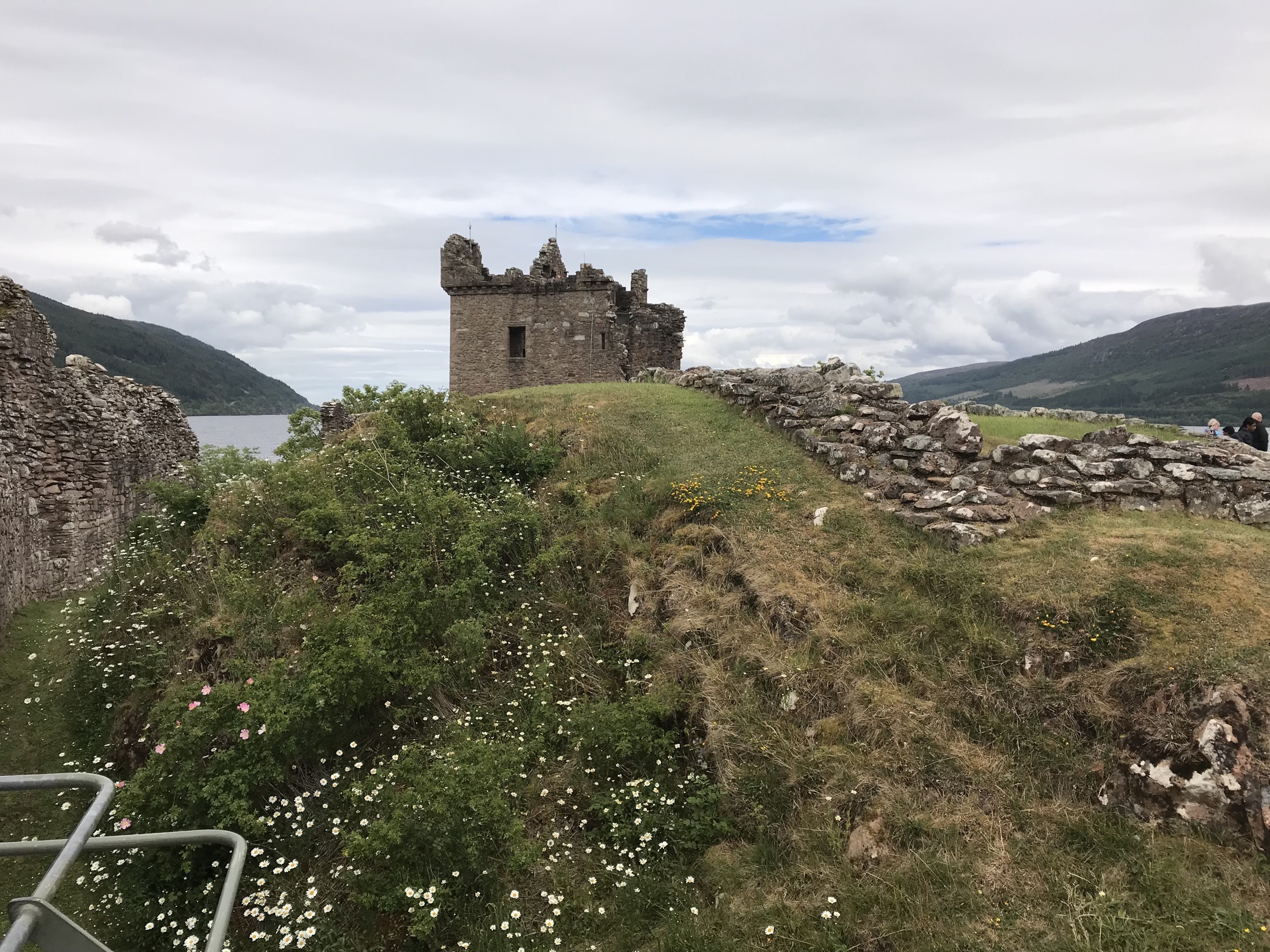
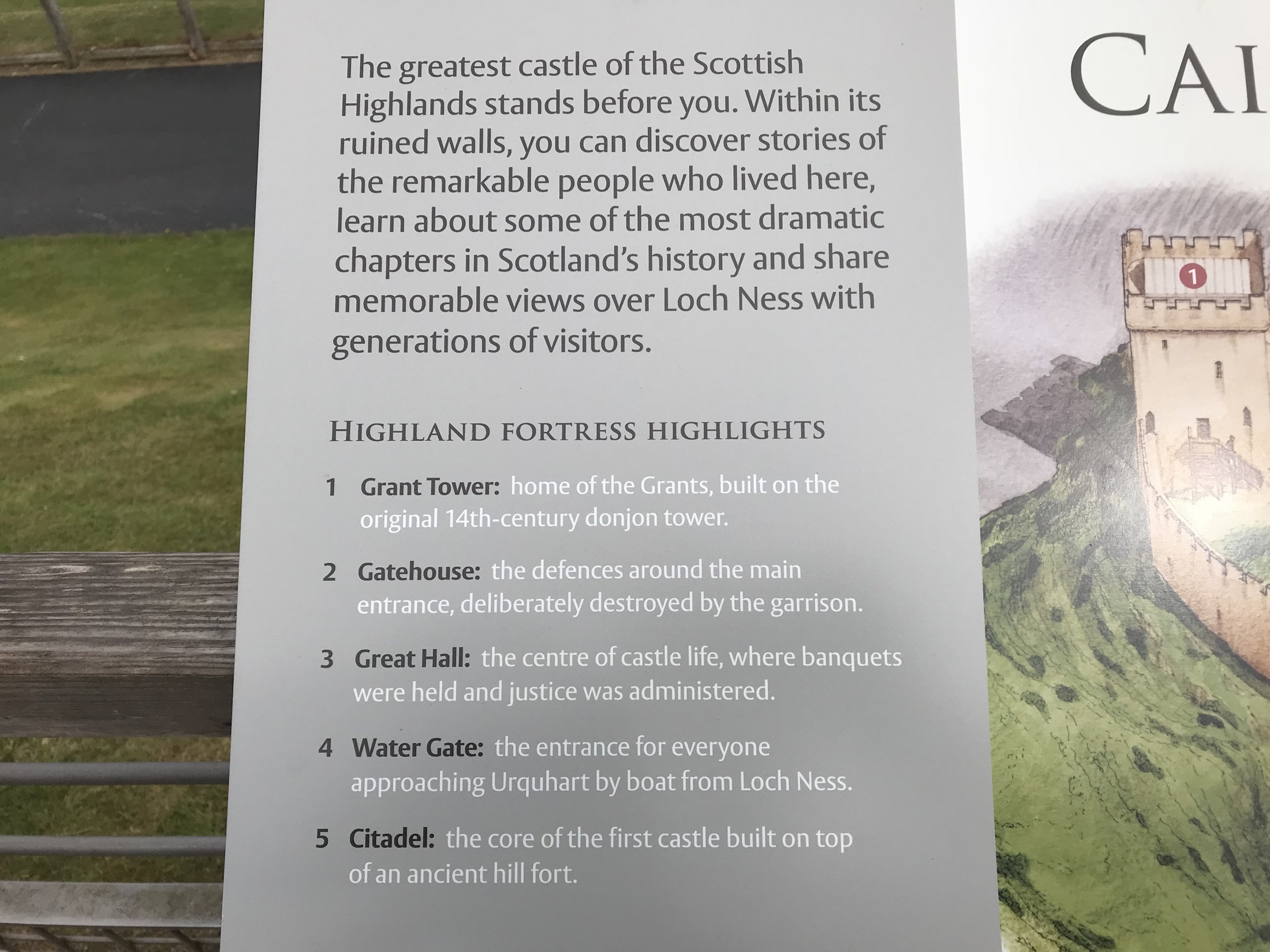
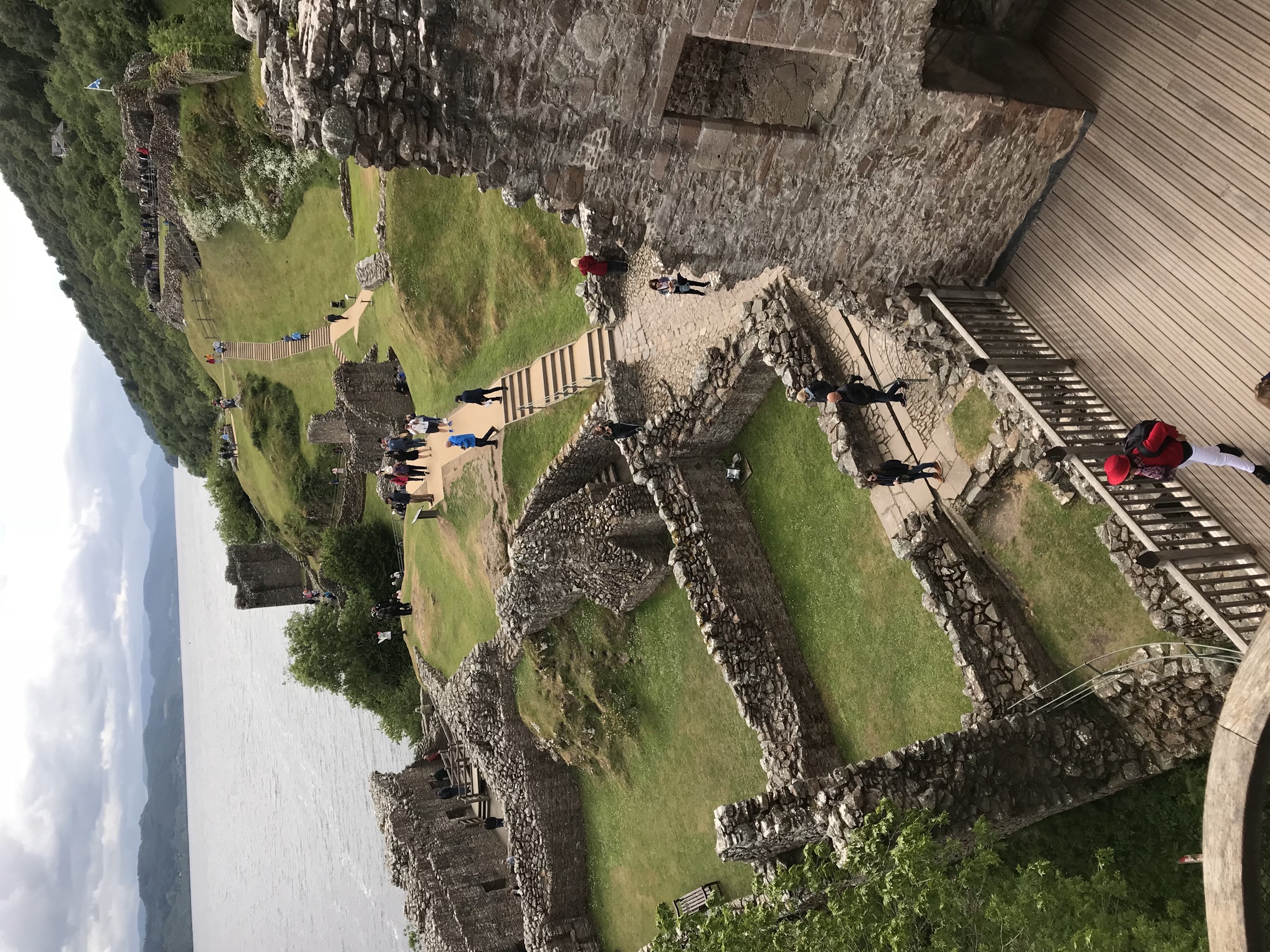
Grant Tower is the visual anchor. Its surviving rooms, stairs, and viewpoints bring visitors above much of the site, with broad views across Loch Ness and down into the castle grounds. The climb is worthwhile if the wooden stairs suit your mobility and comfort.
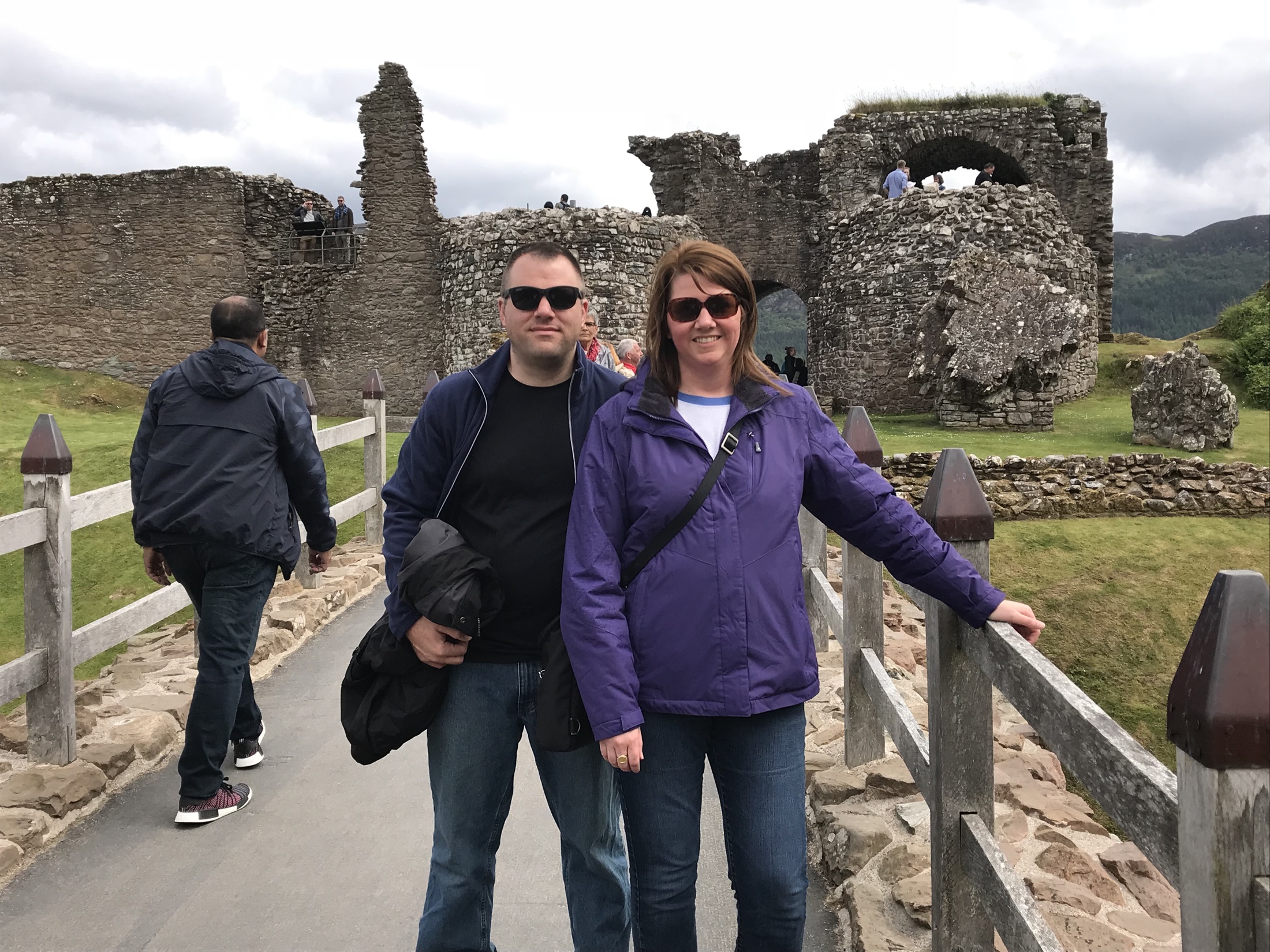
The gatehouse preserves the story of the 1692 destruction. Elsewhere, the remains of the Great Hall, service buildings, early castle, dovecot, and Watergate show that Urquhart was more than a single tower.
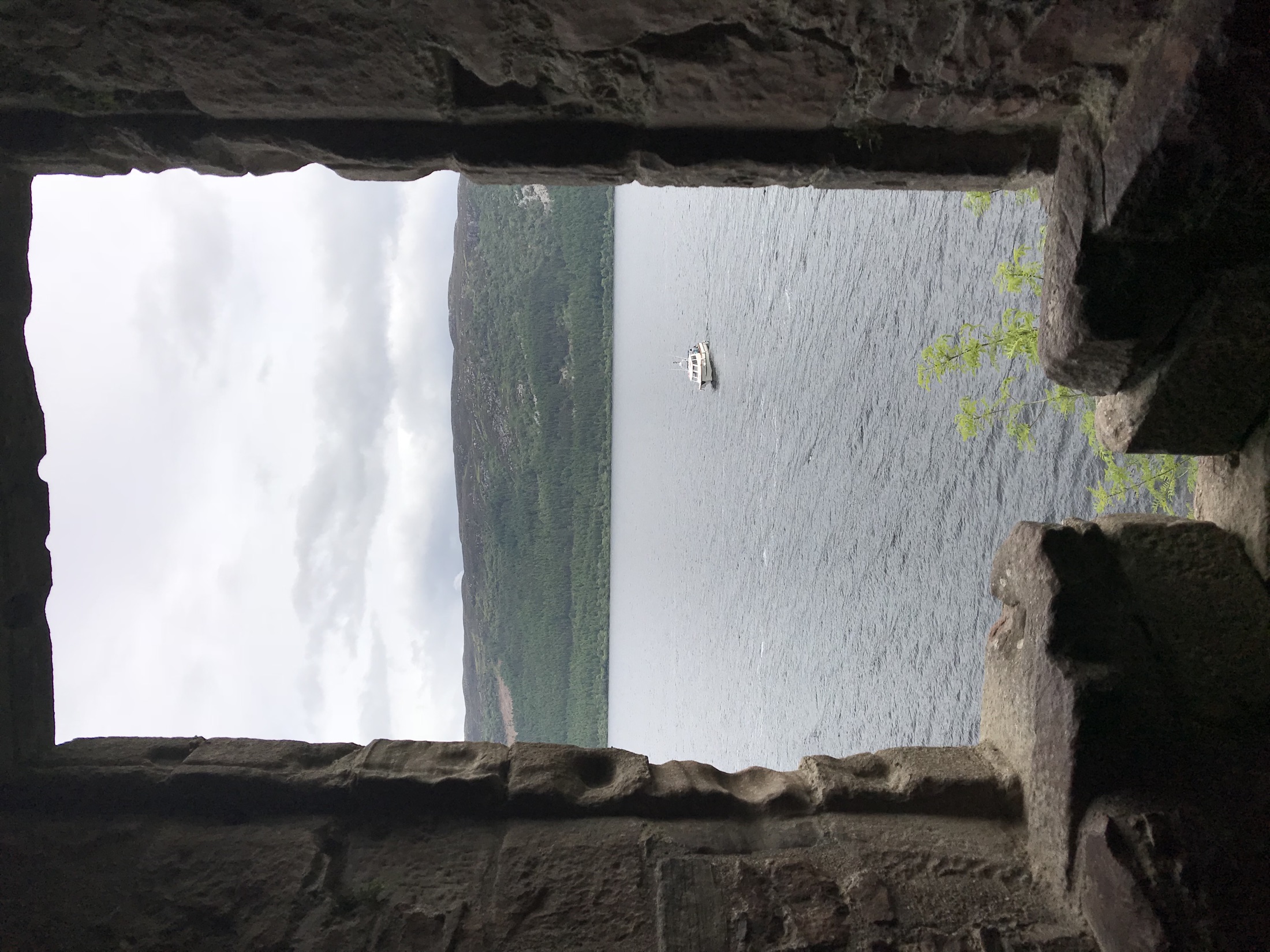
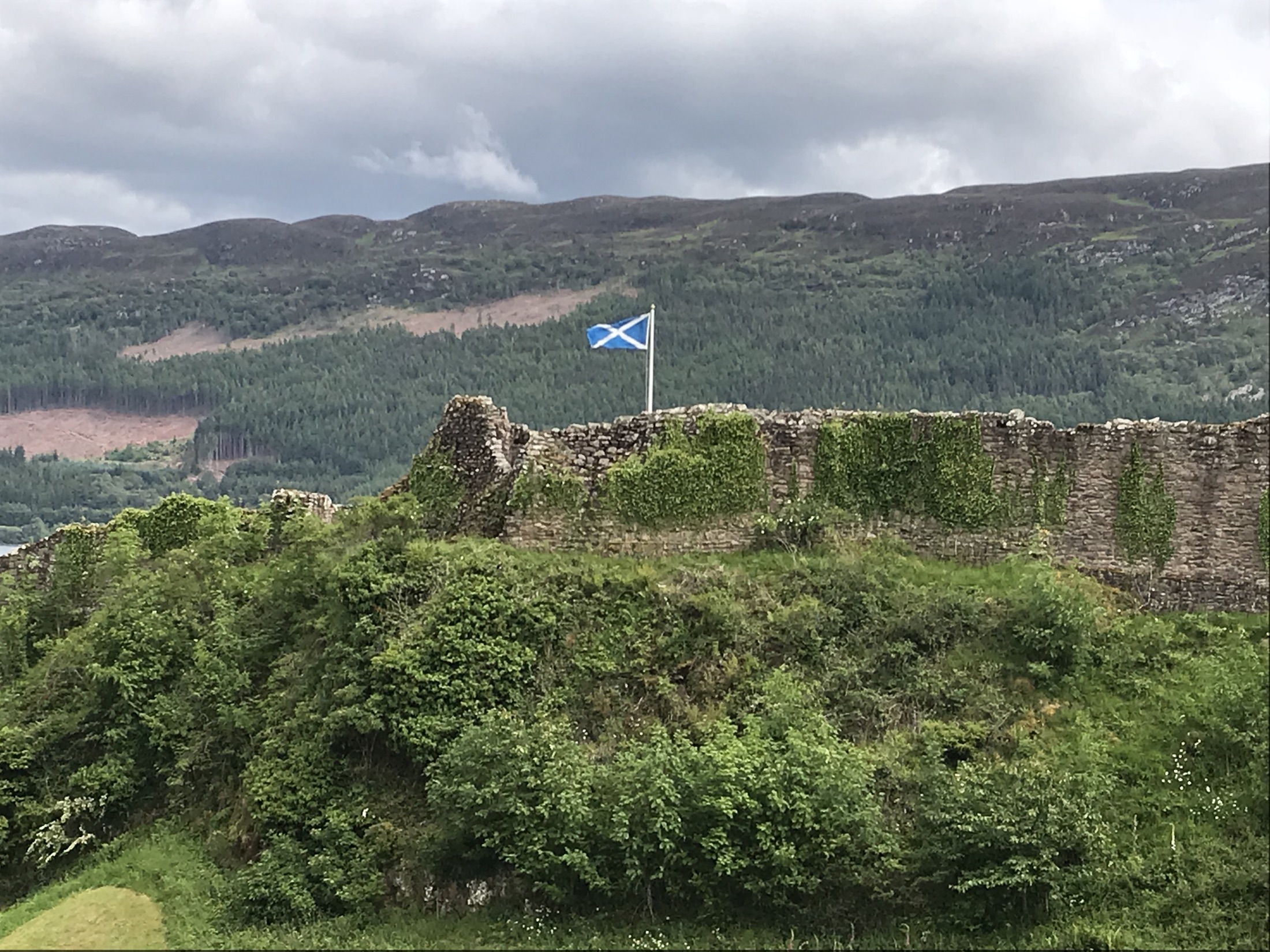
The loch is part of every section. It appears beyond walls, through window openings, and below the paths. Even when the architecture is fragmentary, the relationship between fortress and water stays clear.
What the walking is really like
Urquhart Castle rewards movement, but the terrain deserves honest planning. The route from the visitor centre descends a steep tarmac path to the castle. Main paths are tarmac or bound gravel, yet several highlights require additional slopes or stairs.
Grant Tower is reached by wooden stairs. The Watergate lies down a sloped path and a steep set of steps. The early castle and dovecot sit up another steep, stepped path. Benches are available around the site, and the visitor centre has an adapted toilet.
Historic Environment Scotland lists a small number of wheelchairs and mobility scooters as available on a first-come basis, but they cannot be reserved. I would review the current access details before buying a timed ticket if any member of the group has limited mobility, balance concerns, or difficulty with sustained inclines.
Arriving by Loch Ness cruise
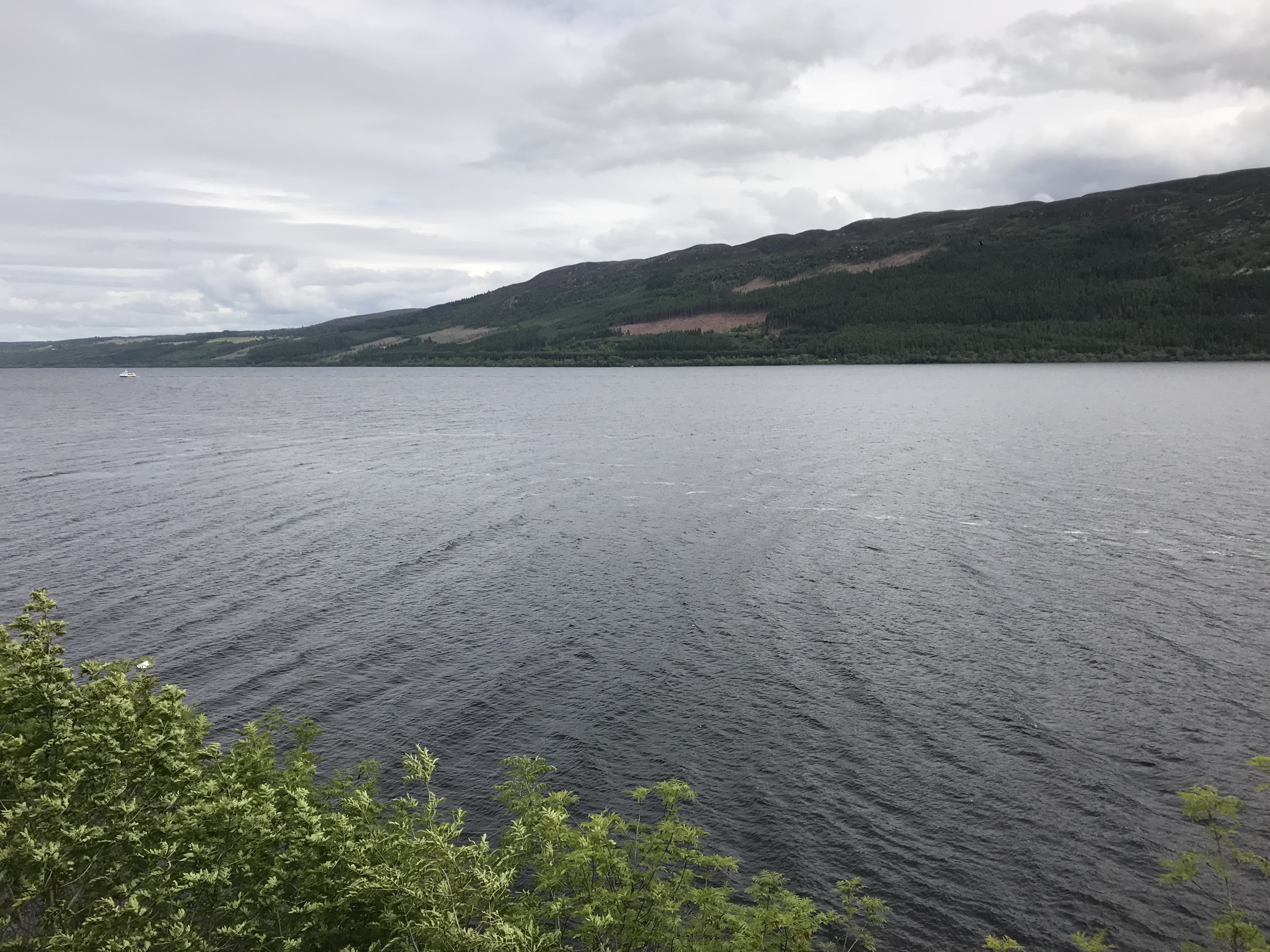
Pairing the castle with a cruise gave the day a natural progression. We experienced Loch Ness as a landscape rather than driving directly to a monument, saw Urquhart from the perspective that made its location most legible, and then explored the ruins on foot.
A cruise also creates constraints. Sailing times, weather, boarding arrangements, and the sequence between boat and castle determine how much time is available. Travelers with mobility concerns should examine both the boat access and the castle’s steep paths rather than reviewing either experience in isolation.
Driving offers more control, but summer demand changes the equation. Historic Environment Scotland warns that tickets can sell out well in advance. Parking is free but limited and is guaranteed only when added to an advance online booking.
Tickets, parking, and timing
Advance booking is the safest choice. As of July 26, 2026, Historic Environment Scotland listed adult admission at £14 online and £16 in person, with separate child, concession, family, membership, and pass options. Prices and hours can change, so use those figures only as a planning reference.
Summer hours are much longer than winter hours, and last entry is one hour before closing. That matters because the visit includes a substantial downhill and uphill walk; arriving near last entry does not create a full hour inside every part of the site.
The visitor centre includes toilets, a shop, and the Lochview Café. Large rucksacks and suitcases are not permitted, and the site cannot store luggage or pushchairs. If Urquhart is part of a travel day, confirm where larger bags will remain before arrival.
How much time do you need?
I would allow 1½–2 hours for most first visits. That is enough to absorb the interpretation, cross the main ruins, climb Grant Tower if desired, take photographs, and return up the hill without turning the castle into a race.
Allow more time for the café, a slower walking pace, detailed photography, or a family that wants to explore every accessible corner. A coach or cruise itinerary may provide a shorter window, which makes priorities important: Grant Tower and the loch-facing ruins would be mine.
Frequently asked questions
Planning an Urquhart Castle visit
Is Urquhart Castle worth visiting?
Yes, especially on a first trip to Loch Ness. The setting, extensive ruins, Grant Tower views, visitor interpretation, and more than 1,000 years of history make it a substantial stop rather than a quick photograph.
How long should you spend at Urquhart Castle?
Allow about 1½–2 hours for the visitor centre, ruins, Grant Tower, photographs, and the walk back uphill. Add time for the café, slower mobility, or a cruise connection.
Should you arrive by boat or car?
Both work, but they create different experiences. Our Loch Ness cruise gave us the memorable first view of the castle from the water. Drivers gain more control over timing, but admission and parking should be booked in advance.
Is Urquhart Castle accessible?
The visitor centre and main site use tarmac or bound-gravel paths, but the route down to the castle is steep. Grant Tower requires wooden stairs; the Watergate and early castle areas include slopes and steep steps. Check the official access information for your specific needs.
Is Urquhart Castle an Outlander filming location?
It is not one of the major Outlander filming locations on this itinerary. We visited because it is an important historic site in a dramatic position on Loch Ness, and it became one of the places where Scotland stood apart from the television connection.
Do Urquhart Castle tickets sell out?
They can, particularly in summer. Historic Environment Scotland says tickets may sell out far in advance and that no additional walk-up tickets are offered once online inventory is gone. Advance booking is the safest plan.
Why this castle stayed with me
Urquhart Castle is memorable because the ruins and Loch Ness cannot be separated. The tower gives scale to the water; the water gives drama to the tower. History explains why the fortress stood here, and the landscape makes that history visible.
Outlander helped lead us to Scotland, but Urquhart was one of the places that moved the trip beyond the series. We did not need to recognize a scene. The real castle, approached across the real loch, was enough.
See where Urquhart Castle fits into our six-day Scotland itinerary →