Personally Experienced · Last verified 2026-08-15
Quick Take
A colorful port day that felt completely different from Aruba
- When we went
- January 2024
- Our day
- Willemstad trolley tour, island bus tour, Caracas Bay, and Landhuis Chobolobo
- Important context
- I had just broken my foot, so we planned around limited walking
- Our takeaway
- A cruise day was too short; we could happily spend a week
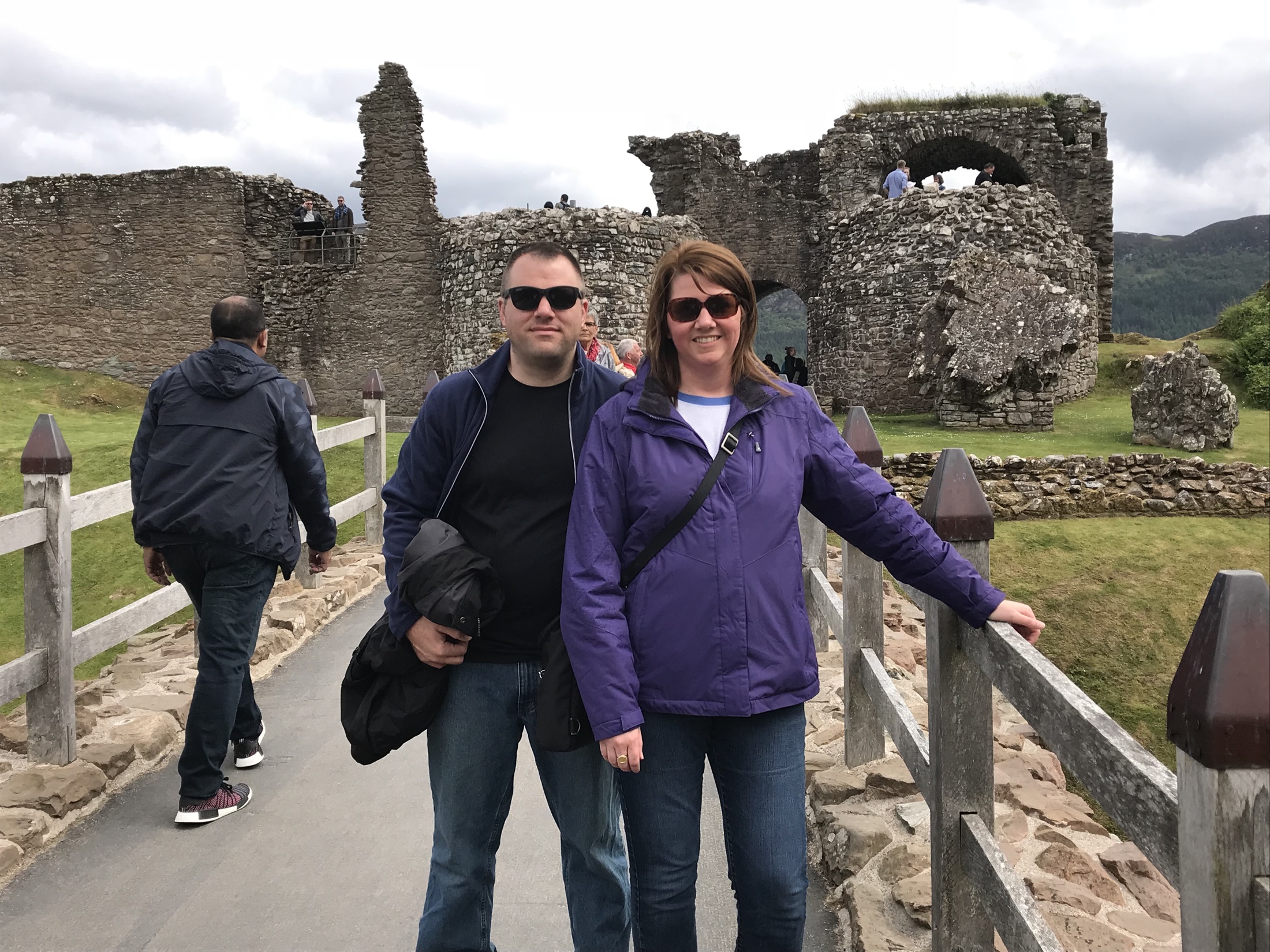
When Brian and I arrived in Curaçao in January 2024, we were not sure what to expect. This was part of a southern Caribbean cruise that had already taken us to The Bahamas and Aruba, and Aruba had been our port the day before. How different could the next island really be?
The answer was: very different. Curaçao felt livelier and more layered to us, with the colorful buildings of Willemstad, the story and flavors of Curaçao liqueur, busy streets, public art, water views, and neighborhoods that made us want to keep looking around the next corner. Aruba had shown us a dry interior, a rugged coast, and beaches we wanted to return to. Curaçao made us picture an entire week of city time, beaches, food, history, and island drives.
Our day came with one major limitation: I had just broken my foot. We could not build the visit around long walks, steep climbs, or a beach that required a difficult approach. Instead, we combined an open-air trolley tour of Willemstad with a bus tour to Caracas Bay, Landhuis Chobolobo, and scenic drives across the island's bridges. That was not the port day we might have planned under different circumstances, but it gave us a surprisingly broad introduction without asking too much of my foot.
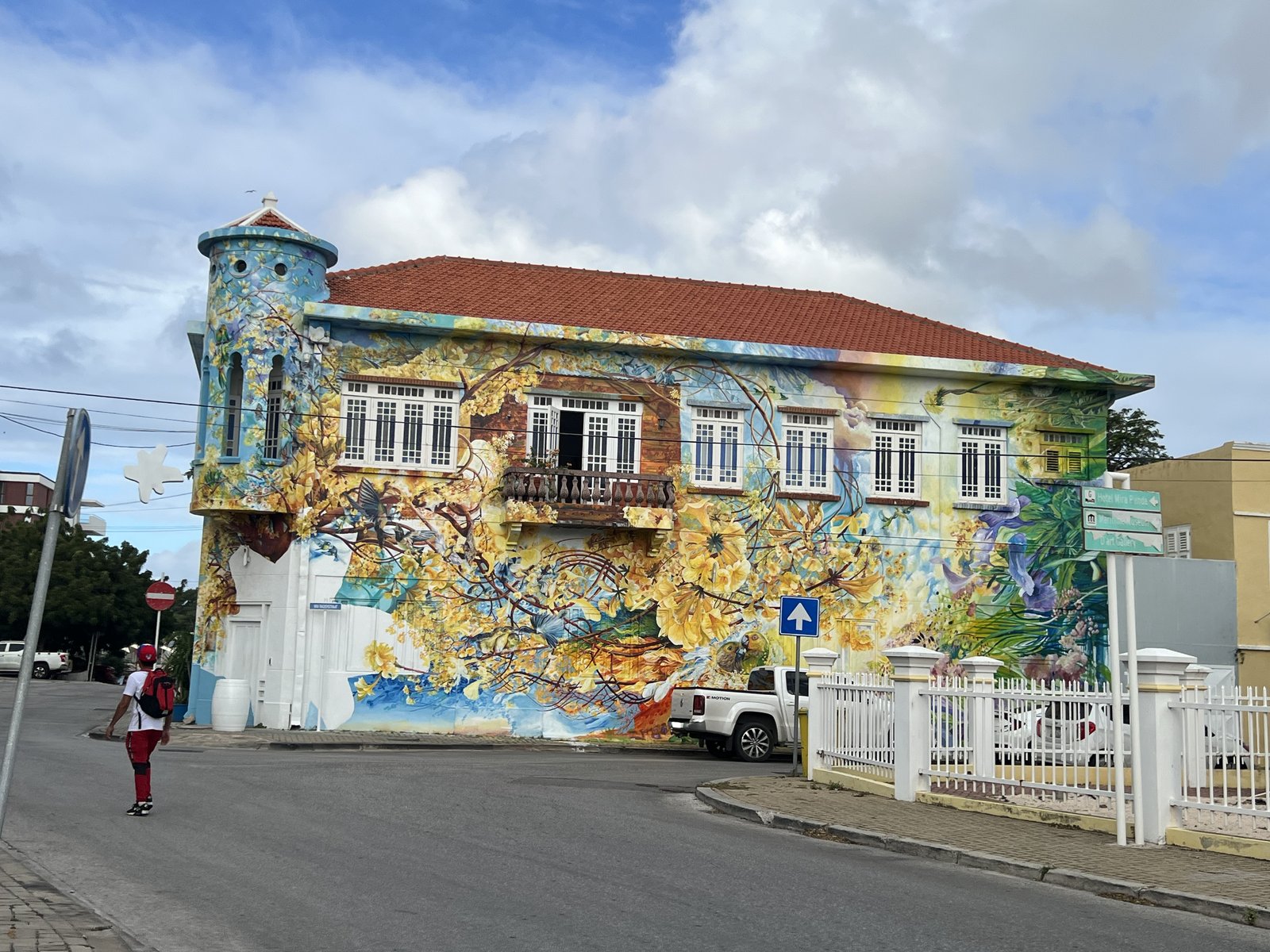
What Curaçao Is Known For
Curaçao is the C in the ABC Islands—Aruba, Bonaire, and Curaçao—a trio in the southern Caribbean near the coast of South America. It is an autonomous country within the Kingdom of the Netherlands, and its location, languages, food, architecture, and history give it a character that does not fit into a single beach-island description.
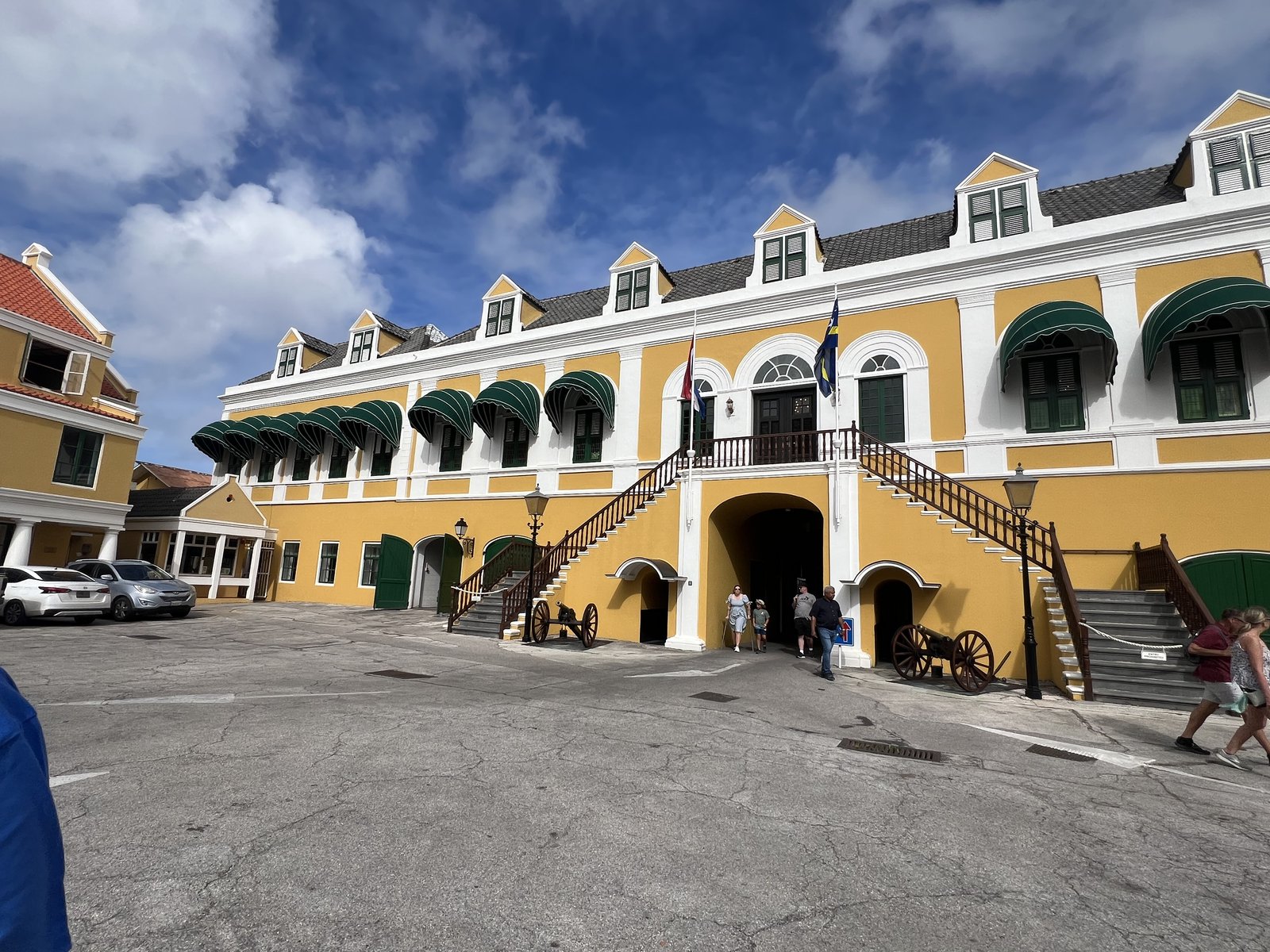
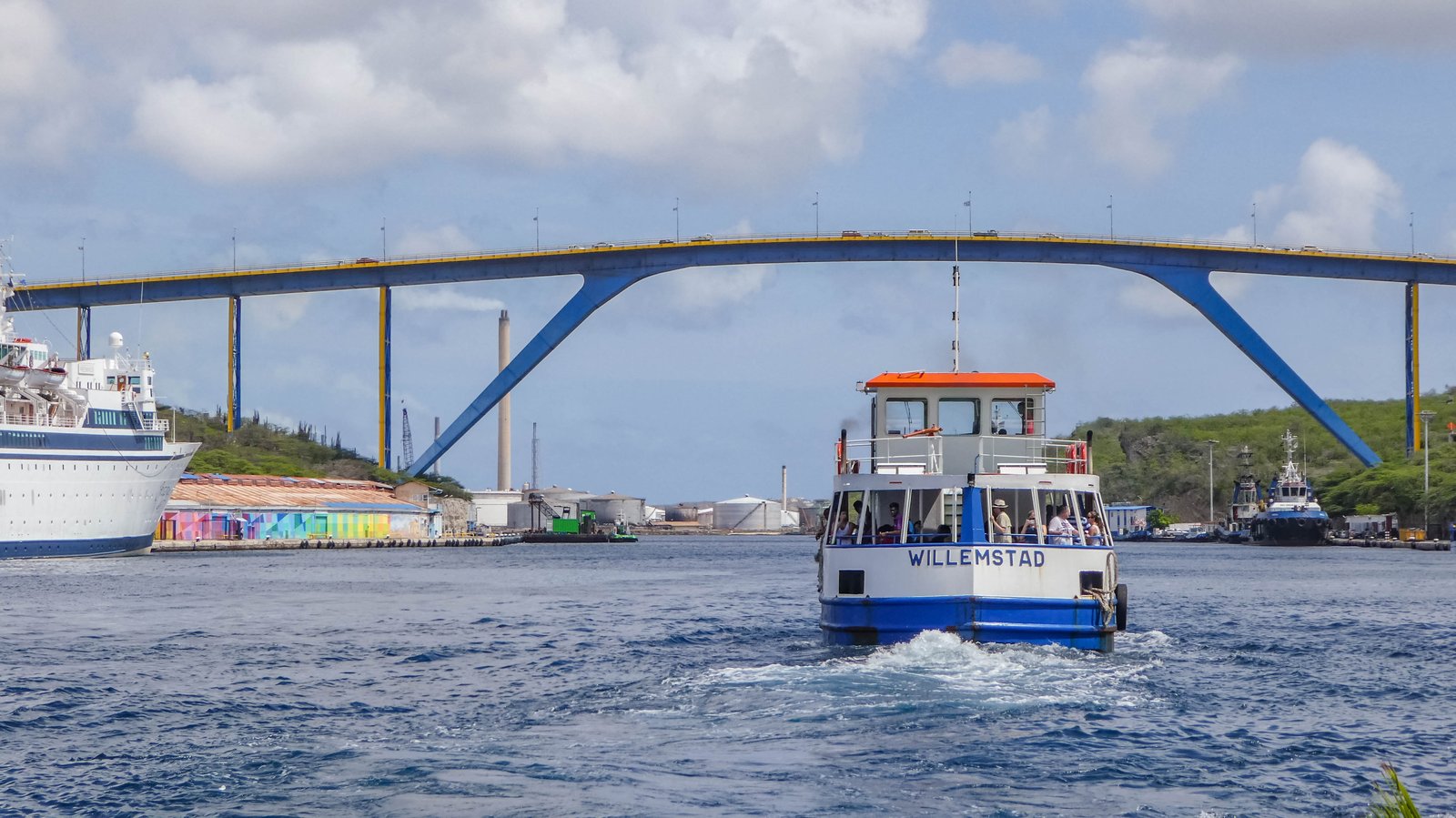
The most recognizable view is Willemstad's Handelskade waterfront, where bright Dutch-influenced façades line Sint Anna Bay. Historic Willemstad includes the districts of Punda, Otrobanda, Pietermaai, and Scharloo, and the historic city and harbor have been a UNESCO World Heritage Site since 1997. The Queen Emma floating pontoon bridge connects Punda and Otrobanda for pedestrians, while the much higher Queen Juliana Bridge carries vehicles above the harbor and opens a remarkable view over the city.
Beyond Willemstad, the island is known for swimming, snorkeling, and shore diving; more than 35 beaches; trips to the uninhabited island of Klein Curaçao; the rough inlets of Shete Boka National Park; and Christoffel Park, the island's largest national park. Popular beach choices include Grote Knip, Cas Abao, Playa Porto Mari, Playa Lagun, Playa Piskado, Mambo Beach, and Jan Thiel Beach. They are not interchangeable: some are quieter coves, some are especially appealing for snorkeling, and others offer beach-club amenities that make an easy full day.
Curaçao is also known for its art, multicultural food, restored landhuizen, and the orange liqueur that shares the island's name. That mix is what makes a longer stay so appealing. A traveler can spend one day in a historic city, another along the west-coast beaches, another hiking or watching the north-coast surf, and another almost entirely in or on the water.
Seeing Willemstad from the Trolley
Because walking was difficult for me, the open-air trolley train was an easy way to begin. It took us through Willemstad while a guide introduced the city's districts, architecture, landmarks, and everyday street scenes. I could take in the color and movement without pretending my foot was ready for a long self-guided walk.
This is one of the tradeoffs of a short port day: a trolley window cannot replace wandering slowly through Punda, crossing the Queen Emma Bridge, stopping in Otrobanda, or following the street art through Scharloo. But for our circumstances, the tour helped us understand the shape of the city and decide what we would want to revisit with more time and better mobility.
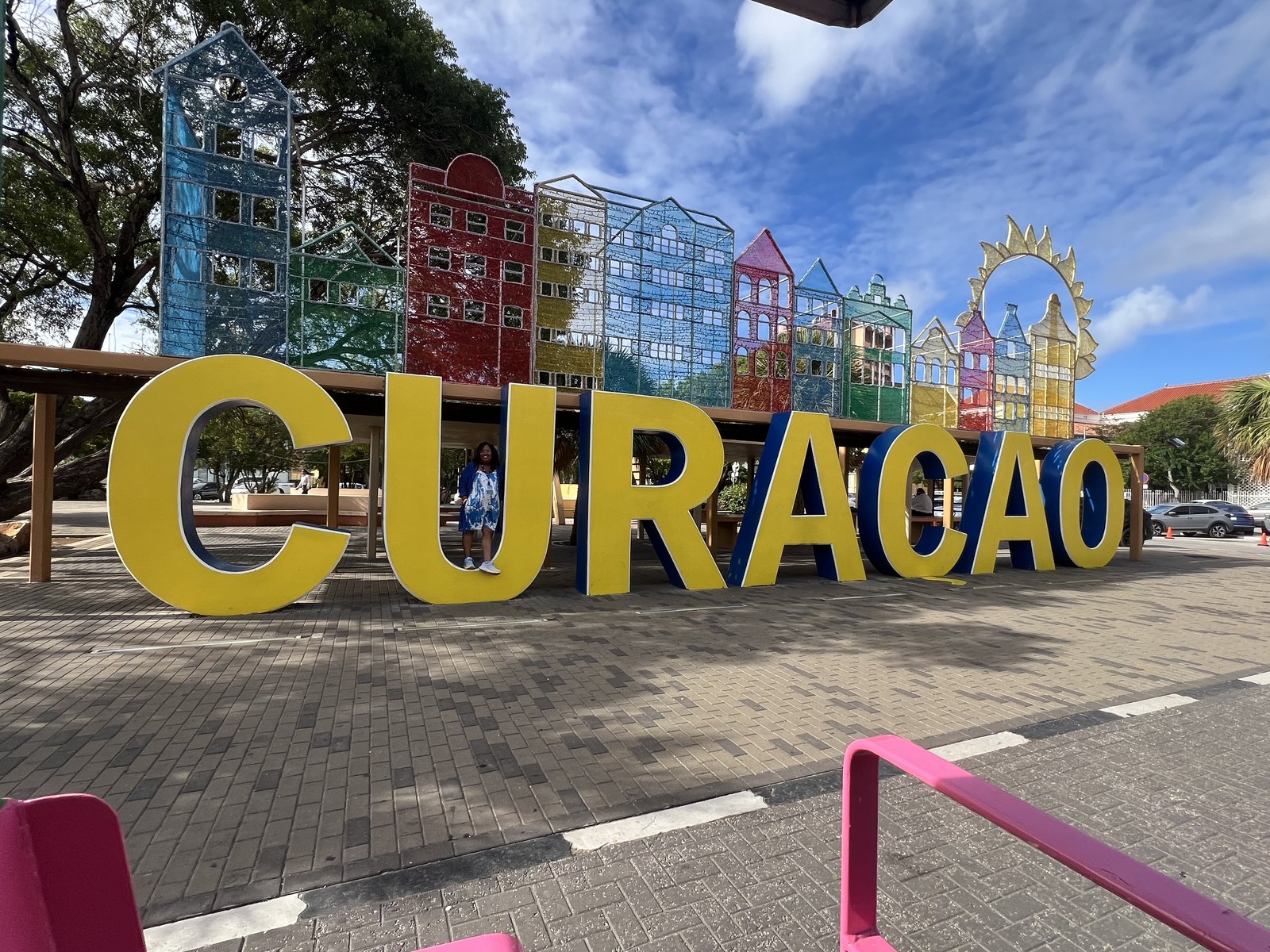
We stopped for a quick photo at the large Curaçao sign along the way. With the bright yellow letters and colorful outlines of Willemstad behind them, it felt like a fitting snapshot of an island that had already surprised us with its personality.
Caracas Bay and an Island Scenic Drive
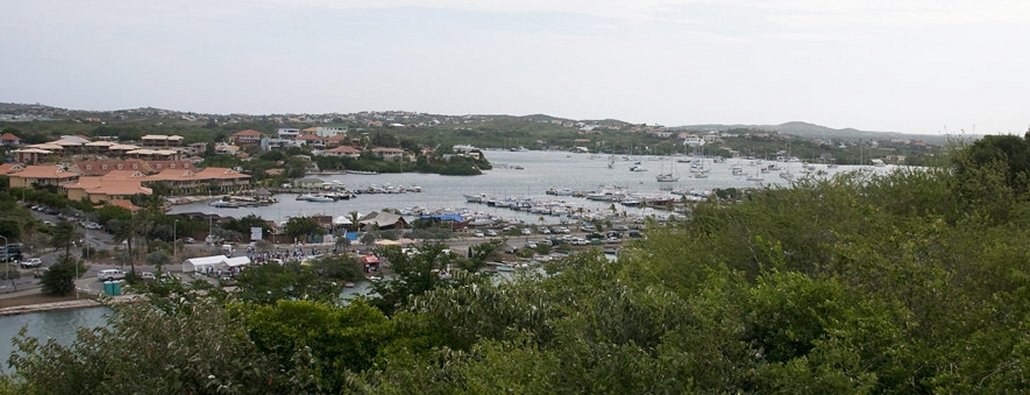
Our bus tour took us south and east toward Caracas Bay, giving us water views and a look at more of the island beyond central Willemstad. The bay and the nearby Spanish Water area are popular for boating, snorkeling, diving, and coastal scenery. One of Curaçao's best-known snorkel and dive sites, the shallow Tugboat wreck, sits just offshore in the Caracasbaai area.
We were there for the view rather than a water excursion, which suited the day we were having. If we return with a week, I would treat this part of the island differently: choose a boat, snorkel, or relaxed waterfront experience and give it enough time to be the point of the day, rather than one stop on an island overview.
The drive itself was part of the experience. Curaçao's waterways and bridges kept revealing new angles over Willemstad, and the high Queen Juliana Bridge gave us the sweeping view down over Punda, Otrobanda, the harbor, and the city that I remember most clearly. From a bus, we could enjoy that perspective without adding a demanding walk.
Landhuis Chobolobo and Curaçao Liqueur
Landhuis Chobolobo was the most distinctly Curaçao stop on our tour. The historic country house is home to the Curaçao Liqueur Distillery, where the visit connects the island's history with the distillation process behind the Genuine Curaçao Liqueur made by Senior & Co.
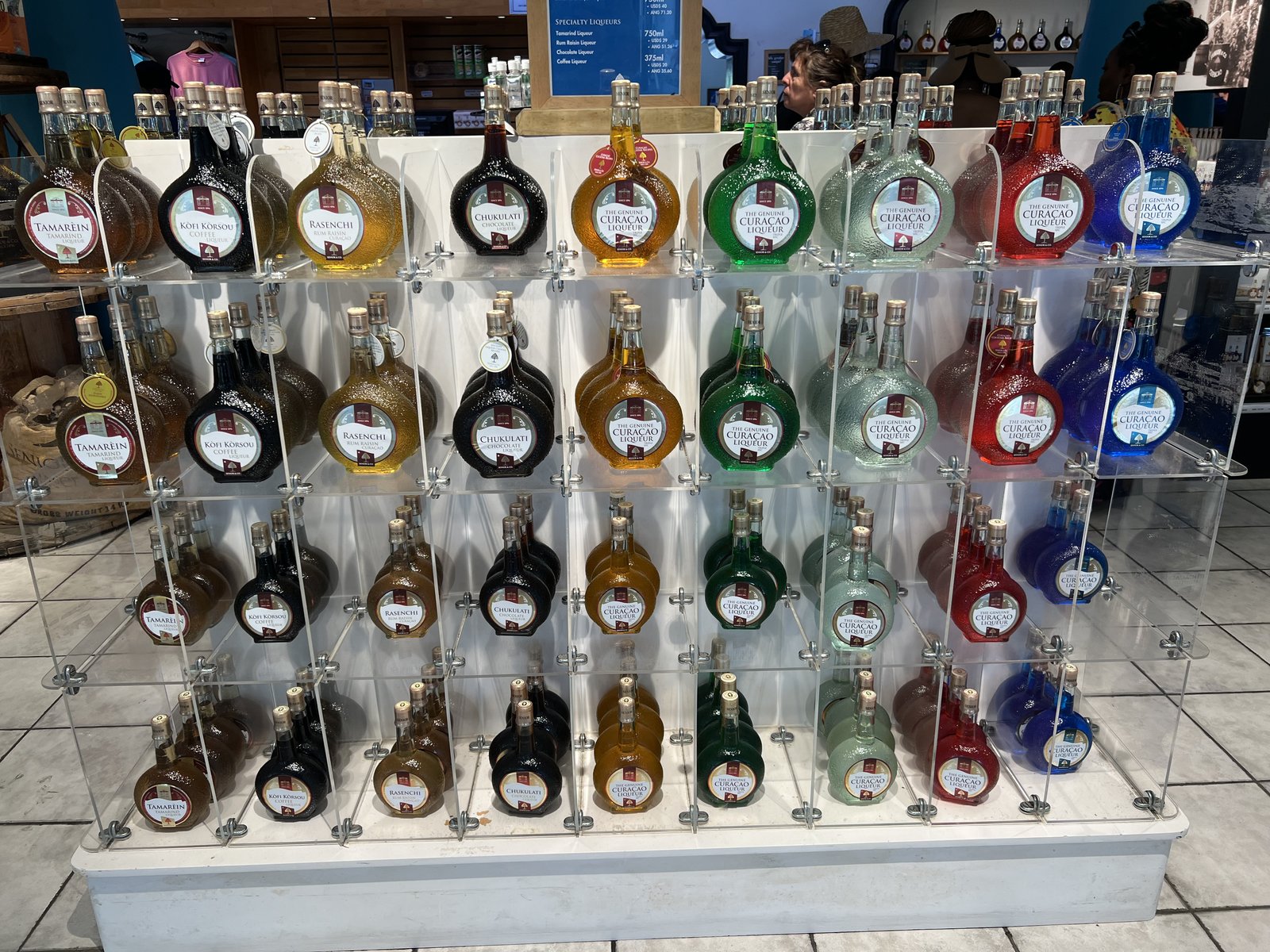
The story begins with the Laraha orange. Sweet Valencia oranges did not thrive in Curaçao's arid climate, but the fruit that developed on the island had peels with fragrant oils. Those dried peels became the defining ingredient in the distillery's Curaçao liqueur. Blue may be the color most travelers recognize, but the display we saw included orange, green, clear, and several specialty flavors. The color changes the look, not the basic orange character of the traditional liqueur.
The distillery tour added something we had not experienced in Aruba the day before. It was not simply a shopping stop; it gave the island's name, climate, agriculture, and cocktail history a shared story. Even with limited walking, we could see the mansion, learn about the process, and enjoy a stop that felt specific to the place.
Aruba, Bonaire, or Curaçao? How the ABC Islands Differ
The ABC Islands are close enough to be grouped on cruise itineraries, but they should not be treated as three copies of the same destination. We experienced Aruba and Curaçao on back-to-back days in 2024. Bonaire was not part of this cruise, so the Bonaire comparison here is researched guidance rather than firsthand experience from this trip.
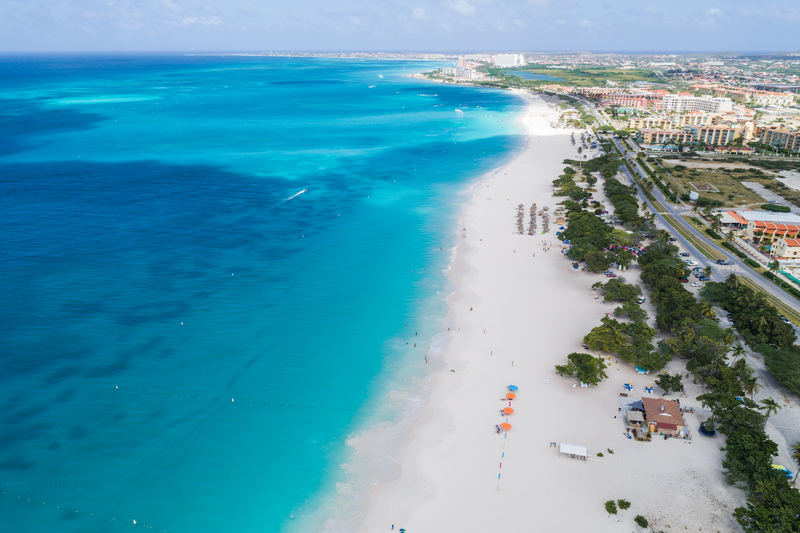
Aruba felt easiest to understand as a first-time visitor: famous resort beaches, a dry cactus-covered interior, the rugged north coast, and well-known island-tour stops such as the aloe factory, Casibari Boulders, the Natural Bridge area, and California Lighthouse. It is a strong fit for travelers who want a polished beach vacation with restaurants, resorts, shopping, and water activities close at hand.
Bonaire is the ABC choice I would put first for a traveler whose trip revolves around the reef. Its official tourism site highlights more than 85 dive sites, and the island is especially associated with shore diving, snorkeling, marine conservation, windsurfing, and quieter nature-focused time. Kralendijk, Klein Bonaire, the salt flats and flamingos, and Washington Slagbaai National Park often shape a visit. That sounds wonderful for the right traveler, but it is a different promise from Aruba's resort scene or Curaçao's city-and-island mix.
Curaçao felt like the broadest combination to us. It has beaches and serious diving, but Willemstad adds a UNESCO-listed historic city, colorful architecture, food, art, nightlife, and neighborhoods that can fill several days before the island's parks and west-coast coves even enter the plan. If Aruba made us want a slower beach return, Curaçao made us want a fuller island vacation.
I would not choose among the three by asking which island is 'best.' I would ask what should anchor the trip: resort ease and broad beaches in Aruba, reef access and a quieter nature focus in Bonaire, or the strongest blend of city, culture, beaches, and island exploration in Curaçao. A cruise that visits more than one is a useful introduction, but each island rewards a different kind of longer stay.
What I Would Do with a Week in Curaçao
A longer Curaçao trip would start with at least one unhurried Willemstad day. I would cross the Queen Emma Bridge on foot, spend time in both Punda and Otrobanda, follow more of the street art into Scharloo and Pietermaai, stop for local food, and see the waterfront after dark. Our trolley tour showed us the outline; next time I would want the details.
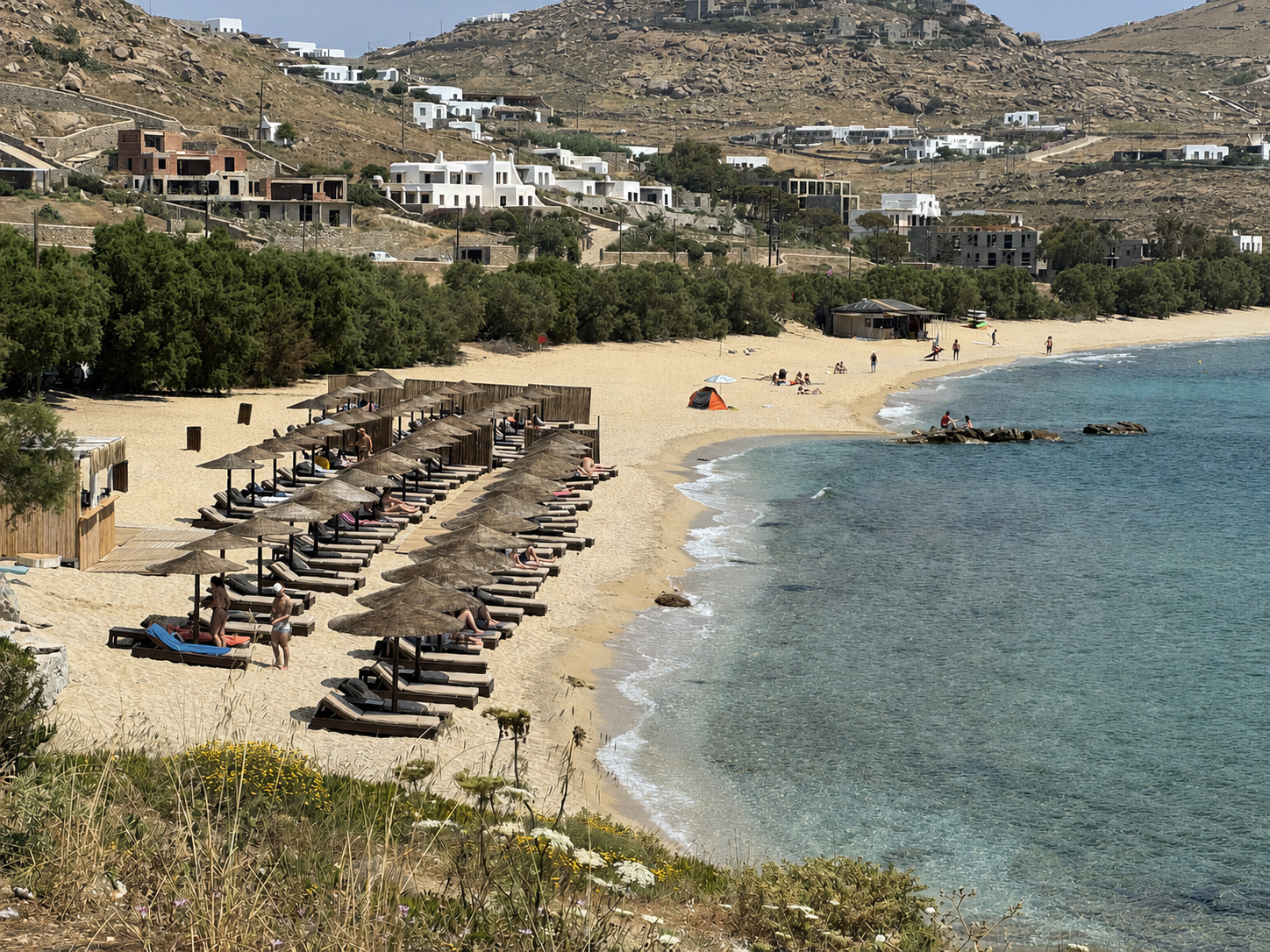
I would also reserve separate days for the water and the west side of the island. Grote Knip, Cas Abao, Playa Porto Mari, and Playa Lagun are all popular for different reasons, while Playa Piskado is known for turtles near the fishing activity. A snorkeling or diving day around Caracas Bay, a boat trip to Klein Curaçao, or a slow beach day would each deserve its own space rather than being squeezed between city stops.
For land-based exploring, Christoffel Park and Shete Boka National Park would be high on the list. Christoffel offers the island's largest protected nature area and hiking, while Shete Boka is about the rough north coast, wave-carved inlets, and sea caves. Hato Caves, restored landhuizen, the salt pans, food experiences, and more art could easily fill the remaining time.
That is why a week no longer sounds excessive to me. It sounds like enough time to balance the city, beaches, water, and island interior without forcing every day into a tour bus schedule.
Our Takeaway
Curaçao surprised us because it did not feel like Aruba repeated. The trolley, Caracas Bay, Landhuis Chobolobo, colorful buildings, and high views over Willemstad gave us a full day even while my broken foot limited how much we could walk.
What the day did not give us was a sense of being finished. We missed the beaches, the water, the national parks, and the experience of letting Willemstad slow down around us. Curaçao was one of the clearest reminders we have had that a cruise port can introduce an island without coming close to containing it. If we have the chance to return, I would happily trade one port day for a week.