
Researched Travel Guide
A beach vacation sounds simple.
Choose a place beside the water, reserve somewhere to stay, pack a swimsuit, and spend a few days relaxing.
But beaches differ far more than they first appear. Some are lined with restaurants, hotels, entertainment, and familiar family traditions. Others require a ferry, boat, or long drive to reach. Some offer warm water and broad stretches of pale sand, while others are defined by rocky cliffs, volcanic shorelines, strong waves, or cool coastal weather.
The right beach is not necessarily the most famous or photographed one. It is the place that provides the combination of atmosphere, activities, accessibility, and pace you want from the trip.

In the South, the beach can feel like a family tradition
For many families in North Carolina and throughout the South, a beach vacation is not an unusual or once-in-a-lifetime trip. It is part of the yearly rhythm.
Families often return to the same beach for decades. Grandparents introduce their children to a particular town, rental house, restaurant, or fishing pier. Those children eventually return with families of their own.
The destination may have been selected years ago because someone discovered an affordable cottage, liked the drive, or knew another family who vacationed there. Over time, that choice becomes tradition.
The same grocery store, ice-cream shop, seafood restaurant, and stretch of sand become part of the experience. Travelers know which roads become congested on check-in day, where to find breakfast, and which section of the beach feels most familiar.
There is real value in returning to a place you know. A familiar beach reduces decision-making and allows the vacation to begin more quickly. It also creates a shared history. Family photographs taken years apart may show different generations standing in nearly the same place.
The Outer Banks offer distance and a sense of place
The Outer Banks stretch along a chain of barrier islands off North Carolina’s coast.
The area includes several communities, landscapes, and travel styles rather than one single beach experience. Some sections offer convenient access to restaurants, attractions, and vacation homes. Others feel quieter, narrower, or more removed from everyday life.
The geography shapes the trip. Driving distances can be longer than expected, especially when traveling between communities or attractions. Wind and weather are part of the experience.
The Outer Banks can appeal to travelers who enjoy long stretches of shoreline, beach houses for families or groups, lighthouses, maritime history, fishing, watersports, wildlife, scenic drives, and quiet evenings centered around the house or beach.
For some families, that distance is exactly the point. The drive onto the islands creates a sense that ordinary routines have been left behind.

Beaches near cities offer a different kind of convenience
Not every traveler wants to feel remote.
Beaches near Wilmington—including Wrightsville Beach, Carolina Beach, and Kure Beach—allow visitors to combine time by the ocean with restaurants, shopping, museums, gardens, and other regional experiences.
Myrtle Beach, across the state line in South Carolina, offers a larger resort environment with extensive entertainment, golf, dining, attractions, and accommodations. It can work well for families who want the beach to be one part of a busier vacation.
Large Florida beach destinations provide still another experience. Travelers can choose among Gulf Coast sunsets, Atlantic waves, resort communities, nightlife, watersports, theme-park extensions, and beach towns ranging from quiet to highly developed.
A more built-up destination may offer easier access to restaurants, groceries, airports, rainy-day entertainment, nightlife, and a greater range of accommodations. The tradeoff may be traffic, higher demand, denser development, and a less secluded atmosphere.
Neither option is automatically better. Some travelers relax when everything is nearby. Others need fewer buildings and less activity to feel that they have truly escaped.
Sometimes the best beach is harder to reach
A ferry schedule or boat ride can add complexity to a trip, but it can also protect the quiet atmosphere travelers are seeking.
The East Coast includes beaches and islands where access is limited or primarily available by boat. In North Carolina, Cape Lookout National Seashore and parts of the barrier islands can provide a more isolated coastal experience. Bald Head Island is reached by passenger ferry and limits conventional automobile traffic.
Farther south, destinations such as Cumberland Island in Georgia and Dry Tortugas National Park in Florida require additional transportation planning.
Questions to ask include:
- How do we reach the island, and does transportation require reservations?
- What happens if weather affects the ferry?
- Can we bring a vehicle?
- Will groceries and restaurants be available?
- Do we need to carry water, food, or equipment?
- Is cellular service reliable?
- How much luggage can we reasonably bring?
- Are the accommodations appropriate for our group?
The extra effort may be worthwhile for travelers seeking quiet beaches, fewer crowds, wildlife, dark skies, or time that feels less structured.
A remote beach still requires realistic expectations
Seclusion can sound ideal until the practical details become inconvenient.
A small island may not have the restaurant variety a family expects. A ferry departure may determine the entire day. Weather can interrupt plans. Travelers accustomed to full-service resorts may discover that serenity comes with fewer services.
Before choosing a remote beach, consider what “relaxing” means to you.
Does relaxation mean having nothing scheduled and few people nearby? Or does it mean knowing that meals, activities, housekeeping, and transportation have already been arranged?
The best remote destination is one whose limitations feel like part of the escape—not a series of unpleasant surprises.
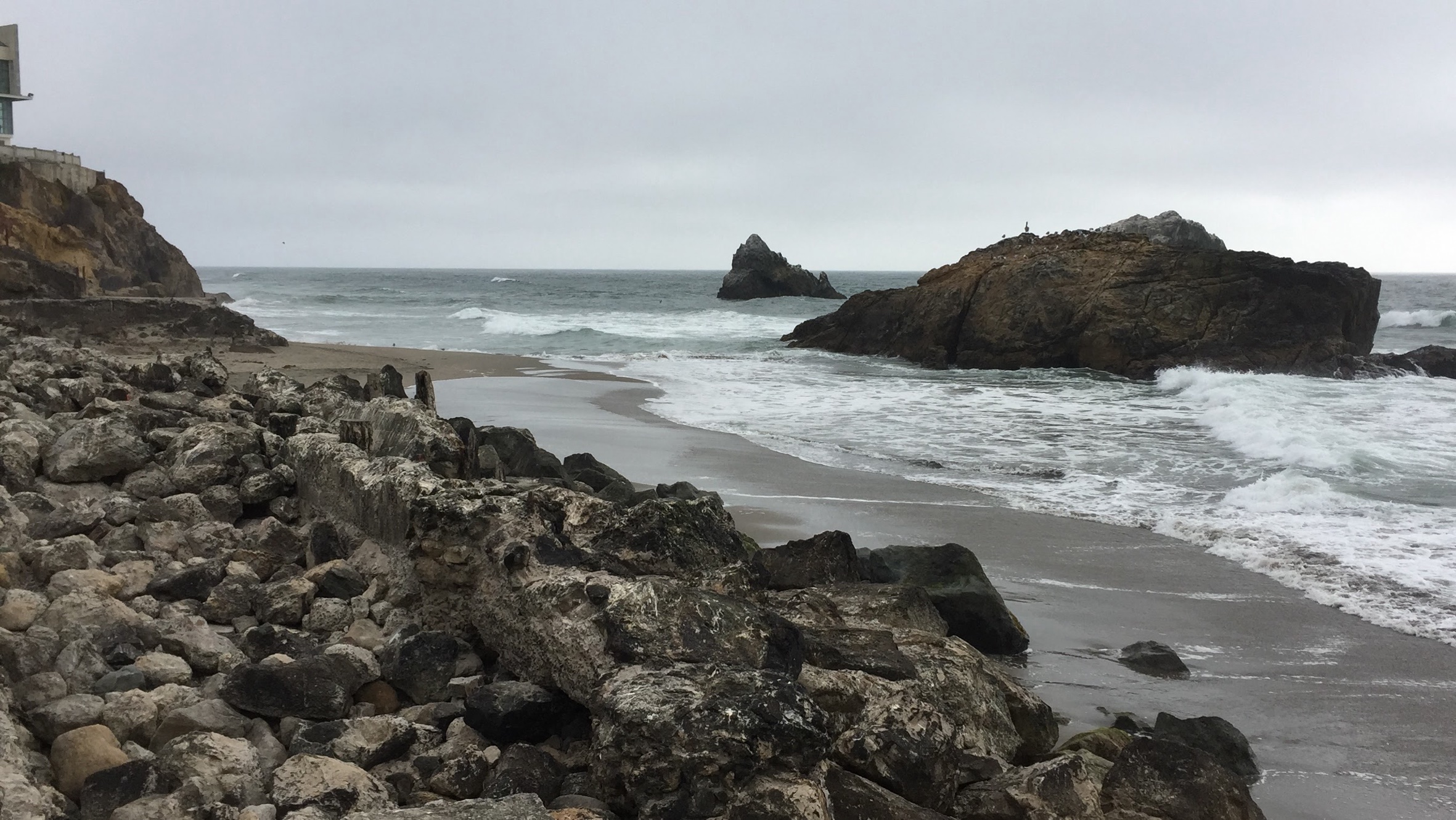
West Coast beaches follow a different rhythm
Travelers familiar with beaches in the Carolinas, Florida, or the Gulf Coast may arrive at a West Coast beach with very different expectations.
California offers many traditional beach experiences, but water temperatures, waves, marine conditions, and weather vary considerably along the coast. A beach near San Diego may feel entirely different from one near San Francisco or farther north.
In Oregon and Washington, the coastline can be dramatic, rugged, cool, windy, and misty. These beaches are beautiful throughout the year, but they are not always swimming-and-sunbathing destinations.
For much of the year, a Pacific Northwest beach day may involve walking in a jacket, exploring tide pools, watching storms, photographing sea stacks, hiking through coastal forests, visiting lighthouses, and appreciating the ocean without entering it.
During warmer summer periods, the experience may feel more familiar to travelers expecting sand and sunshine. Even then, the water can remain quite cold.
A beach does not have to provide tropical weather to be worthwhile. It simply needs to match what the traveler expects to do there.
Consider what you actually do at the beach
People sometimes select a beach based on appearance without thinking about how they prefer to spend their days.
Some travelers want to swim for hours. Others rarely enter the water. Your ideal beach may depend on whether you enjoy swimming, surfing, fishing, boating, snorkeling, walking, shelling, reading, restaurants, nightlife, wildlife, photography, historic sites, shopping, or doing almost nothing.
Also consider waves, currents, water temperature, tides, seasonal wildlife, beach width, accessibility, and the availability of lifeguards.
A beautiful beach may be poorly suited to swimming. Another may be perfect for children because of calmer water and nearby facilities. A rocky shore may be memorable for walking and photography but uncomfortable for a traditional beach day.
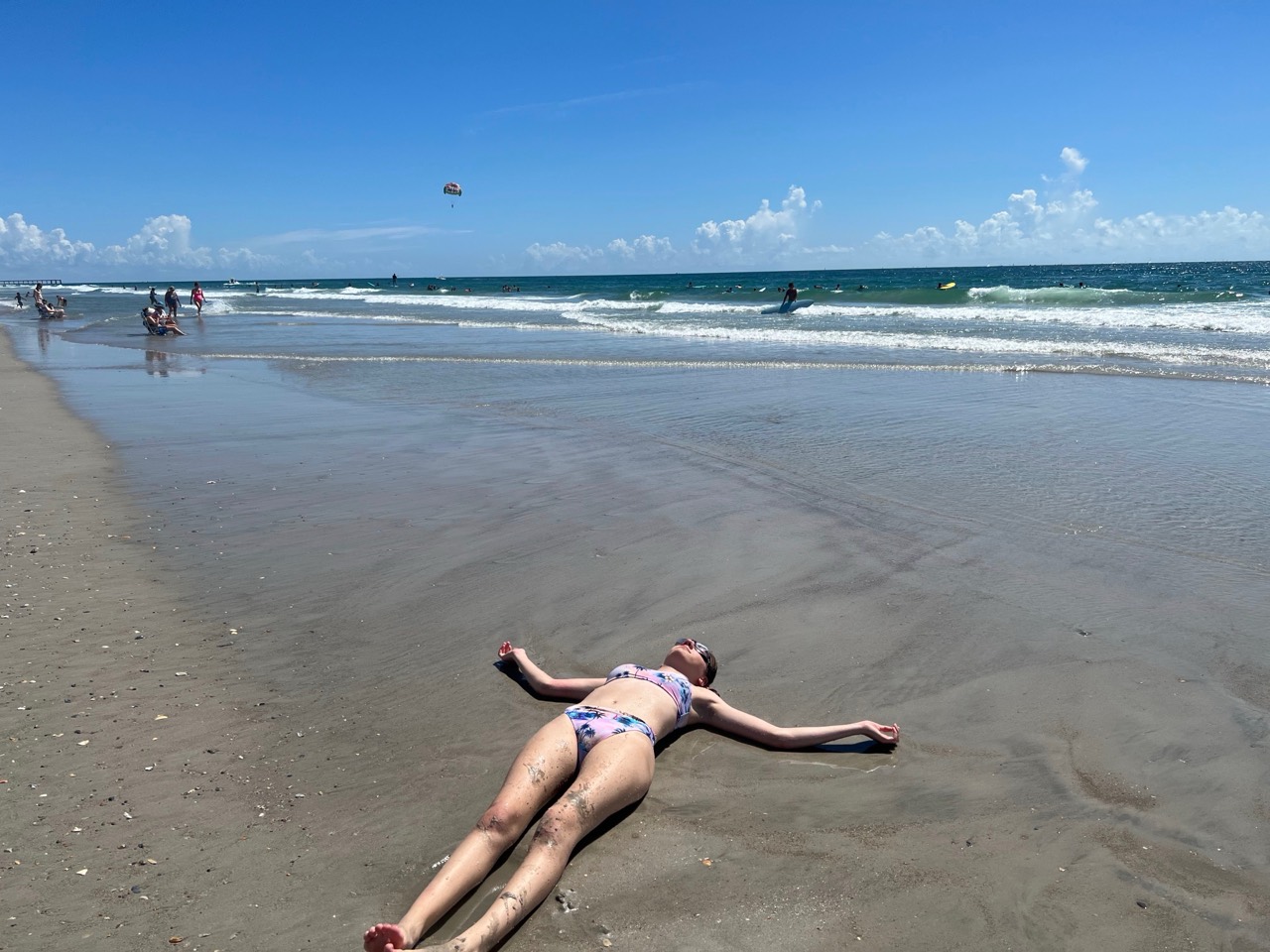
International beaches add culture to the coastline
A beach trip outside the United States can combine time by the water with food, history, architecture, language, and local traditions.
The iconic Greek islands are known for whitewashed villages, clear water, cliffs, coves, and ferry-connected communities. But each island has its own atmosphere. Some are known for nightlife and luxury, while others offer quieter villages, hiking, history, or a slower pace.
Italy offers beach experiences along the Amalfi Coast, Sicily, Sardinia, Puglia, Liguria, and numerous smaller coastal areas. Travelers may encounter pebble beaches, private beach clubs, small coves, steep stairs, and towns built into hillsides.
The French Mediterranean combines beaches with resort towns, markets, museums, restaurants, and historic communities. Portugal offers the Algarve’s cliffs and coves, Atlantic surf beaches, coastal cities, and island landscapes in Madeira and the Azores.
These destinations may differ from the wide American beaches travelers know. A European beach may be pebbled rather than sandy, reached by stairs, divided between public and private areas, organized around rented chairs, served by ferries, or located directly beside a historic town.
The beach may not be the entire vacation. It may be the place where travelers slow down between cultural experiences.
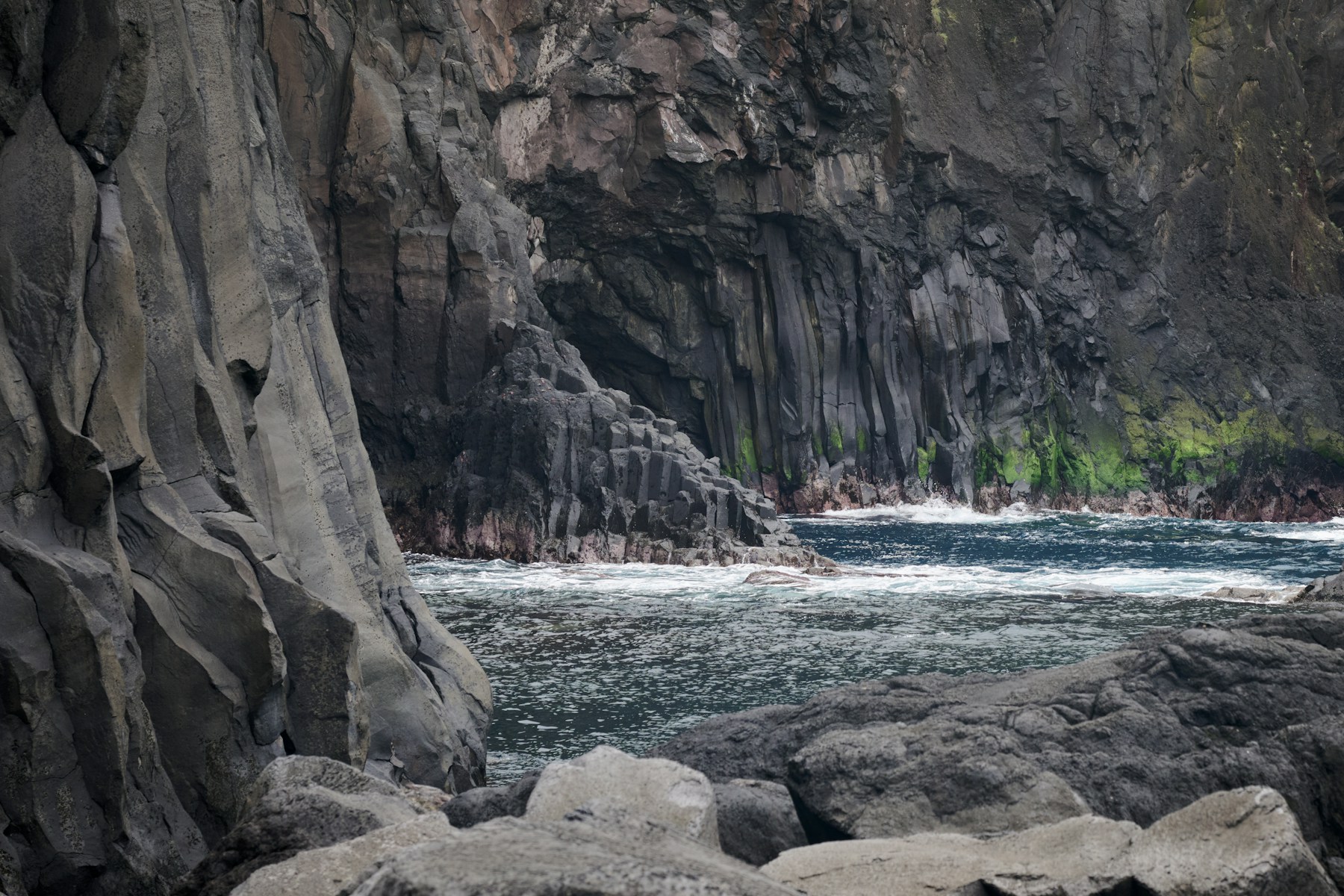
The Azores gave us a completely different beach experience
For one traveler, that may mean a wide North Carolina beach and a house filled with extended family. For another, it may mean a quiet Greek cove, a cliffside town in Portugal, or black volcanic rock beside the Atlantic in the Azores.
No white sand is required.
No matter the color of the shoreline, your beach is your beach.
The season changes the beach
Beach destinations are highly seasonal.
A town that feels lively and full-service in July may become quiet in October. Restaurants may reduce their hours, rental inventory may change, and lifeguards or recreation services may no longer be available.
At the same time, shoulder season can offer cooler temperatures, lower crowds, and a more peaceful atmosphere—as our family found during a sunny winter visit to Myrtle Beach.
Before choosing dates, consider water and air temperatures, storm seasons, seasonal wildlife, lifeguard schedules, ferry operations, restaurant hours, local events, and whether swimming is essential to the trip.
Choose accommodations around the trip you want
The place you stay affects how the beach vacation feels.
A large rental home may work well for an extended family that wants a shared kitchen, laundry, multiple bedrooms, and space to gather. A resort may be better for travelers who want pools, food service, activities, and fewer household responsibilities.
A city hotel can support a trip that mixes beach time with restaurants and sightseeing. A small inn may create a quieter experience but offer fewer amenities.
Consider whether you want to cook, need walking access to the beach, value a pool or ocean view, require easy parking or accessibility, and what the group will do if it rains.
The right beach is personal
There is no single best beach destination.
Some travelers want the familiar traditions of an annual Carolina beach week. Others want restaurants, activities, and a city nearby. Some are happiest after taking a ferry to a quiet island with very few services. Others dream about the cliffs of Greece, the coast of Italy, or Portugal’s Atlantic islands.
A beach can have white sand, dark volcanic rock, pebbles, dunes, cliffs, or sea stacks.
What connects these places is the water—and the feeling people find beside it.
The sound of the waves, the smell of the air, the changing light, and the permission to move more slowly can make very different coastlines feel familiar.
The best beach is the one that provides the version of relaxation you were hoping to find.