Personally Experienced
Explore United States
Quick Take
When a tour is worth building into the trip
- Best for
- Travelers with a real interest in the subject—not simply another item to check off.
- Reserve early
- Backstage access, small groups, and limited-date experiences can sell out well before a trip.
- Before booking
- Confirm access, physical requirements, photography rules, what is included, and cancellation terms.
- Worth asking
- Will this add context, access, or a local perspective you would not get with general admission?
Some of the most memorable travel experiences begin with a simple question: Is there a tour here that lets us see something most visitors miss?
The answer might lead to a working movie location, a passage beneath a theme park, a historic neighborhood after dark, or a familiar building that suddenly becomes recognizable because of a story told by a local guide.
Special-interest tours can feel like optional additions after flights, accommodations, transportation, and major attractions have been planned. But the right tour can become the experience everyone remembers.
For my family, these experiences have included following Stranger Things filming locations across Georgia, seeing the Magic Kingdom from an entirely different perspective during Disney’s Keys to the Kingdom Tour, and joining ghost tours in cities from Charleston to Chicago.
Following Stranger Things through Georgia
Our family has traveled to Georgia twice specifically to visit locations used in Stranger Things.
The first trip was a quick weekend road trip focused on outdoor filming locations around the Atlanta metropolitan area. We found homes used for several of the young characters, the building that became Hawkins National Laboratory, and the pool featured during the third season.
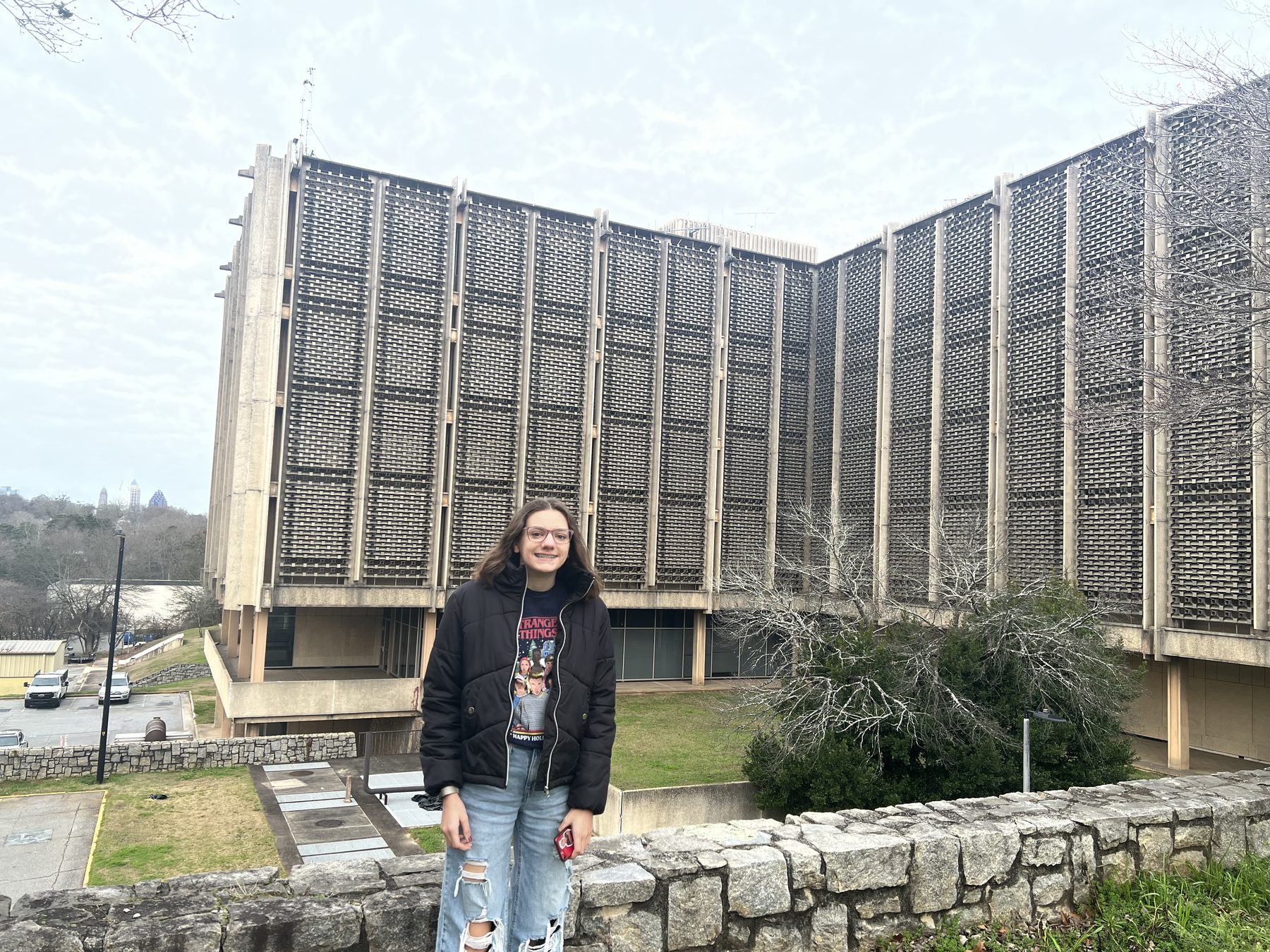
Standing in front of an ordinary-looking building or house and suddenly recognizing it from a favorite scene creates a peculiar feeling. The location exists in two worlds at once. It is a real place where people live, work, or pass through every day, but it is also part of a fictional world viewers have followed for years.
Our second trip, earlier this year, went considerably deeper.
We traveled to Rome, Georgia, to see the house used as the Creel family home. In Palmetto, we visited the location used for the Hawkins Police Department. We saw Hopper’s cabin in the woods and took a 30-minute tour inside. We also visited the arcade and passed by the house used as Joyce Byers’ home.
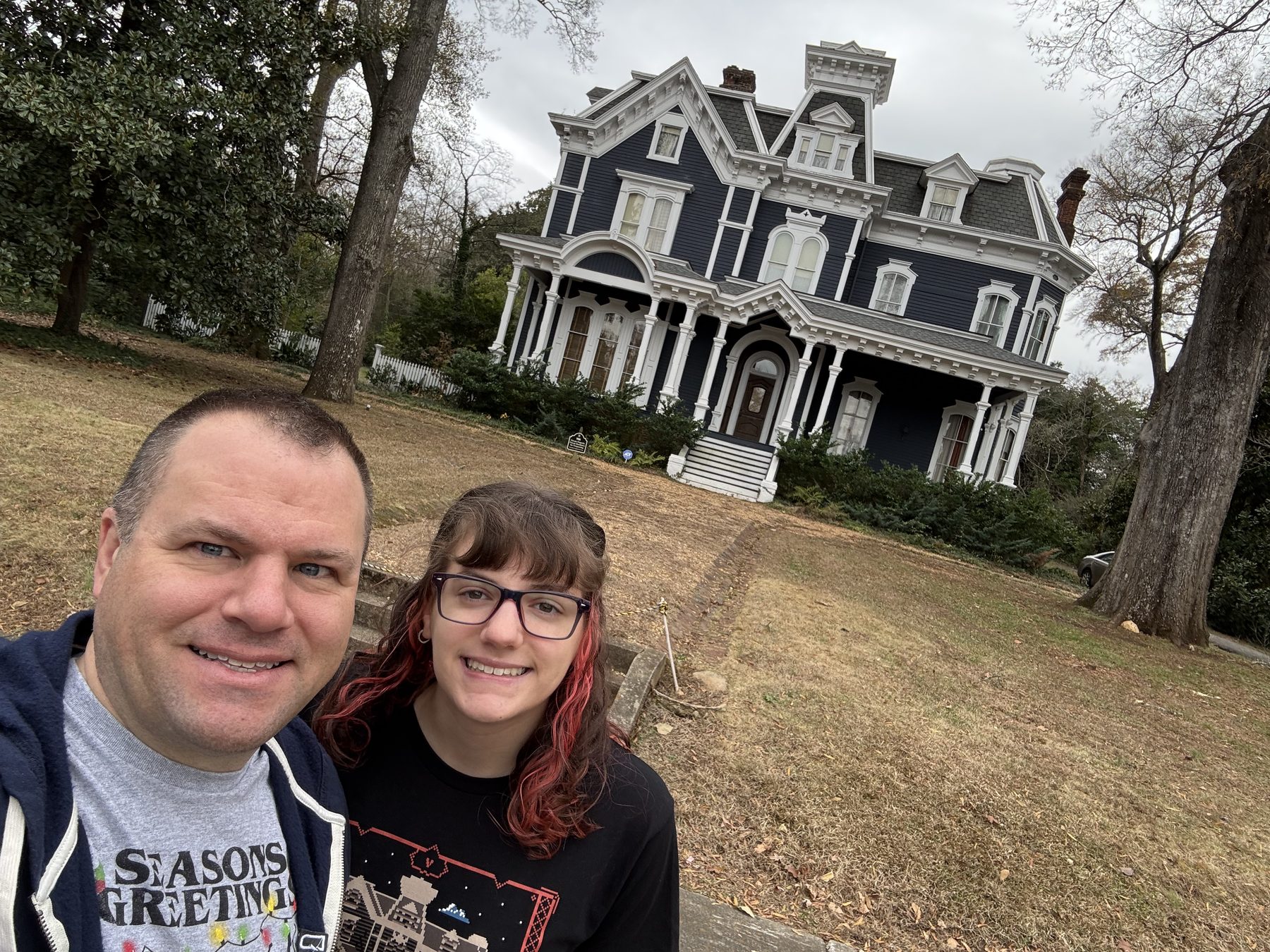
Because some filming locations are private homes or active properties, they must be viewed respectfully. A guided experience can help visitors understand what is publicly accessible, where they may stand, and when it is appropriate to admire something from a distance.
Later, we continued to Jackson, Georgia, for a walking tour of downtown Hawkins.
The town contains buildings, streets, and storefronts used throughout the series, with locations that became particularly recognizable during the later seasons. Murals around town celebrate its connection to the show, while familiar corners and buildings make fans feel as though they have briefly stepped into Hawkins.
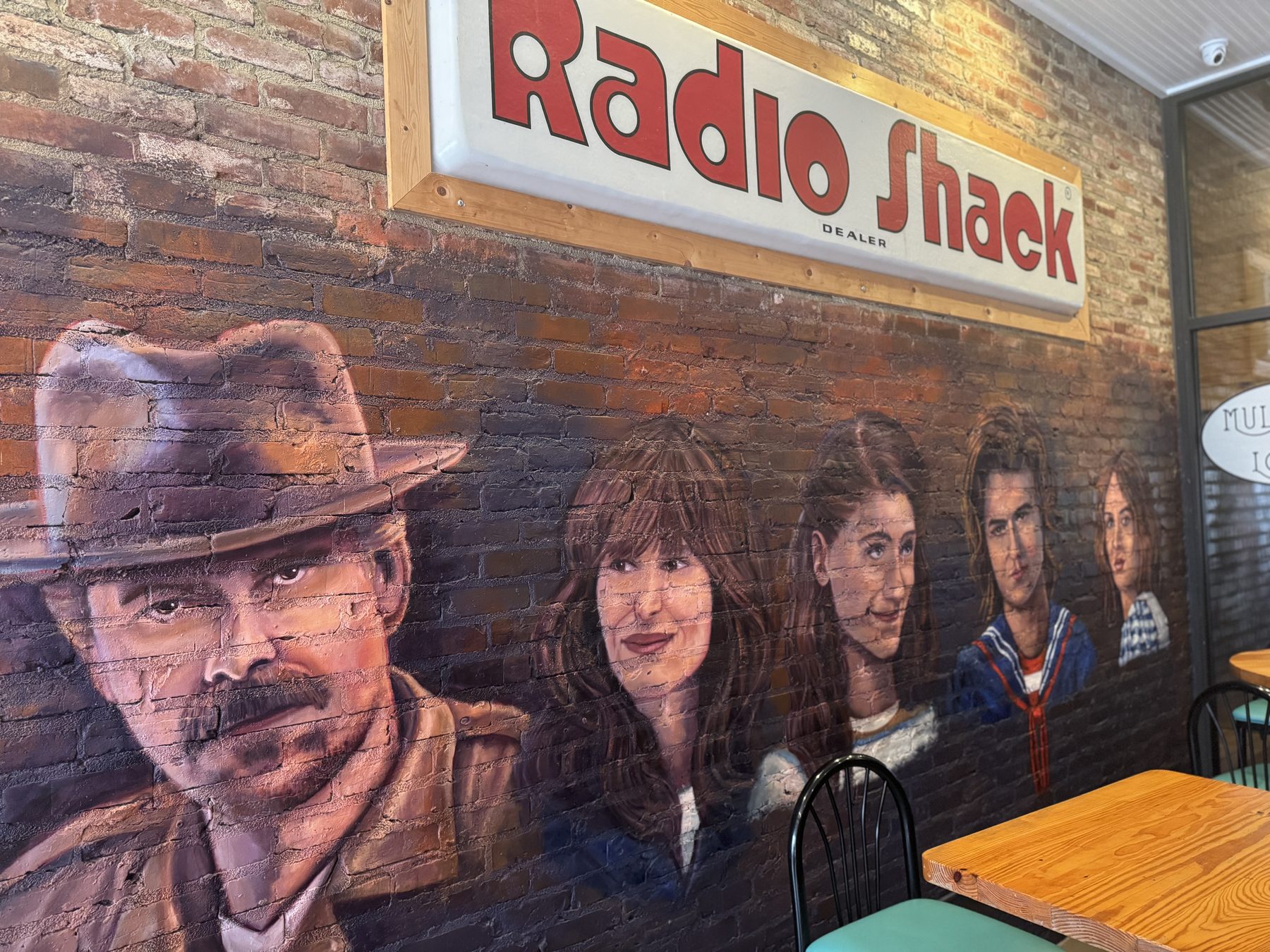
That is one of the things a good special-interest tour can do: it helps people recognize the significance of something they might otherwise pass without noticing.
For another example of how filming locations can shape a trip, see my guide to Outlander locations in Scotland—a very different setting, but the same pleasure of understanding what you are seeing.
Seeing what keeps the Magic Kingdom running
Disney’s Keys to the Kingdom Tour offered a completely different kind of experience.
The Magic Kingdom is carefully designed to keep guests immersed in its stories. Visitors see the finished performance: attractions operating, costumes appearing immaculate, music playing, landscaping maintained, and different themed lands flowing into one another.
The tour provided a glimpse behind that performance.
Because photography was prohibited during much of the backstage portion, we had to rely on our own visual memories. In a world where nearly every experience is immediately photographed, there was something unusual about simply observing and trying to remember the details.
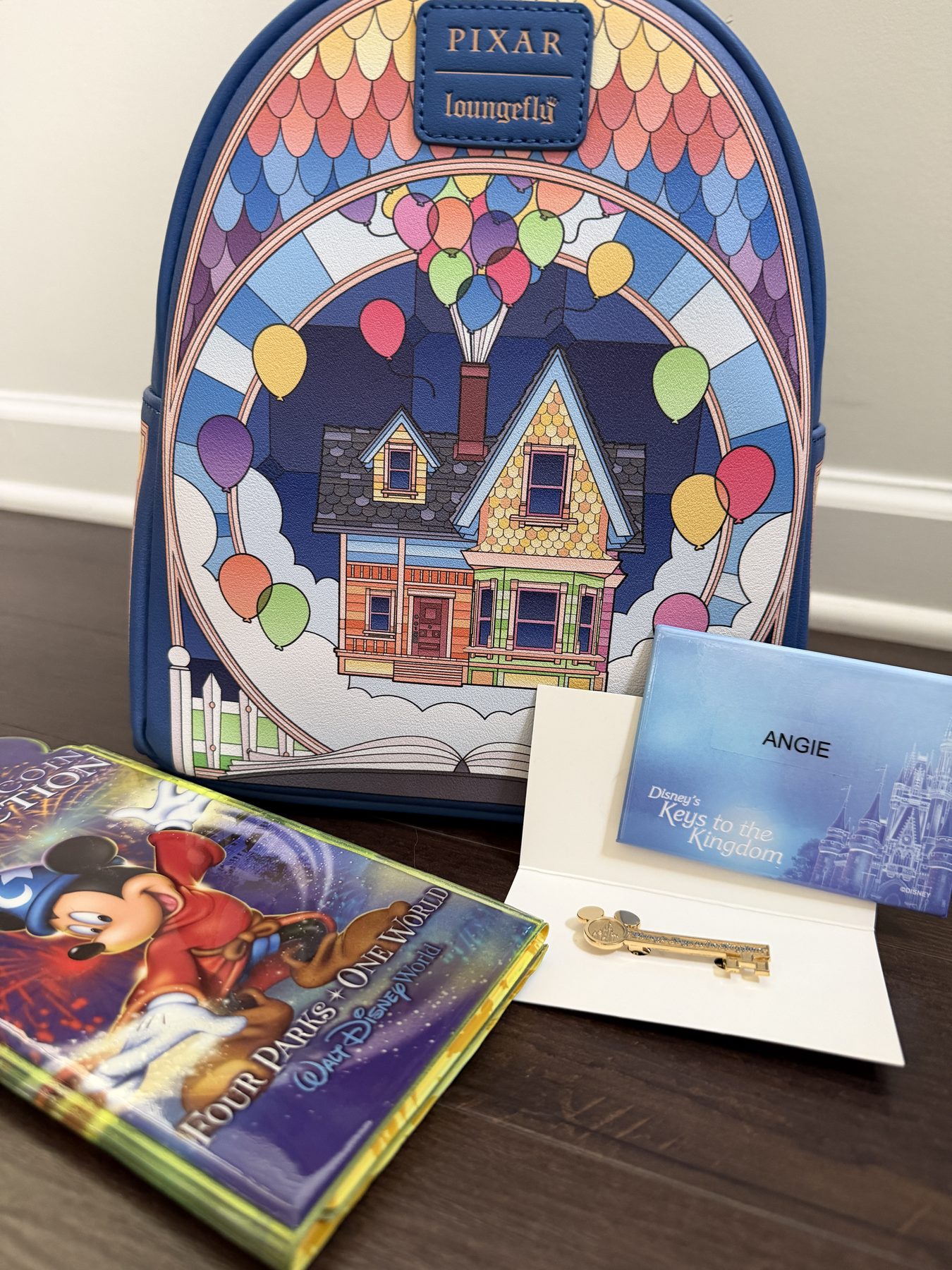
We entered the service corridors beneath the park, commonly known as the Utilidors, and saw parts of the operation most guests never realize exist. We learned more about how cast members and supplies move through the park without disrupting its carefully constructed environments.
We saw backstage preparations and the costuming operation responsible for maintaining and tailoring an enormous collection of garments for Disney cast members. The scale of the work was remarkable. What appears effortless to a guest is supported by people continually cleaning, repairing, organizing, adjusting, and preparing what the public eventually sees.
The tour also changed how we looked at familiar attractions. At the Haunted Mansion, we entered through the attraction’s exit and received expedited access. We heard stories explaining why certain elements were designed or constructed in particular ways.
One of my favorite examples involved Pirates of the Caribbean. We learned that changes in elevation help the attraction’s path pass beneath the railroad circling the park and reach the large show building beyond it. From inside the boat, the movement feels like part of the story. Behind the scenes, it is also a solution to a practical engineering problem.
None of these details made the Magic Kingdom feel less magical. For us, understanding the planning and work behind it made the park even more impressive.
If the behind-the-scenes experience is not the priority on a particular visit, my theme-park planning guide can help you decide what would make an ordinary park day feel successful first.
Was the tour worth the additional cost?
Keys to the Kingdom initially felt expensive.
That reaction is understandable. Travelers already purchase transportation, accommodations, park admission, meals, and perhaps other add-ons. An additional tour can feel difficult to justify—especially when it occupies several hours that could have been spent enjoying attractions already included with admission.
But cost should also be considered in the context of the complete trip.
Once we compared the tour’s price with everything else involved in the vacation, it represented a relatively small portion of the overall expense. In return, we received an experience most Magic Kingdom visitors never have. We did not simply gain faster access to an attraction. We gained a new understanding of a place our family already knew well.
That made it worthwhile for us.
A special tour does not need to be appropriate for every traveler or every visit. Someone making a first trip to the Magic Kingdom may prefer to spend that time experiencing the park’s primary attractions. A returning guest interested in Disney history, design, engineering, or operations may find a behind-the-scenes tour far more meaningful.
The question is not merely whether the tour is expensive. The better question is whether it provides something valuable to the particular people taking the trip.
Our unexpected ghost-tour habit
Our interest in special tours is not limited to film locations and theme parks.
We have also taken ghost tours in Charleston, Salem, Wilmington, Boston, Philadelphia, and Chicago. At some point, looking for a ghost tour whenever we visited a new city nearly became an addiction.
The supernatural stories are certainly part of the fun, but the best ghost tours offer much more than tales of unexplained footsteps and shadowy figures. They are often walking history tours presented through dramatic stories.
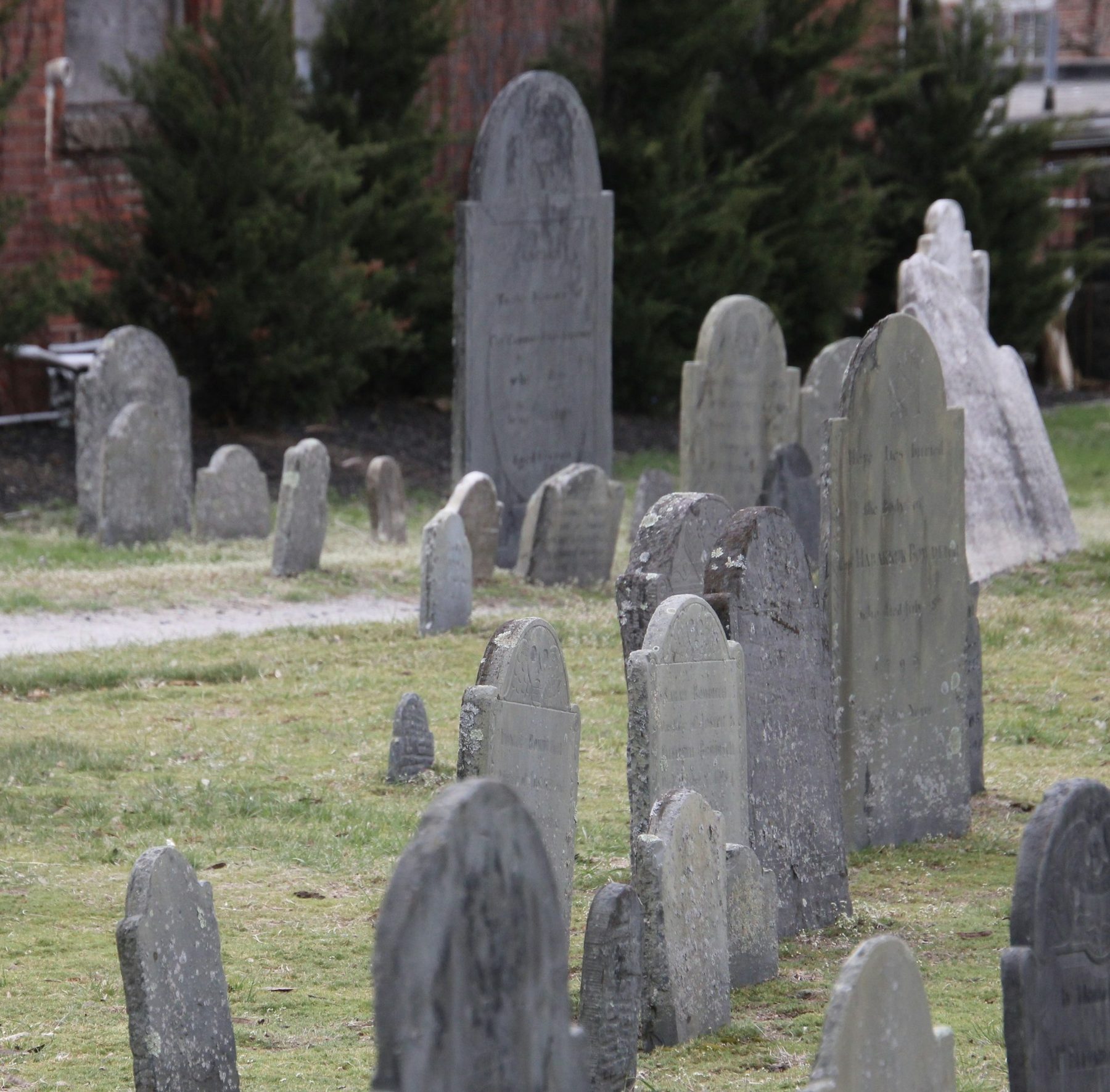
We have heard about old buildings, disasters, crimes, local legends, political conflicts, epidemics, graveyards, and people whose lives became part of a city’s identity. Some stories are supported by historical records. Others have been repeated, embellished, or disputed for generations.
A good guide helps the group understand the difference—or at least acknowledges that local folklore does not always come with definitive proof.
The Salem tour felt especially connected to documented history because of the witch trials and the burial sites and memorials associated with well-known people and events. Walking through the city at night brought that history into the physical landscape. It was no longer something that existed only in a book.
Charleston, Wilmington, Boston, and Chicago offered their own combinations of history, tragedy, rumor, and theatrical storytelling. Whether every ghostly detail was entirely accurate was not necessarily the point. The tours encouraged us to look more closely at streets and buildings we might otherwise have passed without understanding their stories.
A local guide can change what you notice
One of the greatest benefits of a guided tour is access to someone who knows the destination differently from a visitor.
Guides are often longtime residents, historians, enthusiasts, former employees, performers, or people with a personal connection to the subject. They know where to stand, what to look for, which details are commonly missed, and how one story connects to another.
The best guides do more than recite dates and names. They help travelers notice things.
A building becomes a filming location. A quiet street reveals an older version of the city. An attraction becomes an engineering accomplishment. A local legend explains why a place has fascinated generations of residents.
Special tours can be found almost anywhere
A special-interest tour does not need to involve a famous television series or a major theme park. Depending on the destination, travelers might find:
- Film and television location tours
- Historic neighborhood, ghost, and cemetery walks
- Studio or backstage experiences
- Food, market, brewery, winery, architecture, or garden tours
- Wildlife and conservation experiences
- Archaeological, underground, or after-hours museum tours
- National park programs led by rangers or naturalists
- Tours focused on art, music, literature, engineering, or local crafts
The right choice depends on the travelers. Special does not necessarily mean luxurious, private, or expensive. It means personally meaningful.
Questions to ask before reserving a tour
Not every upgraded or specialty experience is automatically worthwhile. Before reserving one, consider:
- Does it offer access unavailable with ordinary admission?
- Does the guide provide meaningful expertise or local perspective?
- Is the subject genuinely important to someone in the group?
- How much walking, standing, climbing, or weather exposure is involved?
- Are there age, mobility, identification, or clothing requirements?
- Is photography permitted?
- Does the price include admission to the main attraction?
- How large is the group, and how much time will the tour require?
- What are the cancellation policies?
- Will the tour replace another high-priority experience?
- How far in advance must it be reserved?
Availability and access can change. Filming locations may be private property, backstage routes may vary, and operational areas may close without notice. Travelers should review current rules and respect the communities and employees connected to each location.
Build the trip around what you love
The best itineraries are not always built from lists of the most famous things to see. They are built around the people taking the trip.
Our Stranger Things travels were meaningful because our daughter already cared about the world created by the show. Keys to the Kingdom was worthwhile because we were experienced Disney visitors who wanted to understand what existed behind the polished public experience. Ghost tours became a tradition because we discovered that we enjoyed the combination of walking, history, folklore, and local storytelling.
Someone else might build a trip around food, architecture, gardens, music, wildlife, trains, literature, sports, or space exploration.
A special tour can transform a destination from somewhere you visited into somewhere you connected with.
Sometimes the attraction everyone knows is only the beginning. The experience you remember most may be the one that takes you behind it, beneath it, or deeper into its story.