Personally Experienced · Last verified 2026-08-03
Quick Take
A one-day island introduction that made us want to return
- When we went
- January 2024
- Our visit
- One cruise-port day with an island bus tour
- What surprised us
- The rugged north coast and cactus-covered interior
- What we would do next
- Several slower beach-and-water days
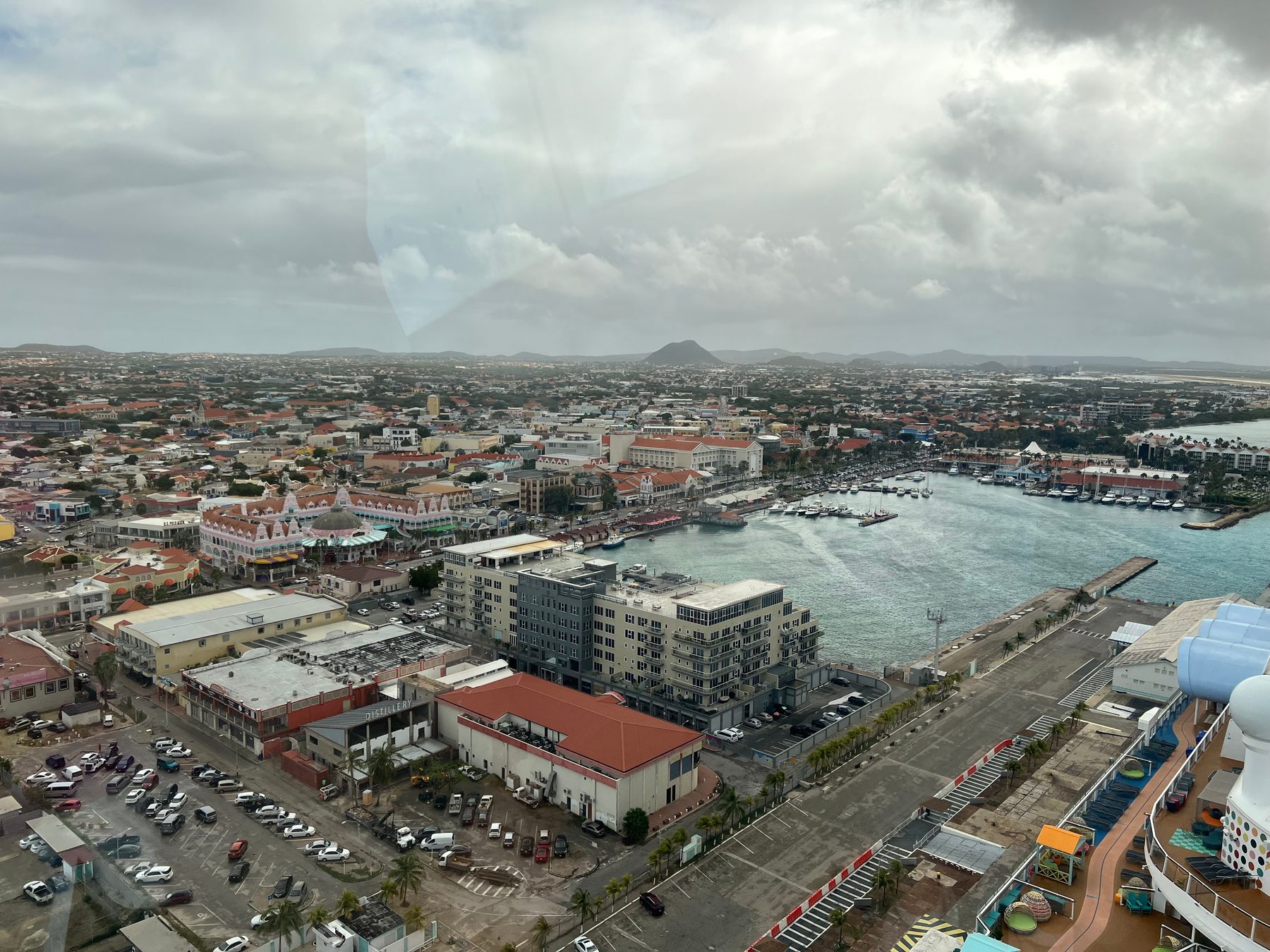
In January 2024, Brian and I visited Aruba as part of a Royal Caribbean cruise that also stopped in The Bahamas and Curaçao. We only had one day on the island, which was enough to see why Aruba is so appealing but not enough to make us feel finished with it. If we return, I would rather fly in, spend several days at a slower pace, and give the beaches and water time the trip deserves.
For this visit, we chose a bus tour that moved beyond the cruise port and out across the island. The port itself was easy to walk from, but the tour gave us a useful first look at Aruba’s interior, rugged north coast, and resort-lined western shore without asking us to navigate a rental car on a short port day.
Location
Where is Aruba?
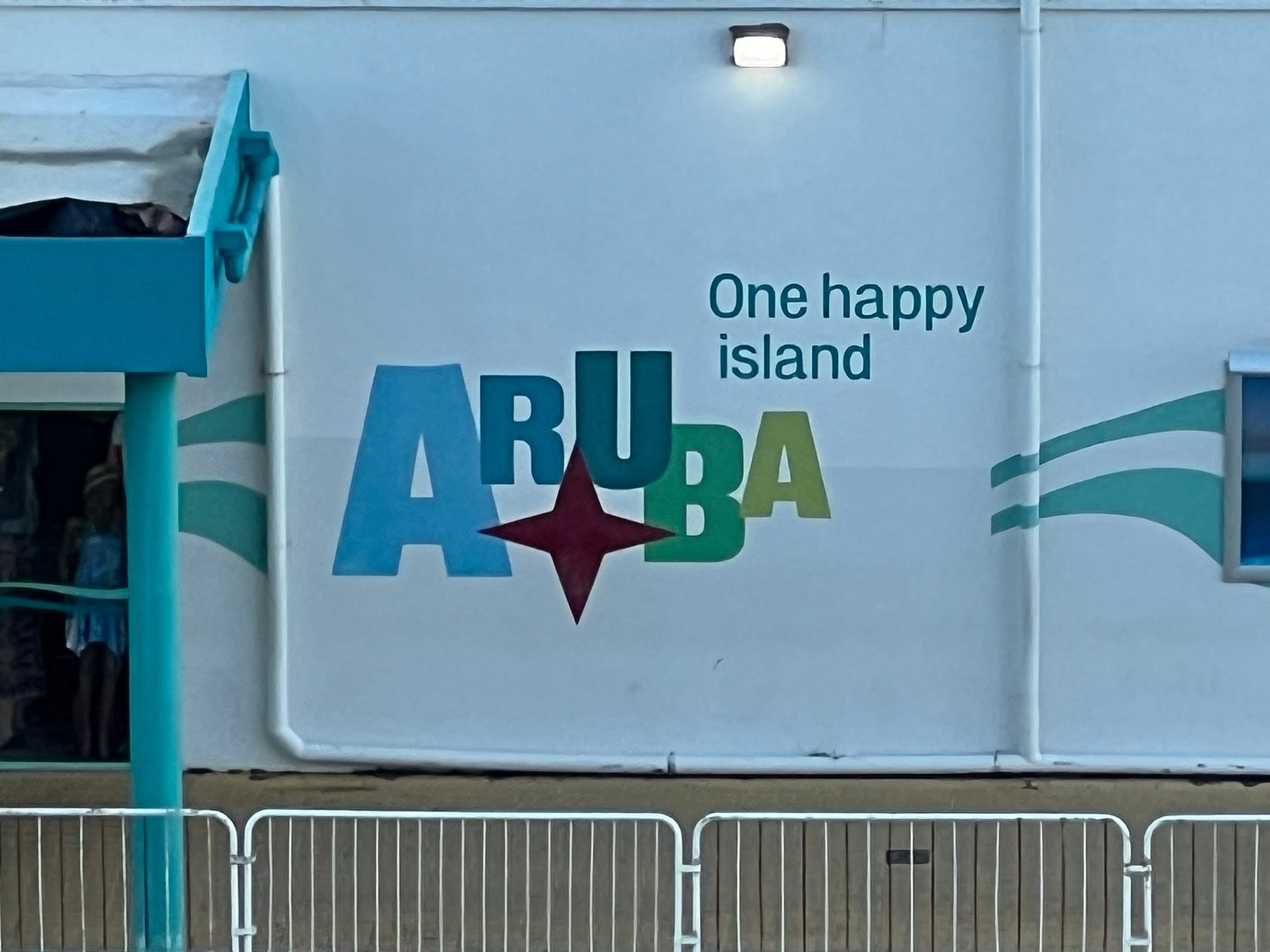
Aruba is a small island in the southern Caribbean, just north of Venezuela.
Loading Aruba location map…
Map data © OpenStreetMap contributors; tiles by OpenFreeMap.
Aruba Aloe: From Plant to Product
Our first stop was Aruba Aloe. I had seen aloe plants many times, but it was genuinely interesting to watch how a plant people associate with sunburn relief becomes a finished skincare product. The visit was relatively short, which suited our cruise-day schedule, but it made the process feel much more tangible than simply picking up a bottle in a shop.
The factory and museum experience follows the aloe journey from harvesting and hand-filleting through testing, filling, packing, and storage. Aruba Aloe was founded in 1890, so the stop also adds a piece of local agricultural and business history to an otherwise beach-focused island day. We finished in the gift shop, where there were plenty of easy-to-pack product options at prices that felt approachable for souvenirs.
A Quick Climb at Casibari Boulders
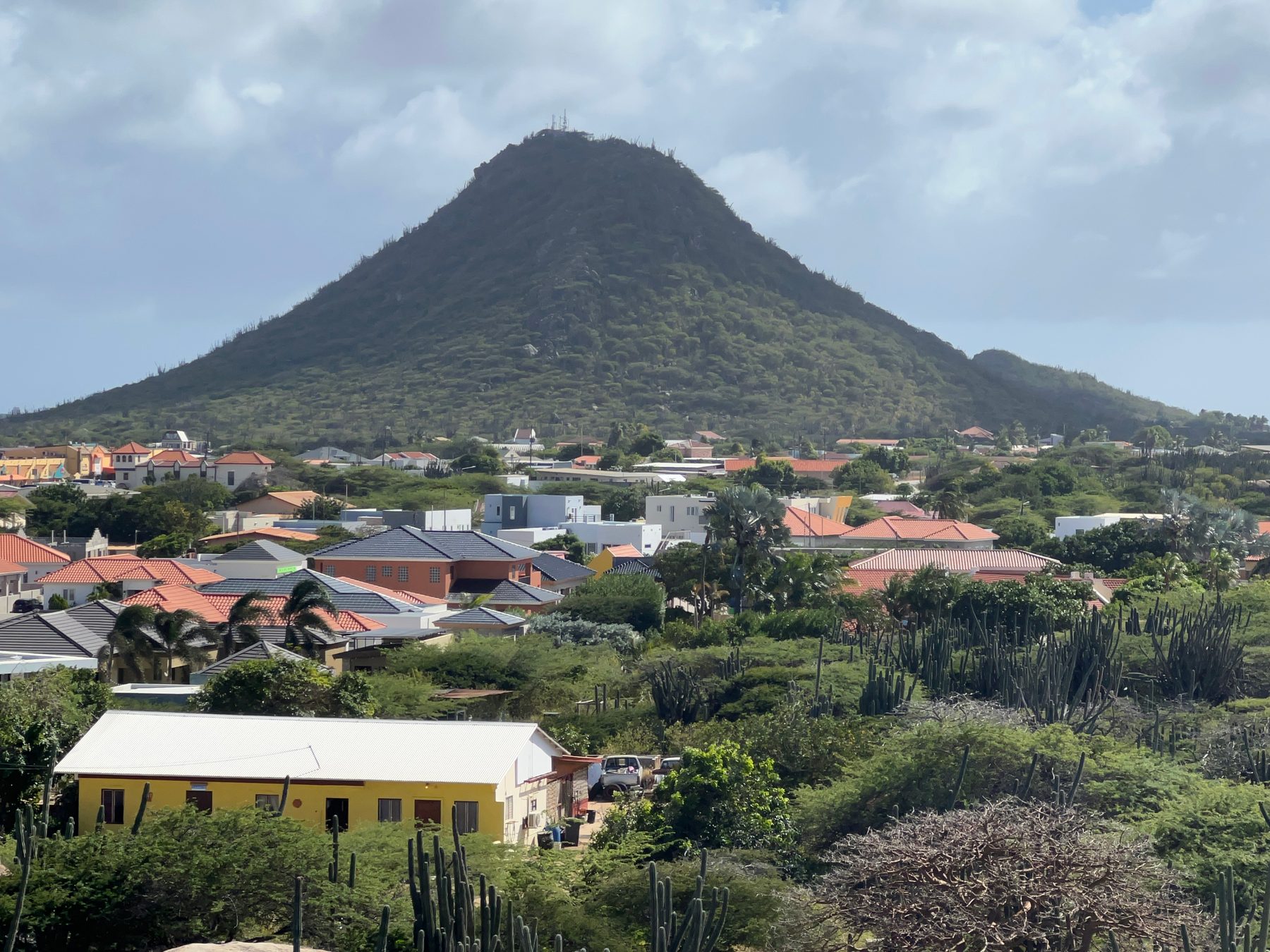
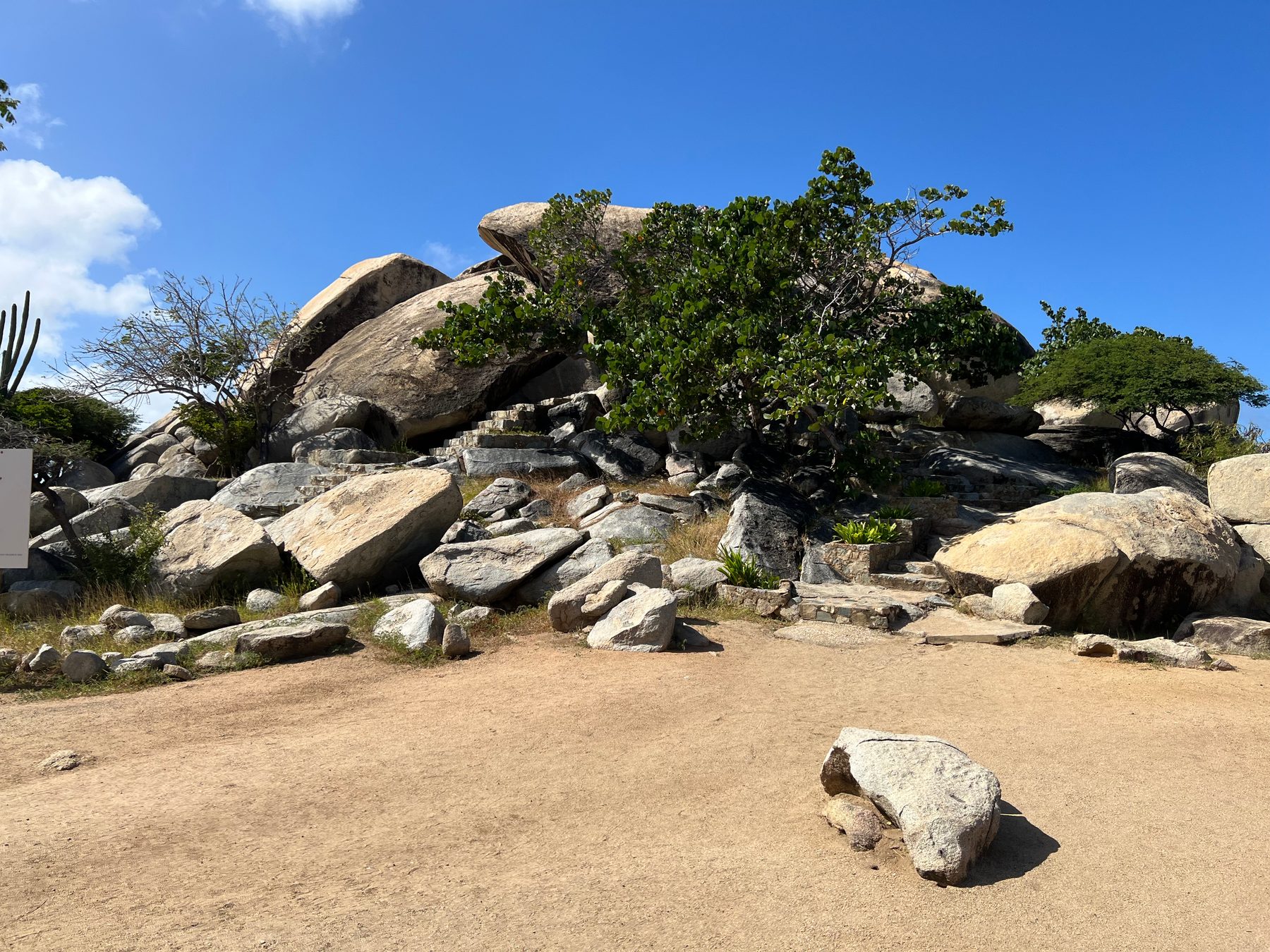
Next, we visited the Casibari Rock Formations in central Aruba, near Santa Cruz. This is a cluster of enormous tonalite boulders scattered across the dry landscape, with paths and stone steps that lead between and over the formations. It looks very different from the beach-and-resort image many people have of Aruba.
We spent about 30 minutes there. Visitors who enjoy a small climb can take the steps up for broad island views, but you do not need to make it a strenuous stop to enjoy it. Across the road, we found a small bar and restaurant with ice cream and drinks, which was a good alternative for anyone who would rather take a break than climb around on the rocks.
The Natural Bridge Area on Aruba’s North Coast
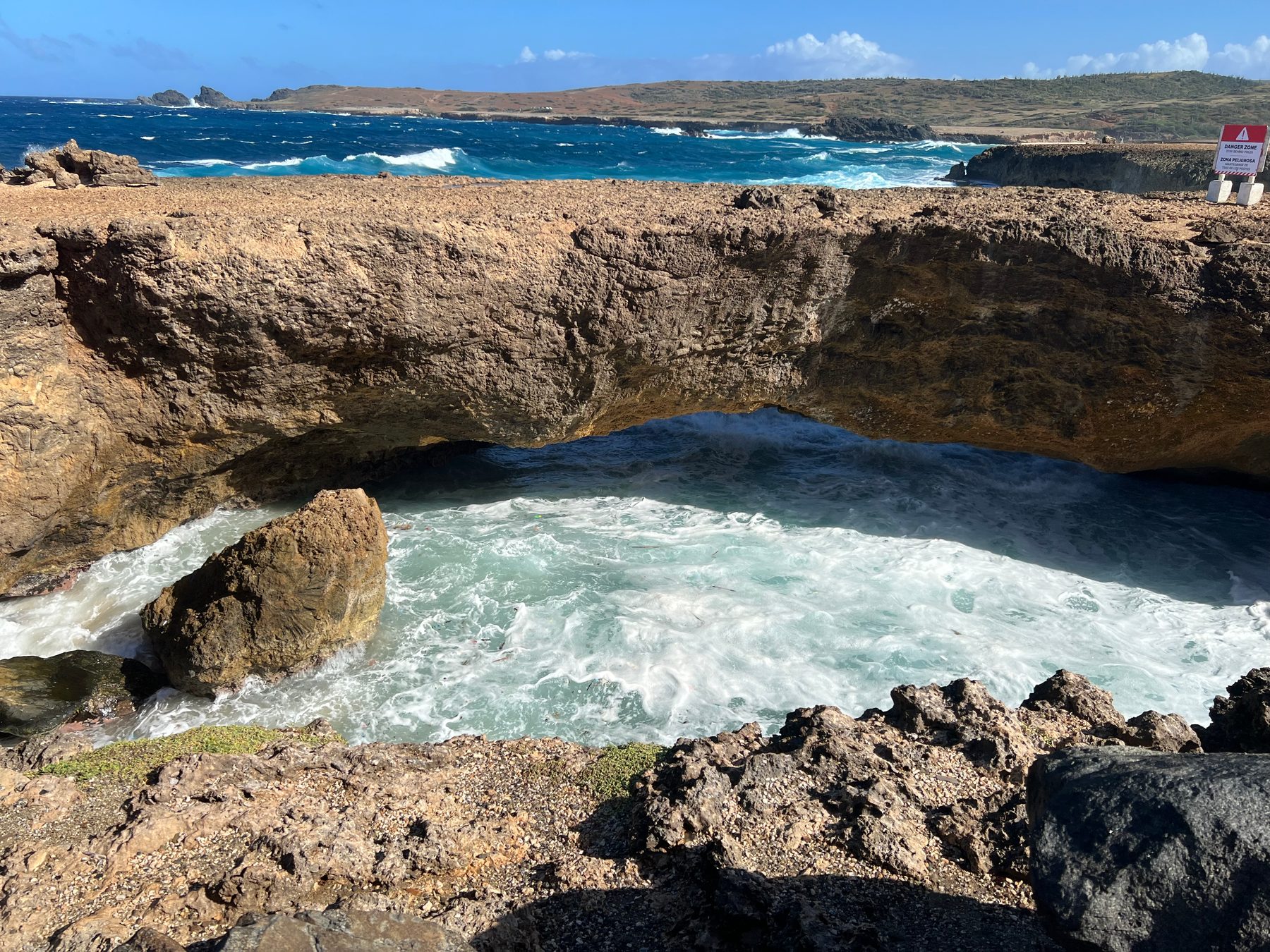
Our route continued to the north coast, where strong waves and wind have carved arches into the limestone cliffs over thousands of years. The famous original Natural Bridge, once Aruba’s largest and most photographed, collapsed in 2005. The remains are still a popular stop, and the smaller intact Baby Bridge sits nearby, so it is still a worthwhile place to see the force of the coast rather than a bridge that no longer exists.
This part of the island felt noticeably wilder than the calm resort beaches. The water and rock formations were the point of the stop for us, and it gave the day a little more range than a tour made entirely of shops and scenic overlooks.
California Lighthouse and the Drive Back
We ended the sightseeing portion at the California Lighthouse, near Aruba’s northwestern tip in the Hudishibana area. The stone lighthouse dates to the early 1910s and was named for the S.S. California, which sank off this coast in 1891. Its high, exposed setting gave us a wide view of the island’s western coastline and the Caribbean beyond it.
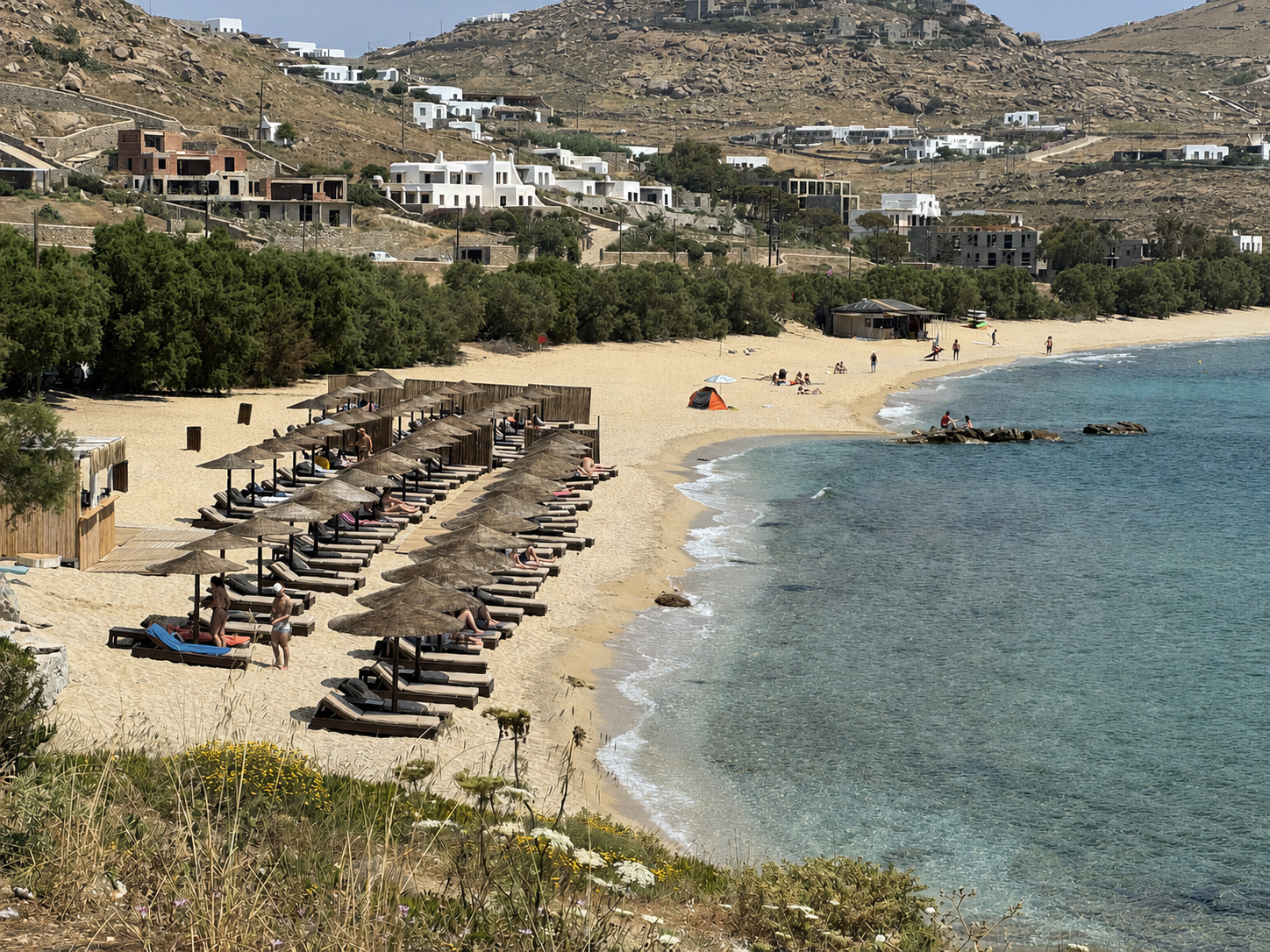
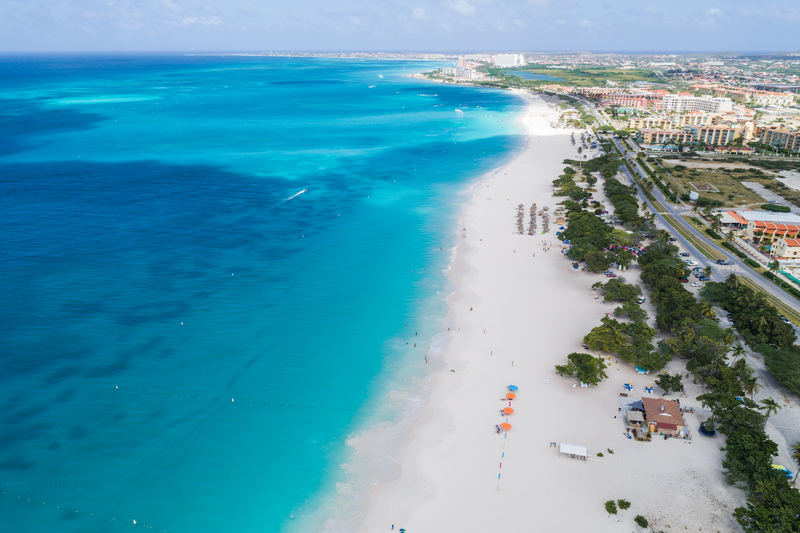
The drive back toward the port also made the island’s beach side visible. We passed one beautiful beach after another, and that was when we started talking about coming back for a different kind of trip: less touring and more time at the water.
What I Would Do with More Than One Day
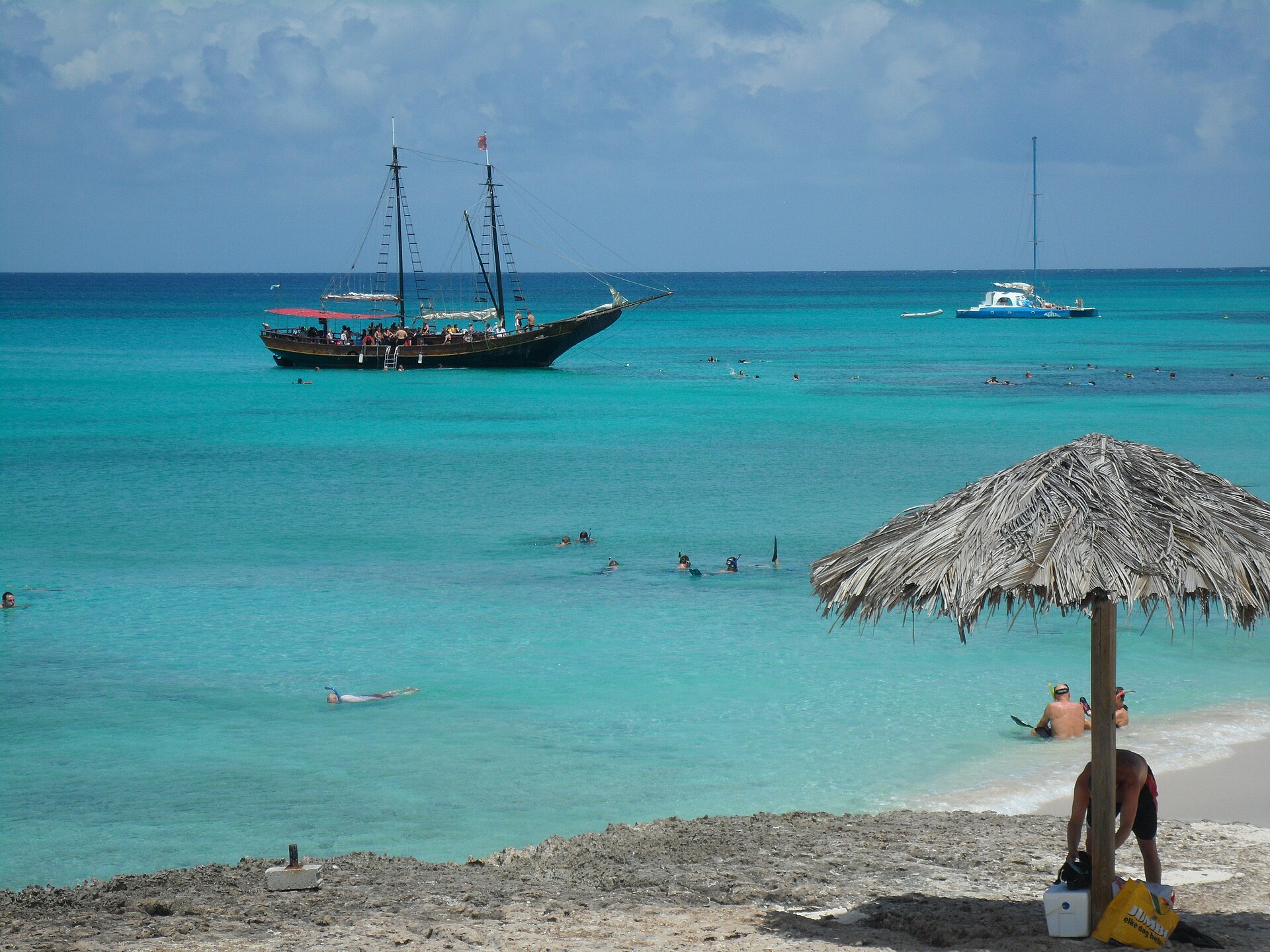
A port day works well for an island overview, but Aruba is especially tempting for a longer stay because so much of the experience happens on and around the water. Popular options include beach time, snorkeling, scuba diving, catamaran sails, sunset cruises, kayaking, stand-up paddleboarding, windsurfing, kitesurfing, and parasailing. Several boat excursions pair a coastal sail with snorkeling stops, often around Boca Catalina or the Antilla wreck, while shore snorkeling at places such as Arashi Beach or Mangel Halto may suit travelers who prefer to stay closer to land.
For a future stay, I would choose a few activities rather than trying to turn every day into an excursion. A boat or snorkeling day, one inland or north-coast tour, and several unplanned beach hours would give Aruba room to feel like a vacation rather than a series of transfers.
When to Visit Aruba
One of Aruba’s greatest strengths is that there is truly no bad time to visit. Its location outside the main hurricane belt and consistently warm climate bring sunshine for much of the year, making the island an appealing destination in every season.
For the best combination of beautiful weather and a vibrant island atmosphere, plan a visit between December and April. Temperatures are comfortably in the mid-80s, and cooling trade winds create inviting conditions for relaxing on the beach, snorkeling, or exploring the island. This is also Aruba’s busiest season, so reserve the hotel, rental car, and tours that matter most before you go.
Travelers looking for excellent weather with fewer crowds and potentially more affordable accommodations should consider late April through early June. Even during the fall months, when brief tropical showers are slightly more common, rain is typically short-lived, leaving plenty of time for beaches, outdoor adventures, and Aruba’s famously laid-back atmosphere.
Palm Beach or Eagle Beach?
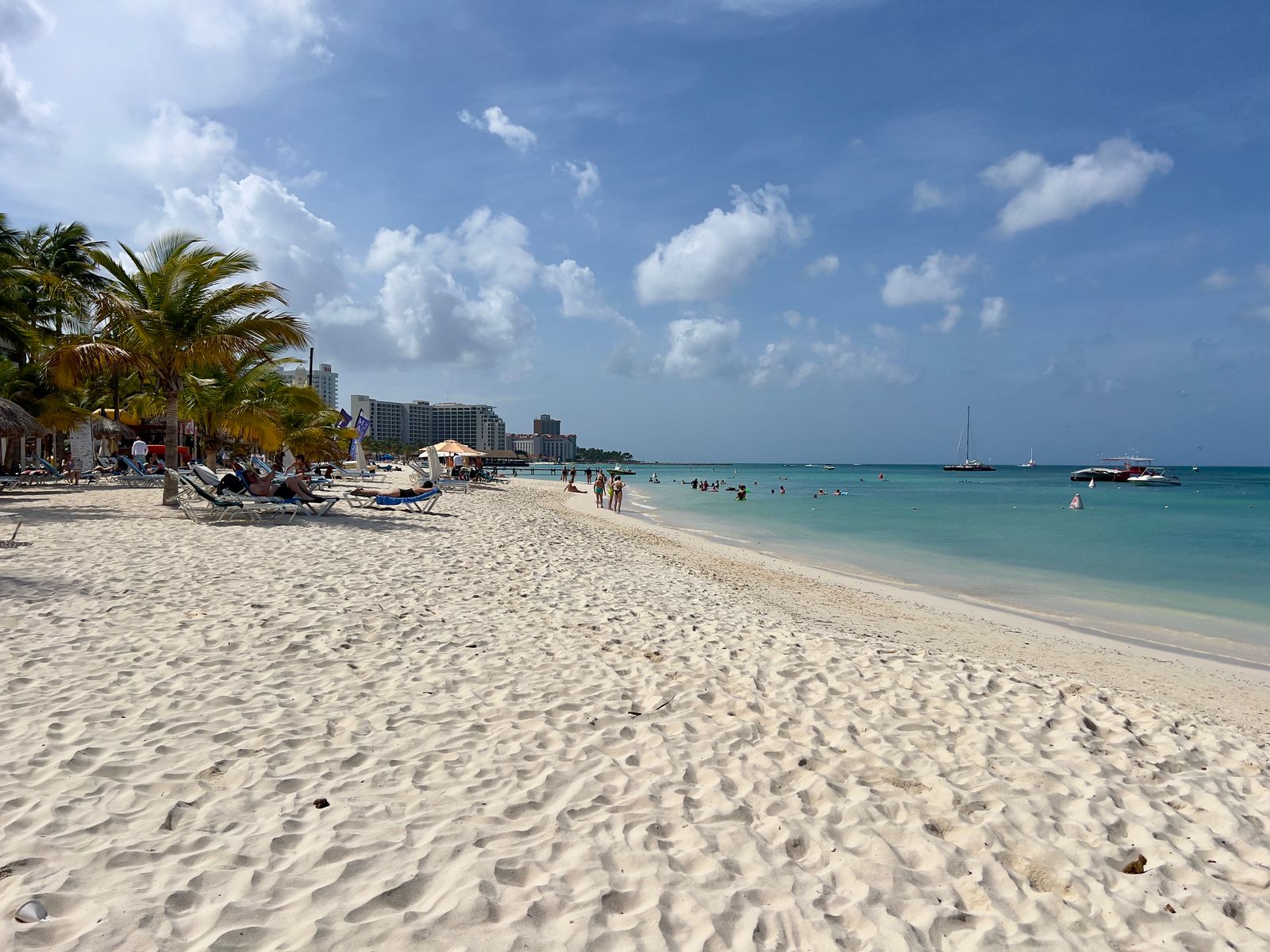
Palm Beach and Eagle Beach would both be on my short list for a return trip, but they create different kinds of beach days. Palm Beach is the livelier, high-rise side of Aruba, with resorts, restaurants, bars, and water-sports operators close at hand. A friend who has stayed there twice especially recommends it for swimmers and families: he found the water calm with very little wave action, which made it easy for kids to enjoy.
Eagle Beach is the quieter choice, with a wider stretch of exceptionally soft white sand, more space to spread out, and a gentler low-rise-hotel feel. Our friend describes it as gorgeous, with appealing waves when you want a little more movement in the water. Conditions can change with wind and weather at either beach, so I would always check the day’s beach flags and ocean conditions before swimming with children. The better choice comes down to whether you want Palm Beach’s activity and convenience or Eagle Beach’s quieter, more open setting.
Our Takeaway
Aruba was one of those port days that left us wanting to come back rather than feeling like we had checked it off. We saw aloe, boulders, a dramatic coast, a lighthouse, and a little of the beach strip in one day. Next time, I would keep the memorable north-coast stops but give ourselves several days to enjoy the beaches and water at a more leisurely pace.