Personally Experienced · Last verified 2026-08-23
Explore United States
Quick Take
Washington works best when the itinerary fits the people taking the trip
- Our perspective
- Several family visits and an adults-only trip
- Best shared starting point
- The National Mall and major monuments
- Biggest planning advantage
- Most Smithsonian museums are free
- How we get around
- Metro, with an occasional rideshare for awkward gaps
- Reserve ahead
- White House tours and any required museum entry passes
- My pacing rule
- Choose a few priorities each day
There is no single ideal Washington, D.C. itinerary. What works with a six-year-old can be completely different from what works with teenagers, and both are different from a weekend without kids. We have taken three or four family trips to Washington at different stages of our children’s lives, and Brian and I have visited at least once as a couple. The city has never felt exactly the same twice.
That is part of Washington’s appeal. Dinosaurs, airplanes, founding documents, art, espionage, memorials, government, food, and neighborhoods all fit into one destination, but they do not need to fit into one trip. The most useful Washington, D.C. itinerary is the one built around the ages, interests, attention spans, and energy levels of the people who are actually going.
Interactive map
Places in this Washington, D.C. guide
Explore the monuments, museums, government buildings, neighborhoods, and airports discussed in this guide. The National Zoo and Georgetown sit beyond the compact museum-and-monument core, Dulles is much farther west, and the Mall itself involves more walking than the map may suggest.
Loading interactive map…
Location 1 of 29
National Mall
The broad sightseeing core that ties together many monuments, memorials, Smithsonian museums, and the Capitol.
Map markers are approximate. Map data © OpenStreetMap contributors; tiles by OpenFreeMap.
Things almost everyone should experience
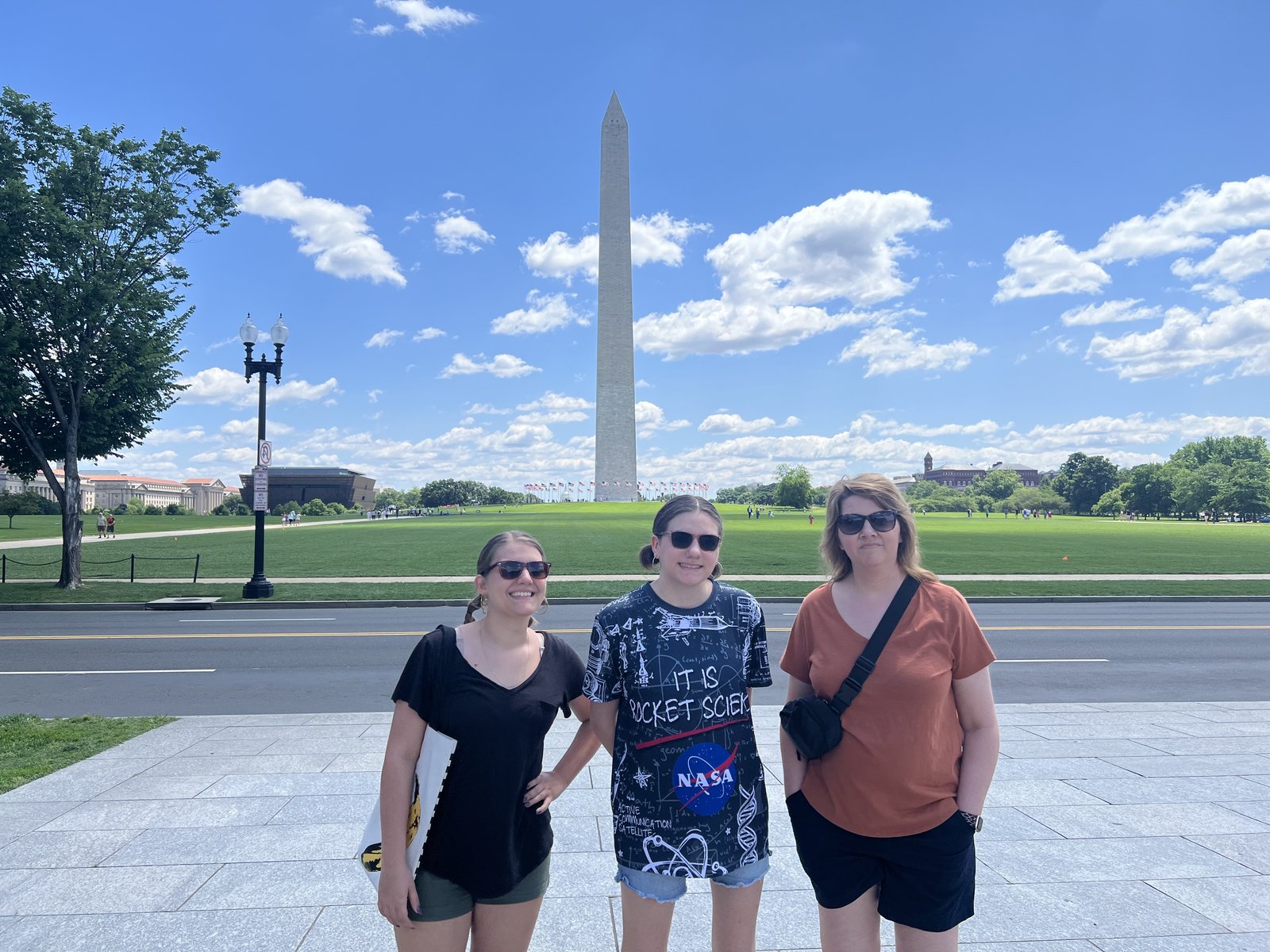
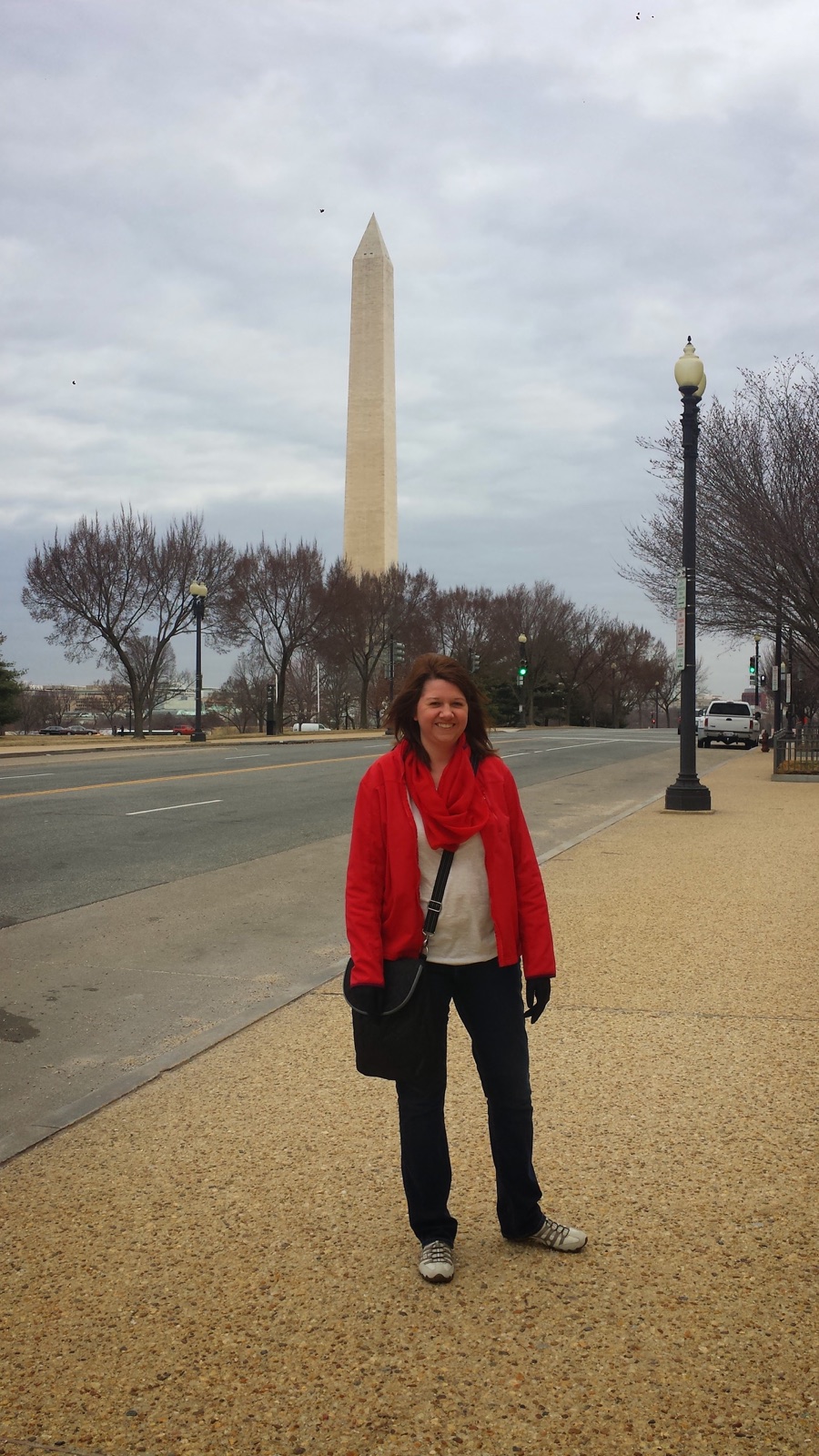
For a first visit, I would begin with the National Mall and the landmarks most people already picture when they think of Washington. The Lincoln Memorial, Washington Monument, World War II Memorial, U.S. Capitol, White House exterior, and Reflecting Pool provide the visual framework for the city. Even children who are not ready for a long history lesson can recognize the scale and importance of what they are seeing.
The practical warning is that the National Mall is much larger than it looks on a map. The long green space, memorials, museums, Capitol, and White House can appear neatly clustered on a phone screen, but walking between them adds up quickly. Comfortable shoes, water, weather awareness, and realistic breaks matter. With younger children or anyone who tires easily, I would divide the Mall into smaller areas instead of treating it as one attraction.
The monuments are particularly impressive after dark. The lighting changes their atmosphere, summer temperatures may be more comfortable, and an evening monument tour can reduce some of the transportation work while still giving everyone a broad view. I would consider that a good first-night overview or a way to revisit favorite memorials without repeating the same daytime walk.
The Smithsonian is Washington’s great planning advantage
The Smithsonian should be one of the central pieces of almost any Washington trip. Admission to Smithsonian museums in Washington is generally free, which makes the city unusually affordable for sightseeing. It also changes the way a family can use a museum. You can spend ninety minutes following one child’s fascination with dinosaurs or airplanes and leave without feeling that you have wasted an expensive ticket because you did not stay all day.
The National Air and Space Museum and National Museum of Natural History are obvious family favorites. The National Museum of American History becomes more interesting as children start connecting objects to stories they know from school. The National Museum of African American History and Culture and National Museum of the American Indian add essential perspectives to the national story. The National Portrait Gallery, which shares a building with the Smithsonian American Art Museum, can be an excellent choice for adults and older children. The National Zoo belongs in the Smithsonian conversation too, even though it sits away from the Mall.
Free does not always mean walk in whenever you want. As of August 2026, the Smithsonian lists free entry passes as required for the National Museum of African American History and Culture, the National Air and Space Museum in Washington, and the National Zoo. The other Smithsonian locations named in this section do not currently require passes for general admission. Requirements change, so I would check the Smithsonian’s official museum and zoo page before building each day.
Washington with younger kids
With younger children, I would choose attractions that have an immediate visual or interactive appeal. The National Museum of Natural History has animals, gems, fossils, and dinosaurs that make sense before a child understands the larger sweep of American history. The National Zoo gives everyone an outdoor day away from the formal buildings. Air and Space offers objects that are large, recognizable, and easy to get excited about. The major monuments work best in short, manageable pieces rather than one heroic march across the Mall.
I would not overload the itinerary or turn every stop into an American history lesson. A younger child does not need a lecture at every memorial for the visit to matter. Let them notice what is huge, shiny, strange, or beautiful. Give them time for a snack and a bench. The meaning can deepen on another trip, and Washington is a very good city to visit more than once.
Washington with school-age kids
Washington begins to feel different when children are learning American history in school. The National Museum of American History, Air and Space Museum, monuments, Capitol, and White House can turn familiar textbook names into real places. Standing where they can see the Capitol dome or reading the words inside the Lincoln Memorial gives history a scale that a classroom cannot reproduce.
This is also a good age to add the International Spy Museum. The mix of gadgets, codes, missions, and real intelligence history gives children an active way into a complicated subject. I would still choose according to the individual child. One school-age visitor may want every presidential artifact, while another will happily spend the day on spaceflight and secret identities.
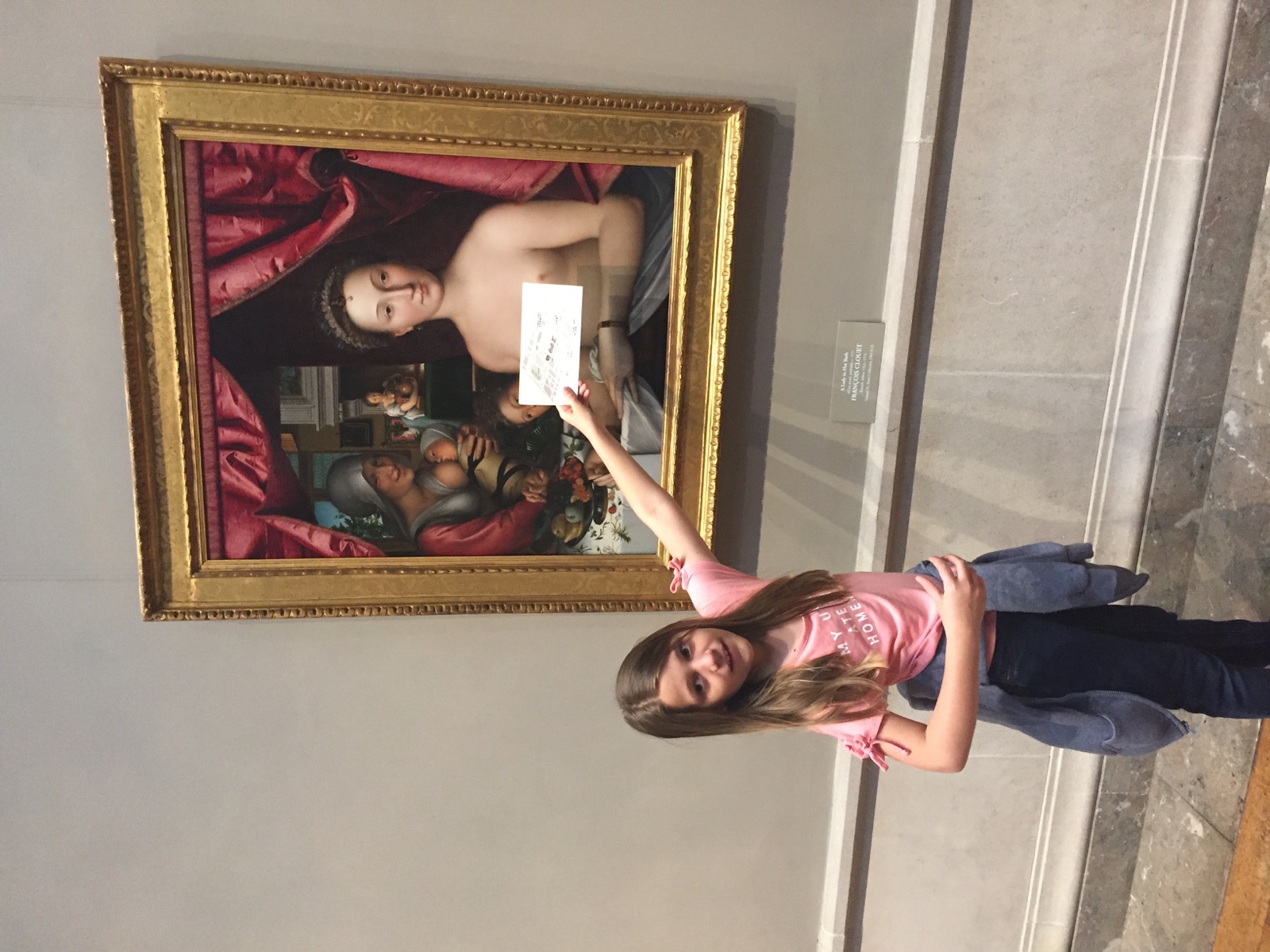
Art museums can produce their own unexpected family moments. At the National Gallery of Art, one of our daughters did not believe that exposed skin was apparently acceptable in art, so she held her gallery activity card over François Clouet’s A Lady in Her Bath and censored it for us. That picture still makes me laugh, and it is a good reminder that children often engage with art on their own terms.
Three history stops that worked especially well for us
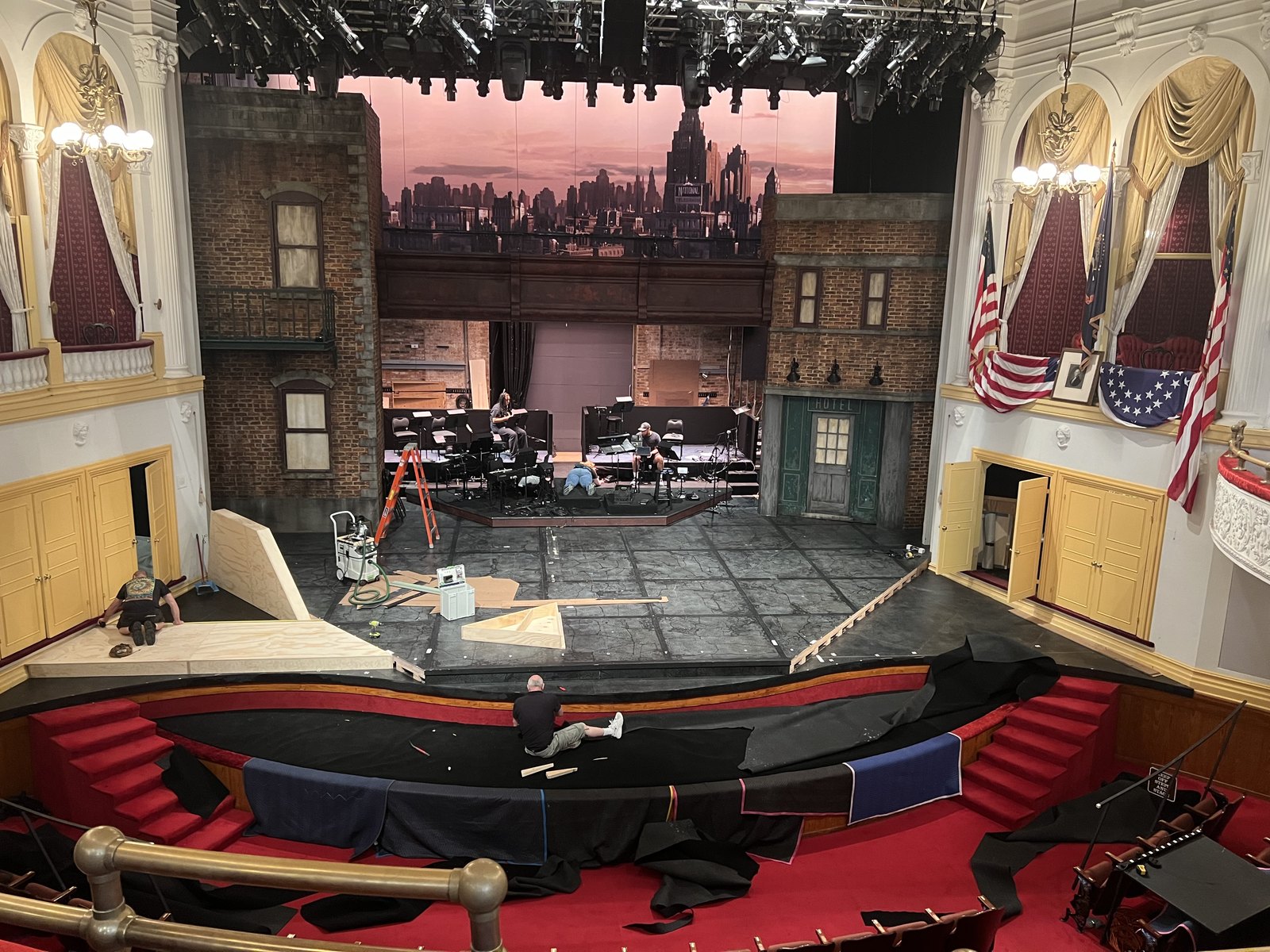
We toured Ford’s Theatre, and the first surprise was how much smaller it felt than we had imagined. The visit was interesting and historic, but its real value was the connection it created. Abraham Lincoln’s assassination is a long-taught history lesson. Standing inside the actual theatre turned it from a familiar story into a physical place, with a scale and immediacy that a textbook cannot provide.
Current Ford’s Theatre visits can include the museum, theatre, Petersen House, and Aftermath Exhibits, but the exact combination varies by ticket and the theatre is not included with every entry. Advance tickets are recommended. I would read the description carefully so the experience you reserve includes the part of the historic site that matters most to your family.
We also toured the Library of Congress. It is easy to think of it only as a research institution, but the Thomas Jefferson Building gives visitors a chance to experience the architecture, exhibitions, and national collection in person. Free timed-entry tickets are currently required and are released in advance, with a limited same-day option online.
The National Postal Museum was another family success. Everyone seemed to like that one a lot. It was very well curated, approachable, and easy to enjoy without requiring the same emotional or academic energy as some of Washington’s heavier history museums. Admission is free, and it pairs naturally with a meal at Union Station directly across the street. That combination makes a practical half day, especially when different ages need something interesting but manageable.
Why we recommend the International Spy Museum
Washington has so many free museums that a paid attraction has to earn its place. The International Spy Museum absolutely earned its place for us, and it was Brian’s favorite attraction in Washington. It works especially well for older children, teenagers, and adults because it combines historical objects and espionage stories with interactive challenges. Visitors can encounter spy gadgets, intelligence operations, codes, cover identities, and missions without the experience feeling like a conventional history museum.
Bond in Motion, a special exhibition of James Bond vehicles, was running when we visited. Brian was very happy to pose on the yellow snowmobile, but that exhibit has since closed. I would not book the museum expecting the same display. Special exhibitions change, while the permanent espionage collection and interactive missions are the more reliable reason to go.
This is one of the best crossover attractions in Washington. A family can enjoy the playful parts while older visitors dig into the real ethical, political, and human consequences of intelligence work. Admission is not free, but we thought it was well worth the cost. The museum currently recommends buying in advance because onsite purchasers may wait to enter, so I would reserve a time rather than assume a busy day will work itself out.
The L’Enfant Plaza Food Court is directly behind the museum and reached through the underground complex. We found it very convenient to time a meal with the visit. The Spy Museum currently describes it as a two-minute walk and notes that some vendors close on Sundays or in the evening, so check the current options if the meal is part of the plan.

Washington with teenagers
Teenagers are often ready for the places that require more context and emotional maturity. The National Museum of African American History and Culture, National Archives, government buildings and tours, International Spy Museum, monuments, and memorials can prompt real conversations instead of simply filling a sightseeing day. These visits may connect history, law, civil rights, and current events in ways that feel much more tangible than a school assignment.
The United States Holocaust Memorial Museum can be an important experience, but parents should consider the individual teenager’s maturity and the difficult subject matter. This is not a stop I would squeeze between lighter attractions or add merely because it appears on a list of Washington museums. Allow time for the experience and for conversation afterward. The museum currently requires free timed-entry tickets for its Permanent Exhibition, so both emotional preparation and practical planning belong in the decision.
White House and government tours: plan ahead
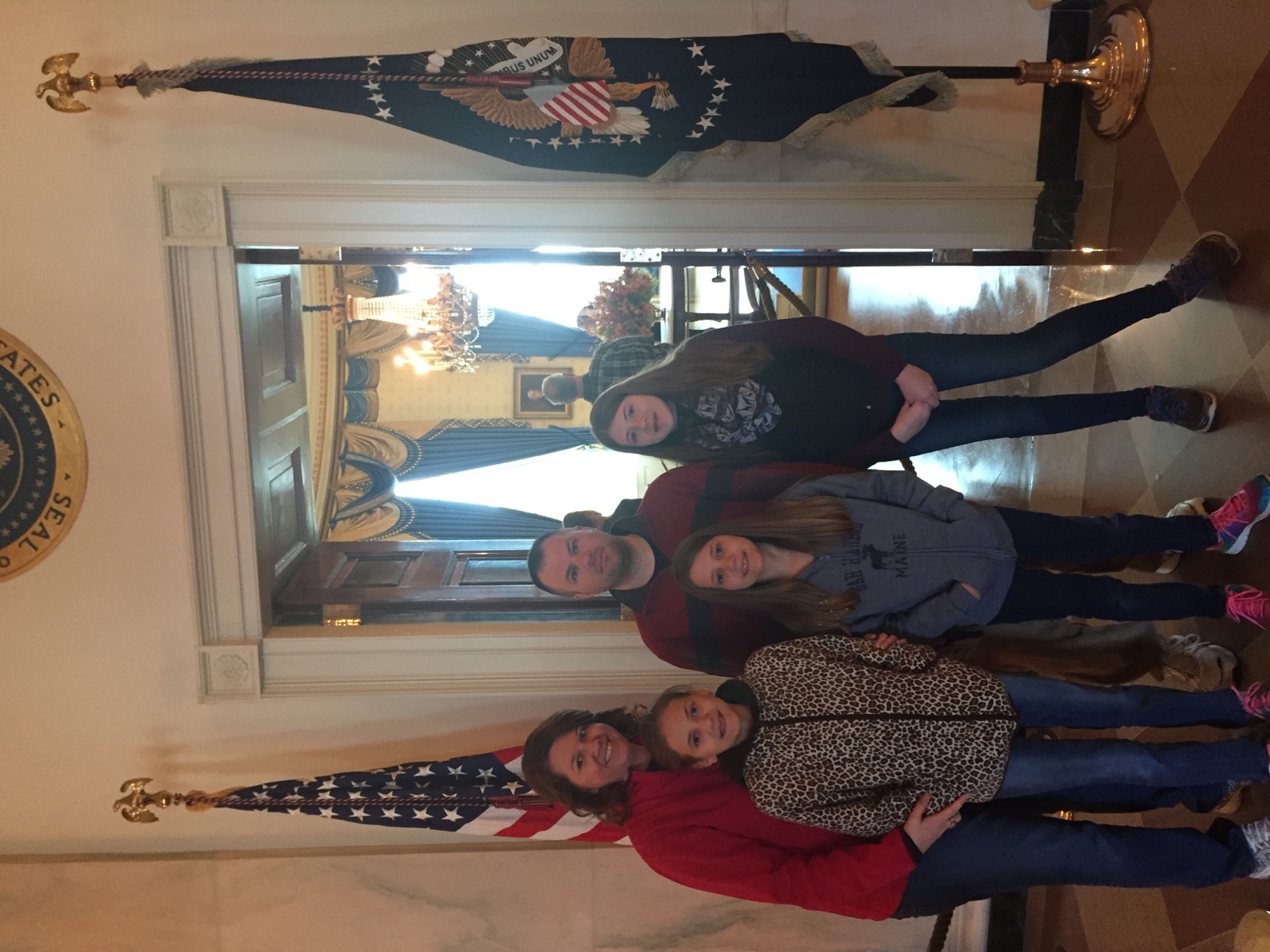
If touring the White House matters to your family, investigate it before you arrive in Washington. Current White House guidance says U.S. visitors request a public tour through their U.S. Representative or Senator, and requests may be submitted 7 to 90 days before the desired date. Tours are subject to the official White House schedule and can change even after confirmation. I would contact a congressional office several weeks in advance rather than treating the seven-day minimum as a planning strategy.
Capitol tours work differently. The Capitol Visitor Center currently allows visitors to reserve free timed-entry tour passes directly through its website, and congressional offices can also assist. Reservations are recommended, though limited same-day passes may be available. The important distinction is that you do not have to route a standard Capitol reservation through Congress, while a White House public tour request does go through a member of Congress.
Security rules, identification requirements, allowed items, schedules, and availability can change. Read the official instructions for every government building before packing your day bag. Washington is not the place to discover at the door that a prohibited item, missing detail, or unmade request has ended an experience your family cared about.
Washington without kids
An adults-only Washington trip creates space for depth. Instead of choosing a museum because it will hold a child’s attention, we can choose one because we want to spend three hours with art, portraits, original documents, or a complicated part of history. The National Gallery of Art, National Portrait Gallery, Smithsonian American Art Museum, Hirshhorn Museum, National Archives, and International Spy Museum can all support the kind of slower day that is harder to protect on a family schedule.
The National Archives deserves particular mention because the Rotunda displays the Declaration of Independence, Constitution, and Bill of Rights. Seeing the actual documents is different from recognizing their words. General admission is free, and current Archives guidance says reservations are encouraged but not required. I would still consider reserving ahead when the documents are an important priority or the city is busy.
I would also return to the monuments after dark. Without bedtime pressures or a child’s exhausted legs deciding the evening, the memorials can become the focus rather than the last thing everyone is trying to finish. Pairing an evening monument visit with a good dinner gives the city a completely different rhythm from a museum-heavy family day.
How we get around Washington
We have gotten around almost entirely by Metro on nearly every Washington trip. I cannot remember a time when we needed to drive once our plans were underway. Occasionally we may have used a rideshare when the nearest station was a long walk from where we were going, but Metro has handled the overwhelming majority of our transportation.
Downloading Metro’s Smart Trip app makes the system easier. You can manage a SmarTrip card, check the balance, and add stored value from a phone. I had thought of that value as something that simply remained available for the next visit, but current WMATA guidance says plastic and mobile SmarTrip cards expire 12 years after purchase. The expiration date appears in the app or online account, so I would check it before returning with an older card rather than promise that the credit never expires.
We have stayed outside central Washington, parked at the hotel, and ridden Metro into the city to save on hotel rates and parking. The kids enjoyed riding the train, and Mom and Dad enjoyed saving money. The tradeoff is time. An outlying hotel can make the trip more affordable, but every morning and evening includes the ride back to that station.
We have also paid considerably more to stay in town. The reward was being only a few Metro stops from the hotel, having scenic walks nearby, and being able to return for a break without turning it into a major expedition. Neither choice is automatically right. I can help find a hotel in the part of the region that fits your budget, parking needs, preferred Metro line, and tolerance for commuting.
Flying into DCA or IAD
Washington has more than one practical airport choice, and the best one depends partly on where you are staying. Ronald Reagan Washington National Airport, or DCA, connects directly to Metro’s Yellow and Blue Lines by covered walkways. For many central Washington hotels, that can make arrival and departure especially convenient.
Washington Dulles International Airport, or IAD, is much farther from the center, but the Silver Line now serves the airport directly. WMATA describes the walk between the station and terminal as about six minutes. IAD may still make sense because of the available flight, fare, schedule, or a hotel closer to the Silver Line, but travelers should account for the longer ride into central Washington.
I would compare the full trip rather than airfare alone: flight times, checked bags, Metro transfers, hotel location, and the time needed to reach the terminal. DCA can be wonderfully easy for a central stay, while IAD may be the better overall choice for a particular route or price.
Get away from the National Mall
Washington is a city, not only a collection of federal buildings. Georgetown gives you historic streets, shopping, restaurants, and a different pace from the Mall. The Georgetown Waterfront adds river views and a place to walk without making every block about a museum. The Wharf offers restaurants, drinks, music, waterfront activity, and an easy transition into an evening.
These areas are especially useful on an adults-only trip because they create room for a long meal, shopping, cocktails, or an unhurried walk. Families can enjoy them too. The point is not that the Mall should be skipped. It is that a Washington trip feels more complete when at least one part of the day is about enjoying the city rather than completing the capital-city checklist.
Make room for Washington’s food
The food variety in Washington is top-notch. Between the city’s international communities, neighborhood restaurants, food halls, markets, and familiar family options, it can feel as though you can find every cuisine you could possibly want. That range is useful when a family cannot agree, but it also makes food part of the reason to explore beyond the National Mall.
I would leave at least a few meals uncommitted until the rest of the day takes shape. A museum-heavy afternoon may call for the easiest nearby choice, while an evening in Georgetown or at The Wharf is a chance to make dinner part of the experience. The Postal Museum and Union Station pairing is another example of using geography well: choose the attraction, then let a nearby meal keep the day simple.
Do not try to see everything
Washington encourages ridiculously ambitious itineraries because so many attractions look close together and so many museums are free. The result can be a day spent rushing through security lines, museum entrances, and miles of walking while nobody absorbs much of anything. I would choose a few priorities each day and treat everything else as optional.
For families, select museums according to the children’s ages and interests, then build in food, outdoor time, and a real break. For adults, allow enough time to enjoy the museums instead of collecting them. One deeply satisfying museum and an evening in Georgetown can be a better day than five hurried entrances and no memory of what you saw.
Washington is worth more than one visit
A child may remember dinosaurs and airplanes from an early Washington trip. On a later visit, the words inside a memorial or the history behind a government building may mean much more. Teenagers can engage with difficult museums and founding documents in ways they could not have done when they were small. An adults-only visit reveals another side of Washington entirely, with more time for art, neighborhoods, restaurants, and the museums you want to read rather than rush through.
Brian still travels to Washington several times a year for work, so he often has a more recent read on transportation, neighborhoods, and the practical rhythm of the city than an occasional visitor would. If you need up-to-date advice while planning, reach out to me. I can ask Brian what he has seen on his latest trips while also checking any reservation, admission, or policy question against the official source.
Do not try to see all of Washington. Build the Washington trip that makes sense for the people traveling with you now. Then, if the city gives you a list of things you still want to see, consider that a reason to return rather than evidence that you planned the first trip badly.