Researched Travel Guide
Explore United States
National parks invite a particular kind of travel.
They encourage us to step away from familiar routines, spend time outdoors, and experience landscapes that cannot be recreated anywhere else. Some visitors dream about famous landmarks they have seen in photographs for years. Others are drawn to quieter trails, scenic drives, wildlife, history, or the possibility of finding a place they had barely heard of before planning the trip.
The United States has extraordinary national parks, but a successful park trip involves more than choosing the biggest names.
Weather, driving distances, lodging, permits, mobility, seasonal closures, and the travelers’ preferred activity levels all affect the experience. The right trip may include Yellowstone and Arches—or it may center on a smaller park that offers fewer crowds and an entirely different kind of day.
Start with the experience, not the list
When people begin planning a national park vacation, they often start with a list of famous places: Yellowstone, Grand Canyon, Yosemite, Zion, Arches, Grand Teton, Rocky Mountain, Glacier, Acadia, and Great Smoky Mountains.
These parks are well known for good reasons. They contain iconic landscapes, remarkable wildlife, extensive trail systems, and places many travelers have dreamed about seeing in person.
But the name of the park does not tell you what the trip will feel like.
One traveler may want challenging hikes and remote scenery. Another may prefer overlooks, scenic drives, visitor centers, and short walks. A family may want ranger programs and accessible trails. A photographer may be willing to begin before sunrise, while someone else imagines slow mornings and evenings near the lodge.
Before selecting parks, ask:
- How active do we want this trip to be?
- How much driving are we comfortable doing?
- Are we interested in hiking, wildlife, geology, history, or photography?
- Do we prefer famous landmarks or quieter surroundings?
- Would we enjoy camping, park lodging, or a hotel in a nearby town?
- How do we handle heat, elevation, cold, or unpredictable weather?
- Are we comfortable changing locations frequently?
- How much unstructured time do we want?
These answers are more useful than simply trying to visit the greatest number of parks.
The famous parks require realistic planning
The most popular national parks can involve long entrance lines, limited parking, crowded trailheads, and lodging that fills far in advance.
Some parks use timed-entry systems or reservations during certain seasons, while others do not. Those policies can change from year to year. For example, Arches National Park is not requiring advance timed-entry reservations in 2026, although congestion can still lead to entrance delays or temporary diversions. Rocky Mountain National Park is using timed-entry reservations during portions of its 2026 peak season.
That is why it is important to review the official National Park Service page for every park shortly before the trip.
Confirm entrance requirements, operating seasons, trail permits, shuttles, lodging, construction, weather alerts, pet restrictions, accessibility, food, fuel, water, and cellular-service limitations.
A park may be open while a scenic road, visitor center, trail, or lodging area remains closed. “Open” does not always mean every experience is available.
Yellowstone is much bigger than one attraction
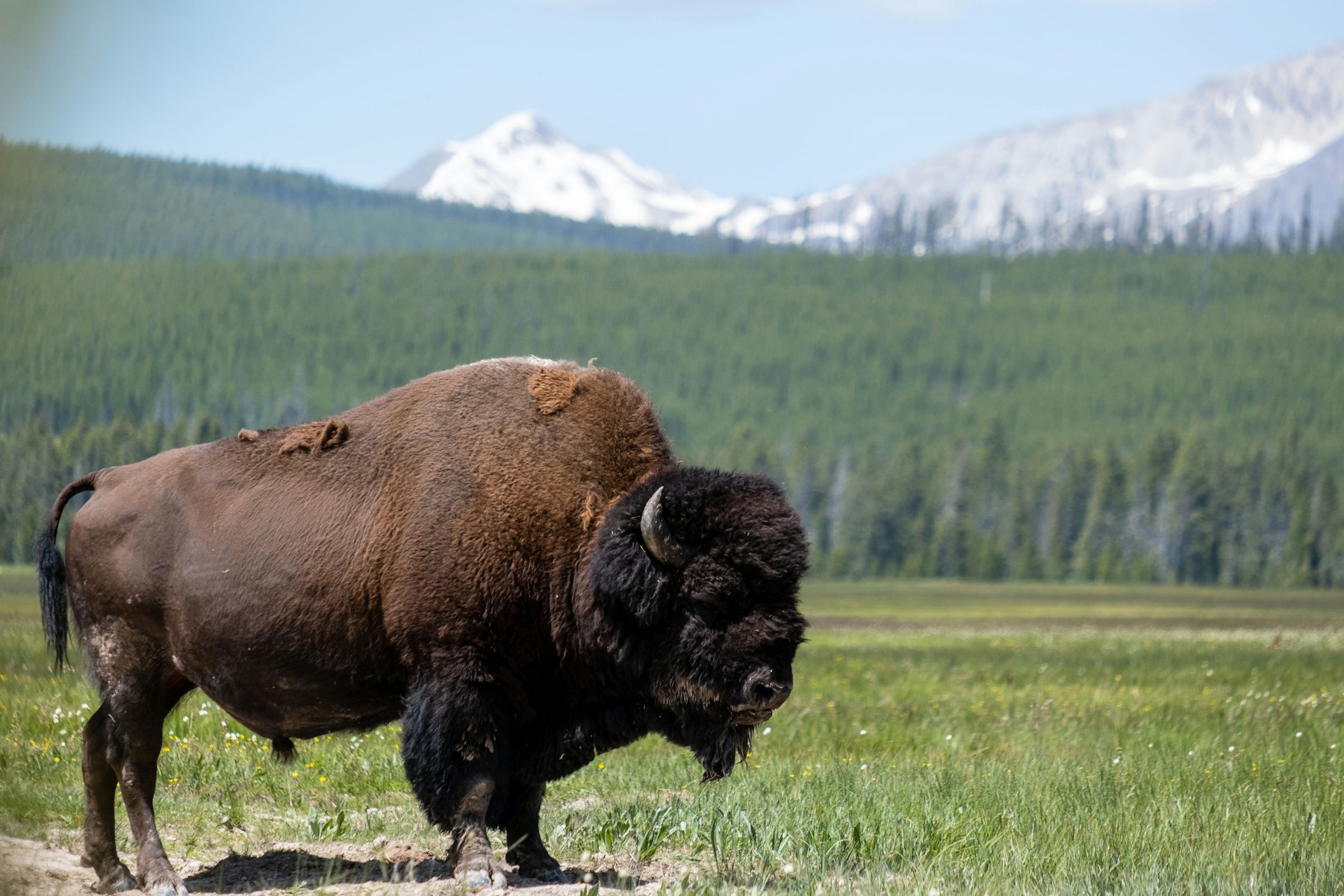
Yellowstone is sometimes treated as though it is primarily a stop to see Old Faithful.
In reality, Yellowstone covers more than 2.2 million acres, includes five principal entrances, and contains several major developed areas. Driving between them takes time. The park includes geyser basins, wildlife valleys, waterfalls, lakes, forests, historic structures, and thermal areas that deserve more than a rushed visit.
A thoughtful Yellowstone itinerary might balance Old Faithful and the Upper Geyser Basin, Grand Prismatic Spring, the Grand Canyon of the Yellowstone, Mammoth Hot Springs, wildlife viewing in Lamar or Hayden Valley, Yellowstone Lake, ranger programs, short walks, and time for delays caused by traffic or wildlife.
Wildlife should always be viewed from the required distance. Visitors must remain on designated boardwalks in thermal areas and follow current park guidance.
Trying to cross Yellowstone in a single hurried day may allow you to say you visited, but it may not provide the experience you imagined.
Arches is more than a drive-through stop
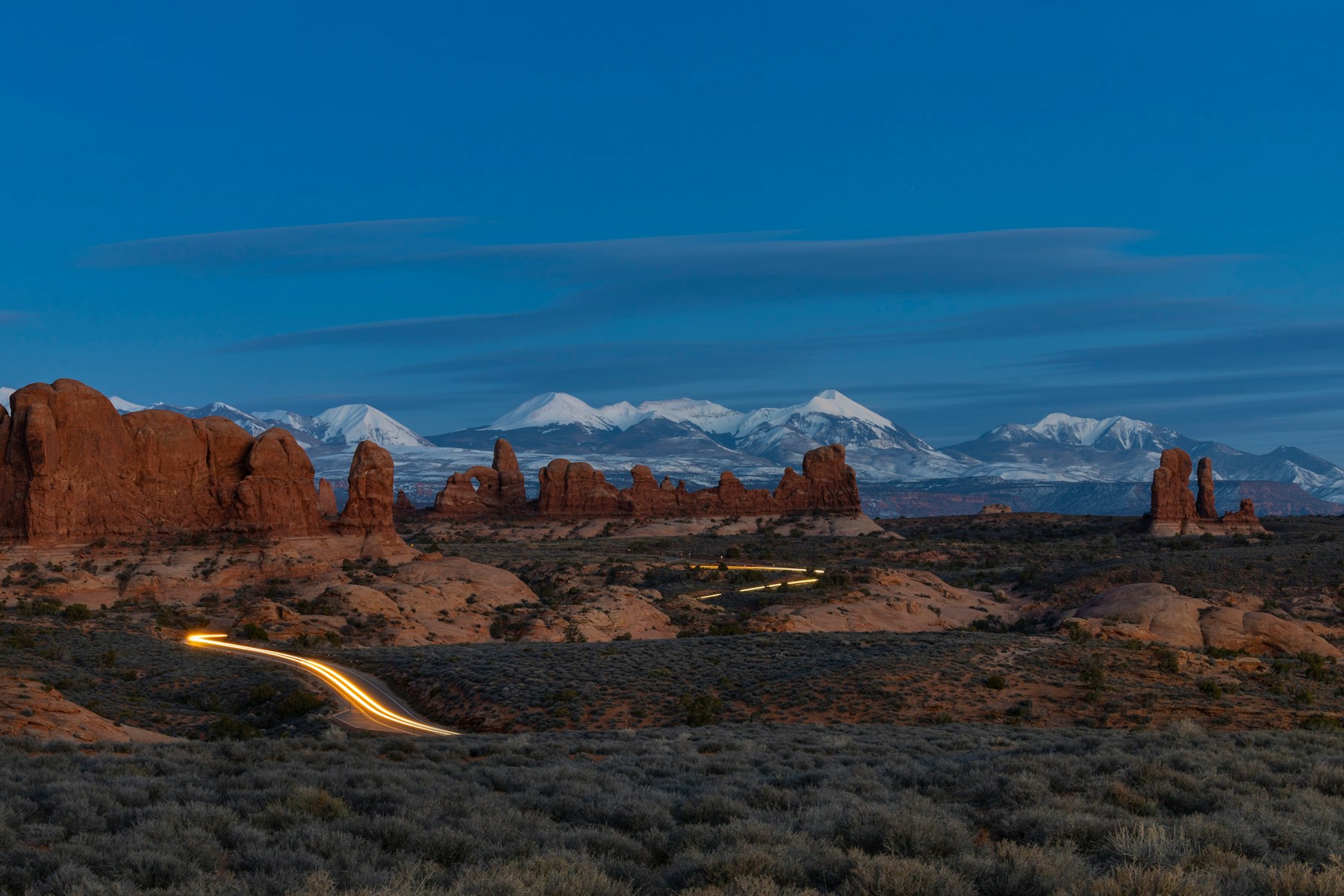
Arches National Park is visually dramatic and relatively easy to combine with nearby Canyonlands.
That convenience can make it tempting to treat the park as a quick stop during a larger road trip. But even a compact-looking park requires time for parking, walking, weather, and the possibility of congestion.
Arches contains more than 2,000 documented natural stone arches, along with fins, pinnacles, balanced rocks, and desert viewpoints.
The experience changes throughout the day. Morning and evening light can be beautiful, while midday heat may significantly affect hiking plans. Some visitors will be satisfied with scenic drives and shorter walks. Others may want longer trails, ranger programs, dark-sky viewing, or a reserved Fiery Furnace experience.
The right plan should consider heat, water, sun exposure, trail difficulty, and the amount of time your group can comfortably spend outdoors.
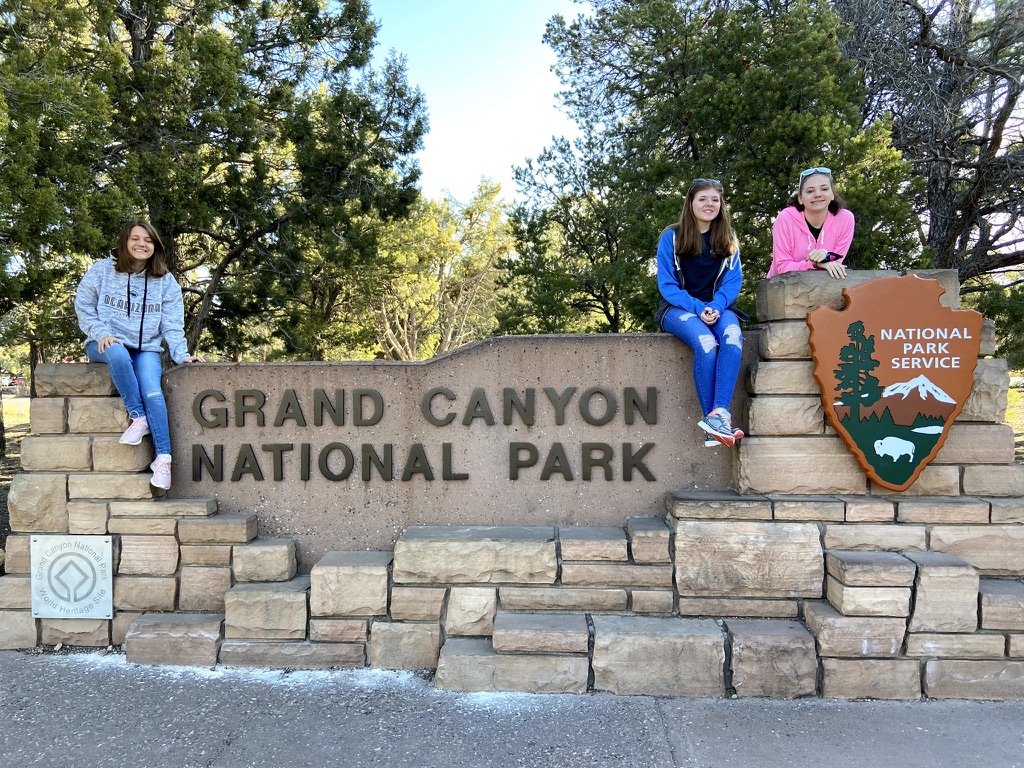
The western loop we still dream about
That is part of the value of planning before booking: a dream trip becomes more useful when it is translated into real distances, realistic days, and a pace the travelers can enjoy.
A loop does not have to include everything
A western road trip can be organized in many ways. Instead of attempting one enormous route, travelers might focus on a smaller region.
Yellowstone and the Tetons
Yellowstone and Grand Teton work naturally together, but both deserve time. Jackson, park lodging, gateway towns, and multiple entrances create several possible routes.
Utah’s red-rock parks
Arches and Canyonlands can be combined around Moab. A longer trip might continue through Capitol Reef, Bryce Canyon, and Zion—the group often called Utah’s “Mighty Five.” Even here, the distances and landscapes should not be underestimated. A five-park trip is not automatically a five-day trip.
Colorado and the surrounding region
Rocky Mountain National Park can be combined with places such as Black Canyon of the Gunnison, Great Sand Dunes, and Mesa Verde. Each offers a completely different experience.
Arizona and southern Utah
Grand Canyon, Zion, Bryce Canyon, and nearby public lands can form another route. Heat, elevation, shuttle systems, and seasonal weather will shape the itinerary.
Breaking the larger dream into regional trips may create more enjoyable vacations while leaving reasons to return.
Smaller parks can be the unexpected favorites
Some national parks receive far less attention than the most recognizable names. That does not make them less worthy of a visit.
A lesser-known park may have limited lodging or fewer visitor services, but it can also offer a quieter experience and a chance to discover a landscape without approaching it as a checklist.
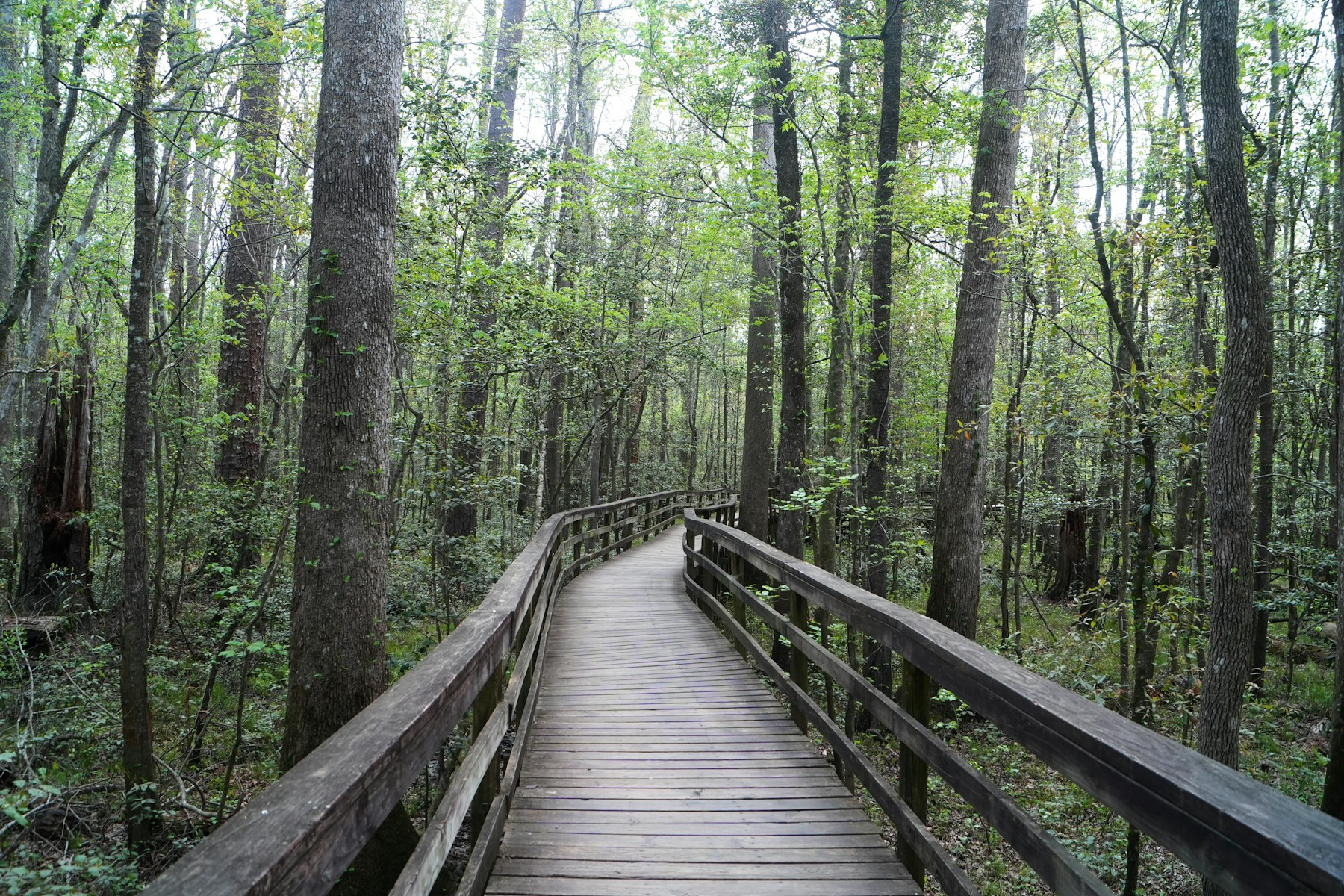
Congaree National Park, South Carolina
Congaree protects an important old-growth bottomland hardwood forest. Boardwalks, paddling, birding, and seasonal conditions create an experience very different from the western mountain parks. For travelers in the Carolinas, it can also be incorporated into a shorter regional trip rather than requiring a major flight.
Great Basin National Park, Nevada
Great Basin combines high-elevation landscapes, ancient bristlecone pines, caves, mountain scenery, and exceptionally dark skies. Its remote location requires planning, but that remoteness is part of its character.
Black Canyon of the Gunnison, Colorado
The canyon’s steep, dark walls create a dramatic landscape that is sometimes overlooked by travelers focused on Colorado’s better-known mountain destinations. The north and south rims are not connected by a bridge within the park, so visitors should understand which area they intend to visit.
Capitol Reef National Park, Utah
Capitol Reef is part of Utah’s celebrated group of parks but may receive less attention than Zion or Arches. Its cliffs, orchards, historic district, scenic drives, and desert landscapes can add a quieter dimension to a Utah itinerary.
Guadalupe Mountains National Park, Texas
Guadalupe Mountains offers desert, canyon, and mountain environments, including the highest natural point in Texas. Heat, wind, exposure, and limited services require preparation.
New River Gorge, Cuyahoga Valley, and Mammoth Cave
New River Gorge offers overlooks, hiking, history, and recreation in West Virginia. Cuyahoga Valley combines trails, waterfalls, historic landscapes, and rail-related experiences between Cleveland and Akron. Mammoth Cave offers underground tours as well as surface trails and history. Each shows that a national park trip does not have to mean a remote western wilderness expedition.
Look beyond the “national park” title
The National Park Service manages more than places officially titled “National Park.”
National monuments, historic sites, seashores, battlefields, recreation areas, parkways, and preserves can be equally meaningful. Some protect natural landscapes, while others tell important cultural and historical stories.
A trip near a famous park may become more interesting when it includes a national monument, scenic parkway, historic site, national seashore, state park, national forest, wildlife refuge, or locally managed attraction.
These places should not be treated as filler. Sometimes they provide the quieter or more personal experience that balances a heavily visited national park.
Choose lodging around the route
Where you sleep affects how the entire trip works.
Lodging inside a national park can reduce daily driving and allow travelers to experience quieter morning or evening hours. It may also be limited, expensive, rustic, or booked far in advance.
Gateway towns can offer more restaurants, hotels, and services but may require a substantial drive to reach the attractions you want to visit.
Before reserving a room, determine which entrance you will use, how far the hotel is from your priority areas, whether fuel and restaurants are readily available, and whether one base could support several days without unnecessary moves.
Build days around distance and conditions
National park maps can be deceptive.
A road may cover relatively few miles but take hours because of traffic, wildlife, construction, mountain terrain, overlooks, or seasonal conditions. Parking at popular trailheads may fill early. Shuttle systems may require waiting. Weather can change quickly.
Rather than filling every hour, choose one or two anchor experiences for the day and identify alternatives nearby. A practical day might include one important hike or scenic area, a visitor center, a picnic, several optional overlooks, and time for wildlife, photography, or weather changes.
Prepare for limited connectivity
Cellular service can be unreliable or unavailable in national parks.
Before arriving, download offline maps, save reservation confirmations, screenshot important directions, download the relevant park in the official NPS app, carry a paper map, share the day’s plan, and keep devices charged.
Preparation is not only convenient. It can also be an important safety measure.
Respect the landscape and wildlife
National parks are protected places, not outdoor theme parks.
Wildlife is wild, thermal areas are dangerous, desert heat can be severe, and mountain weather can change quickly. Visitors should stay on designated routes where required, maintain proper distance from animals, carry sufficient water, and follow current guidance from rangers.
Leave No Trace principles matter even during short visits. Stay on durable surfaces, dispose of waste properly, do not remove natural or cultural objects, and avoid creating new paths for a photograph.
The goal is to enjoy these places without diminishing them for the travelers who come next.
The best national park trip is not the longest list
There is something satisfying about placing another park stamp in a passport book or adding another destination to a map.
But the number of parks visited is not the most important measure of the trip.
A meaningful national park vacation might involve a week in Yellowstone, a regional drive through Utah, a weekend at Congaree, or one afternoon at a National Park Service historic site. The experience should fit the travelers’ time, interests, abilities, and preferred pace.
Our imagined western loop may eventually include Yellowstone, Arches, and several other remarkable parks. But the trip will be successful only if we give ourselves enough time to enjoy the landscapes between the pins on the map.
Sometimes the most memorable part is the landmark everyone recognizes. Sometimes it is a quiet overlook, an unexpected ranger conversation, a night sky, or a smaller park we nearly left off the route.