Researched Travel Guide
Family travel changes as the family changes.
A trip with preschoolers has a completely different rhythm from a vacation with teenagers, adult children, or grandparents. Interests evolve, energy levels vary, and the experiences that once held everyone’s attention may eventually give way to something new.
That does not mean family travel becomes harder or less meaningful. It simply requires a plan that reflects the people taking the trip now—not the family as it existed five or ten years ago.
The most successful family vacations are rarely the ones where everyone does everything together. They are the ones that give each traveler something to enjoy while creating enough shared experiences to make the trip feel like a family story.
Begin with the family you are traveling with today
It is easy to plan a family vacation around old habits.
You may return to a destination everyone once loved, assume the same activities will still appeal, or build the schedule around the youngest traveler even after the children have grown. But every trip begins with a different combination of ages, interests, schedules, abilities, and expectations.
Before selecting a destination or booking activities, consider:
- What does each traveler enjoy now?
- How much activity can everyone comfortably manage?
- Who likes early mornings, and who would rather sleep later?
- Does anyone need downtime during the day?
- Which experiences matter to the whole family?
- Where might it make sense for the group to separate?
- How much structure does everyone want?
- Are there dietary, mobility, sensory, or medical needs to consider?
These questions help shape a vacation that works for the people actually taking it.
Our family trips have grown along with our children
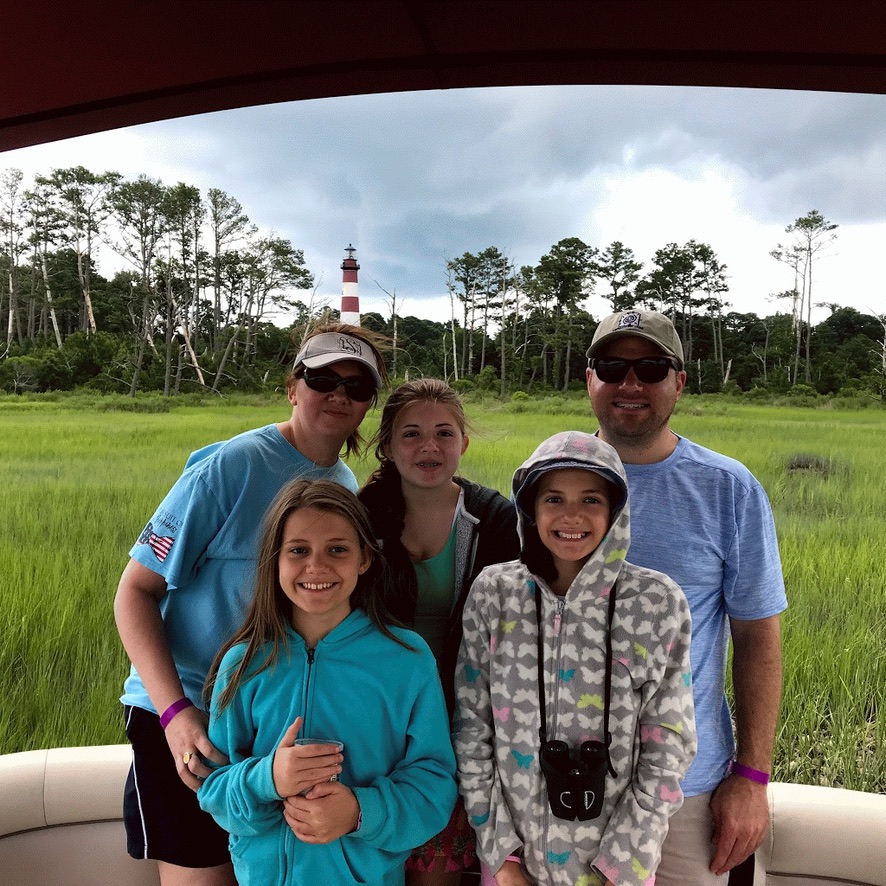
Travel has always been part of our family’s life, but our trips have changed considerably as our daughters have grown.
When they were small, our days revolved around short attention spans, familiar foods, early bedtimes, and the practical realities of moving young children through a busy destination. As they became teenagers and young adults, the trips became more flexible. They developed their own interests, wanted greater independence, and were capable of exploring parts of a destination without the entire family moving as one group.
The destination did not always need to change. Sometimes, we simply needed to experience it differently.
That has taught us an important lesson: a family vacation does not need to follow one permanent formula. The same family can return to a familiar place at different stages of life and have an entirely new experience each time.

Disney World with three-year-olds
That did not make the trip less special. Seeing Disney through the eyes of a three-year-old created its own kind of magic. Attractions adults might overlook became important moments, and a simple carousel ride could be every bit as memorable as a major headline attraction.
Plan around energy, not just age
Age is useful information, but it does not tell the entire story. Two children of the same age may have very different interests and stamina. One teenager may want to spend the entire day exploring, while another needs time to recharge. An active grandparent may comfortably walk for hours, while a younger traveler may struggle with heat or crowds.
Rather than assuming what people can or want to do based on age, talk honestly about energy levels and preferences.
A realistic itinerary might include a slower morning after a late evening, a hotel break during the hottest part of the day, an optional activity for more adventurous travelers, or one important shared experience instead of an entire day of mandatory group activities.
Planning around energy helps prevent one person’s preferred pace from controlling the entire trip.
Traveling with grandparents changes the rhythm
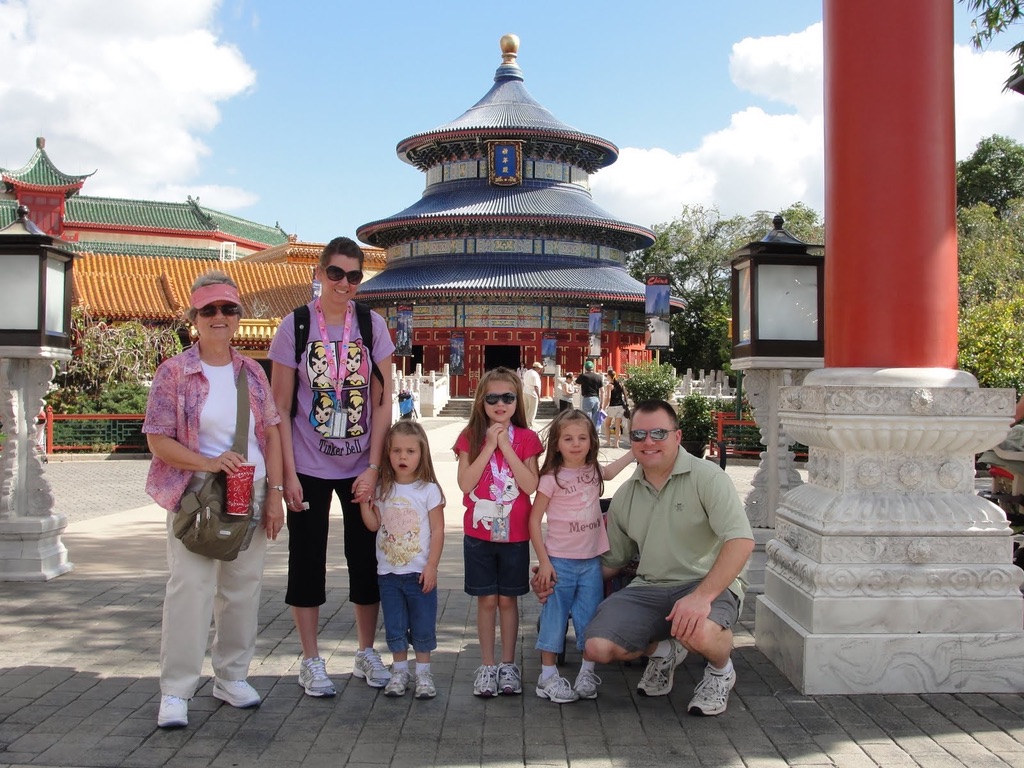
We also visited Disney World with my husband’s parents, which created a different kind of multigenerational experience.
This version of the trip involved slower strolls, fewer early rope-drop mornings, and less emphasis on fireworks and late nights. Instead of trying to be among the first guests in the park and staying until closing, we paid more attention to comfort and pace.
Traveling more slowly allowed us to notice things we might otherwise have hurried past. It also encouraged us to be more selective about what we genuinely wanted to experience.
Most importantly, we did not require everyone to remain together every minute.
At times, the group could split up. Those who wanted to ride a particular attraction or move at a faster pace could do so, while others enjoyed a quieter activity, found somewhere comfortable to sit, or returned to the hotel. We could then meet later for a meal or another shared experience.
That flexibility helped the trip work for everyone. The goal was not to create one schedule that every person had to follow. It was to create a framework that allowed several different vacation styles to coexist.
Together does not have to mean every minute together
Families sometimes feel pressure to remain together because the trip is supposed to be shared. In practice, insisting that everyone participate in every activity can create unnecessary frustration.
Separating for part of the day does not diminish the family experience. In many cases, it improves it.
A flexible plan might establish a few shared anchors: breakfast before everyone begins the day, one major tour or attraction, a planned family dinner, an evening show, or a specific time and place to meet. The hours between those anchors can remain flexible.
This approach gives each traveler some independence while preserving the moments that bring everyone back together.
Cruises with older teenagers and young adults
Choose a destination with more than one kind of experience
A destination does not need to offer the same activity to everyone. It needs to offer enough variety that every traveler can find something meaningful.
A multigenerational cruise might include children’s programming, adult-only spaces, entertainment, quiet lounges, excursions at different activity levels, and a dining room where everyone reconnects.
A European city might offer museums, food tours, shopping, historic sites, parks, neighborhood walks, and day trips. A resort could provide a pool, spa, beach, golf, organized activities, and places to relax without a schedule.
When evaluating a destination, look beyond its best-known attraction. Consider whether the complete experience offers enough options for the entire group.
Let everyone identify a priority
One helpful way to begin planning is to ask each traveler to name one or two things that matter most to them.
A young child may want to meet a favorite character. A teenager may care about a particular activity or want time to shop. A grandparent may prioritize a scenic tour with limited walking. One adult may be excited about a special restaurant, while another simply wants an unscheduled afternoon by the pool.
Not every request will fit the final itinerary, but asking the question helps everyone feel considered. It also prevents the loudest or most enthusiastic planner from unintentionally designing the entire vacation around their preferences.
Build in recovery time
Family travel involves more than sightseeing. Even when everyone is enjoying the trip, navigating transportation, crowds, unfamiliar surroundings, meals, and changing schedules requires energy.
A slower afternoon or unscheduled evening is not wasted vacation time. It may be what allows everyone to enjoy the next day—especially after a long travel day, an early excursion, a late evening, a full day in a theme park, or several scheduled days in a row.
A well-paced trip should leave the family with memories, not with the feeling that everyone needs another vacation to recover.

The family story is bigger than the itinerary
The details of our family trips have changed over the years.
We moved from strollers, carousels, and daily chicken fingers to later mornings, independent activities, specialty meals, and daughters who could explore on their own. We have also adjusted the pace to travel with grandparents, choosing slower days and creating space for different energy levels.
What remained consistent was the reason for traveling: spending time together and experiencing something beyond our ordinary routines.
A thoughtfully planned family vacation does not require everyone to want the same things. It creates room for different ages, interests, and personalities while protecting the moments that matter to the group.
The best family trip is not necessarily the one where everyone follows the same schedule. It is the one where each traveler feels considered—and where the experiences you share become part of the family story.