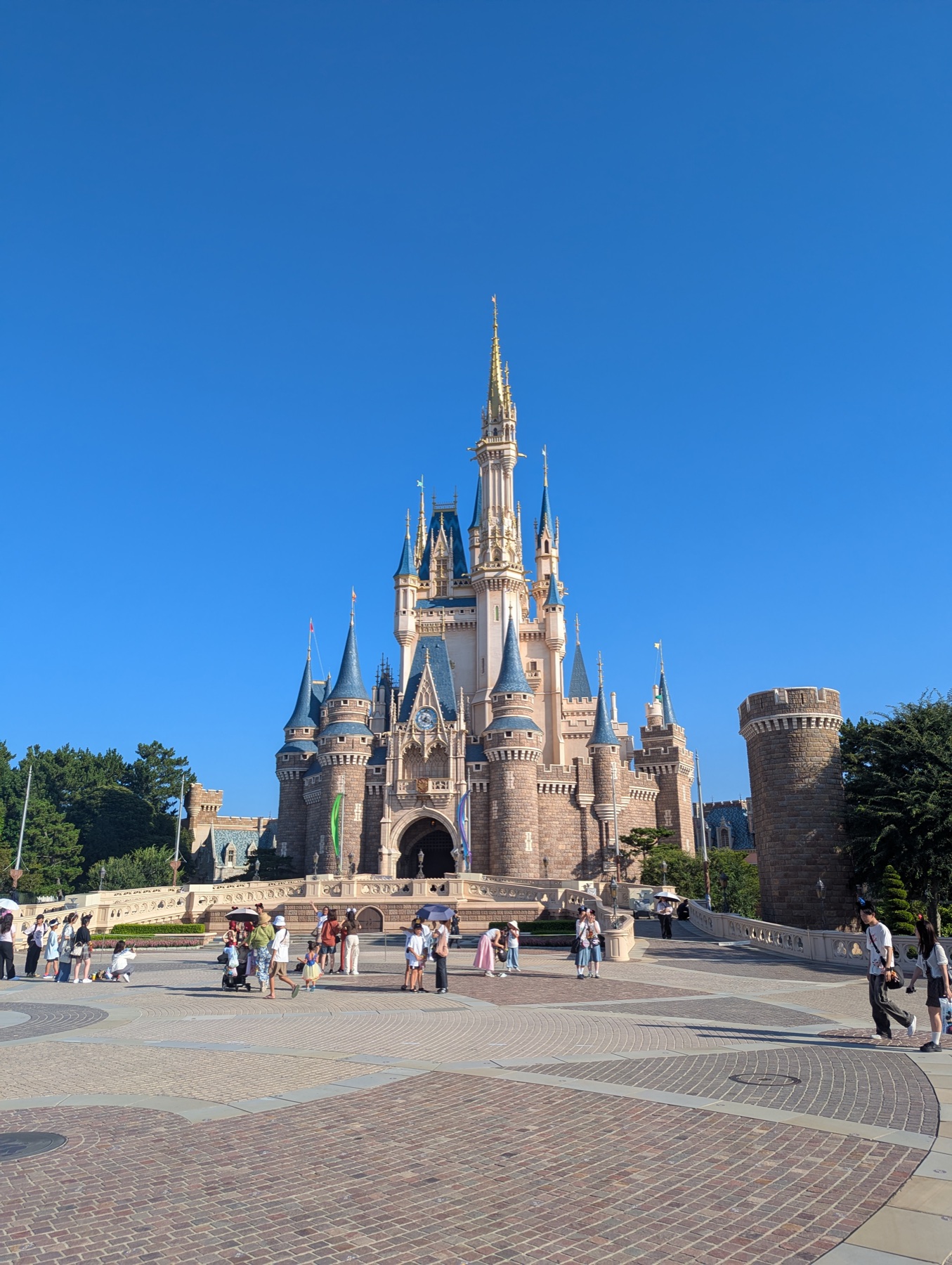
Professionally Planned · Last verified 2026-07-28
Quick Take
A Tokyo and Disney trip works best when both halves get real time
- Article perspective
- Researched planning guidance, not a firsthand visit
- Recommended park time
- At least one full day in each park
- Protect for Tokyo
- Three or four meaningful city days
- Key decision
- Whether a city-and-resort split stay fits the trip
Tokyo and Tokyo Disney Resort can fit beautifully into one trip, but they should not be treated as one interchangeable destination. Tokyo deserves time for its neighborhoods, food, museums, markets, and everyday discoveries. The resort, located in Urayasu in neighboring Chiba Prefecture, has two full-scale theme parks with their own transportation, hotel, ticket, and app-based planning decisions.
I have not personally visited Tokyo Disney Resort. I recently researched it in depth for a client, and that planning process reinforced how different this trip is from simply adding a familiar Disney day to a city itinerary. The best plan begins with the travelers: what they love about Disney, how much structure they tolerate, how early they are willing to start, and what they would regret missing in Tokyo.
First decide what role Disney should play
For some travelers, Tokyo Disney Resort is the reason for the trip. For others, it is a two-day addition to a broader Japan itinerary. That distinction should guide the number of park days, hotel choice, and whether a split stay is worth the extra packing.
A first visit that includes both parks usually deserves at least one full day at Tokyo Disneyland and one full day at Tokyo DisneySea. Disney-focused travelers may want a third park day to revisit favorites, absorb entertainment, or allow for weather and attraction availability. Travelers primarily interested in Tokyo should resist letting the resort consume so much time that the city becomes a collection of hurried highlights.
I would normally protect at least three or four meaningful Tokyo sightseeing days outside the resort, depending on the length of the larger Japan trip. That creates room to group neighborhoods sensibly instead of crossing the city repeatedly and returning exhausted before an early park morning.
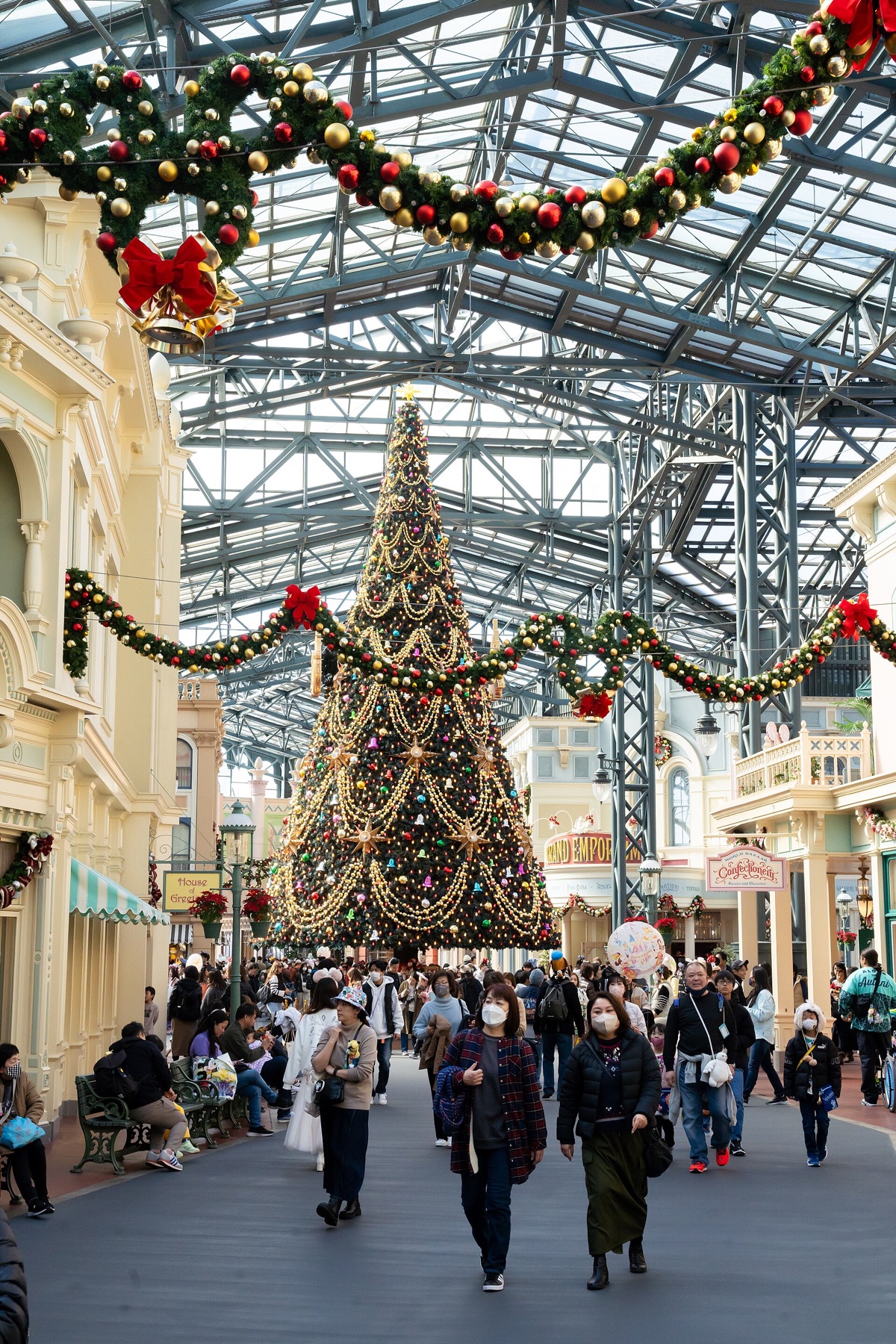
Tokyo Disneyland and Tokyo DisneySea are not substitutes
Tokyo Disneyland is the more familiar castle-park experience. Its seven themed lands include versions of classic Disney settings, but familiarity should not be mistaken for sameness. Attractions such as Enchanted Tale of Beauty and the Beast, Japanese entertainment, seasonal offerings, food, and guest culture give the park its own identity.
Tokyo DisneySea is the park many international Disney fans consider the greater priority because its nautical ports, dramatic sight lines, and attraction mix exist nowhere else in the Disney portfolio. Mediterranean Harbor, Mysterious Island, American Waterfront, Arabian Coast, Mermaid Lagoon, Lost River Delta, Port Discovery, and Fantasy Springs create a park that rewards exploration as much as a ride checklist.
Families with younger children may initially lean toward Disneyland, while adults, repeat Disney travelers, and guests drawn to elaborate environments may be especially excited by DisneySea. Those are useful tendencies, not rules. Height requirements, favorite characters, thrill tolerance, entertainment, and seasonal closures should determine the final priority.
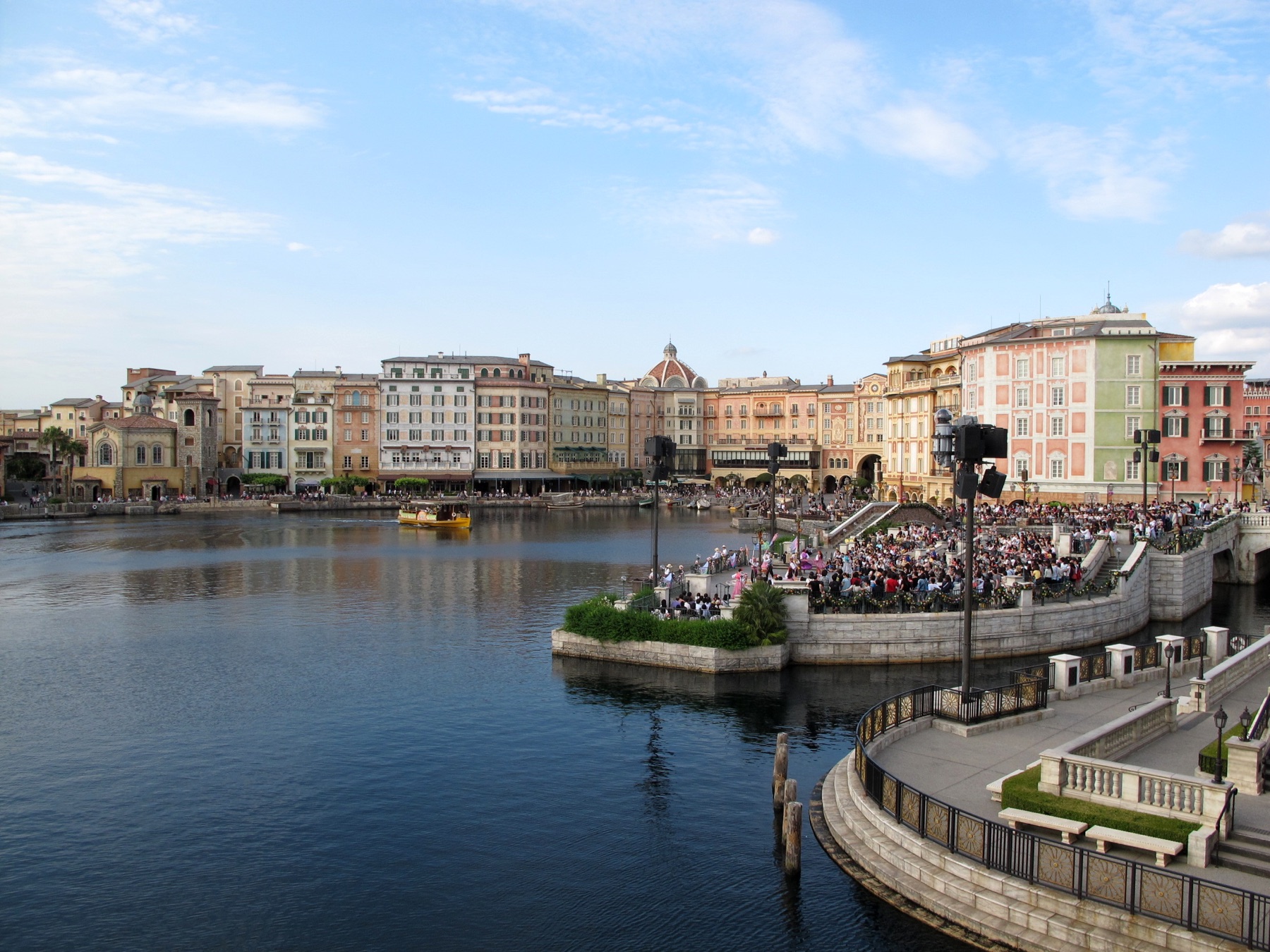
Treat tickets and the official app as part of the itinerary
Tokyo Disney Resort sells date-specific, park-specific tickets through its official website and app, generally on a rolling schedule. Ticket booths at the parks are currently closed, so this is not a decision to leave until arrival. Availability, operating hours, prices, and ticket rules should be checked again for the exact travel dates.
The official Tokyo Disney Resort app matters before and during the visit. It displays tickets and current wait times and is used for services such as Disney Premier Access, Entry Request, and Standby Pass when those systems apply. Everyone in the traveling party does not necessarily need to manage the plan independently, but the group should decide in advance who will hold the tickets, make purchases, and watch return times.
Disney Premier Access is a paid service for designated attractions and entertainment. Its participating experiences and prices change. It can be useful when one high-priority experience would otherwise dominate the day, but it should be budgeted deliberately rather than treated as an automatic purchase for everything.
Attraction access at Tokyo Disney Resort has evolved frequently. Any plan that promises a particular access method months in advance will become brittle. I prefer to identify the party’s top two or three priorities in each park, confirm the current rules shortly before travel, and build a flexible opening strategy around what is actually operating.
Choose the hotel for the trip you are actually taking
A Tokyo city hotel can work for one park day, especially when the rest of the itinerary is city-focused. The tradeoff is an early commute to Maihama Station and a return after a long day. For two or more consecutive park days, staying near the resort can protect sleep, simplify transportation, and make an early start more realistic.
Disney hotels offer different levels of immersion, proximity, and benefits. Tokyo Disneyland Hotel faces Disneyland; Hotel MiraCosta is integrated with DisneySea; Fantasy Springs Hotel serves its namesake area; and the Ambassador, Toy Story, and Celebration hotels occupy other price and location positions. Official hotels around Bayside Station and non-Disney hotels near Maihama can offer useful alternatives.
Happy Entry allows eligible Disney-hotel guests to enter an applicable park before other guests, but the participating hotels, parks, dates, and entry lead time can vary. It is a valuable planning factor, not a permanent promise attached to every Disney hotel. The official benefit page should be checked for the exact hotel and dates before using it to justify a higher room rate.
A split stay often makes sense: experience Tokyo from a neighborhood chosen for the city itinerary, then move to the resort before the park portion. It creates one hotel change, but it can also replace repeated early and late train journeys with a calmer rhythm.
Understand the geography before booking
Tokyo Disney Resort is not in central Tokyo. JR Maihama Station, reached on the Keiyo or Musashino lines, is the main rail gateway. From there, Tokyo Disneyland is walkable, while the Disney Resort Line monorail connects Resort Gateway, Tokyo Disneyland, Bayside, and Tokyo DisneySea stations.
That geography matters when evaluating a hotel advertised as convenient to Tokyo. A property that works beautifully for Shinjuku, Shibuya, or Asakusa may still create an inconvenient park commute. Conversely, a resort hotel is not the best base for several days of city sightseeing. I compare the actual door-to-door journeys, including transfers and the walk inside large stations, rather than relying on a hotel’s broad location description.
On a hotel-change day, luggage forwarding or storage can keep bags from controlling the itinerary. The best handoff depends on the two hotels and the schedule, so those arrangements should be confirmed directly rather than assumed.
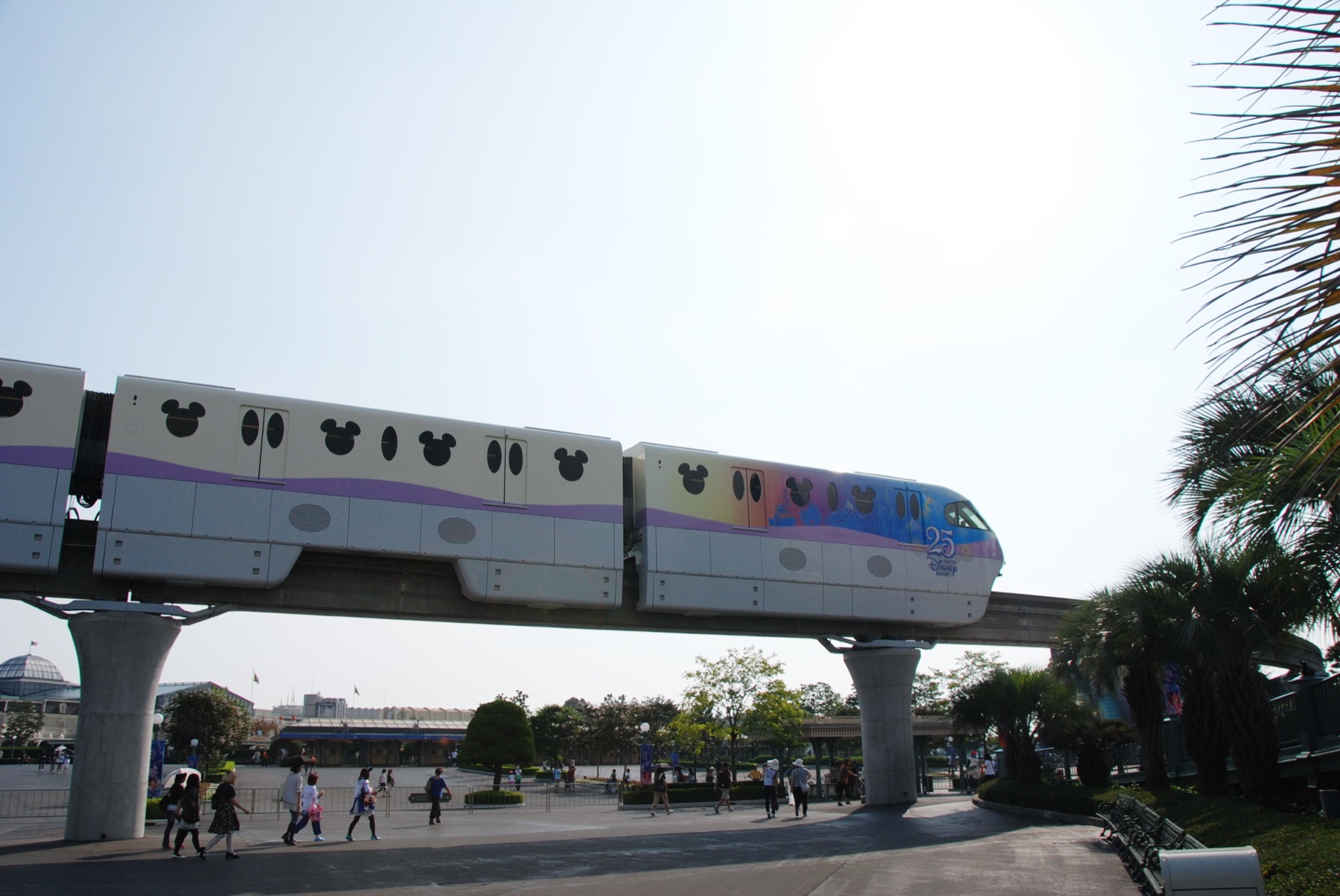
Plan park days around priorities, not completion
A good park plan is not a minute-by-minute promise. It is a ranked set of choices. Before the trip, each traveler should name the attractions, entertainment, characters, food, and atmosphere that matter most. Shared priorities become the opening strategy; individual preferences help decide where the group can divide or compromise.
Arriving early remains useful, but it does not eliminate security lines, crowds, weather, closures, or the learning curve of a new park. Build in time to understand the app, find the correct entrance, and enjoy details that were never on the checklist.
Dining deserves advance thought without allowing every meal to become another deadline. Some restaurants accept advance reservations, while counter-service meals, snacks, and mobile-order availability can shape the day. Travelers with allergies or dietary requirements should review current official guidance before arrival.
Tokyo’s summers can be hot and humid, its rainy periods can be wet, and typhoons can affect travel. Seasonal entertainment also changes demand. Shade, hydration, rain gear, rest, and realistic expectations belong in the plan as surely as attraction priorities.
Leave room for Tokyo to be more than the trip around Disney
Disney fans can be tempted to use the city only as an arrival point, but Tokyo is not a pre-show. Neighborhoods such as Asakusa, Ueno, Ginza, Shibuya, Shinjuku, and quieter residential districts offer very different experiences. Markets, gardens, temples, museums, observation decks, shopping, and meals can be grouped geographically to reduce unnecessary transit.
The city portion should reflect the travelers, just as the park portion does. Anime and design, food and nightlife, history and gardens, fashion and shopping, or day trips beyond Tokyo can each pull the itinerary in a different direction. A short list chosen with intention will usually feel richer than a famous-sights race.
The goal is not to choose between Tokyo and Disney. It is to give each one enough space to feel like a destination. When the park days, hotel move, and city neighborhoods are arranged as parts of one journey, the trip becomes far more coherent—and far less tiring.
What I would confirm before finalizing the trip
Before booking, I would settle the total number of city and park days, decide whether both parks are essential, compare a city-only stay with a split stay, and identify the hotel benefits that genuinely matter to the travelers.
Before departure, I would reconfirm park hours, attraction closures, ticket and app requirements, current access systems, Happy Entry eligibility, dining arrangements, transportation, weather, and each traveler’s top priorities. Tokyo Disney planning changes too often for an old checklist to be more valuable than a current, traveler-specific plan.