Personally Experienced · Last verified 2026-07-29
Explore United States
Quick Take
A compact Texas road trip with room for history, nostalgia, and a pastry stop
- When we went
- January 2021
- Trip length
- Three full days
- Best base
- Downtown Dallas with a rental car
- Biggest planning day
- The Dallas–Waco–West road trip
In January 2021, travel still required an extra level of flexibility. COVID-19 restrictions affected hours, capacity, dining, and the way museums operated, but Brian and I were ready to get out of the house and see somewhere new. We chose Dallas for a long weekend because a nonstop flight from Charlotte made it easy to reach, and a rental car gave us the freedom to connect Dallas, Parker, Waco, and West in one compact trip.
This itinerary follows the shape of what we experienced: presidential history and television nostalgia on the first day, a full road trip through Waco on the second, and a final Dallas museum before flying home. It combines several serious museums with lighter stops, good food, and some of the best city views we found.
Because our visit happened during an unusual period, I would not use our exact experience to predict present-day crowds or procedures. I would, however, repeat the basic route. With three full days, Dallas makes a practical base for seeing much more than one city.
Interactive map
Places in our Dallas and Waco weekend
Explore the city-base, day-trip, museum, television, food, and skyline stops from our three-day Texas itinerary. Markers are approximate where the article describes a broader district.
Loading interactive map…
Location 1 of 16
Dallas Fort Worth International Airport
Our nonstop-flight arrival point before picking up a rental car.
Map markers are approximate. Map data © OpenStreetMap contributors; tiles by OpenFreeMap.
Getting There and Getting Around
We flew nonstop from Charlotte to Dallas and rented a car at the airport. A car is important for this particular itinerary. Downtown Dallas is walkable in pockets, but Southfork Ranch is in Parker, Waco is roughly 90 miles south of Dallas, and West sits along Interstate 35 between Waco and the Dallas–Fort Worth area.
This is also an itinerary where the order matters. Group Dallas attractions together, place Southfork on the way toward Waco if tour times allow, and avoid driving back and forth across the region. Reserve the car and the attractions you care about before departure, then confirm hours again shortly before the trip.
Where We Stayed: Hyatt Regency Dallas
We stayed at Hyatt Regency Dallas, and its location was one of the best decisions of the trip. The hotel sits downtown beside Reunion Tower, within walking distance of Dealey Plaza and the Historic West End. We could reach several tourist sights and plenty of food without moving the car every time we left the room.
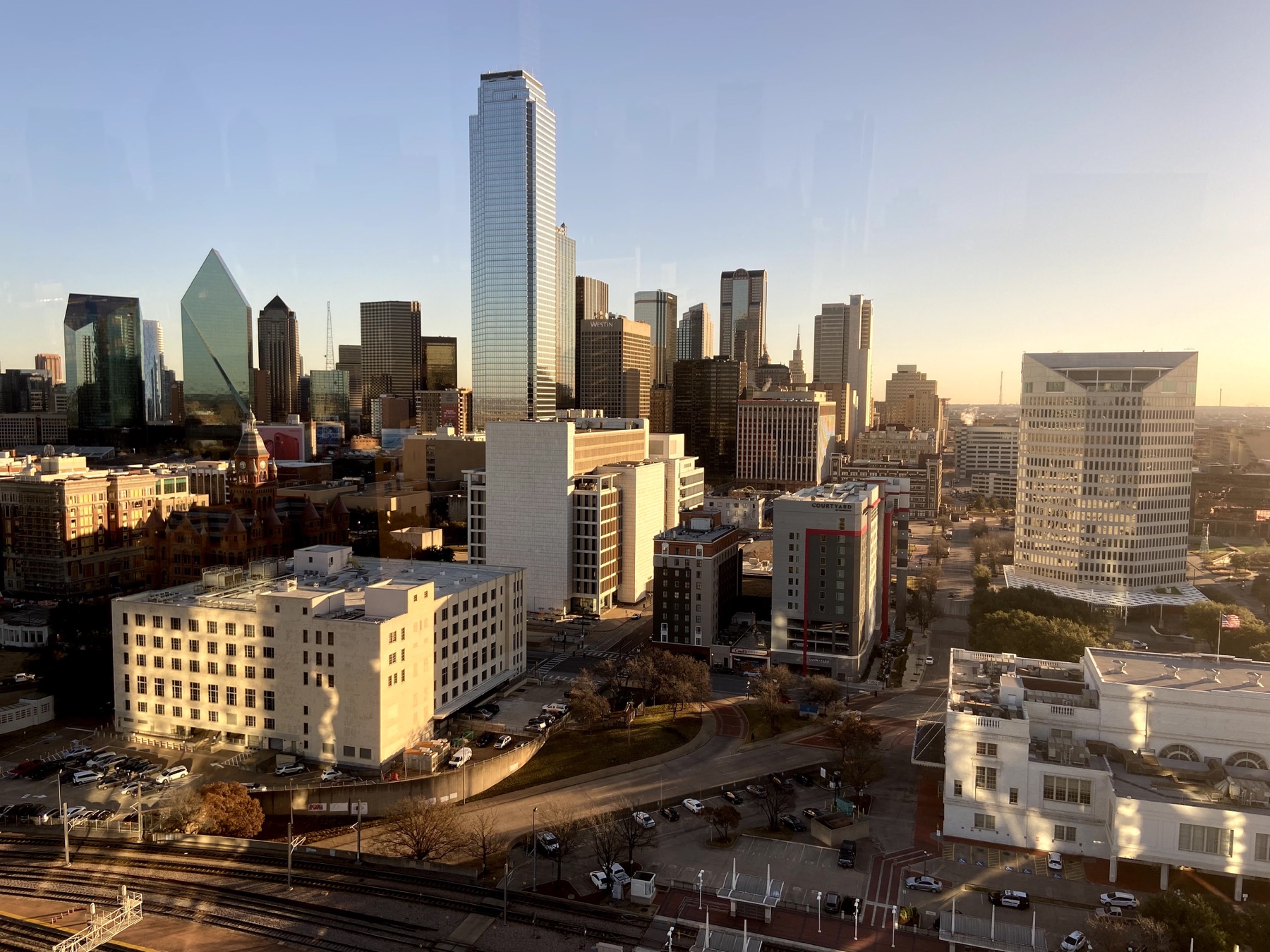
Our room also gave us the skyline views that make a downtown stay feel special. If I were planning the same weekend again, I would gladly use this area as a base. The hotel is especially convenient for this itinerary because Reunion Tower is connected to it, allowing us to finish a long driving day with a major Dallas view instead of another cross-city trip.
Day 1 Morning: The Sixth Floor Museum at Dealey Plaza
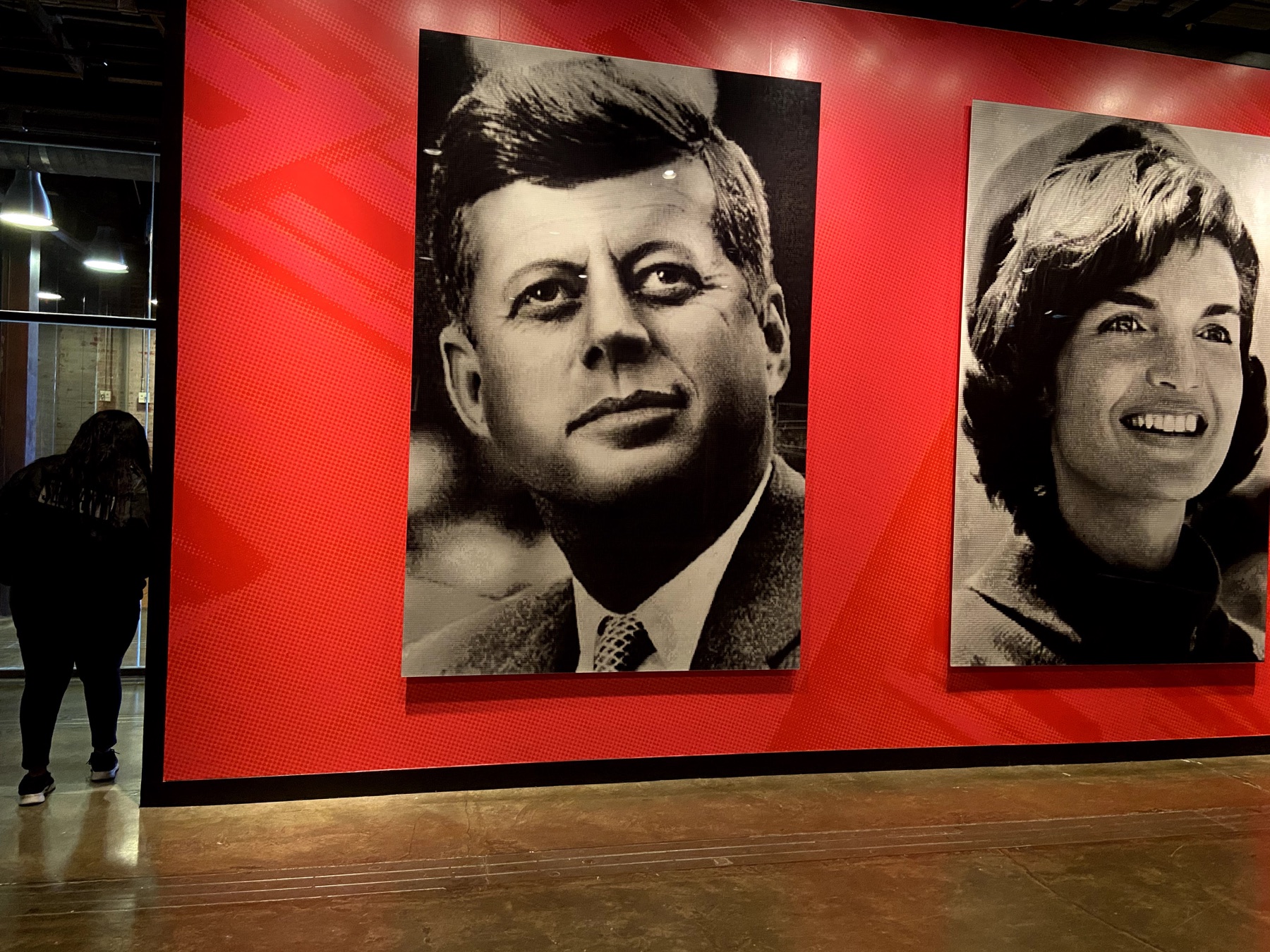
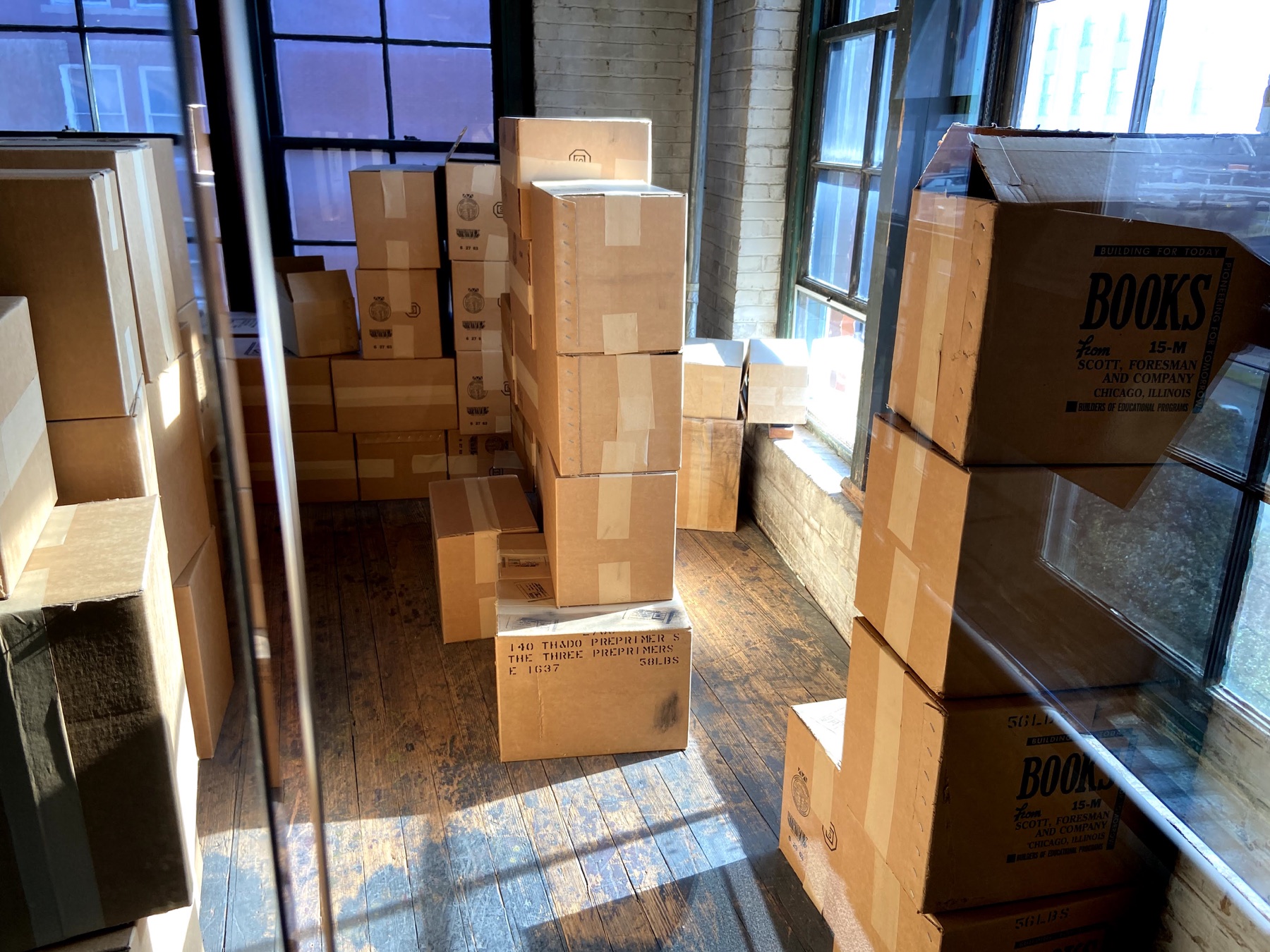
We began at The Sixth Floor Museum at Dealey Plaza, inside the former Texas School Book Depository. The museum’s main exhibition, John F. Kennedy and the Memory of a Nation, examines Kennedy’s life, presidency, assassination, the investigations that followed, and his legacy. Special exhibitions and programs may also use the seventh floor.
This was one of the best-curated museums of our weekend. Photographs, news coverage, artifacts, films, oral histories, and the physical setting work together to tell the story in a careful sequence. The exhibits provide the political and social context surrounding Kennedy’s visit to Dallas before moving through November 22, 1963 and the questions that followed.
The Building Is Part of the Story
Being in the building overlooking Dealey Plaza makes the history feel immediate in a way a general presidential museum cannot. Allow about two hours, and give yourself time afterward to walk through Dealey Plaza. This is not a stop I would squeeze between two timed reservations.
Day 1 Afternoon: Southfork Ranch and a Return to 1980s Television
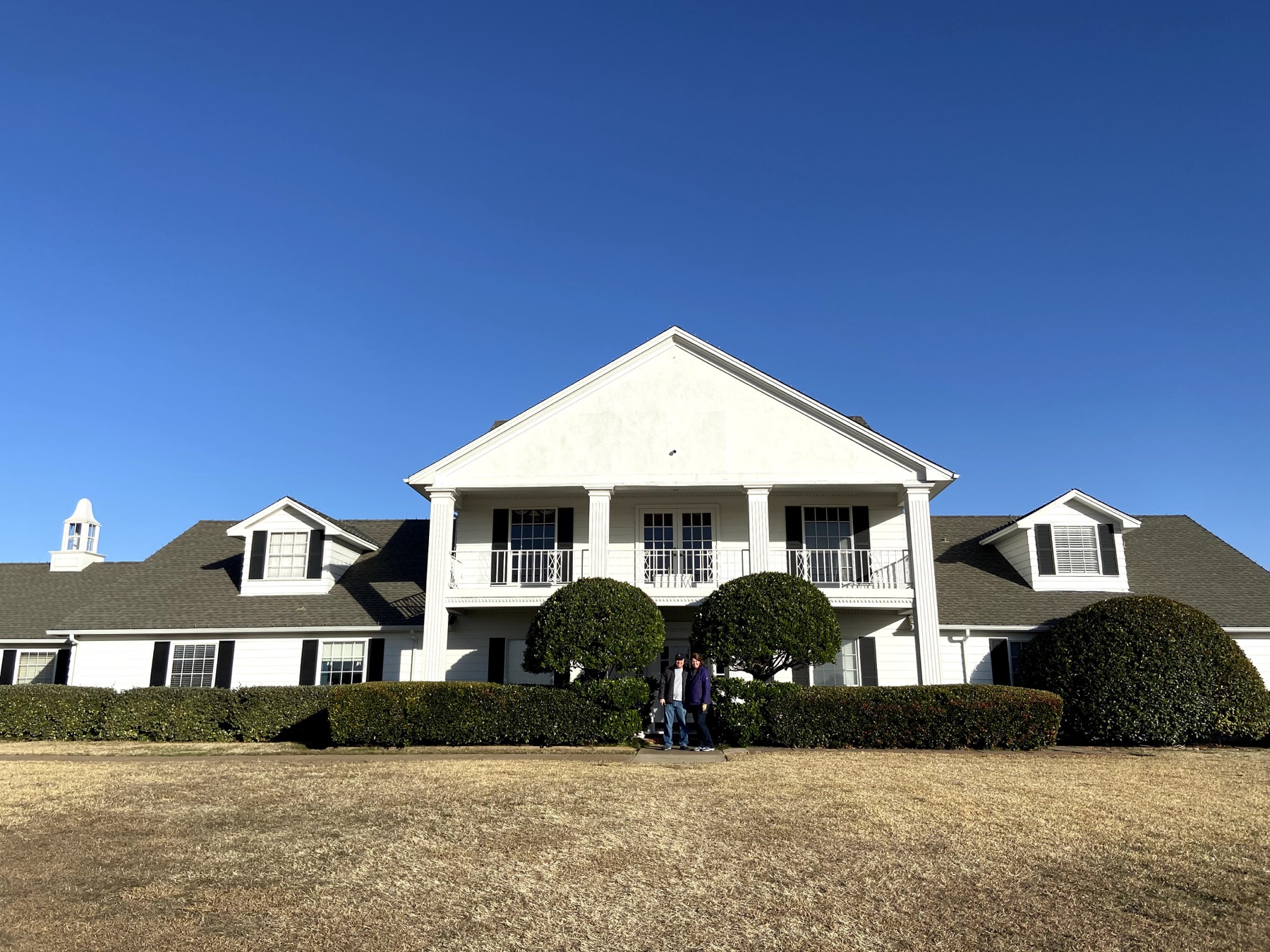
From downtown, we drove north to Southfork Ranch in Parker. Exterior scenes for the television series Dallas made this ranch the world-famous home of the Ewing family, and anyone who remembers the show from the 1980s will recognize the white mansion, pool, and wide Texas setting almost immediately.
The guided experience took us through the Ewing Mansion and the ranch’s Dallas memorabilia. Costumes, props, photographs, and stories brought back the era when the question “Who shot J.R.?” became a genuine cultural event. Standing at Southfork made those familiar opening credits and family rivalries feel surprisingly close.
The house viewers saw on television was part real location and part television illusion; interior scenes were also created for production. That did not diminish the nostalgia for us. The fun was seeing the setting connected to the Ewing story and hearing how a private Texas ranch became one of television’s most recognizable homes.
Day 2: Make Waco a Full-Day Road Trip
Waco deserves a full day rather than a rushed detour. From Dallas, the drive is generally about an hour and a half each way before traffic and stops. We combined Magnolia Market, downtown Waco, the Dr Pepper Museum, and the Texas Ranger Hall of Fame and Museum, then stopped in West on our return.
That is an ambitious day, so check opening hours and choose priorities before leaving Dallas. Magnolia can absorb more time than expected if you enjoy shopping, while the two museums reward visitors who slow down and read. We moved efficiently, but I would not add another major attraction to this route.
Magnolia Market at the Silos
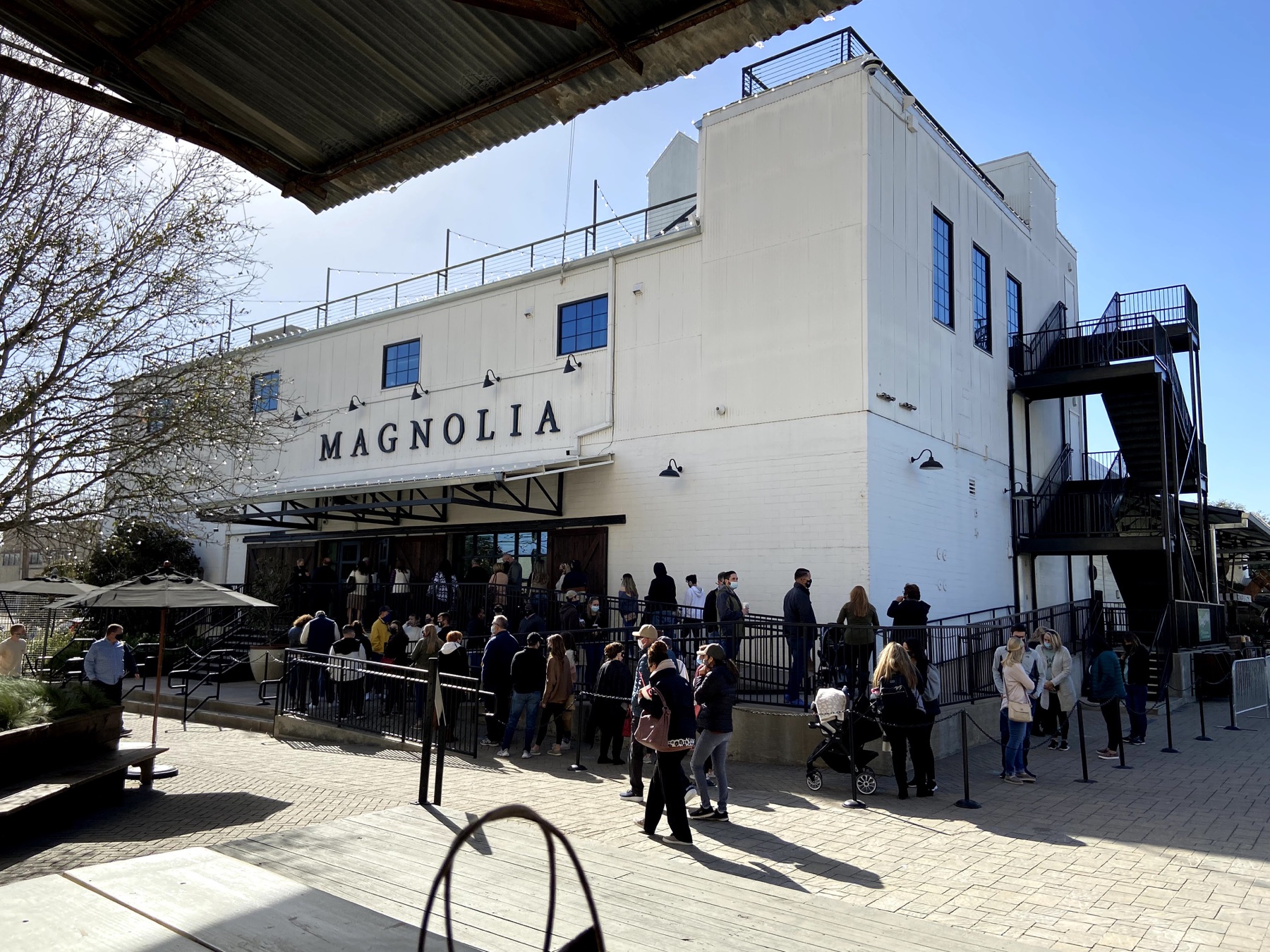
Chip and Joanna Gaines helped turn the Silos into one of Waco’s best-known visitor destinations. We walked the grounds, browsed the shops, and ate from the food trucks on the property. The old silos create an unmistakable backdrop, while the lawns and surrounding buildings make the complex feel like a gathering place rather than a single store.
Magnolia’s polished farmhouse style and television following draw a very enthusiastic audience. Even during our January 2021 visit, the property felt lively. If shopping is a major reason for your trip, allow several hours. If you mainly want to see the grounds, eat, and browse a few stores, you can move through more quickly.
Do not assume the Silos are all there is to Waco. Downtown has its own restaurants, historic buildings, museums, and pockets worth exploring. We enjoyed seeing how the Magnolia development fit into a city with a much longer story.
The Dr Pepper Museum: A Waco Original
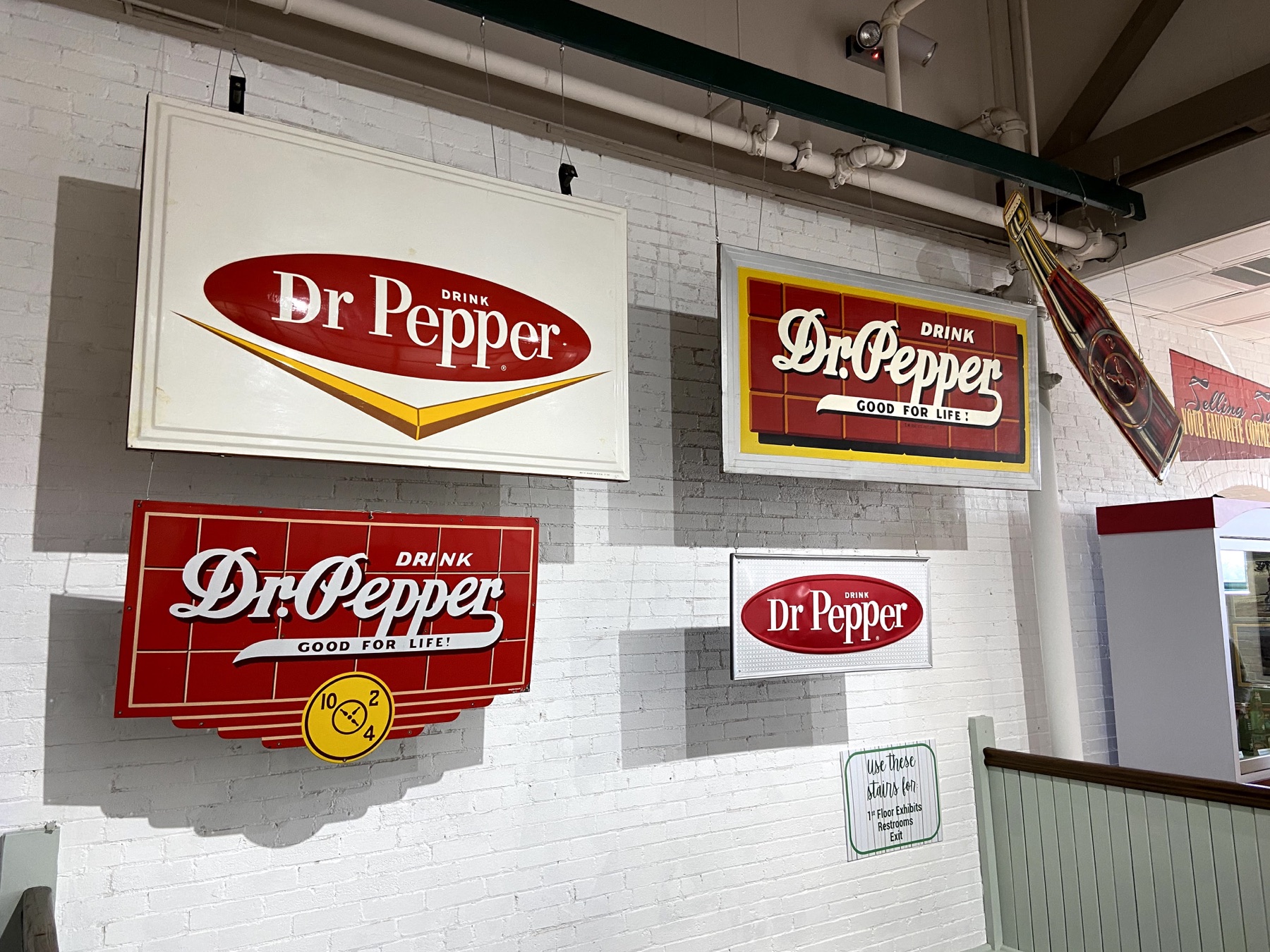
The Dr Pepper Museum turned a familiar soft drink into a surprisingly engaging lesson in Waco history, advertising, bottling, and American business. Pharmacist Charles Alderton created the drink at Morrison’s Old Corner Drug Store in Waco, where it was first served in 1885. That makes Dr Pepper a genuine Waco original and one of the oldest major soft drinks in the United States.
The museum occupies the historic Artesian Manufacturing and Bottling Company building rather than the original drugstore where the recipe was created. Exhibits trace the drink from the soda-fountain era through bottling and national marketing, with vintage signs, containers, equipment, and advertising showing how the brand’s identity changed over time.
One detail I enjoyed was learning that even the origin of the name has competing stories. The museum has collected multiple versions rather than pretending that every part of the legend can be proven. That mix of local history, industrial history, and advertising nostalgia made the stop much more interesting than I expected.
Allow at least 90 minutes, or closer to two hours if you like reading displays. A soda experience is an appropriate finish, but the real value is understanding how a drink created at a Waco pharmacy became a national brand.
Texas Ranger Hall of Fame and Museum
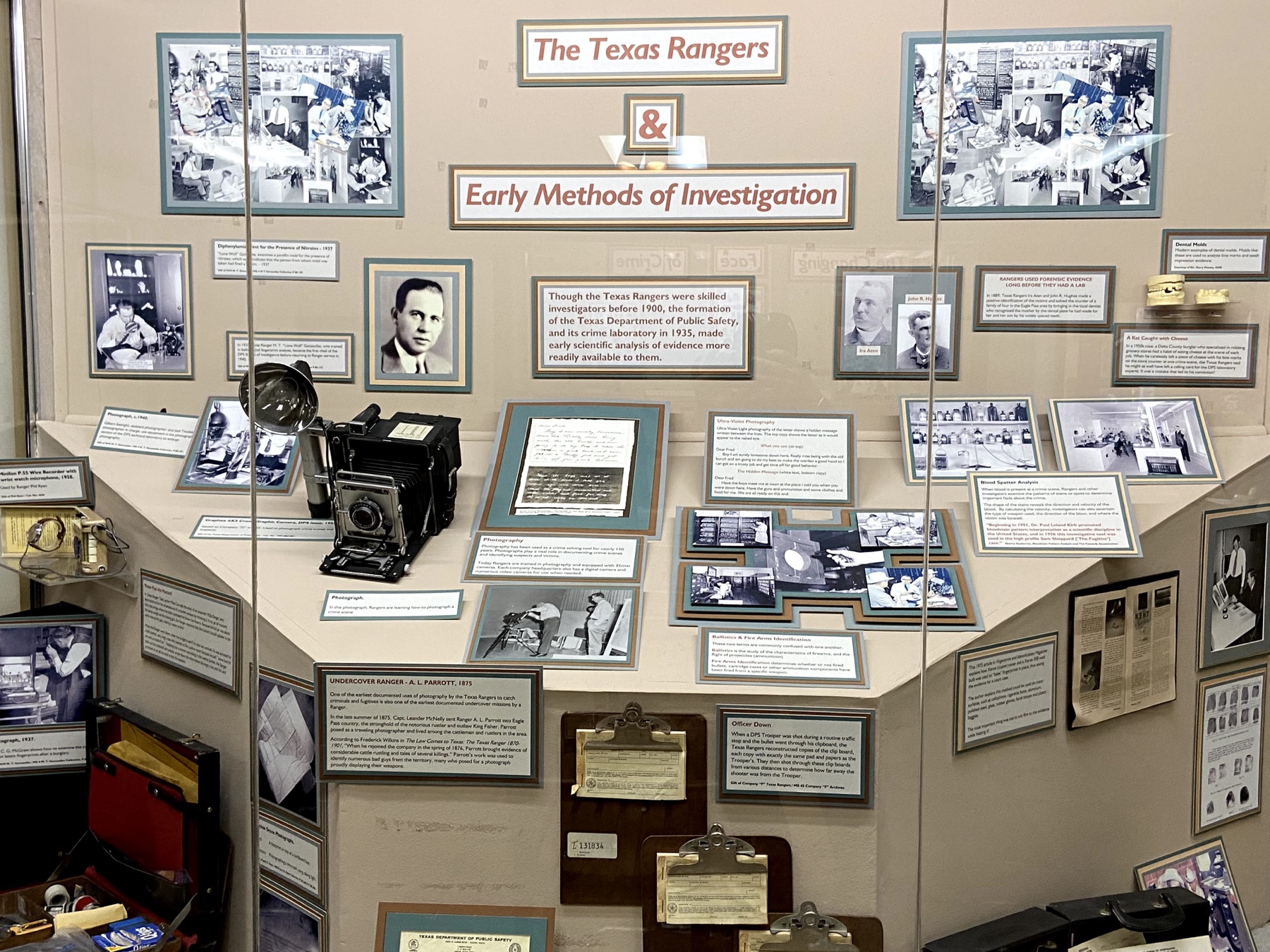
The Texas Ranger Hall of Fame and Museum was another well-curated surprise. It is the state-designated historical center for the Texas Rangers and traces nearly two centuries of the organization through artifacts, artwork, firearms, badges, documents, and personal stories.
The Rangers began in the 1820s as armed groups protecting settlers on the Texas frontier and evolved through periods of the Republic, statehood, border conflict, criminal investigation, and modern law enforcement. That long timeline includes famous investigations and larger-than-life figures, but it also includes violence, disputed actions, and a complicated relationship with Native peoples, Mexican and Mexican American communities, and civil rights. A worthwhile museum should leave room for that fuller history rather than presenting only the legend.
We found the displays extremely interesting and easy to follow. The Hall of Fame gives individual Rangers a human dimension, while the broader galleries show how equipment, responsibilities, and public perceptions changed. The museum recommends planning about two hours, which feels appropriate if you want more than a quick walk past the cases.
Stop in West, Texas for Czech Pastries
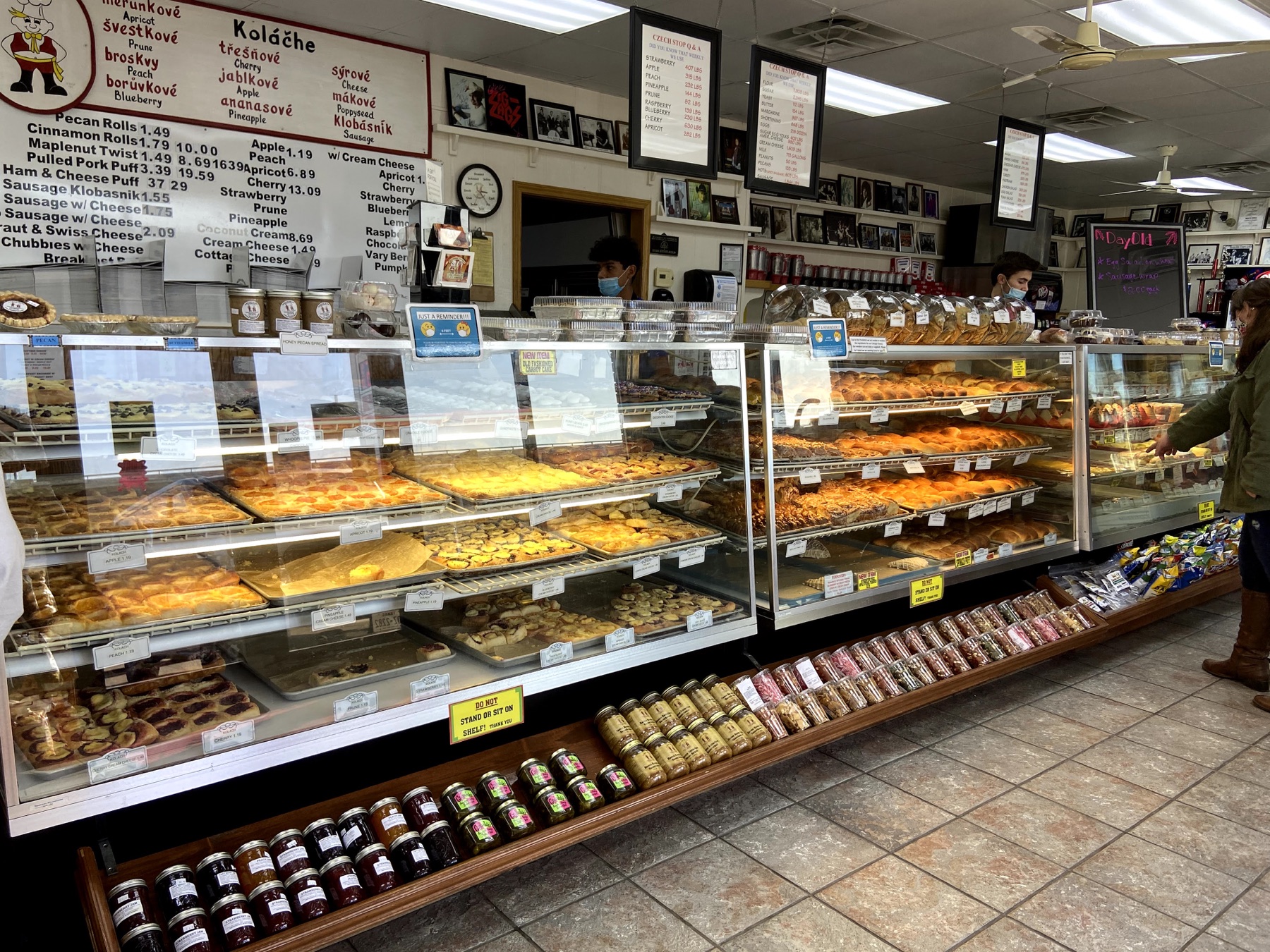
On the drive back toward Dallas, we stopped in West, Texas, a town known for its Czech heritage and bakeries. Our photographs confirmed that we visited Czech Stop, the popular bakery attached to a gas station beside Interstate 35. It has been serving travelers since 1983, and it is exactly the kind of roadside recommendation that can become one of the most memorable parts of a trip.
We bought kolaches—soft, slightly sweet Czech pastries traditionally filled with fruit, cheese, or poppy seed—and thought they were fantastic. In Texas, people often use “kolache” broadly, but the savory sausage-filled version is more accurately called a klobasnek. Either way, arrive hungry and buy more than you think you need.
West works especially well as a return stop because it breaks up the drive without requiring a major detour.
Finish Day 2 Above Dallas at Reunion Tower
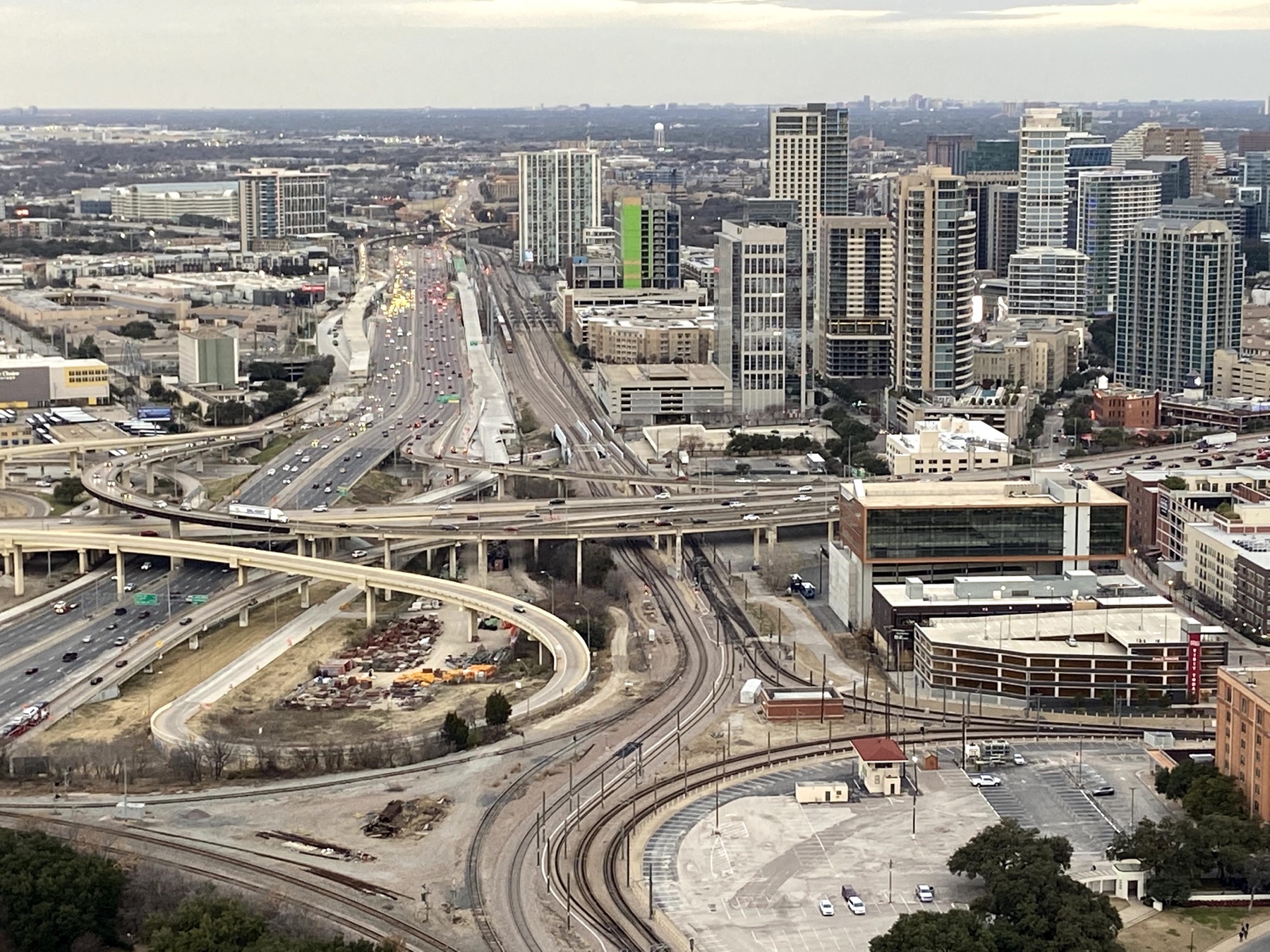
Back in Dallas, we went up Reunion Tower for a nighttime view of the city. The observation level sits 470 feet above the ground and provides a 360-degree perspective over downtown, the highways, and the lights stretching across the Metroplex.
Because the tower is connected to Hyatt Regency Dallas, this was an easy ending after a full day on the road. We did not have to find another neighborhood, parking garage, or complicated route. We simply returned to the hotel and went up for the view.
Try to time the visit near sunset if daylight and darkness are both important to you. Weather and visibility matter, so leave a little flexibility rather than locking the tower into the cloudiest part of the weekend.
Day 3: Perot Museum of Nature and Science
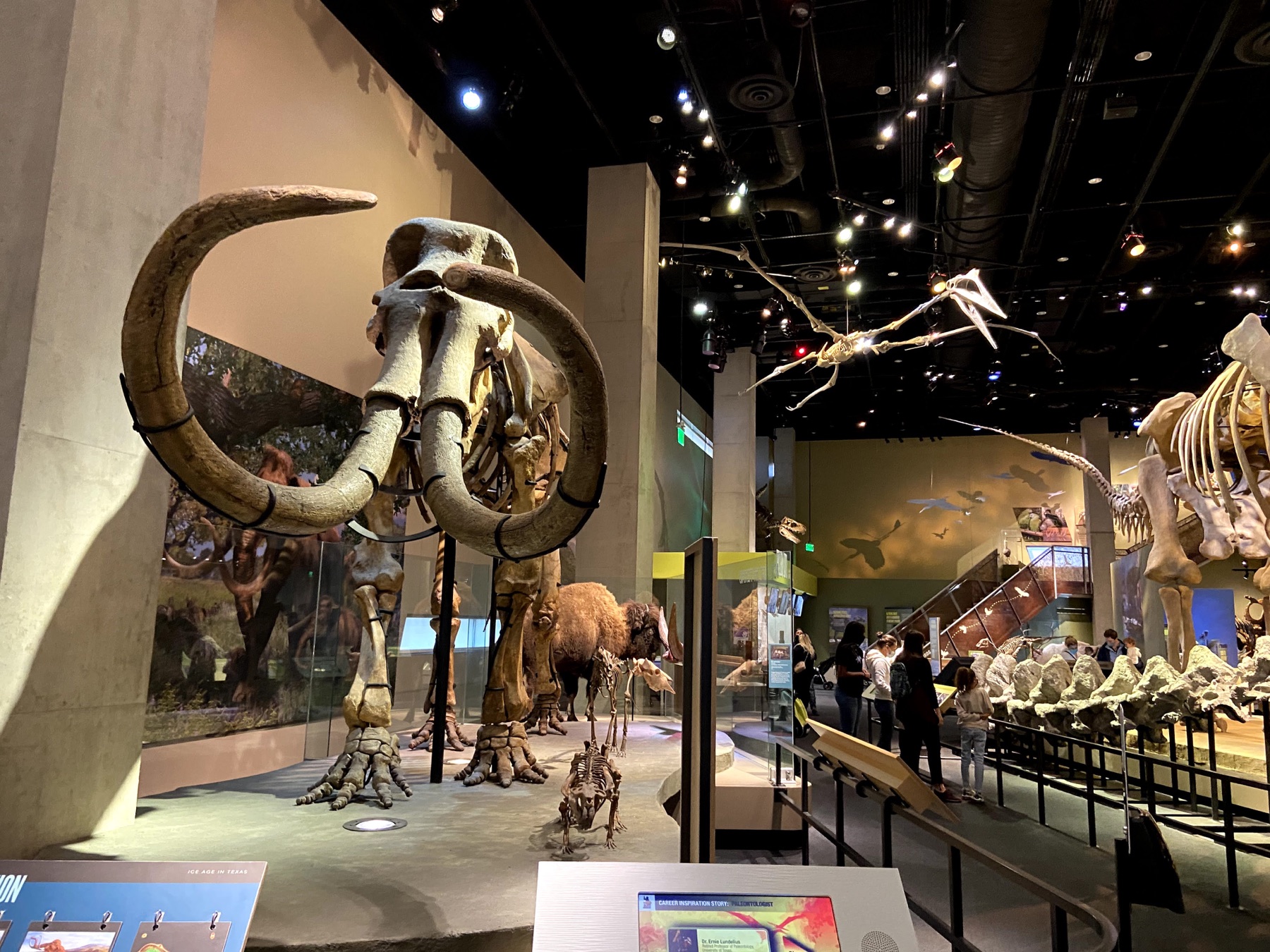
We spent our final morning at the Perot Museum of Nature and Science. Its permanent halls cover subjects including gems and minerals, dinosaurs and fossils, Earth systems, engineering, the human body, energy, and astronomy. The hands-on approach makes science approachable, and the building itself is part of the experience.
The gems and minerals were among my favorite displays. The hall combines dramatic specimens with explanations of crystal structures and the practical uses of minerals. The astronomy exhibits also make large ideas—gravity, the scale of the solar system, starlight, and the history of scientific discovery—feel accessible.
The museum leans heavily into interactive, child-friendly learning. Families could easily spend half a day, especially with children who want to try every activity. Adults who prefer object-focused museums may move more quickly, as we did. I would allow about two hours for a selective visit and three or four for a family that wants the full experience.
How I Would Pace the Weekend
Keep the first and third days focused on Dallas, and protect the middle day for the Waco drive. The Sixth Floor Museum and Southfork make a natural history-and-television pairing, while the Perot Museum works well on a departure day because visitors can adjust the amount of time they spend inside.
The Waco day is the one that needs the most discipline. Start early, confirm timed entries, and decide whether Magnolia shopping or museum depth matters more. The Texas Ranger museum alone recommends about two hours, and the Dr Pepper Museum deserves time beyond a quick photo.
I would also leave one Dallas meal unplanned. Staying downtown gave us many walkable choices, and a little flexibility was welcome after days shaped by admission times and highway driving.
What I Would Book Before the Trip
Reserve the Hyatt Regency Dallas or another central hotel, the rental car, The Sixth Floor Museum, and a Southfork Ranch tour first. Then check current hours for Magnolia, the Dr Pepper Museum, the Texas Ranger Hall of Fame and Museum, Reunion Tower, and the Perot Museum.
Do not copy our 2021 procedures. Capacity limits, face-covering rules, food service, and timed-entry systems have changed since our visit and can change again. Use the official attraction websites for present-day schedules and accessibility information.
Is 72 Hours Enough for Dallas and Waco?
Seventy-two hours is enough for this Dallas-and-Waco route if you are comfortable with one long day trip and do not try to see every Dallas neighborhood. It is a sampler: presidential history, Texas television nostalgia, Waco’s best-known attractions, a roadside bakery, skyline views, and a major science museum.
An extra day would make room for the Dallas Arts District, the George W. Bush Presidential Center, the Dallas Arboretum, Bishop Arts District, or a slower exploration of Waco. With only three days, I would rather do this list well than add more stops and experience everything through the windshield.
Our January 2021 trip was shaped by its moment, but it reminded us why a short trip can still feel restorative. We flew somewhere easy to reach, rented a car, learned a great deal, ate something memorable, and came home feeling as though we had truly gotten away.