Personally Experienced · Last verified 2026-09-20
Explore Europe
Quick Take
A fast first look at Switzerland
- When we went
- June 2018, during a longer multi-country trip
- Who traveled
- Angela and Brian, without the kids
- Our route
- Germany → Bern → Montreux → Täsch and Zermatt → Lucerne → Germany
- How we traveled
- Rental car between regions, then trains, boats, and gondolas locally
- What we would change
- Give Bern more than a quick stop
Switzerland was one part of a larger European trip for us in June 2018, and we had only about four days to give it. We drove south from Germany, made a quick stop in Bern, continued to Montreux on Lake Geneva, spent two nights in car-free Zermatt, and finished with lunch and a walk through Lucerne before returning to Germany.
It was not a slow itinerary, and it was not meant to cover the country. What it did give us was an extraordinary first look: a castle beside the lake, a cogwheel train and fondue above Montreux, the Matterhorn from more angles than we could count, snow and ice in June, and a final waterside meal in Lucerne.
Because we were fitting Switzerland into an established route, we accepted that some places would be introductions rather than complete visits. Bern was the clearest example. We were glad to see it, but we would have wanted more time there if the larger itinerary had allowed it.
Interactive map
Our four-day route through Switzerland
Our June 2018 route began in Germany, paused in Bern, continued to Montreux and Zermatt, crossed through the Furka Tunnel by vehicle-shuttle train from Oberwald, and ended with lunch in Lucerne before returning north. The mountain markers show the major experiences, not hiking or lift routes.
Loading interactive map…
Location 1 of 10
Bern Old City
Our brief stop on the drive from Germany; the place we most wish we had given more time.
Map markers are approximate. Map data © OpenStreetMap contributors; tiles by OpenFreeMap.
Bern was a stop, not a real visit
We swung through Bern on the drive from Germany to Montreux. The stop gave us a glimpse of the city, but not enough time to explore it properly. Its Old City is a UNESCO World Heritage site, with arcaded streets, sandstone buildings, and landmarks such as the Zytglogge clock tower. Those details deserve more than the compressed schedule we gave them.
If I were rebuilding this trip with more time, Bern is where I would add it. A night or even a well-protected half day would let the city become part of the trip rather than scenery between two hotel stays.
Montreux gave us the lake, music, and a mountain lunch
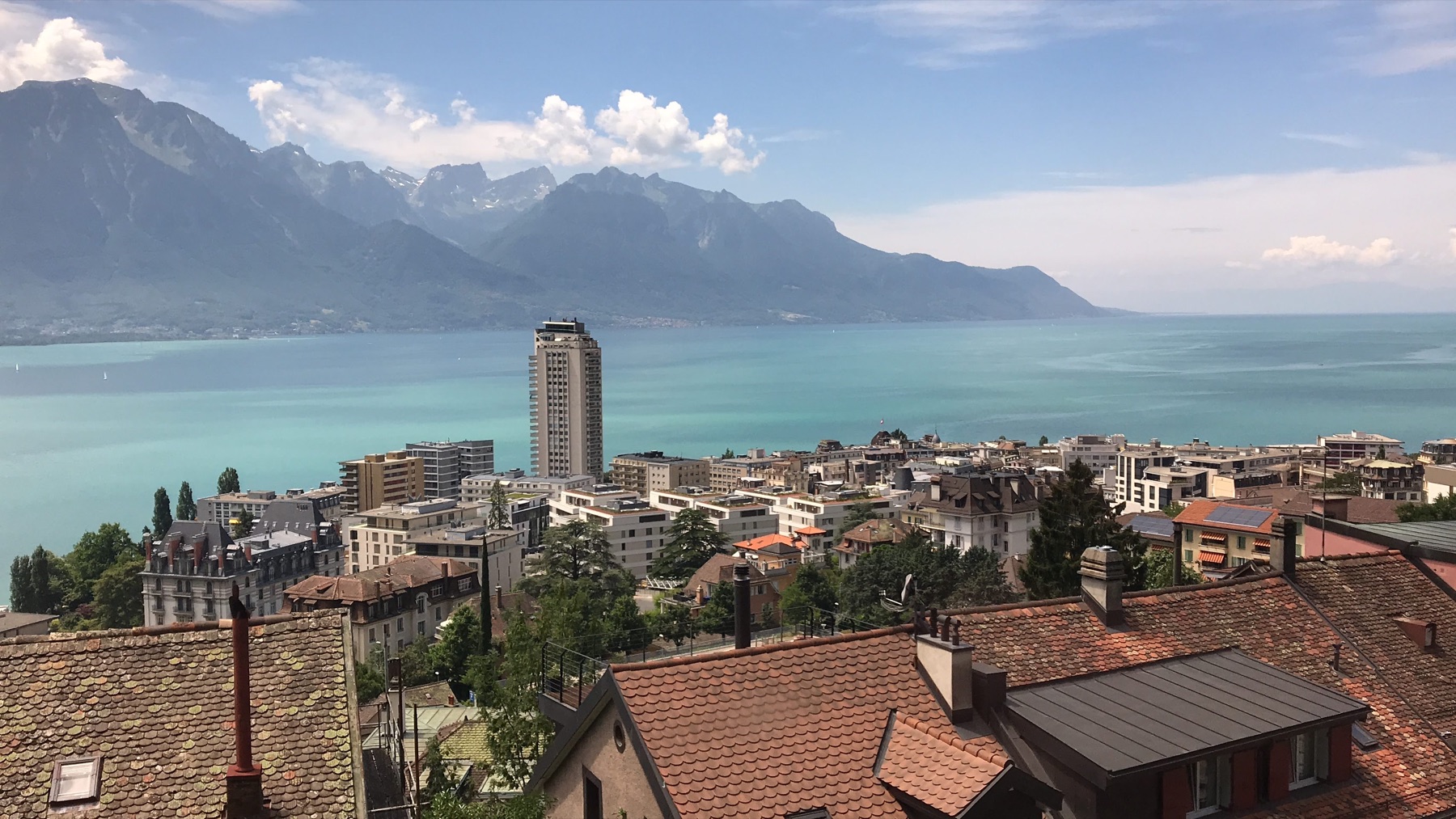
Our Montreux hotel faced Lake Geneva, and that view was worth paying for. Switzerland can feel expensive compared with other European countries, so a room with a premium view needs to earn its place in the budget. Ours did. Looking out over the water made the hotel part of the experience rather than simply where we slept.
We walked through Montreux and along the waterfront, where the Freddie Mercury statue stands beside the lake. We also visited Queen: The Studio Experience inside the Casino Barrière de Montreux. The free exhibition occupies the former Mountain Studios space and was absolutely worth the stop for us. It added a musical connection to a town already memorable for its setting.
I would not choose one particular Montreux hotel for every traveler. There are many possibilities, and the right choice depends on whether the priority is a lake view, easy access to transportation, more space, or keeping the price under control. This is exactly where matching the hotel to the trip matters more than repeating someone else’s reservation.
Chillon Castle by the water
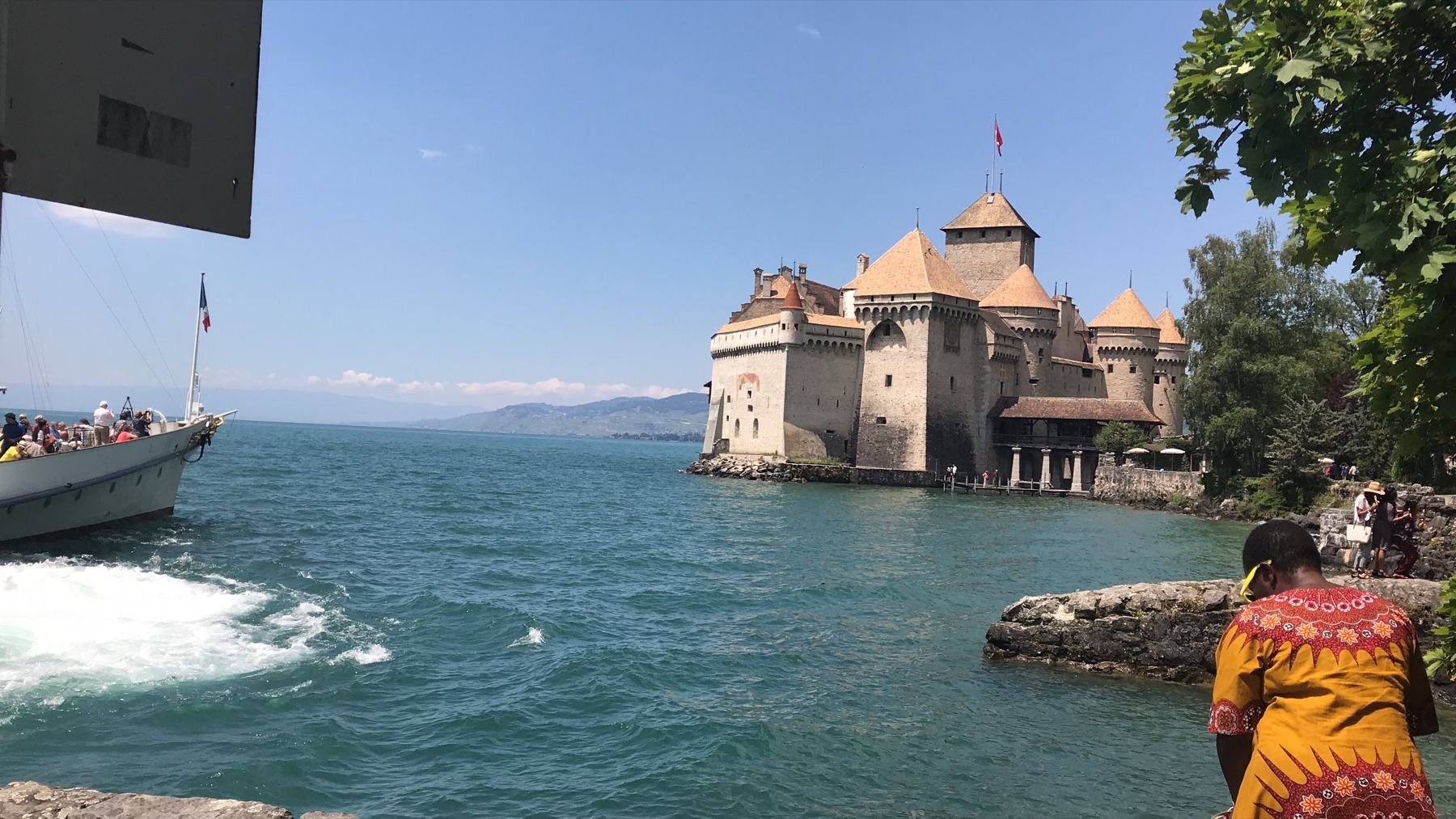
We visited Château de Chillon at the edge of Lake Geneva and rode the boat between the castle area and central Montreux. Seeing the shoreline from the water made the castle feel connected to the landscape rather than like an isolated historic stop.
Current visitor information still lists regular high-season boat service to the Chillon landing, along with train, bus, walking, and driving options. That flexibility makes the castle easy to combine with a Montreux day, but I would check the actual boat schedule instead of assuming the timing will match a saved itinerary.
Rochers-de-Naye was one of our best Montreux decisions
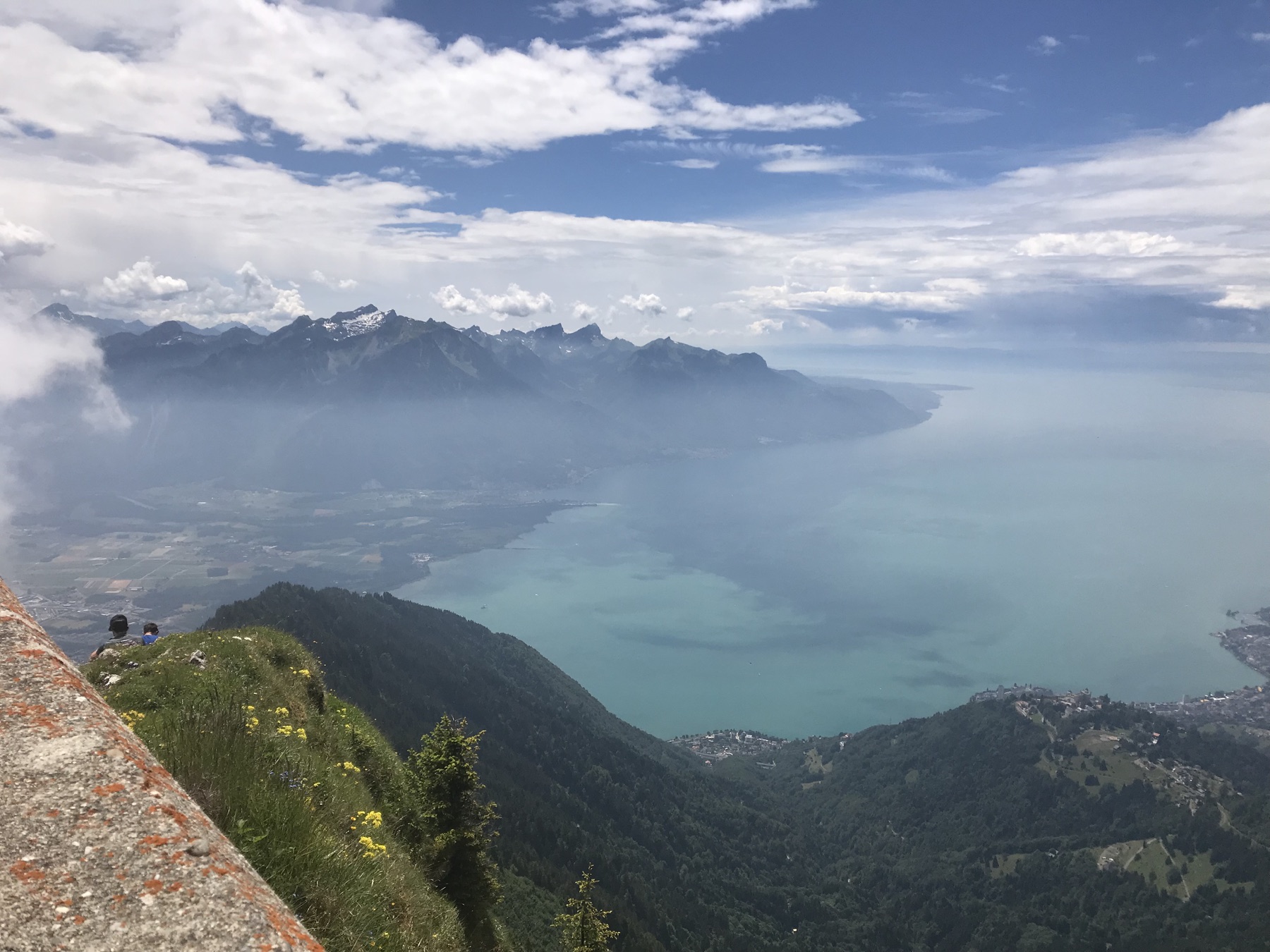
Later, we took the cogwheel train from Montreux toward Rochers-de-Naye. The climb traded the lakeside streets for a high view over Lake Geneva and the surrounding peaks. We had a wonderful lunch that included fondue, took in the scenery, and then descended to town.
This is the kind of experience that can fill more of a day than it appears to on a map. The train ride, the meal, the time at elevation, and the return all count. I would protect that time rather than squeezing the mountain into a day already packed with reservations.
Leaving the car in Täsch and taking the train to Zermatt
From the Montreux area, we drove toward Täsch, the town above Zermatt where ordinary private-car access ends. We left the car there and continued by train into Zermatt for two nights.
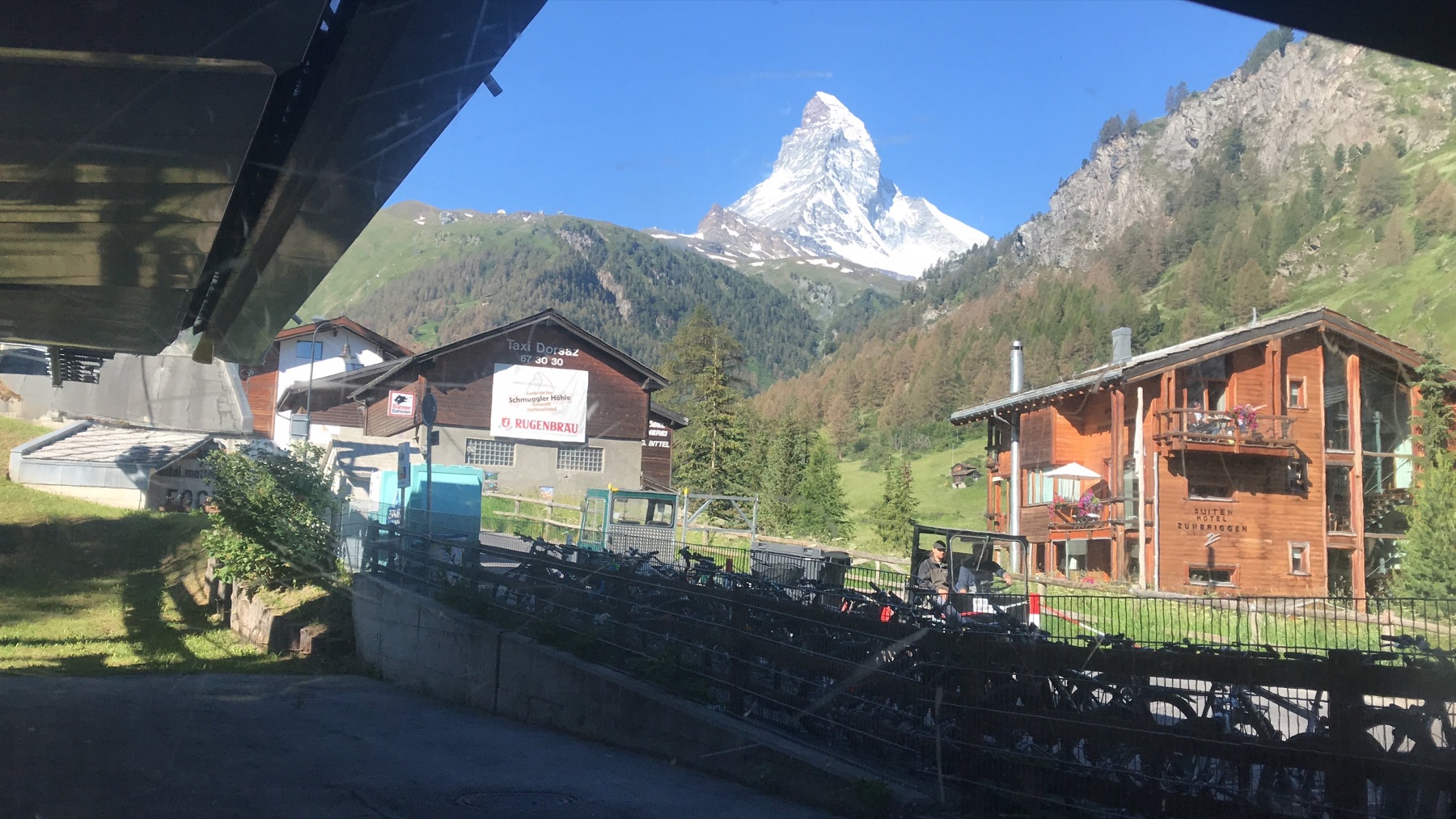
That handoff is important when planning. A rental car gives you freedom between regions, but it does not roll all the way to a Zermatt hotel. Parking, luggage, the train, and the hotel’s location all become part of the arrival. Zermatt itself rewarded us immediately with a walkable village and repeated views of the Matterhorn.
Our Zermatt hotel felt somewhere between a boutique hotel and a bed-and-breakfast, though it was technically a hotel. As in Montreux, there are many choices. I would select one around the balance of price, luggage convenience, station access, atmosphere, and the view rather than assuming one property is right for every trip.
Gornergrat, snacks above the clouds, and two ways down
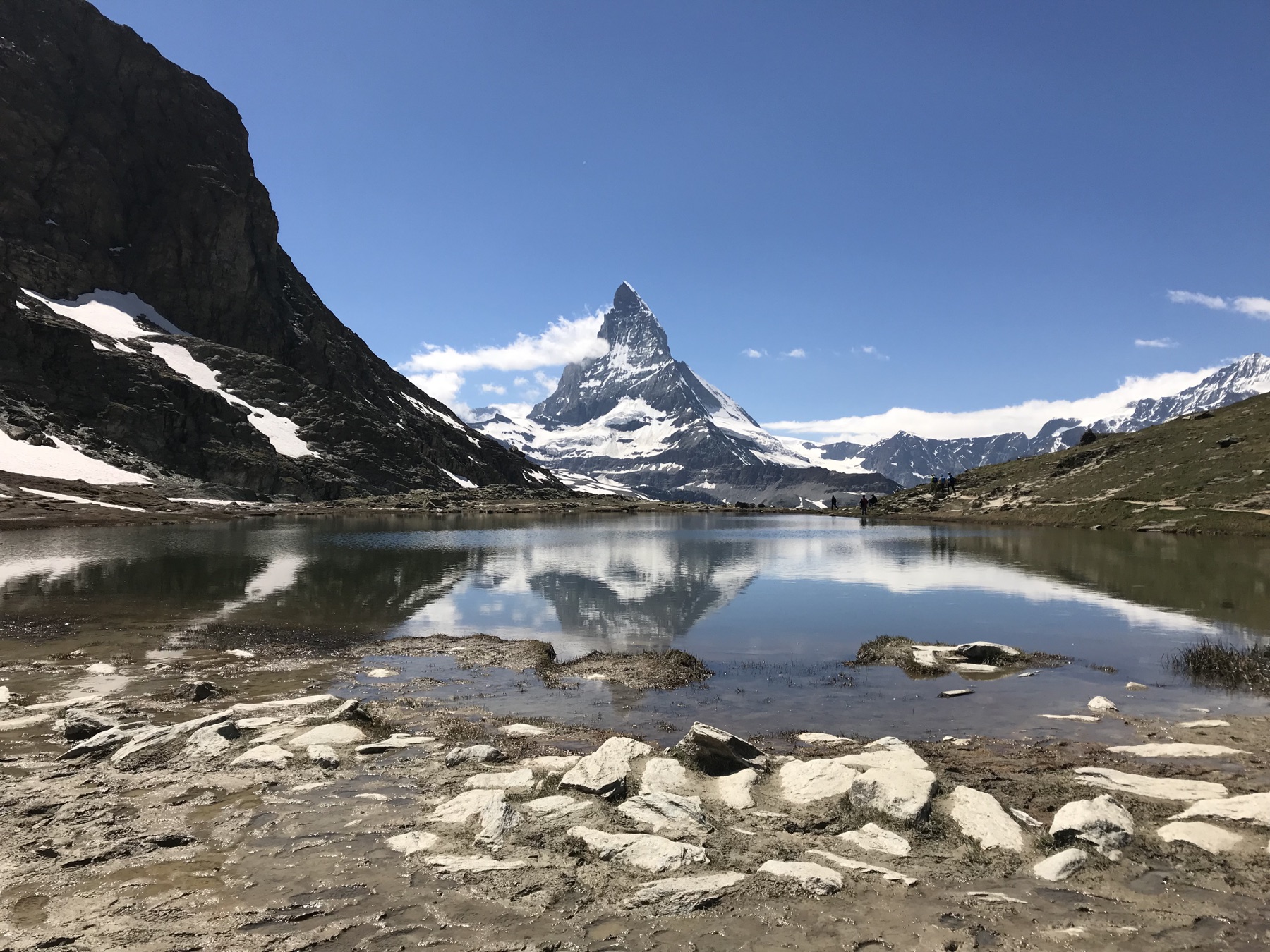
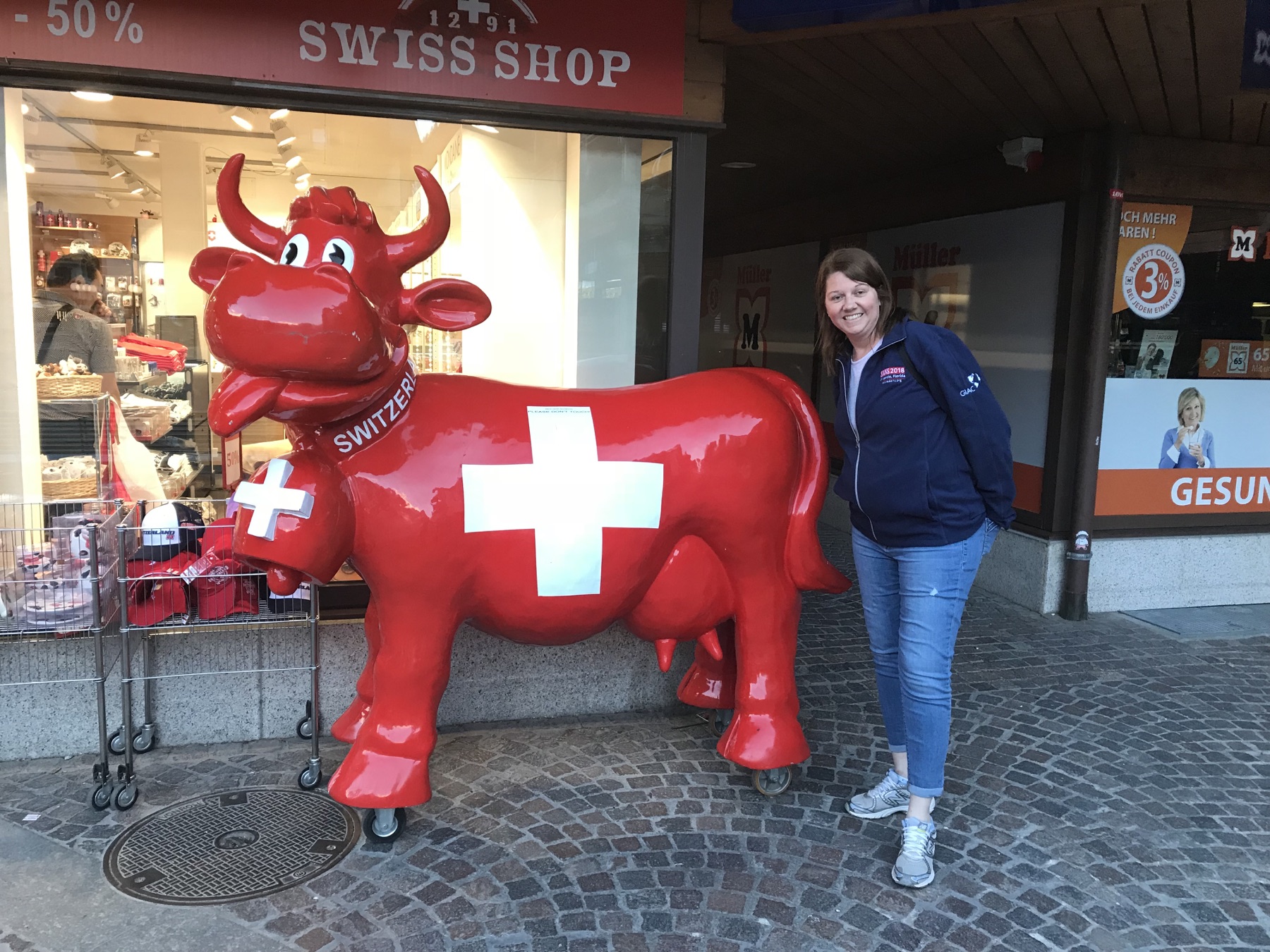
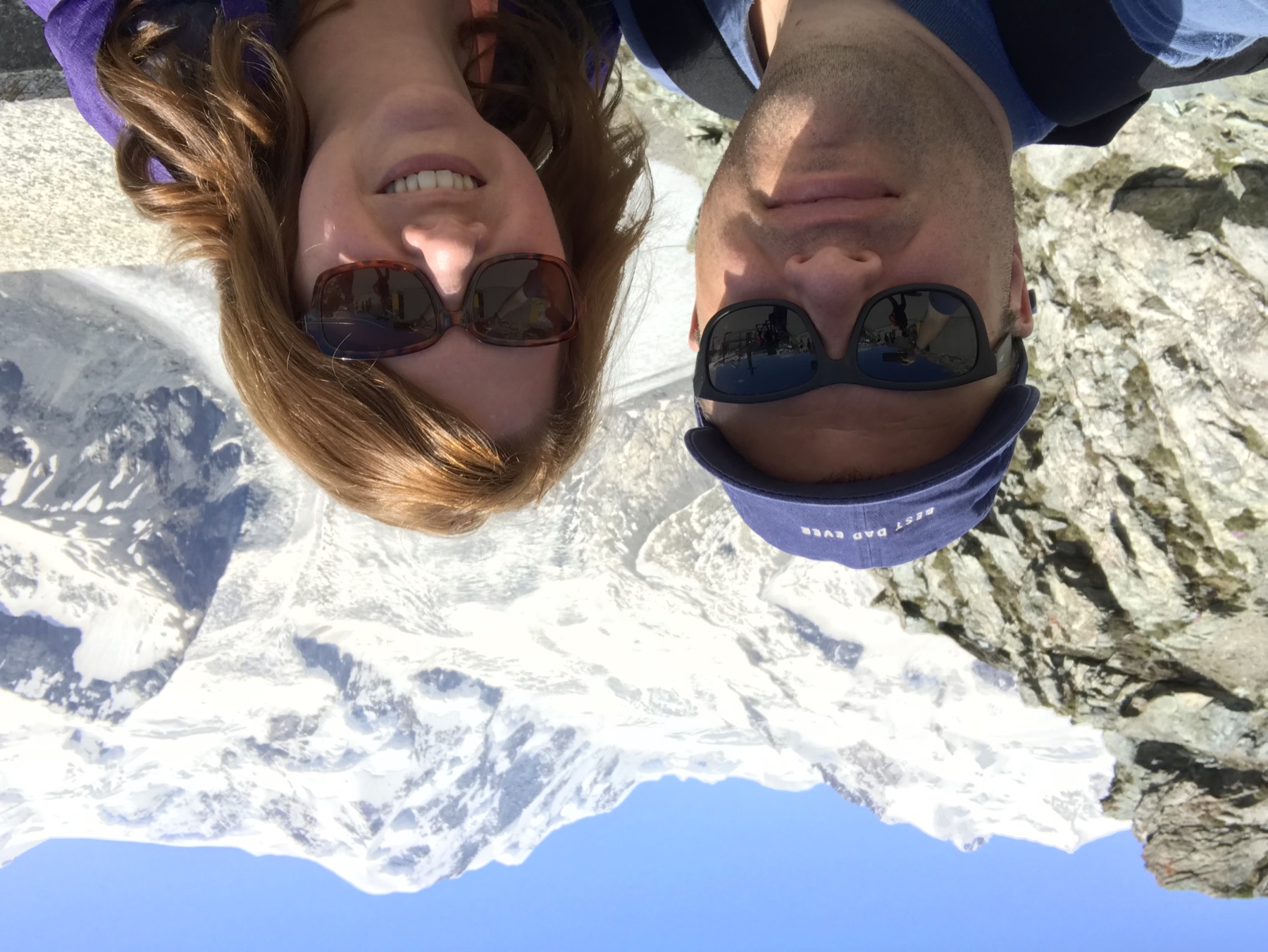
Our first mountain day began with the Gornergrat Railway from Zermatt. At the top, we had snacks and took photograph after photograph of the Matterhorn, the surrounding peaks, and the snow-covered landscape. Even though it was June, there was a considerable amount of snow and ice.
On the way down, Brian hiked to the next railway stop while I took the train. That worked well because we did not have to force the same activity on both of us. A mountain day can still be shared when one person wants a trail and the other would rather enjoy the railway.
The current railway trip takes about 33 minutes from Zermatt to Gornergrat and includes intermediate stations. Summer trails connect different parts of the route, but conditions at elevation should decide the plan. Our June snow is a useful reminder that the calendar in the valley does not tell you what your shoes will meet higher up.
Matterhorn Glacier Paradise felt like another season
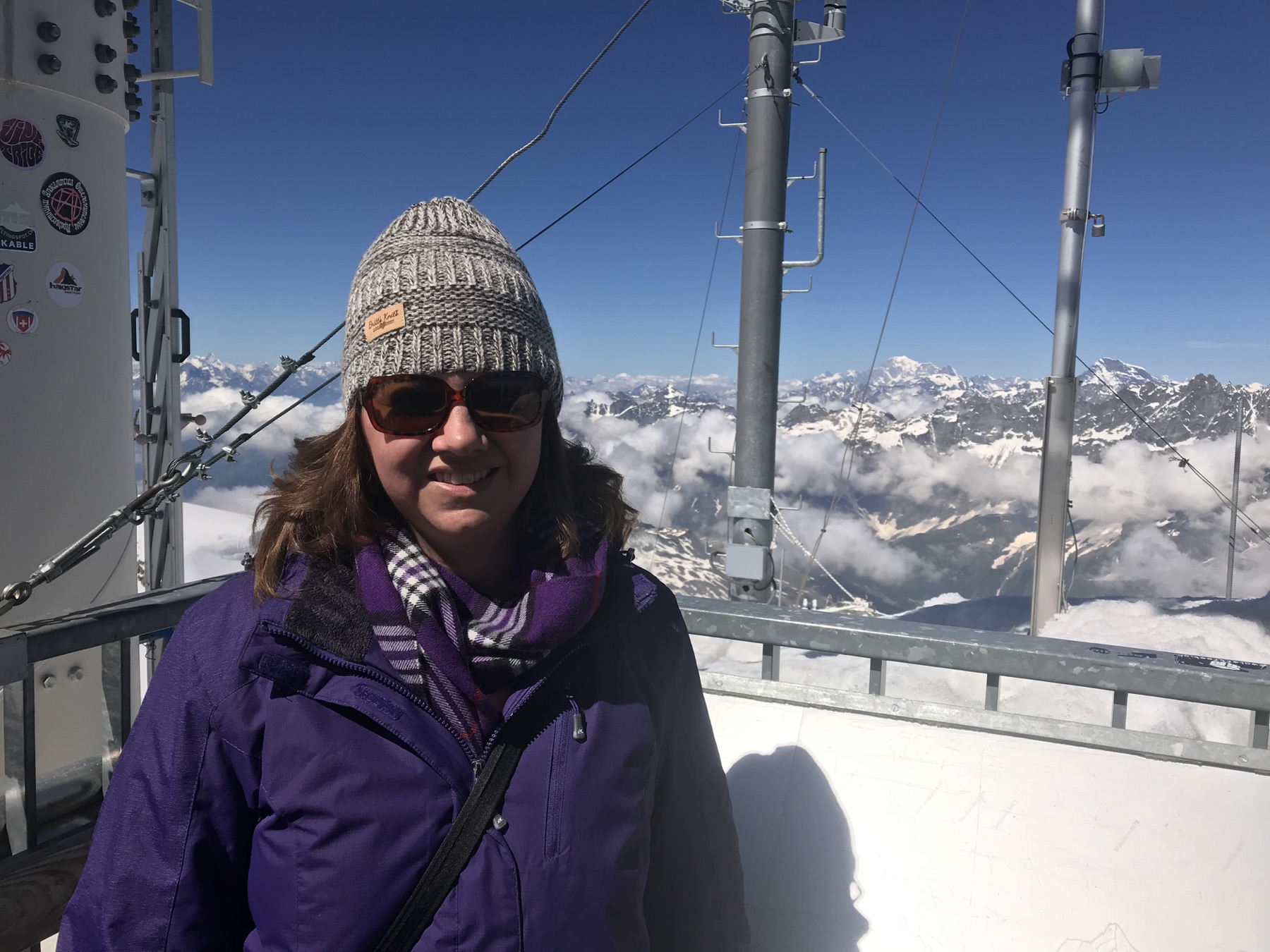
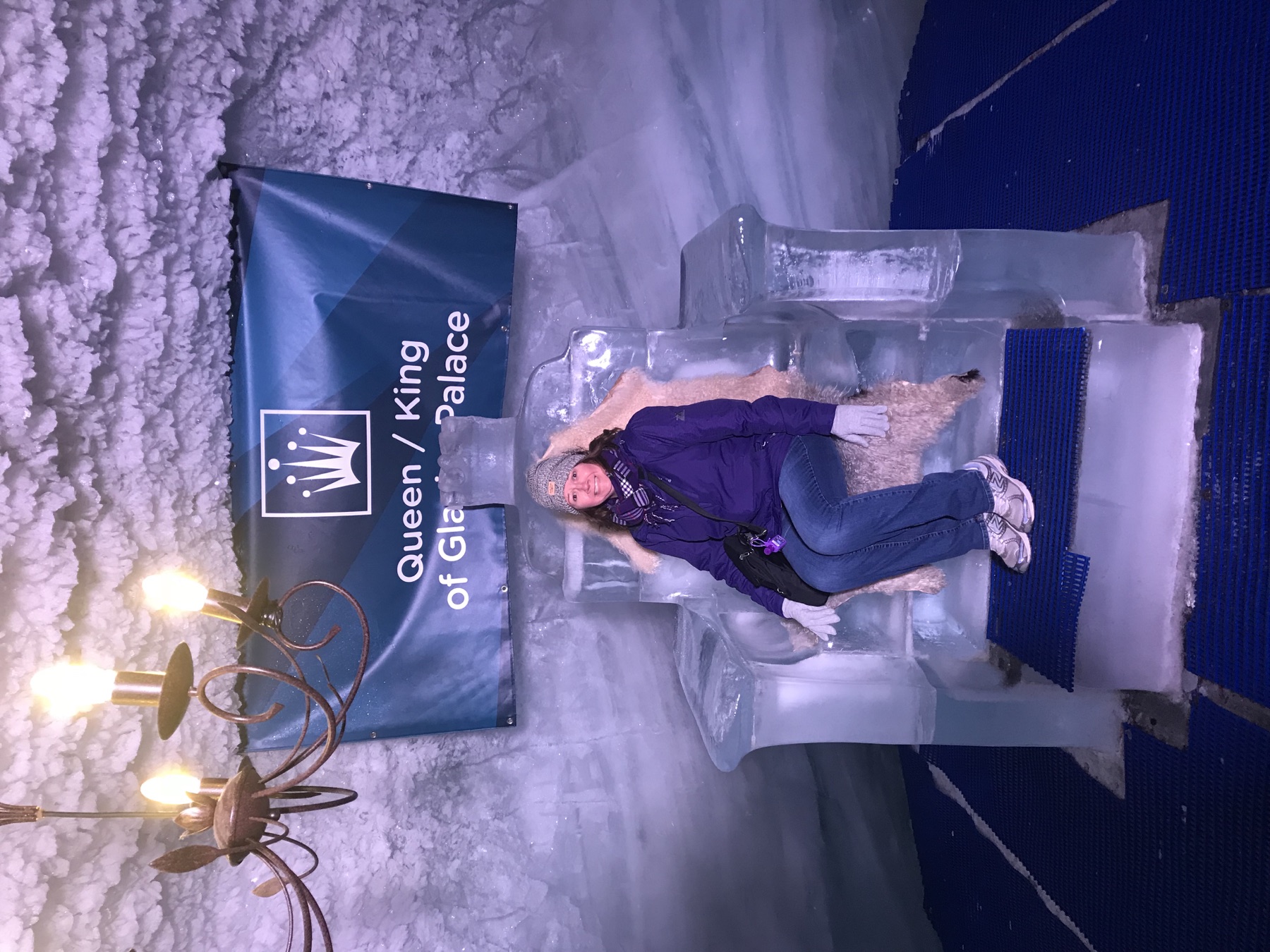
The next day, we rode a succession of gondolas and lifts toward Matterhorn Glacier Paradise. We had dressed for June in Europe, but reaching the snow and ice required the most winter clothing we had with us. Wearing it in the middle of a summer trip felt strange until we stepped outside at elevation.
The Glacier Palace inside the ice became a lifetime memory. Walking within the glacier was unlike anything else on the trip, and Brian even went snow tubing nearby. From the viewing area above the clouds, the Alps seemed to continue into country after country. The current official description identifies 38 peaks over 4,000 meters and 14 glaciers across Switzerland, Italy, and France.
This is not an outing I would schedule casually between other timed plans. Multiple lifts, high elevation, changing weather, and the temptation to stop for photographs all require time. Warm layers, sunglasses, sun protection, and shoes suitable for snow or wet surfaces belong in the day even when the valley forecast looks like summer.
The car-on-a-train moment—and why the route needs attention
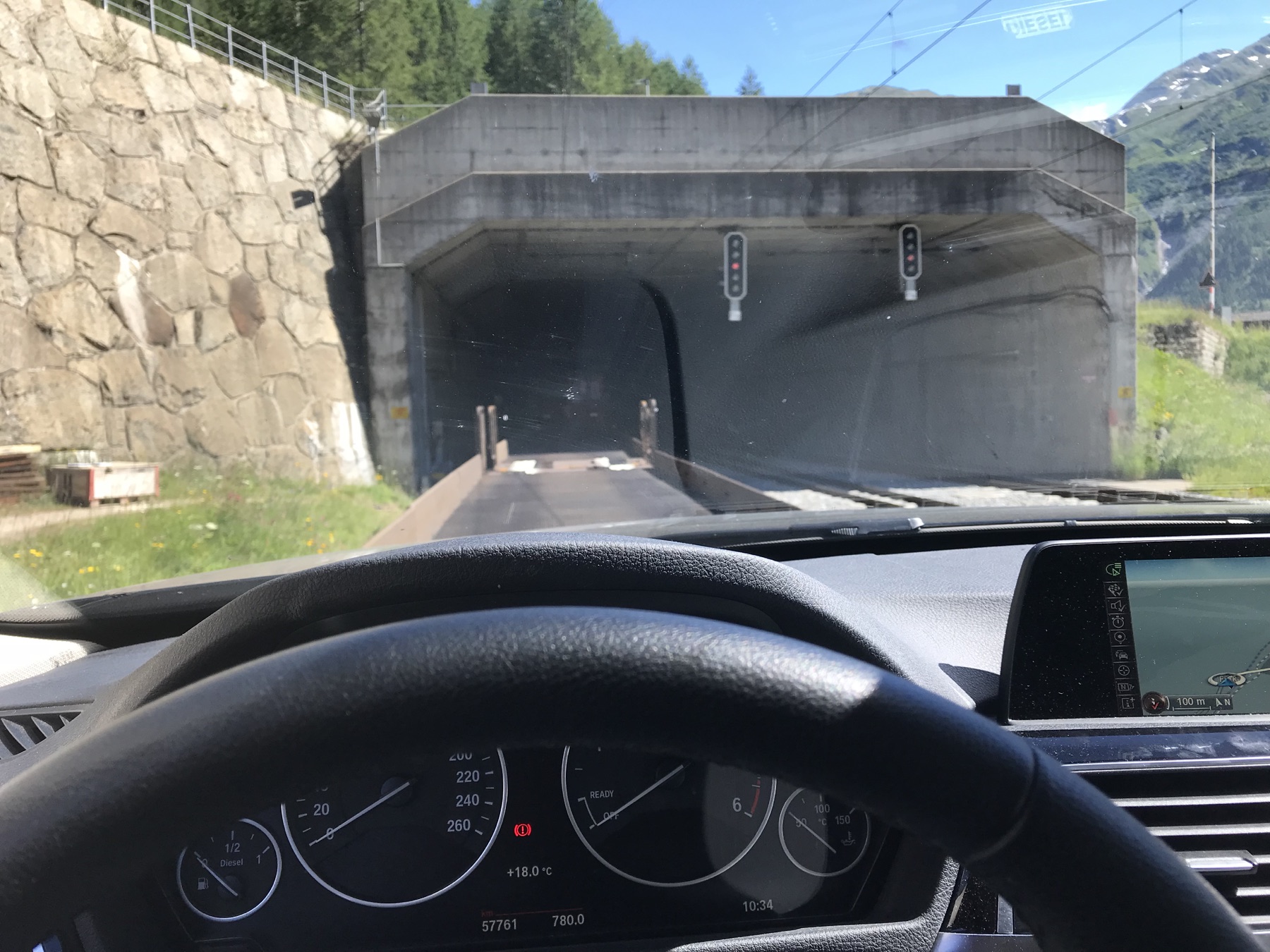
After returning to Täsch and collecting the car, we drove north toward Lucerne. Along the way, we drove the car onto a shuttle train and rode beneath a mountain instead of driving over it. It was one of those transportation experiences that became part of the trip rather than simply a way to reach the next place.
We boarded the Furka vehicle-shuttle train in Oberwald, which carried us and our rental car through the Furka Tunnel to Realp. The route still operates, but schedules and loading procedures can change. Map it deliberately before the trip instead of assuming every navigation app will explain the process clearly.
Lucerne was our beautiful final pause
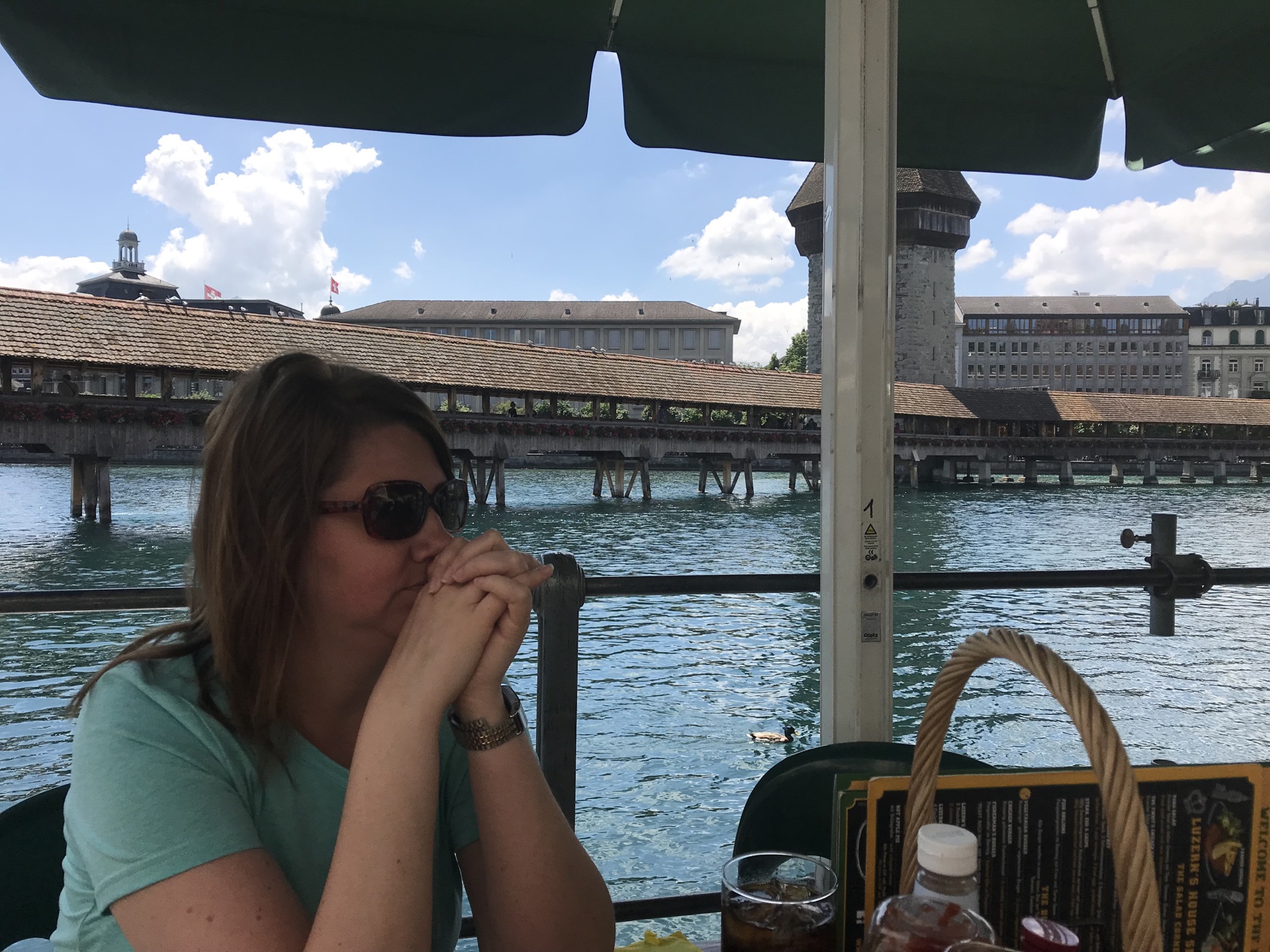
We reached Lucerne with enough time to walk across the Chapel Bridge and have a relaxed lunch beside the water. Our restaurant looked out toward the river, lake, and mountains—the kind of setting that makes an ordinary lunch feel like a fitting last chapter.
Lucerne could easily support a longer stay, but on this trip it worked as a graceful stopping point before we drove north to Germany. We did not try to turn a few hours into a complete city guide. We crossed the bridge, enjoyed the view, ate well, and let that be enough.
Driving gave us freedom, but Switzerland is not the Autobahn
We chose a car because this was a multi-country trip and we wanted the freedom to leave on our own schedule. The same places could be connected through Switzerland’s extensive train network, and for many travelers that may be easier than parking, mountain transfers, unfamiliar signs, and driving rules.
Driving in Europe is not the same as driving in the United States, and crossing a border does not mean the habits from the previous country still apply. Germany has Autobahn sections without a general posted maximum. Switzerland does not. The normal Swiss motorway maximum is 120 km/h unless a lower limit is posted.
Brian knows firsthand that missing that distinction can become an expensive lesson. Switzerland uses speed enforcement, and the fine was not a souvenir we wanted. Watch the signs, know the national rules before entering the country, and resist carrying German Autobahn expectations across the border.
A Swiss motorway vignette is also required on the roads covered by that system. Rental cars collected in Switzerland may already have one, but a vehicle coming from another country needs to be checked. Current official guidance explains both the sticker and electronic versions.
What four days gave us—and what they could not
Four days gave us a wonderful introduction, not a complete Switzerland trip. Montreux combined the lake, music history, a castle, and an easy mountain railway. Zermatt gave us two completely different high-Alpine days. Lucerne provided a beautiful final meal and walk. Bern reminded us that a place can deserve more time than the itinerary can spare.
If the same route appeals to you, decide first whether the trip is about covering ground or settling into fewer places. Then compare rail passes, point-to-point tickets, and a rental car against the complete itinerary—not one isolated fare. Include parking, fuel, the motorway vignette, car-shuttle costs, luggage handling, and the value of leaving when you want.
Switzerland is expensive enough that these choices matter, but the most expensive option is not automatically the best one. A lake-view room may be worth it. A car may give one couple freedom and give another couple stress. A mountain railway may be the main reason for the trip. Angela can help sort those priorities into an itinerary that fits the budget, timing, and pace instead of treating every famous place as mandatory.