
Researched Travel Guide
Explore Europe
Travel does not always have to happen during the busiest weeks of the year.
For many destinations, some of the most enjoyable times to visit fall between the peak and off-peak seasons. These periods—often called shoulder season—can offer a more comfortable balance of pleasant weather, manageable crowds, availability, and value.
Shoulder season is not automatically the least expensive time to travel, nor does it guarantee perfect weather. But for travelers with some flexibility, it can create a trip that feels calmer, more personal, and easier to enjoy.
What does shoulder season mean?
Shoulder season is the period between a destination’s busiest travel season and its quieter off-season.
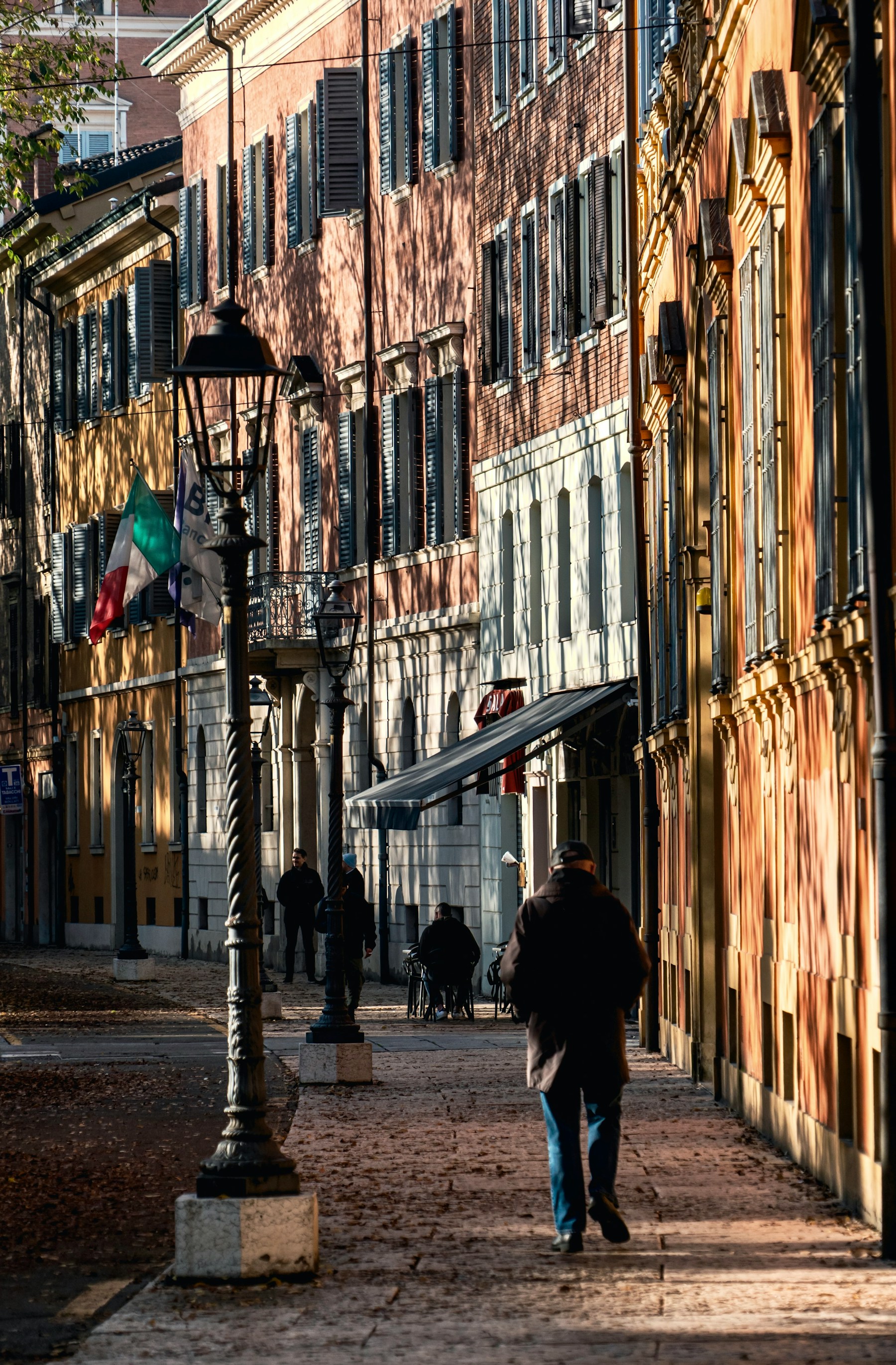
The exact timing depends on where you are going. In much of Europe, shoulder season commonly includes portions of spring and fall. For Alaska, it may mean sailing near the beginning or end of the cruise season. At beach destinations, the quieter period might fall immediately before or after the most popular summer weeks.
The important point is that shoulder season is not a single set of dates. It changes according to the destination, its weather patterns, local events, school calendars, cruise schedules, and seasonal attractions.
A travel advisor can help identify when a destination begins to transition—and whether the benefits of traveling during that period fit your priorities.
Why travelers consider it
Peak travel seasons are popular for good reasons. The weather may be predictable, families may have fewer scheduling conflicts, and attractions are generally operating on their fullest schedules.
That popularity also has consequences. Hotels fill quickly, flights can be more expensive, major attractions become crowded, and restaurants and tours may require reservations far in advance.
Shoulder-season travel can sometimes ease those pressures. You may encounter:
- Fewer crowds at major attractions
- More hotel and tour availability
- Milder or cooler temperatures
- A more relaxed pace
- Less competition for restaurant reservations
- Better opportunities to experience everyday local life
- Potential savings on accommodations or transportation
These advantages can make a meaningful difference, especially for travelers who find heat, long lines, and tightly packed sightseeing days exhausting.
Seasonal events can become part of the destination
Traveling outside summer does not necessarily mean finding less to do. In many places, the season brings special festivals, limited-time entertainment, decorations, food, and experiences that are not available during the rest of the year.
One example is Autumn at Oz at the Land of Oz on Beech Mountain, North Carolina. The annual event has traditionally taken place on select early-fall dates in September or October, giving visitors an opportunity to walk along the Yellow Brick Road, meet familiar characters, and step into the story’s imaginative world. For 2026, the announced dates are in September. Dates, tickets, and operating details vary from year to year and should be confirmed on the official Land of Oz website.
Experiences like this can turn the season itself into a reason for the trip rather than something travelers simply work around.

Our family’s fall travel experience
Traveling during the school year will not be the right choice—or even a possible choice—for every family. School attendance policies, academic needs, extracurricular activities, work schedules, and personal priorities all matter. But for our family, considering a fall trip opened an option we had previously assumed was not available to us.

Shoulder season comes with tradeoffs
The quieter season is not always the perfect season. The benefits need to be considered alongside some potential limitations.
Weather may be less predictable. A beautiful fall afternoon could be followed by a cool, rainy day. Some seasonal restaurants, tours, ferry routes, or attractions may operate on reduced schedules—or close entirely near the end of the season. Daylight hours may be shorter, and certain outdoor experiences may not be available.
That does not make shoulder season a poor choice. It simply means the trip should be planned around realistic expectations.
Before choosing dates, consider:
- What weather conditions are you comfortable with?
- Are your must-see attractions open?
- Will tours and transportation operate on your dates?
- How much daylight will you have?
- Are festivals, holidays, or local events affecting availability?
- Are you comfortable packing for changing temperatures?
- Would a weather-related change significantly affect the trip?
A traveler who prioritizes warm beach weather may be happier during peak season. Someone who values quieter streets, comfortable walking temperatures, and a flexible itinerary may prefer the shoulder months.
Do not choose dates based on price alone
Lower prices are often associated with shoulder season, but savings are not guaranteed. A major festival, convention, sporting event, school holiday, or cruise departure can create high demand even outside the traditional peak season.
The least expensive date also is not necessarily the best value.
A discounted hotel does not help much if the experience you traveled for is unavailable. Likewise, paying slightly more for a week with better transportation schedules and open attractions may create a much smoother vacation.
The goal is to find the strongest overall combination of experience, availability, comfort, and cost—not simply the lowest number on the booking screen.
Think about how you want the trip to feel
When choosing travel dates, people naturally ask, “When is the best time to go?”
A more useful question may be, “When is the best time for us to go?”
Do you enjoy lively streets and warm evenings, even when that means larger crowds? Would you rather wear a light jacket and have more breathing room? Are you comfortable adjusting plans around occasional rain? Is your schedule flexible enough to travel outside traditional vacation weeks?
There is not one correct season for every traveler. The best timing depends on the kind of experience you want and the tradeoffs you are willing to make.

A thoughtfully timed trip can change the experience
Shoulder-season travel is not about avoiding popular destinations. It is about experiencing them at a pace that may better suit you.
For families, couples, and multigenerational groups, lighter crowds and milder temperatures can make each day feel less demanding. A thoughtfully chosen week can mean less waiting, more flexibility, and more time to appreciate the places you came to see.
Sometimes, shifting a trip by only a few weeks can change its entire rhythm.
And as our family learned during that fall vacation, traveling outside the expected window can create something especially valuable: room to relax, explore, and enjoy the experience together.