Researched Travel Guide · Last verified 2026-09-07
Explore Europe
Quick Take
Three European cruise experiences—not one simple north-or-south choice
- Mediterranean
- Warm weather, layered history, food, islands, and port-intensive sightseeing
- Norwegian fjords
- Scenery from the ship, smaller ports, changing weather, and nature-led days
- Scandinavia and Baltics
- Capital cities, maritime history, culture, and carefully chosen port times
- Book earlier when
- The itinerary is rare or you need a specific date, cabin, suite, or connecting stay
Northern Europe is having a cruise moment. When Virgin Voyages opened bookings for its first Scandinavia and Baltics season, scheduled for summer 2028, TravelAge West reported that August 13 became the highest-revenue day in the company’s history—surpassing its Black Friday 2025 record. More than half of that day’s revenue came from the new Northern Europe sailings, even though the ship would not reach the region for almost two years.
That caught my attention because it was not simply another ship announcement. Travelers responded to the destinations: Scandinavian capitals, Norwegian fjords, longer city stays, and an itinerary crossing the Arctic Circle. The launch is one company’s result, not proof that every Northern Europe cruise will sell out. It is still a useful reminder that an unusual itinerary can create demand long before departure.
The larger cruise market offers another reason to plan ahead. Seatrade Cruise News reported that Virtuoso cruise sales were up 22.4% in 2026, while cruise bookings worth at least $50,000 for travel one to two years ahead were 49% higher than in 2025. Those numbers reflect Virtuoso’s luxury network and its highest-value bookings; they do not describe every traveler or prove that Northern Europe caused the growth. They do show that some travelers are committing serious money to cruises well in advance.
So the useful question is not whether Northern Europe is suddenly better than the Mediterranean. It is whether its particular mix of landscape, cities, weather, and sailing style is better for you.
First, separate the fjords from the Baltic cities
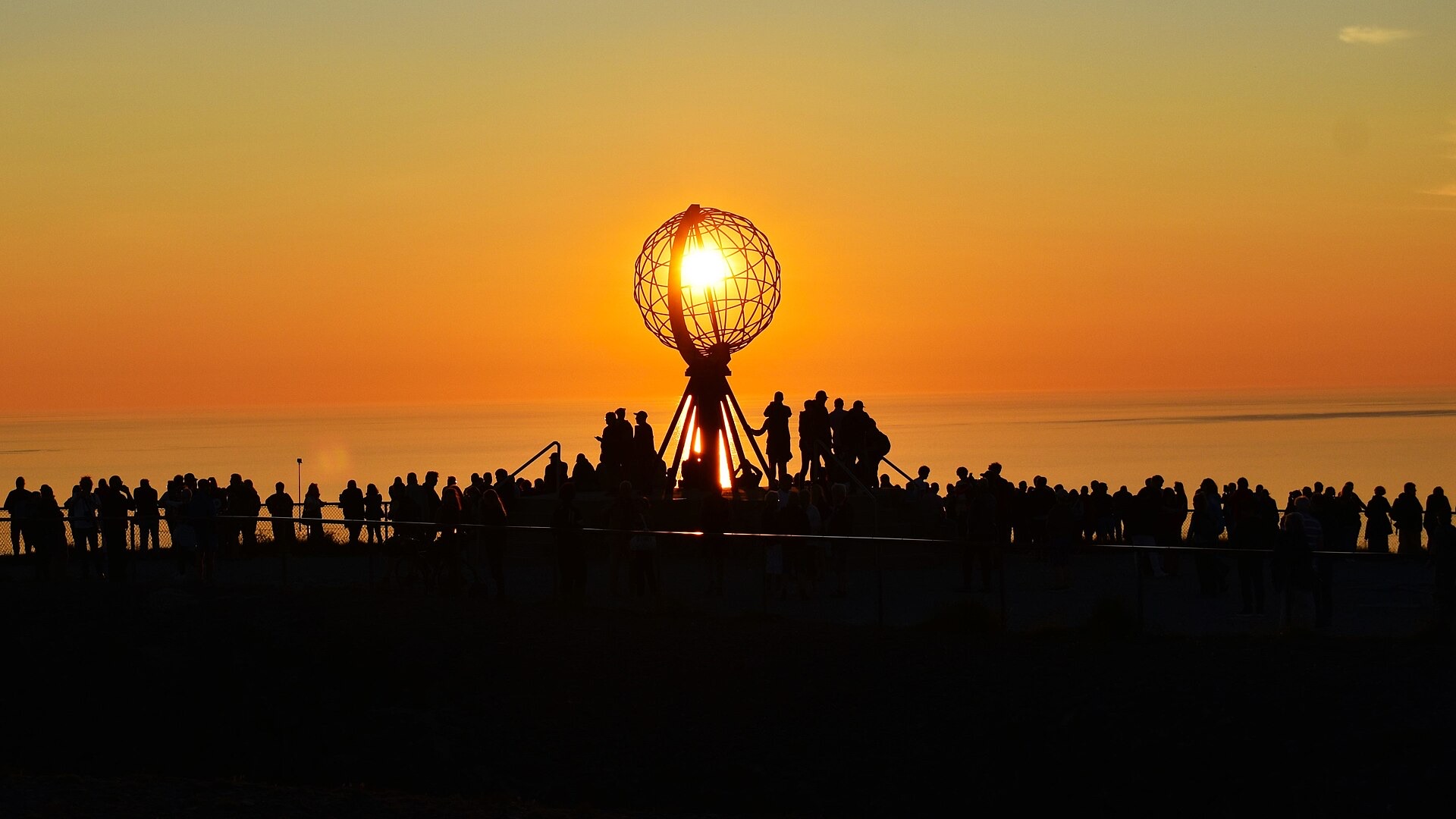
Northern Europe is a useful label for cruise searches, but it can hide very different vacations. A Norwegian fjords itinerary may concentrate on smaller ports surrounded by mountains, waterfalls, and long stretches of scenic sailing. A Scandinavia and Baltics itinerary may focus on cities such as Oslo, Copenhagen, Stockholm, Gdańsk, and ports used as gateways to places farther inland. An Arctic itinerary may add Tromsø, Honningsvåg, the North Cape, or a crossing under the midnight sun.
These trips can overlap, but they should not be treated as interchangeable. Virgin’s 2028 program makes the distinction unusually clear: one seven-night itinerary is devoted to Norwegian fjord ports, another emphasizes Scandinavian cities and Hamburg, and a longer voyage travels beyond the Arctic Circle. The 12-night Scandinavia and Stockholm itinerary adds several countries and an overnight stay rather than promising a week of fjord scenery.
Read the actual day-by-day route before falling in love with the region name. Count city days, fjord ports, sea days, late departures, overnights, and the time required to reach the attraction named beside a port. On Virgin’s published schedule, for example, Berlin is visited through Warnemünde with a journey inland. That can still be a worthwhile day, but it is not the same experience as stepping off the ship in the center of Copenhagen.
Choose the Mediterranean for history, food, and energetic port days
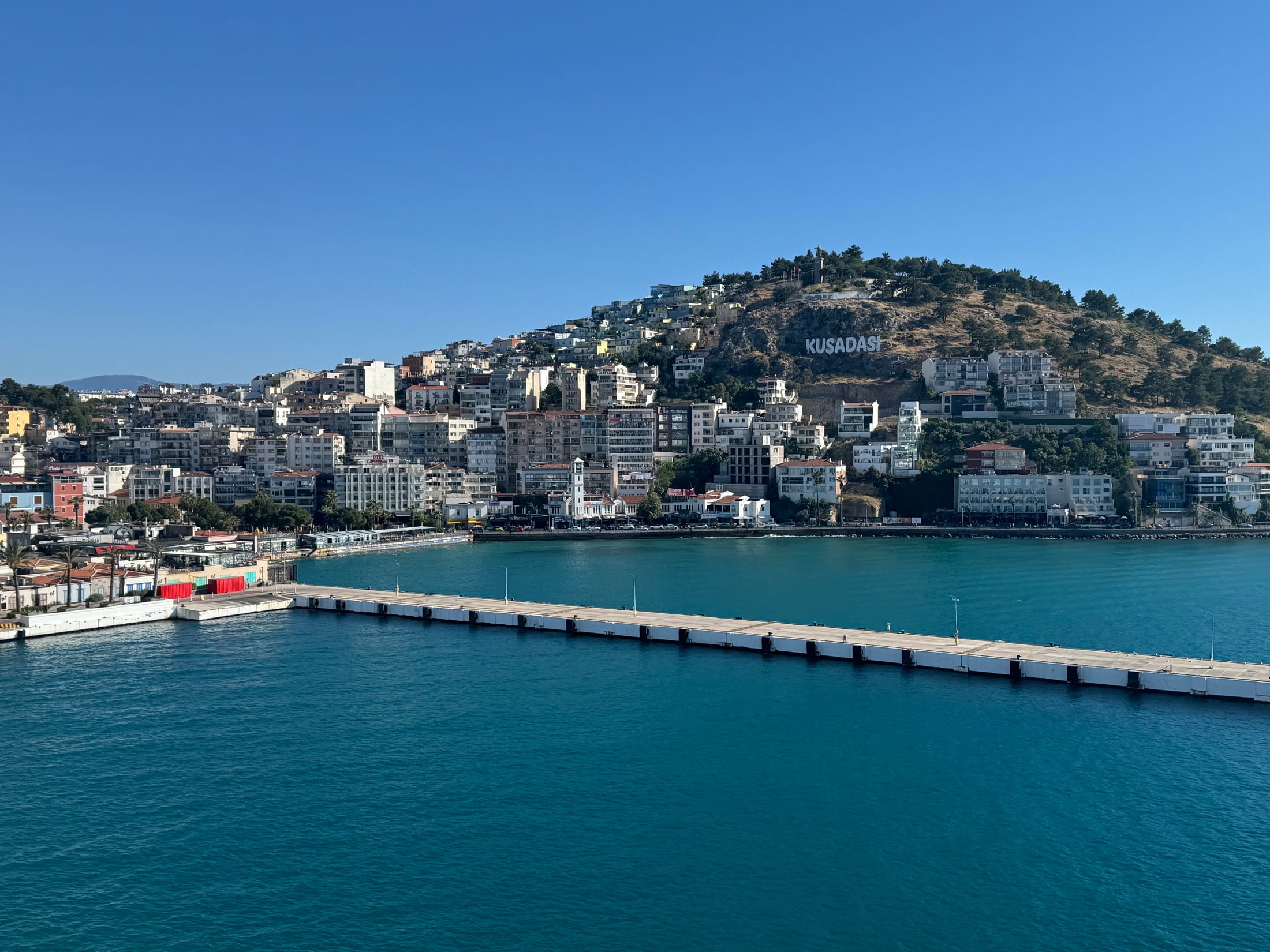
A Mediterranean cruise can connect ancient sites, island towns, beaches, food, and several countries in one trip. Depending on the route, a single week might include Greek islands, Türkiye, Italy, Spain, France, Croatia, or other parts of the Adriatic and Aegean. For a traveler who wants recognizable landmarks and substantial cultural sightseeing, the choices can be extraordinary.
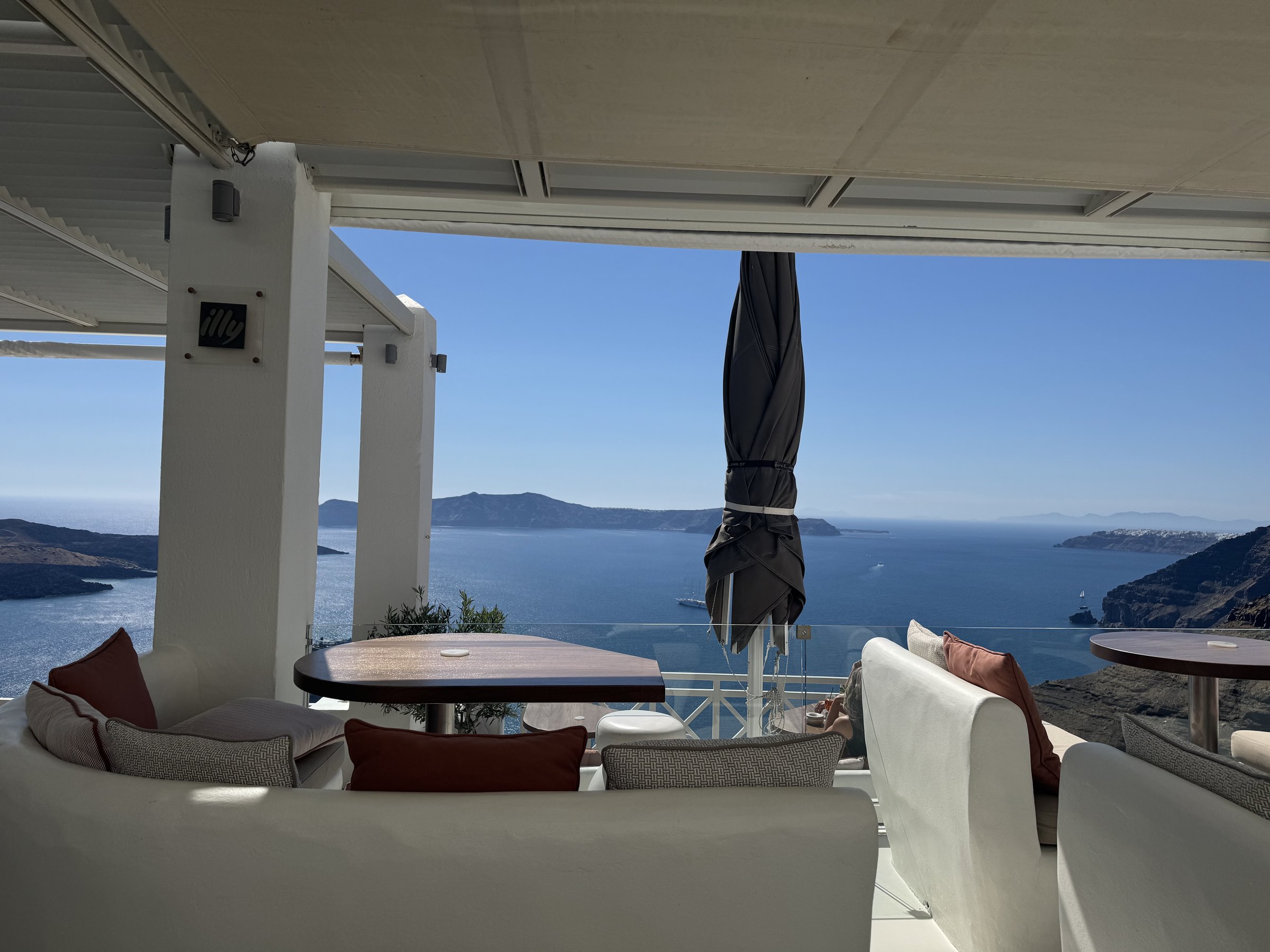
Our family’s Mediterranean sailing reinforced how much the itinerary—not only the ship—shapes the trip. Santorini, Mykonos, Ephesus, and the travel surrounding our cruise each asked something different of us. Some days were about archaeological sites and a guide’s storytelling. Others involved tenders, transportation, hills, crowds, or deciding how much could realistically fit before all-aboard time.
The Mediterranean is not automatically a relaxed beach vacation. It can become a sequence of early departures and ambitious excursions, especially when every port contains something you have waited years to see. That intensity can be exciting for travelers who want history and variety. It can be exhausting for someone who imagined long lunches and quiet afternoons aboard.
Peak-summer heat also belongs in the decision. Southern European cities and archaeological sites may offer limited shade, and extreme heat can change how much walking feels reasonable. A late-spring, early-summer, or fall sailing may offer a better balance for some travelers, but shoulder season brings its own weather and schedule considerations. Compare the exact route and dates rather than assuming one season is always best.
Choose the Norwegian fjords when the sailing itself is part of the destination
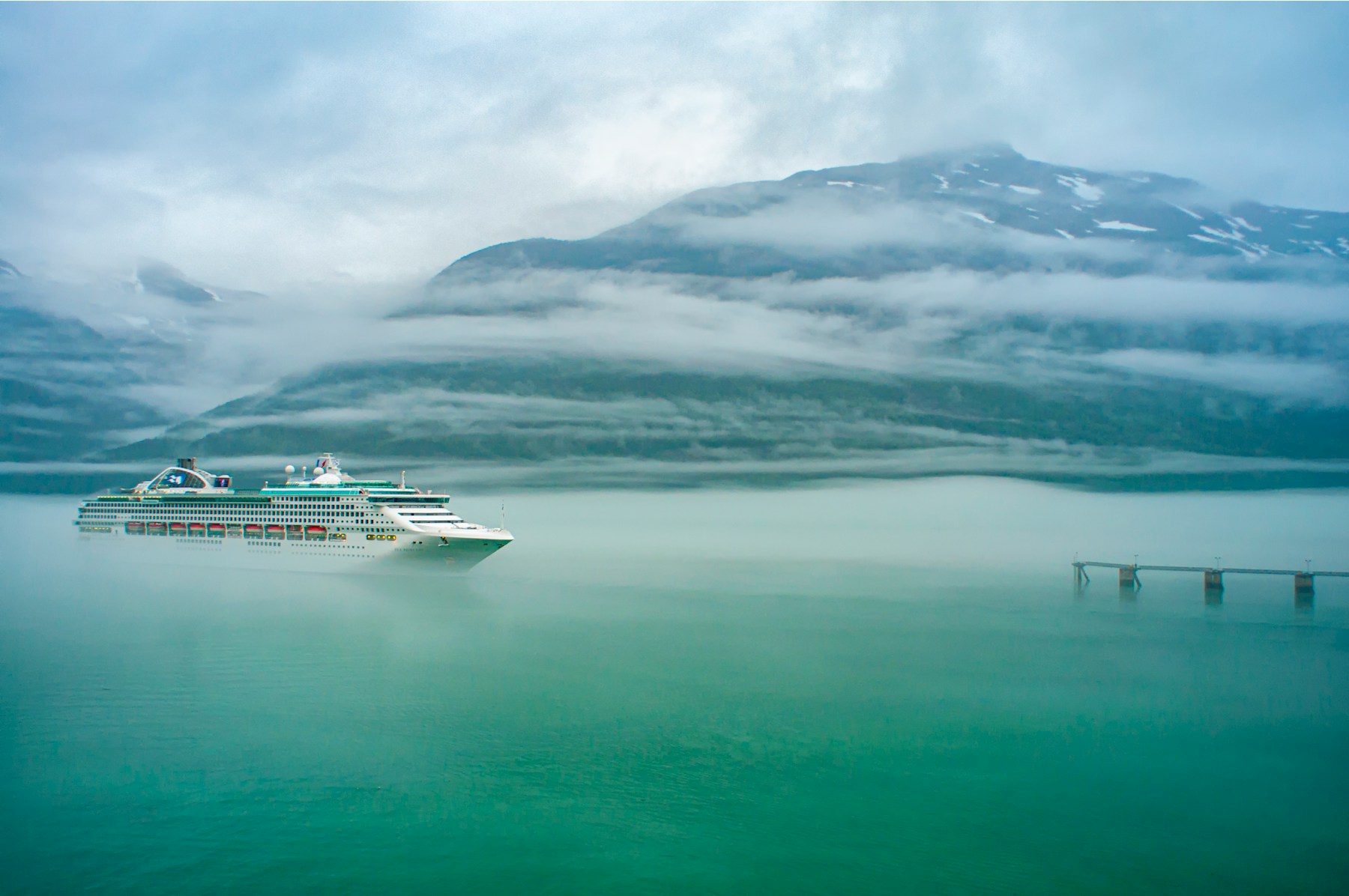
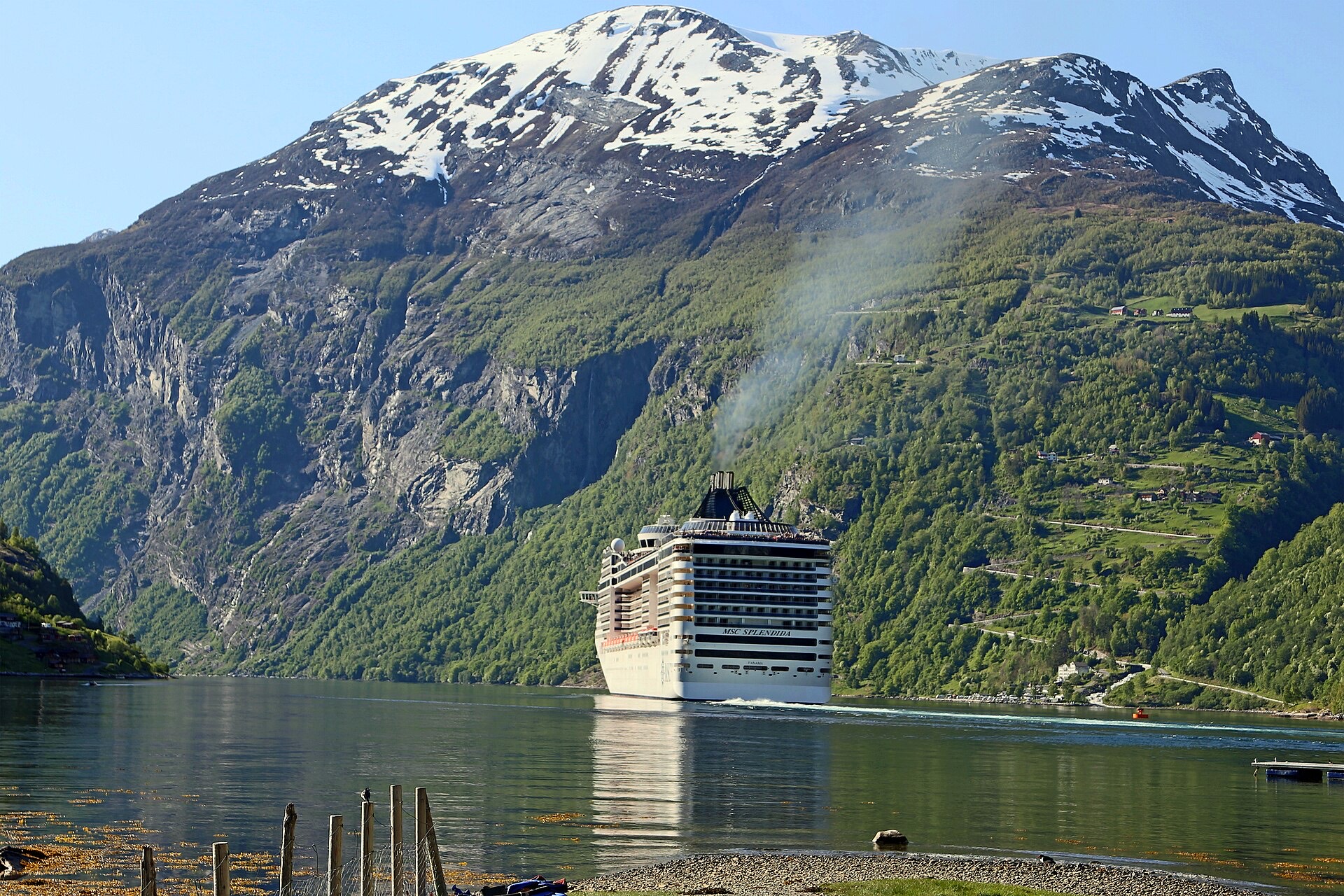
A fjords cruise changes the relationship between ship and shore. In the Mediterranean, the ship often feels like transportation between headline ports. In Norway, some of the defining scenery may appear while the ship is moving: steep mountains rising from the water, waterfalls, narrow passages, small settlements, and changing light along the route.
That does not mean every hour is a postcard or every fjord itinerary is identical. Some routes center on western Norway and ports such as Flåm, Bergen, Olden, Nordfjordeid, Molde, or Åndalsnes. Others travel much farther north. A cruise marketed around Norway may also include larger cities, open-water sea days, or ports that require transportation to reach the view or activity you have in mind.
Norwegian port days can be active. Hiking, kayaking, scenic railways, mountain roads, viewpoints, and small-boat excursions may be central to the appeal. But nature can also be enjoyed at a gentler pace through scenic sailing, a waterfront walk, a coach excursion, or simply time on deck. The best itinerary is the one whose excursions work for your interests and mobility—not necessarily the one with the most dramatic activity photographs.
Weather is part of the character of the trip. Visit Norway advises travelers to expect changing conditions, including rain and wind along the fjord coast, and to bring waterproof, windproof layers even in summer. Long daylight can be wonderful for scenery, but travelers who need darkness to sleep may also want to think about their cabin and pack an eye mask.
Choose Scandinavia and the Baltics for cities—but study the port times
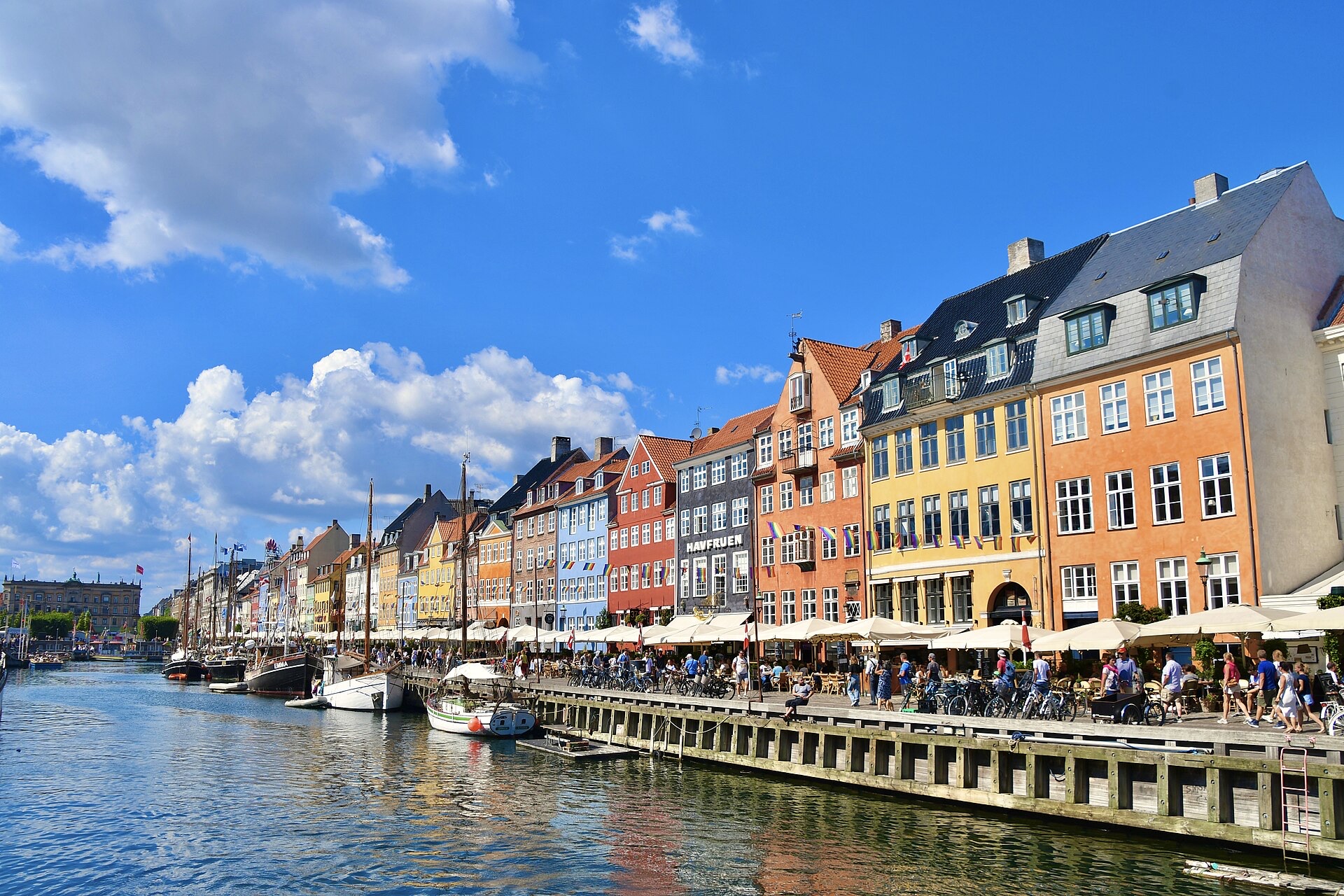
A Scandinavia and Baltics cruise may be the better Northern Europe choice for someone whose priorities are architecture, museums, design, maritime history, food, and city life. Copenhagen, Stockholm, Oslo, Tallinn, Helsinki, and Gdańsk each offer a different cultural reason to go. The value is not simply checking off countries; it is gaining access to several cities without changing hotels every few days.
Port time matters enormously. An overnight in Stockholm or a late evening in Copenhagen can create a different trip from an itinerary that leaves every city in the late afternoon. More time can allow for dinner ashore, an evening performance, or a less compressed museum day. It may also provide a buffer when a major sight is not close to the pier.
Pay attention to gateway language. A cruise schedule may pair a port with a better-known city even when reaching that city requires a substantial train or coach ride. Decide whether the transfer is worth the time or whether the port and surrounding region offer a day you would enjoy more. A famous name on the itinerary is only valuable if the hours and logistics make the experience realistic.
This is also where current route details matter more than a general article can capture. Cruise lines adjust ports for operations, regional conditions, and demand. Before booking—and again before departure—review the itinerary, government travel information, cancellation terms, and the cruise line’s procedures for a changed port.
Compare the pace you want, not just the places you recognize
Mediterranean itineraries often tempt travelers to maximize every port because the historic and cultural choices are so dense. Northern routes can look calmer on a map, but an early scenic arrival, a long drive to a viewpoint, or several active outdoor days can be just as demanding. Neither region guarantees a slow vacation.
Look at the entire week. How many mornings require an early start? Which ports use tenders? How long are the transfers? Are you comfortable walking on cobblestones, slopes, uneven archaeological sites, or wet paths? Is there a sea day after the most strenuous excursion, or another full day immediately behind it? If you skip one port and stay aboard, will the cruise still feel worth the cost?
For mobility needs, do not stop at the label ‘panoramic’ or ‘easy.’ Ask about the distance from the gangway, steps, surfaces, restroom access, vehicle entry, standing time, and whether a smaller boat or scenic railway is involved. The same destination can work beautifully with one excursion and poorly with another.
The ship should fit the trip—but it should not disguise the itinerary
A ship can matter greatly. An adults-only atmosphere, strong dining, entertainment, spa facilities, quiet lounges, or a favorite cabin style may influence the whole vacation. A cooler route may make indoor spaces and protected viewing areas more important. A port-heavy route may reduce how often you use the most elaborate onboard attractions.
Start with the experience you want from Europe, then decide which cruise lines and ships deliver it in a way that feels comfortable. A traveler drawn to culture and scenery may prefer a ship that supports the destination rather than competing with it. Someone who wants lively evenings after returning from port may make a different choice from someone who wants lectures, observation spaces, or a quiet dinner.
This is one reason Virgin’s announcement generated interest beyond the fact that it was new. It paired unfamiliar routes with an adults-only product that already has a defined personality. That combination may be exactly right for some travelers and completely wrong for others. Demand is not the same thing as fit.
Booking early is about choices, not panic
The recent sales news is a reason to understand timing, not a reason to book impulsively. A rare Arctic crossing, an inaugural season, a suite category with very little inventory, or a sailing tied to school calendars and limited vacation dates may deserve attention as soon as bookings open. The same urgency may not apply to a flexible traveler comparing several ships and departure weeks.
Earlier planning can protect more than the cruise cabin. Flights, Amsterdam or Mediterranean embarkation hotels, accessible rooms, connecting rail, private guides, and small-group excursions may all have their own availability. A cruise fare is only one piece of the trip.
Before committing, understand the deposit, final-payment date, cancellation terms, insurance timing, cabin restrictions, and what happens if the fare later changes. A lower price is not necessarily better if it comes with inflexible terms, and an early reservation is only useful when the underlying trip is right.
Which European cruise sounds most like you?
Choose the Mediterranean if you are excited by ancient sites, famous islands, warm-weather meals, beaches, and a succession of culturally dense port days. Be honest about heat, crowds, walking, tenders, and how many major excursions you want to complete in one week.
Choose the Norwegian fjords if you want the landscape to remain present even when you are aboard, and if waterfalls, mountains, scenic railways, small ports, and outdoor experiences matter more than collecting capital cities. Be ready for variable weather and compare how much actual fjord sailing each route includes.
Choose a Scandinavia and Baltics itinerary if cities, museums, architecture, food, and maritime history are the priority. Favor routes with overnights or late departures where they add meaningful time, and investigate any port that is presented as the gateway to a distant city.
Choose an Arctic itinerary if reaching farther north, experiencing extraordinary summer daylight, or building the trip around a rare route is the point. Expect the sailing length, weather, and cost to reflect that ambition.
And if you are still split, begin with the three experiences you most want to have—not the cruise line, not the promotion, and not the itinerary everyone else is rushing to book. Once those priorities are clear, the right region often becomes much easier to see.
The best European cruise is the one that fits beyond the headline
Northern Europe’s growing visibility is good news for travelers because it creates more ways to see Europe by ship. The Mediterranean remains compelling for exactly the reasons it has drawn travelers for generations. The fjords offer a different relationship with scenery. Scandinavia and the Baltics can connect cities that would otherwise require repeated flights, trains, and hotel changes. The Arctic can make the route itself feel like an achievement.
None of those is automatically the sophisticated choice, the relaxing choice, or the best value. The answer depends on the weather you enjoy, the pace you can sustain, the ports you care about, the ship atmosphere you want, and what needs to happen before and after the sailing.
That is the comparison I would make before booking. The recent news tells us that desirable new routes can attract attention years ahead. Thoughtful cruise planning makes sure that when you commit early, you are committing to the experience you actually want.